
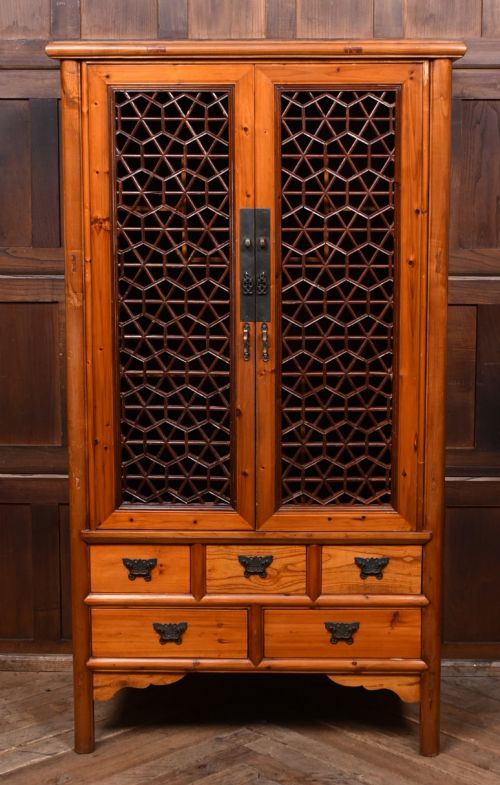

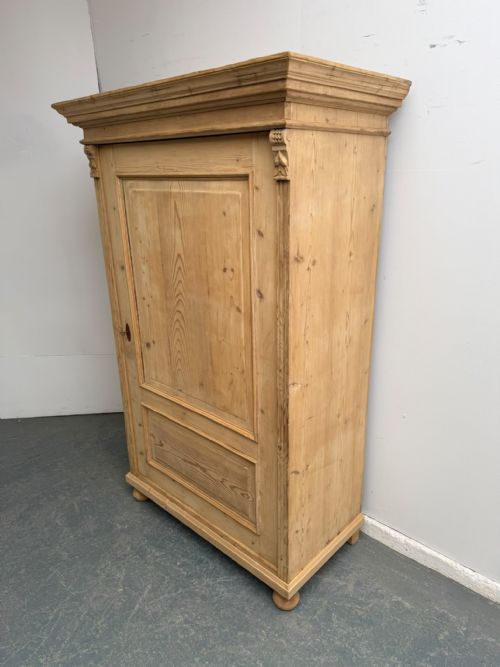
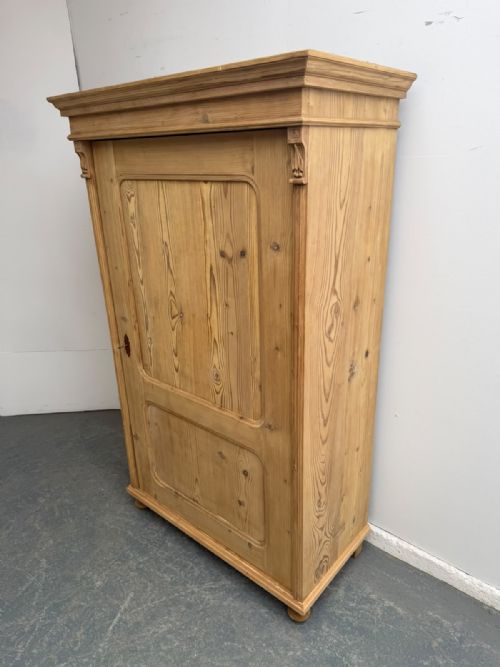
Pine Pantry Cupboard
A pine pantry cupboard brings practical storage and honest country character into a kitchen.
Pine Pantry Cupboard
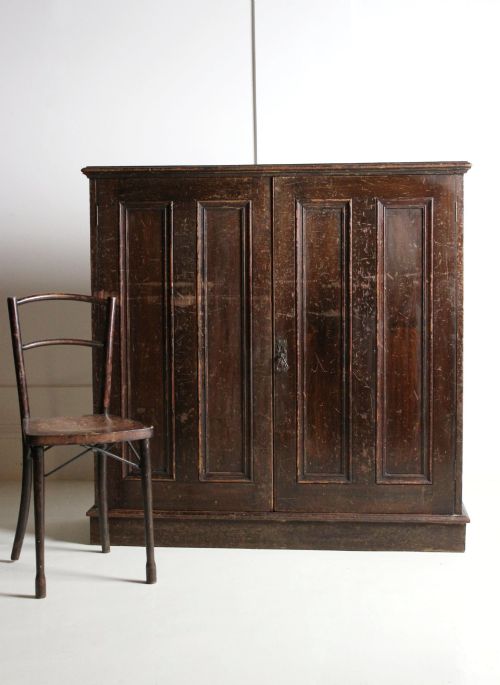
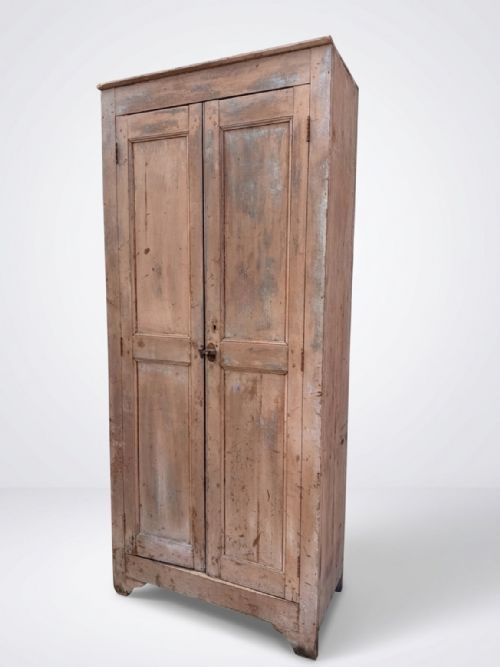
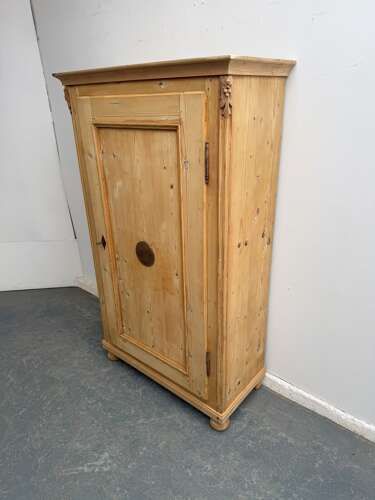
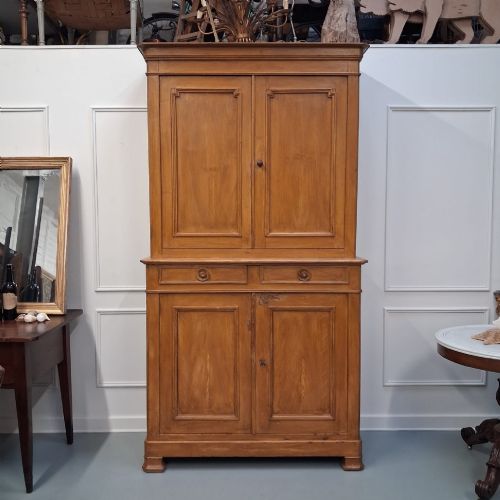
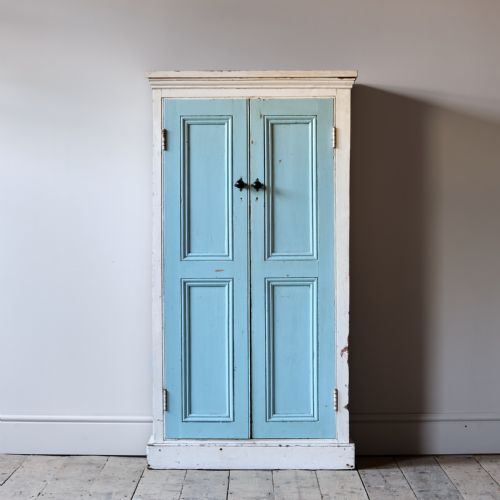
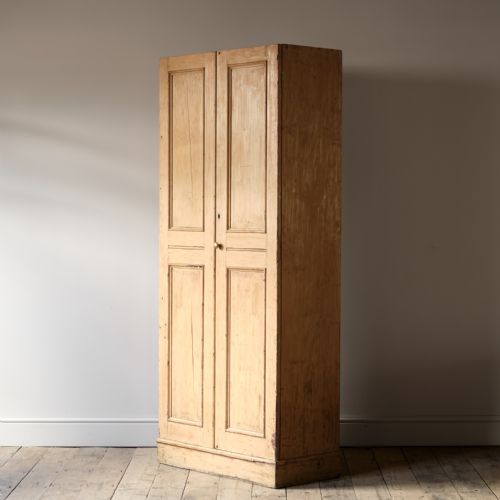
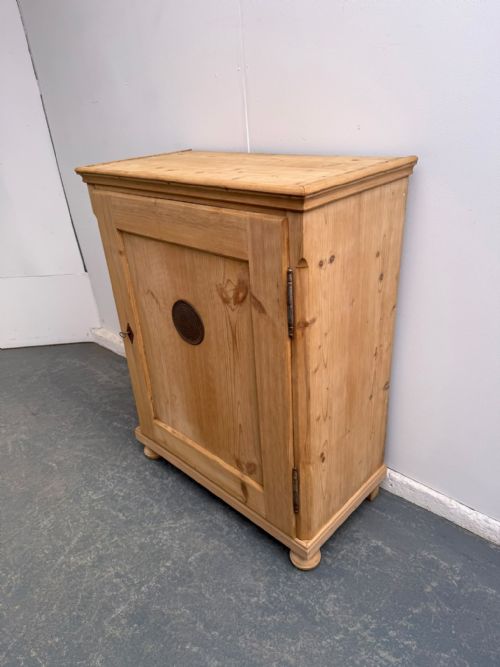
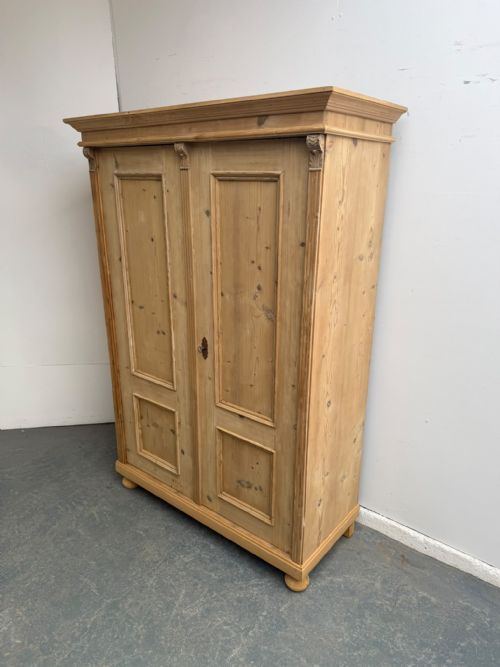
A pine pantry cupboard is a substantial storage piece designed for food provisions, household linens, and kitchen utensils. The examples found here span the eighteenth, nineteenth, and early twentieth centuries, reflecting diverse regional domestic traditions.
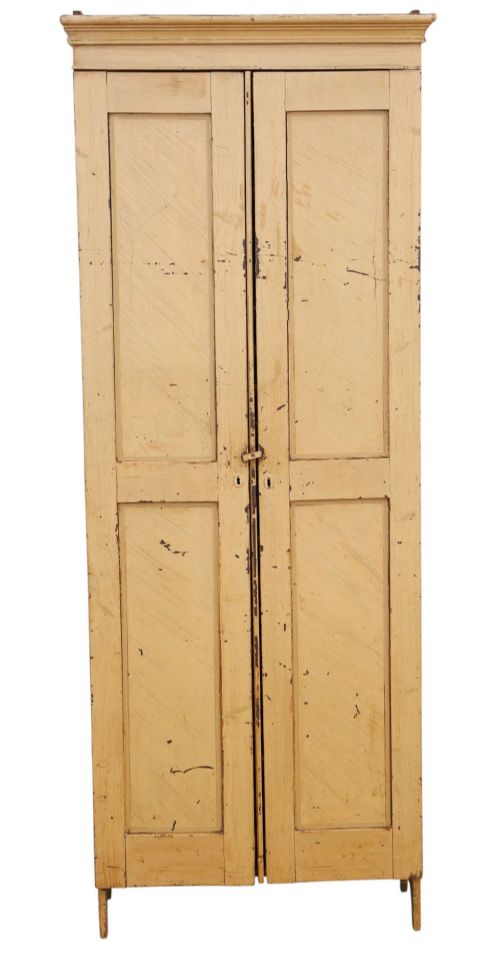
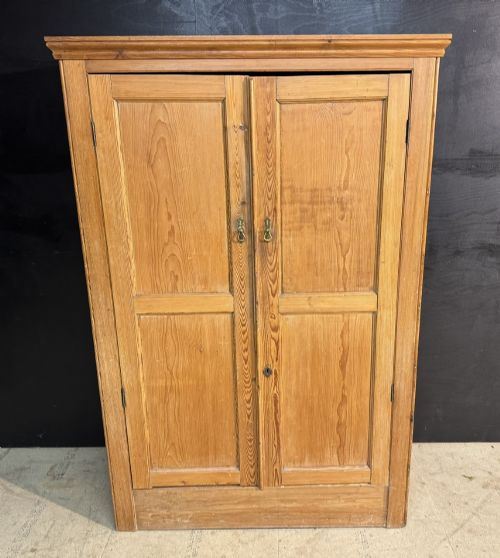
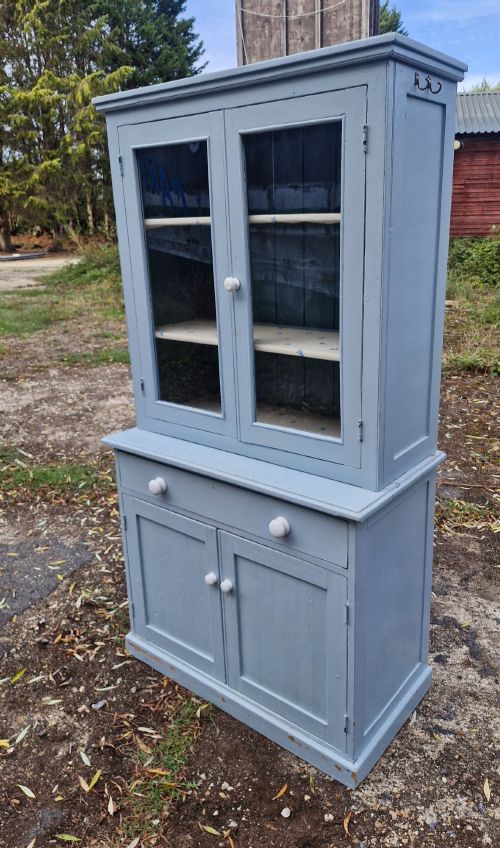
Most pieces date from the Victorian period or the nineteenth century, taking the form of tall housekeepers' cupboards, larder units, and two-door storage cupboards. They range from narrow single-door cupboards to wide multi-door configurations with internal shelving or drawers.
Origins vary across English, French, Scandinavian, and Baltic workshops, showing distinct local proportions and joinery methods. Buyers encounter both plain waxed timber surfaces and pieces retaining original or later paint finishes.
How they were made
Construction relies primarily on solid pine, joined with traditional techniques such as tongue-and-groove boarding and pegged mortise and tenon frames. Iron, brass, and metal hardware including hinges, latches, and ventilation grills secure the doors and protect the interior contents.
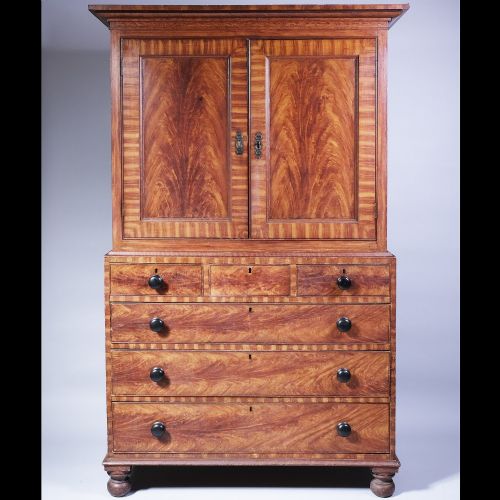
Surfaces were finished in several ways depending on utility and region, utilising plain waxed timber, scraped finishes, or layers of paint including scumble glaze. Vented panels often incorporated pierced metal or wire mesh to allow air circulation for perishable goods.
Some historic pantry cupboards still retain faint traces of flour dust and dried herbs trapped deep within their pegged joints.
What varies in quality
Quality rests upon the integrity of the original construction, the thickness of the pine boards, and the retention of primary hardware like brass or iron hinges. Pieces retaining their untouched original paint finish or early scumble decoration hold distinct character compared to later stripped surfaces.
Proportion and internal arrangement also distinguish the range, from simple single-door cupboards to complex multi-door housekeepers' units with integrated drawer sections. The subtlety of edge moulding, panel detailing, and the crispness of surviving carved elements separate standard utility pieces from finer vernacular examples.
The Pine Pantry Cupboard Glossary
- Housekeeper's cupboard
- A large storage piece traditionally used in country houses for linen and dry stores, usually featuring upper cupboards and lower drawers or doors.
- Scumble paint
- A translucent decorative paint technique used to imitate wood grain or create textured patterned surfaces on vernacular furniture.
- Fielded panel
- A wooden panel with bevelled edges designed to fit snugly into a grooved frame while allowing for natural wood expansion.
- Bread and cheese cupboard
- A regional storage cabinet featuring ventilated mesh or slatted doors specifically designed to keep provisions cool and pest-free.
- Vented cupboard
- A cabinet incorporating pierced metal or slotted wooden panels to maintain airflow for food storage.
Pine Pantry Cupboard: Frequently Asked Questions
What is a pine pantry cupboard used for?
These cupboards served historically for storing dry goods, baking supplies, and household linens in domestic kitchens. Today they function effectively as standalone larders, kitchen pantries, or general storage units.
Their deep shelves and compartmented interiors accommodate modern kitchenware while adding traditional aesthetic warmth to a room.
How do I tell if the paint is original?
Original paint surfaces show natural wear patterns, oxidation, and multiple underlying layers consistent with age rather than recent application. Examining hinges, screw heads, and interior crevices reveals whether the finish has been reapplied in modern times.
Untouched paint often possesses a chalky texture and subtle craquelure that chemical strippers and modern paints cannot replicate.
Where were these cupboards made?
The pieces originate from various domestic and regional workshops across England, France, Scandinavia, and the Baltic region. Each area developed distinct proportions, timber selections, and hardware styles suited to local rural requirements.
French and Scandinavian pieces often feature softer painted finishes and decorative mouldings, whereas English examples lean towards utilitarian robustness.
How do I care for waxed pine?
Waxed pine benefits from occasional cleaning with a soft cloth and the application of a traditional beeswax polish to nourish the timber. Avoiding direct sunlight and excessive heat prevents the pine from drying out or splitting.
Regular polishing maintains the protective barrier against moisture and preserves the rich patina accumulated over decades of use.