

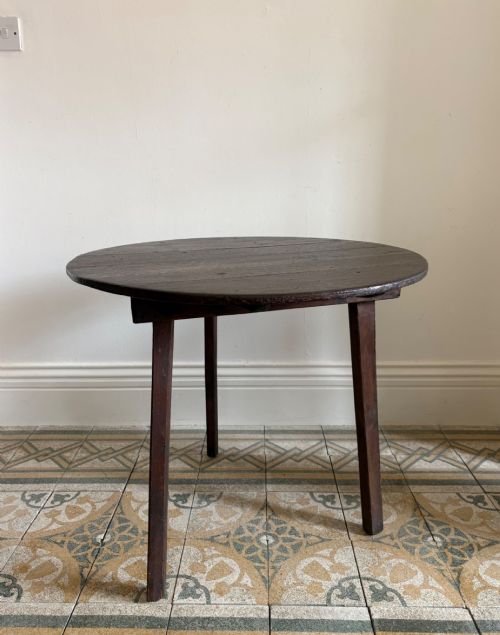


Pine Occasional Table
A pine occasional table brings utilitarian warmth and everyday utility to a room through centuries of regional European and British craftsmanship.
Pine Occasional Table
When you search for a pine occasional table, you encounter a diverse group of secondary tables designed for specific domestic tasks rather than formal dining. The pieces span from the eighteenth century to the early twentieth century, originating across England, Wales, Scotland, Sweden, France, Italy, and Ceylon.
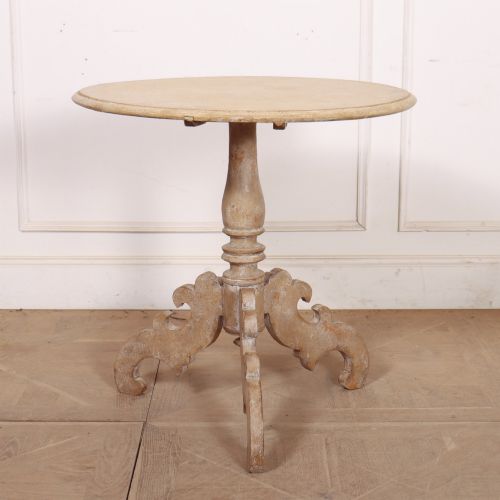
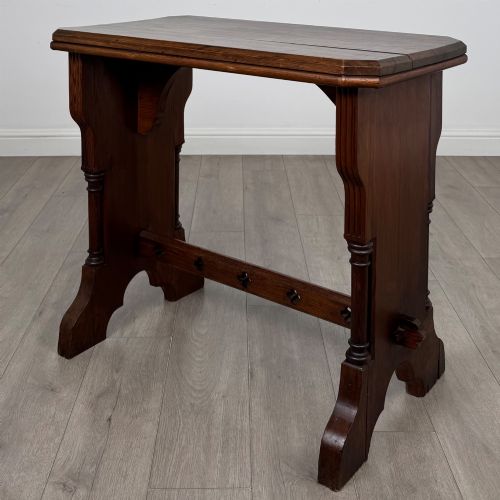
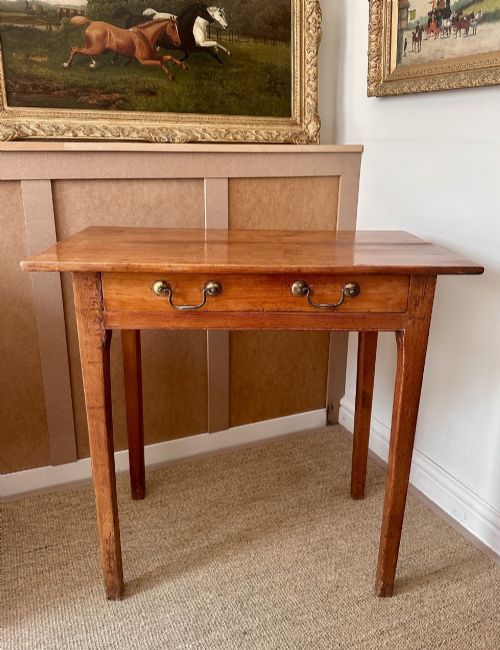
The most common formats on this page include simple side tables, circular three-legged cricket tables, drop-leaf Pembroke tables, and small painted lamp tables. Regional styles range from plain rustic farmhouse and Gothic revival to Scandinavian country and Rococo revival.
Makers utilised softwoods like standard pine and pitch pine, often combining them with oak or metal elements, and frequently applied surface paint or scraped finishes. These tables served practical roles in kitchens, hallways, and parlours, evolving from utilitarian workshop items into decorative household furnishings.
How they were made
Carpenters constructed these tables primarily from solid pine and durable pitch pine, sometimes pairing plank tops with sturdy wooden bases of oak or other timbers. Construction methods relied on straightforward joinery, such as turned legs fitted into plank or circular tops, trestle supports, and folding brackets for drop-leaf mechanisms.
Surface treatments define a large portion of the inventory, with makers applying layers of paint in various hues, hand-painted details, or leaving the wood scraped and bleached. Metal hardware, including brass fittings, occasionally supplemented the wooden frames on drawers and drop-leaf supports.
Listings feature pine occasional tables spanning the eighteenth, nineteenth, and early twentieth centuries, incorporating both English country workshops and Scandinavian painted traditions.
What varies in quality
Quality in these tables depends on the integrity of the timber, the sophistication of the joinery, and the originality of the surface finish. Pieces featuring dense pitch pine, stable plank tops, and well-turned legs demonstrate superior craftsmanship compared to simpler utilitarian builds.
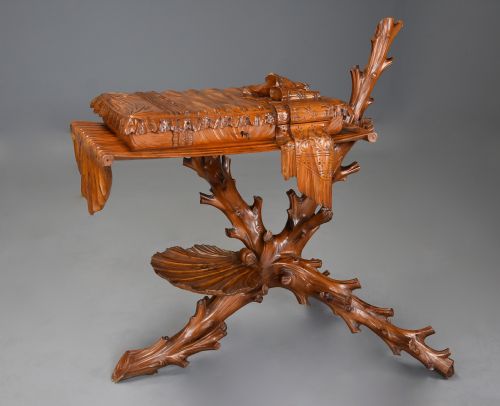
The survival of original paintwork, whether scraped Swedish finishes or early English painted coats, elevates a piece's integrity. Balance, proportion, and regional distinctiveness, such as the specific leg placement on a cricket table or the carving on Grotto work, separate standard workshop items from exceptional examples.
The Pine Occasional Table Glossary
- Cricket table
- A small, lightweight table traditionally featuring a circular wooden top supported by three splayed legs. This three-legged design ensured stability on uneven farmhouse floors.
- Pitch pine
- A dense, resinous softwood sourced primarily from North America and heavily utilised in Victorian construction. Its high resin content provides durability and a distinct grain pattern.
- Drop-leaf table
- A table with a fixed central section and hinged flaps on either side that fold down. Brackets or swing legs support the leaves when raised.
- Grotto work
- Highly decorative, organic carving inspired by natural shell and rock formations. It appears on late nineteenth-century Italian statement pieces.
- Lowboy
- A small eighteenth- or nineteenth-century table with drawers, resembling the lower section of a larger tallboy chest. It served multifunctional roles as a side or occasional table.
- Demilune
- A half-moon shape used for console or side tables designed to sit flush against a wall. Pairs of these tables often combine to form a full circular dining surface.
Pine Occasional Table: Frequently Asked Questions
What is a pine occasional table used for?
These tables provide convenient surface space for lamps, books, and decorative objects in living areas, hallways, and bedrooms. Historically, they functioned as portable work surfaces or informal tea tables.
Their compact scale allows them to fit easily into smaller corners where larger furniture would overwhelm the floor plan.
How do I date an antique pine table?
Dating relies on observing construction marks, timber types, and wear patterns. Eighteenth-century examples often display wider single-plank tops and hand-planed surfaces.
Victorian pieces frequently utilise denser pitch pine or machine-sawn components, while twentieth-century items show early modern joinery techniques.
Are painted pine tables original?
Many Swedish and English pieces retain early or original painted finishes that have aged with attractive patination. Scraped pine surfaces reveal underlying layers of historical colour.
Examining the paint adherence around joints helps determine whether the finish is period-authentic or a later decorative addition.
How do I care for antique pine furniture?
Protect the timber by keeping tables away from direct heat sources and strong sunlight that can dry out softwoods. Regular dusting with a soft cloth maintains the surface.
Avoid harsh chemical cleaning products and use beeswax sparingly to nourish unsealed or waxed pine finishes.