


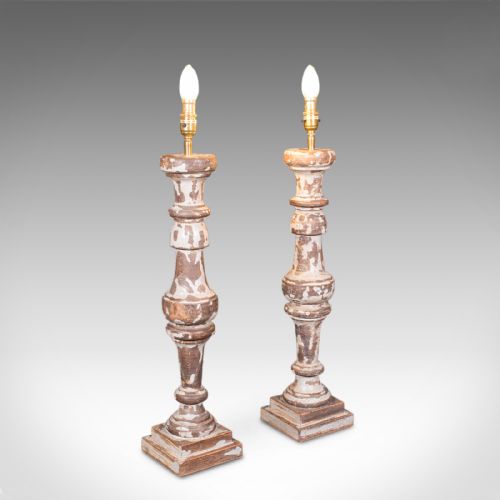


Pine Lamp Table
These pine lamp table selections offer practical surfaces and country character, bridging utilitarian utility and decorative warmth.
Pine Lamp Table
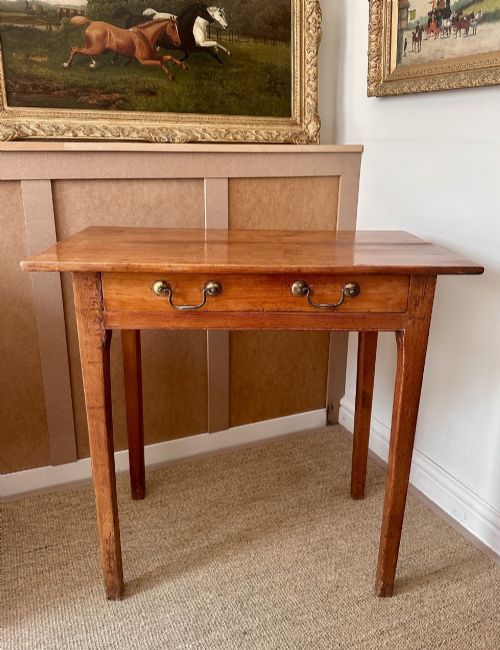
A pine lamp table functions as a compact surface for illumination and small objects, often taking the form of side tables, occasional tables, or adapted cricket tables. When searching for a pine lamp table, buyers encounter utilitarian forms rooted in domestic service and country living.
The pieces appearing here span the 18th century, Georgian era, Victorian period, and late 19th century. English and Scandinavian country traditions dominate the styles, alongside occasional rustic farmhouse or neoclassical revivals.
Most examples rely on straightforward timber construction, though finishes vary between bare scrubbed pine and historical painted surfaces. Buyers frequently select these formats for bedside placement, hallway illumination, or living room convenience.
Materials and construction methods
Makers constructed these tables primarily from solid pine, sometimes pairing softwood bases with oak plank tops or incorporating pitch pine for added durability. Iron and brass hardware, including screws and hinges, fasten structural joints where necessary.
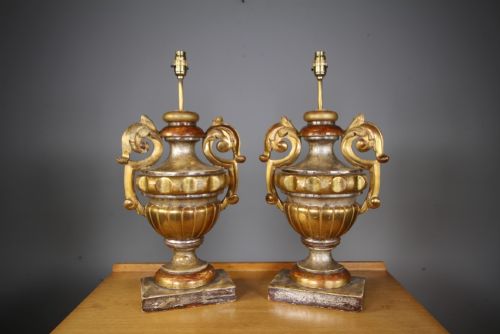
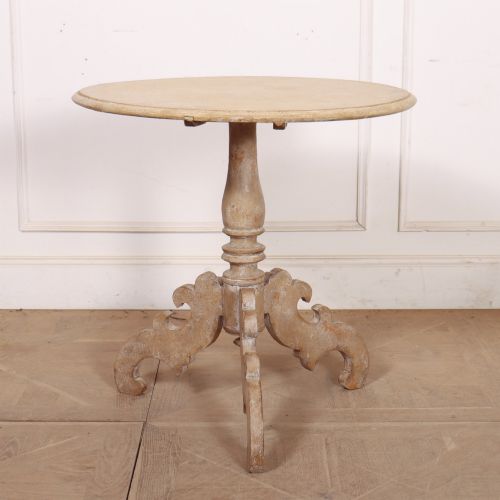
Surface treatments range from plain timber to layered paint, with some pieces showing traces of original pigment, grey wash, or gold leaf accents. Turnery appears on legs through bobbin turning or simple tapering, while carved details emerge on more decorative examples.
Recorded forms extend beyond standard side tables to encompass cricket tables, bedside cabinets, and occasional tables with bobbin turned legs.
What separates top examples from standard pieces
Quality in these tables rests upon timber selection, structural integrity, and the preservation of original surfaces. Tables retaining genuine old paint or untouched scrubbed patination command greater interest than those stripped down or heavily reworked.
Joinery detail also marks the distinction, such as well-turned legs on cricket tables versus plain square supports. Proportion and balance dictate visual success, separating modest utilitarian pieces from more considered vernacular work.
The Pine Lamp Table Glossary
- Cricket table
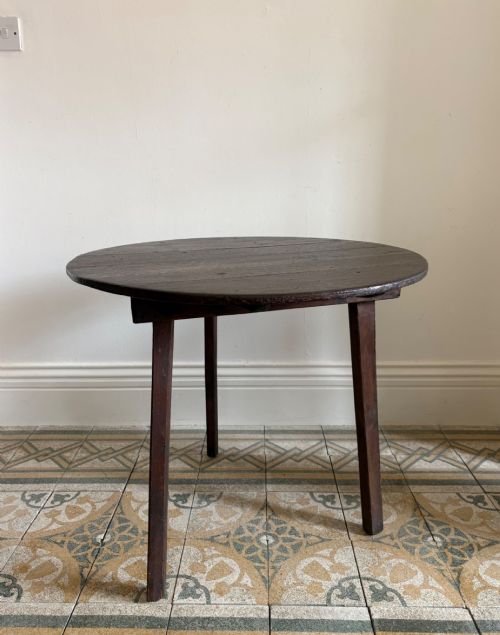
- A small three-legged circular table dating back to the 18th century or 19th century, traditionally used in English cottages. The three legs provide stability on uneven flagstone floors.
- Scrubbed pine
- A finish achieved through repeated washing and scouring of the timber surface, leaving a clean, pale grain. This treatment is typical of domestic kitchen and dairy furniture.
- Occasional table
- A light, movable side table brought out for specific tasks such as holding a lamp or sewing basket. These pieces suit flexible room arrangements.
- Bobbin turned
- A style of leg decoration formed by lathe-turning timber into a sequence of rounded spheres resembling spools of thread. It is a common feature on 19th-century vernacular furniture.
- Rococo revival
- A decorative style popular in the 19th century drawing on 18th-century asymmetrical scrolls and natural motifs. It appears on more decorative tables within country and formal traditions.
Pine Lamp Table: Frequently Asked Questions
Where do pine lamp tables work best?
These tables fit easily beside armchairs, sofas, or beds where surface space is limited. Their modest proportions allow them to sit in hallways or corners without dominating the room.
Because many feature painted finishes or warm timber patination, they introduce texture to neutral interiors. They serve reliably as stands for reading lamps or small decorative objects.
How do I care for antique pine?
Keep wooden tables away from direct heat sources and strong sunlight to prevent the timber from drying out or splitting. Dust regularly with a dry cloth and avoid harsh chemical polishes.
Wax can be applied sparingly to unpainted surfaces to maintain the sheen and protect the grain. Painted surfaces require gentle wiping with a damp cloth rather than abrasive cleaning.
Are these tables solid pine throughout?
Most examples use solid pine for both the top and the base framework, though some incorporate alternative timbers like oak for plank tops. Secondary woods may appear in hidden structural components such as drawer linings.
Construction methods reflect the period of origin, relying on traditional joints like mortise and tenon or dovetails. This straightforward construction supports daily domestic use.
What is a cricket table?
A cricket table is a traditional small table supported by three legs, historically designed not to wobble on uneven cottage floors. They typically feature a round wooden top mounted on pegged joints.
Originating in Britain during the Georgian period and continuing through the 19th century, they provide stable surfaces for lamps and everyday items. Their simple silhouette remains popular in country house styling.