
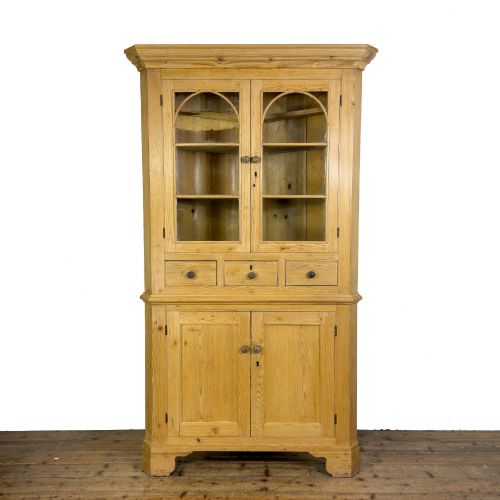
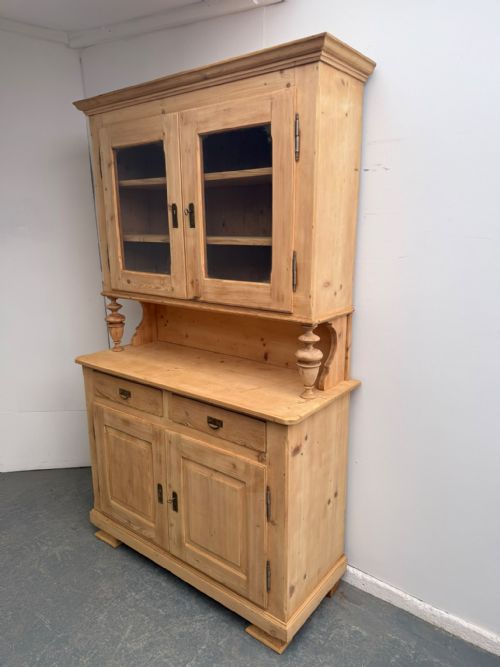
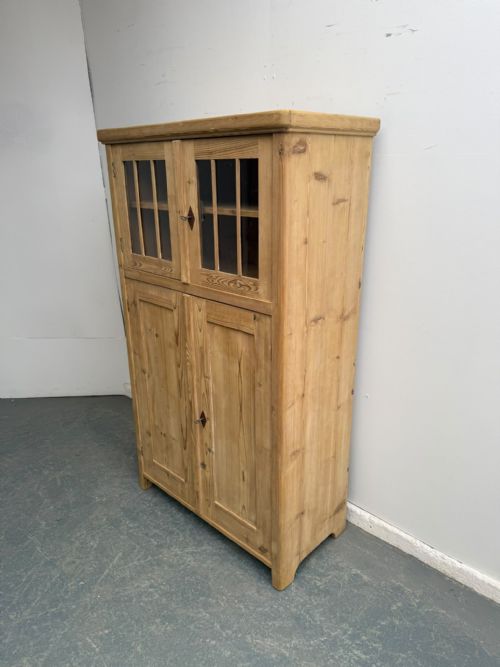
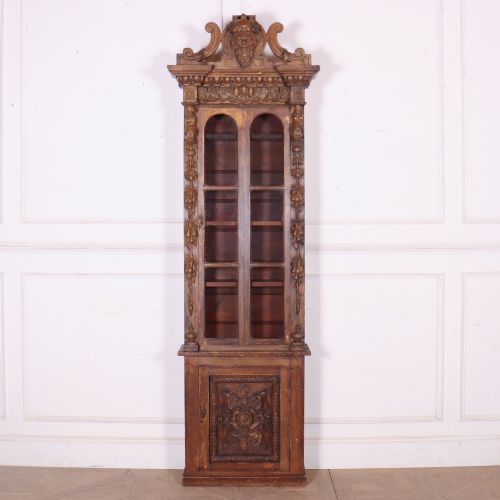
Pine Glazed Display Bookcase
A pine glazed display bookcase combines utility with visibility, housing books and collections behind glass panels.
Pine Glazed Display Bookcase
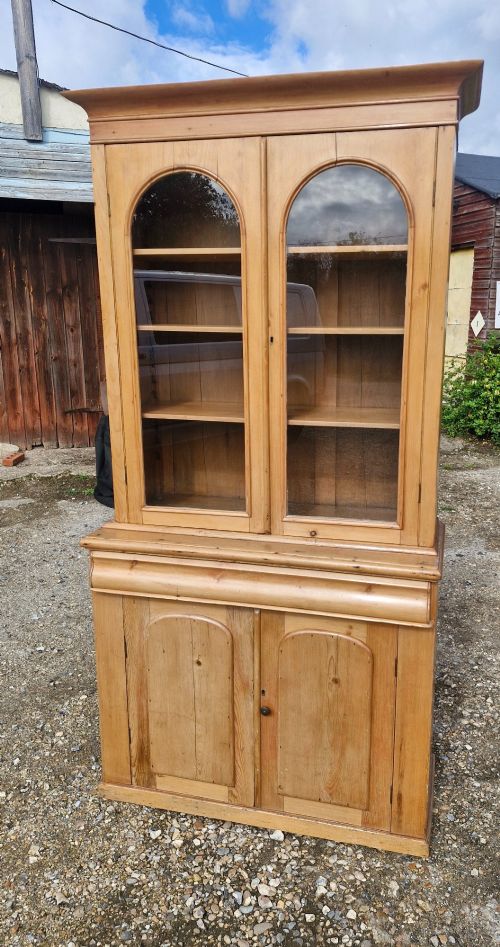
A pine glazed display bookcase serves as a storage unit featuring glass-fronted upper sections for displaying volumes or objects alongside lower cupboards or drawers. When searching for a pine glazed display bookcase, buyers encounter pieces spanning the Georgian, Victorian, and early twentieth-century periods, with nineteenth-century examples forming the core of the selection.
The regional origins of these cabinets vary widely across the inventory. English country houses, Scottish workshops, and French provinces all contribute distinct regional variations, from simple farmhouse cupboards to grander breakfront libraries.
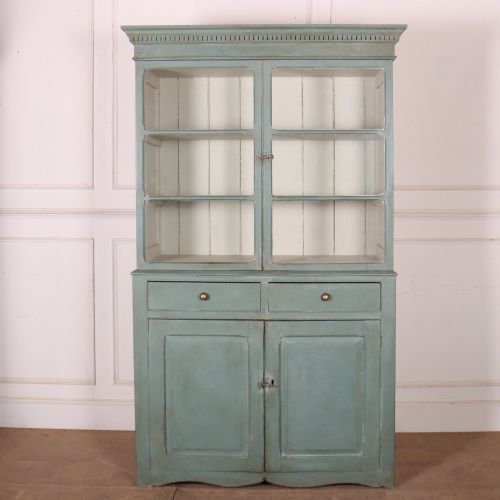
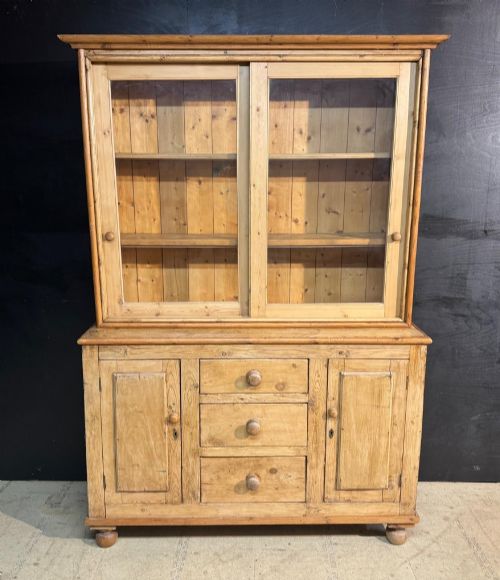
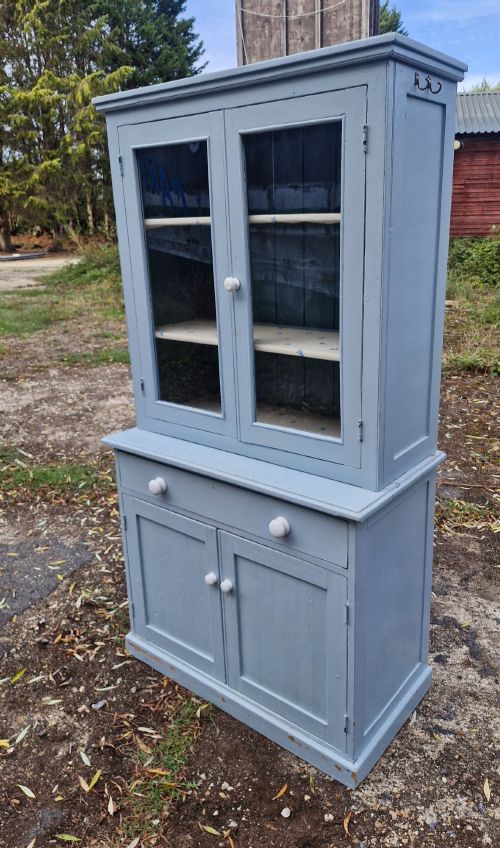
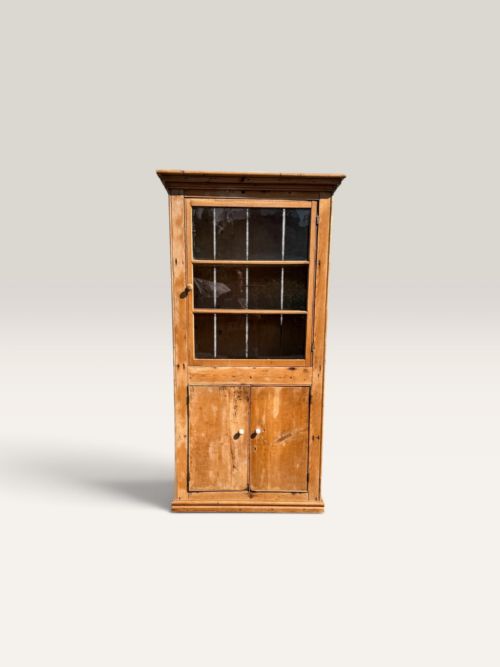
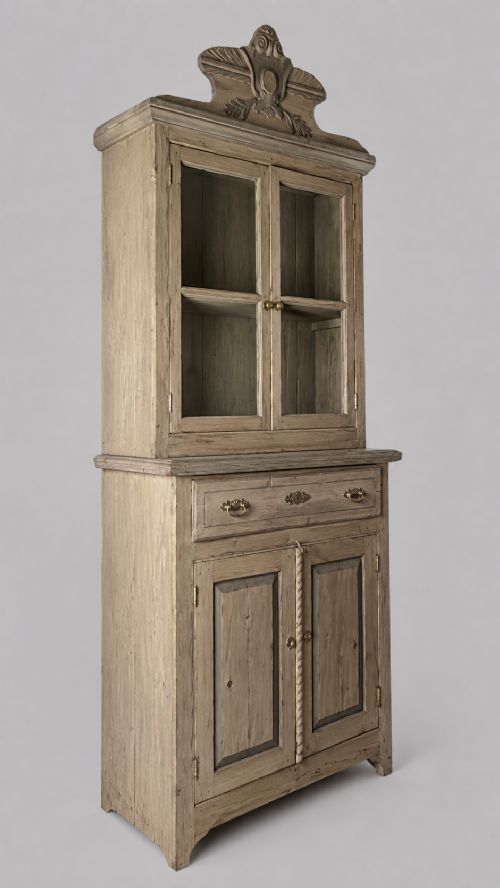
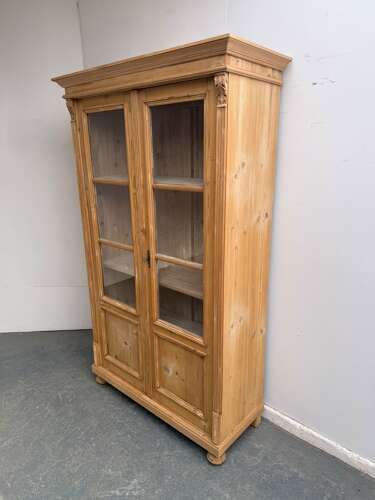
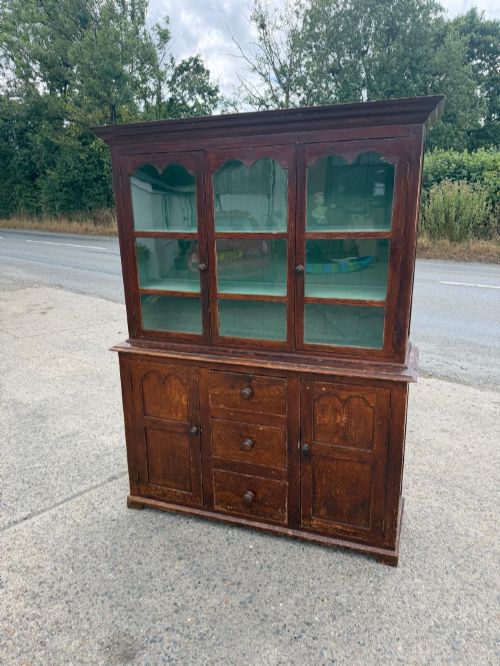
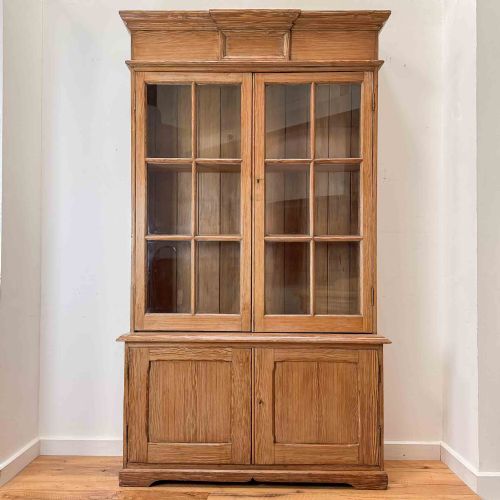
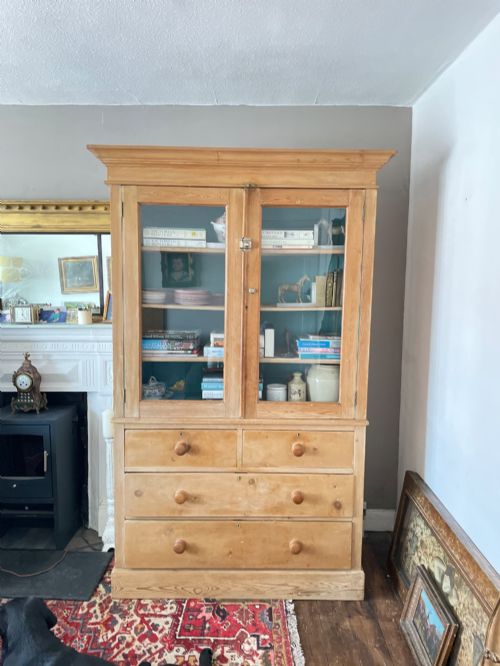
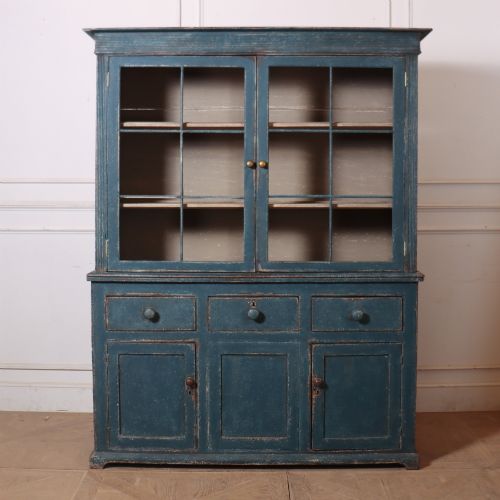
Forms range from two-part modular dressers and narrow wall units to expansive four-door storage cabinets and corner cupboards. Many pieces retain original painted surfaces or have been stripped to reveal the natural grain of the timber.
Materials and construction
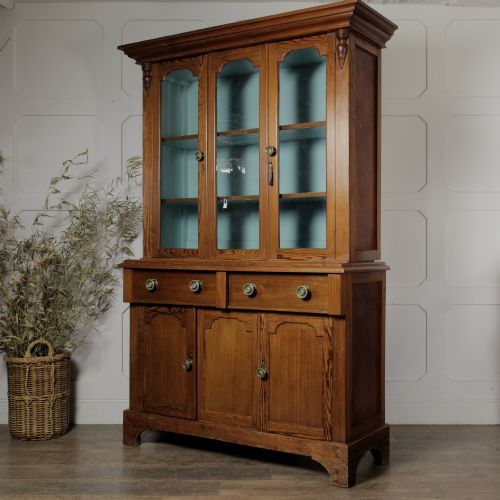
Construction relies primarily on softwood timber, utilising standard pine alongside denser pitch pine for added durability in larger library and kitchen furniture. Glass panes are set into wooden frames or astragals, protecting the interior contents from dust while maintaining visual access.
Hardware elements incorporate brass and iron for hinges, locks, and handles, adding functional contrast to the wooden body. Surfaces frequently display layers of historic paint or wax finishes applied to preserve the softwood substrate over generations of domestic use.
The inventory includes several nineteenth-century pieces originating from the West Country, Scotland, and France, alongside examples from the Georgian and Victorian eras.
Assessing quality and proportion
Proportion and scale distinguish finer architectural bookcases from utilitarian storage units, particularly in pieces featuring multi-pane astragal glazing and breakfront cornices. The joinery of the timber frame, the clarity of the original glass, and the retention of early or original painted finishes elevate a cabinet's standing.
Regional execution dictates the character of the piece, where the refinement of Georgian joinery contrasts with the robust vernacular style of West Country and Scottish country workshops.
The Pine Glazed Display Bookcase Glossary
- Astragal
- The wooden moulding strips that divide individual panes of glass within a door frame. These bars create geometric patterns typical of Georgian and Victorian display cabinets.
- Breakfront
- A cabinet design where the central section projects forward from the flanking wings. This architectural arrangement adds depth and presence to larger library bookcases.
- Pitch pine
- A resinous variety of pine known for its strength and prominent grain patterns. It appears frequently in nineteenth-century utilitarian and display furniture.
- Two-part cabinet
- A piece constructed in separate upper and lower sections designed to stack together. This modular format aided transport in domestic settings.
Pine Glazed Display Bookcase: Frequently Asked Questions
How do I date a pine bookcase?
Dating relies on construction methods, hardware types, and stylistic indicators such as cornice moulding and glass thickness. Georgian pieces often display slender astragals and hand-blown glass, whereas Victorian examples tend to feature heavier proportions and machine-rolled panes.
Secondary clues include the presence of original painted surfaces, backboards constructed from wide single planks, and hand-cut nails or early brass screws.
Were these cabinets used only for books?
Domestic storage furniture served multiple functions in nineteenth-century homes, housing kitchen china, linens, and provisions alongside library volumes. Glazed upper sections allowed homeowners to display prized possessions while keeping them protected from dust and smoke.
Many surviving pieces originated as kitchen dressers, food cupboards, or apothecary cabinets before being adapted for general display purposes.
How do I care for waxed pine furniture?
Maintenance involves applying a quality beeswax paste periodically to nourish the softwood and maintain a soft sheen. Avoid placing pine furniture in direct sunlight or near heat sources to prevent the timber from warping or splitting.
Dusting regularly with a soft, dry cloth preserves the finish without stripping the historical wax layers accumulated over decades of use.
What is the difference between stripped and painted pine?
Stripped pine showcases the natural grain and golden hue of the wood after the removal of later paint or varnish layers. Painted pine retains either original historic pigments or subsequent decorative finishes applied to suit domestic interiors.
Both treatments represent valid periods in a cabinet's history, with original paint carrying particular value for collectors of vernacular furniture.