
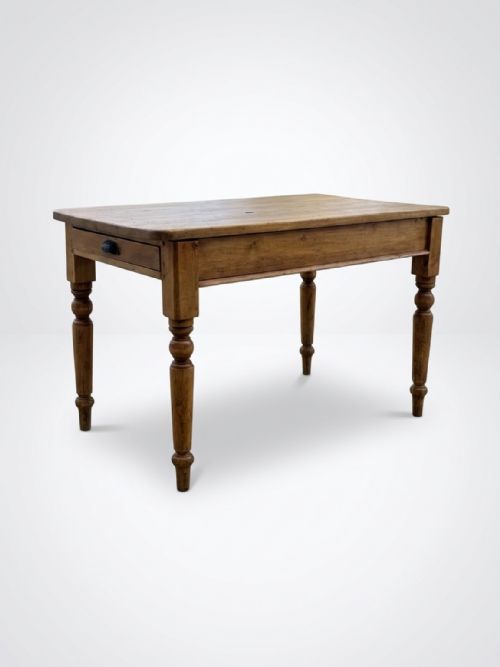
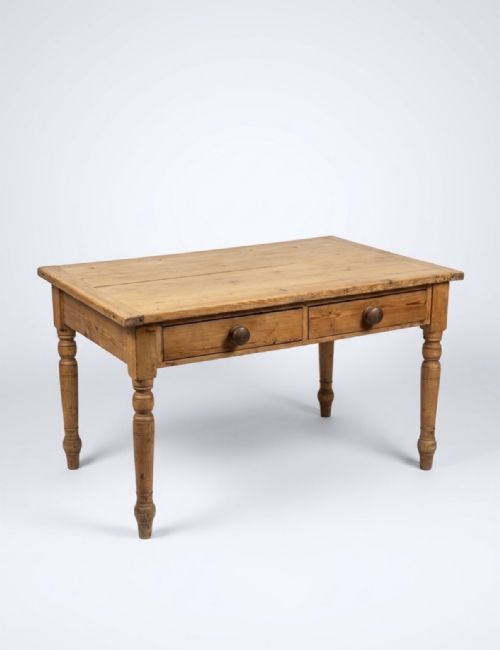
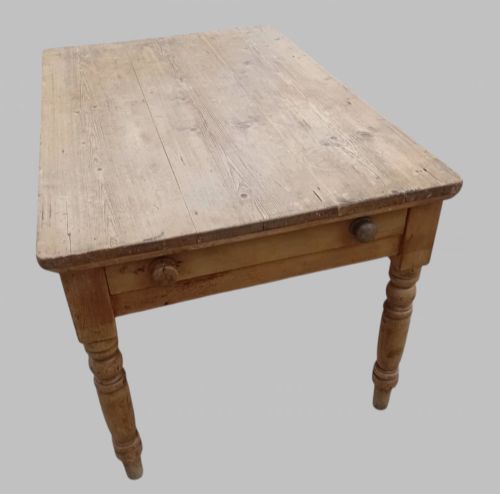
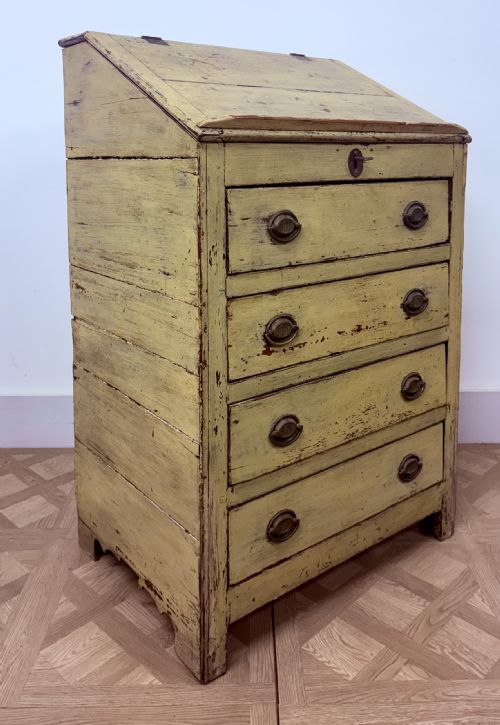
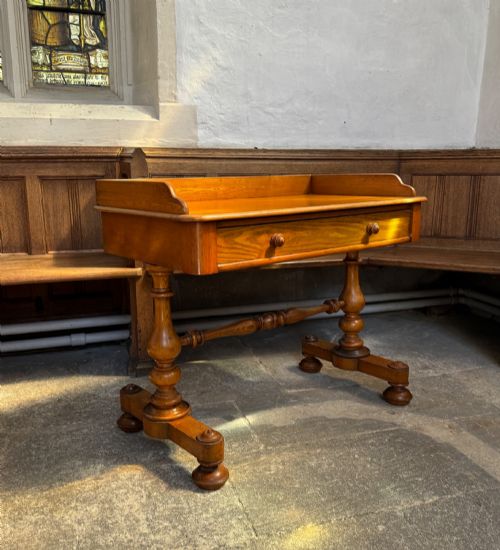
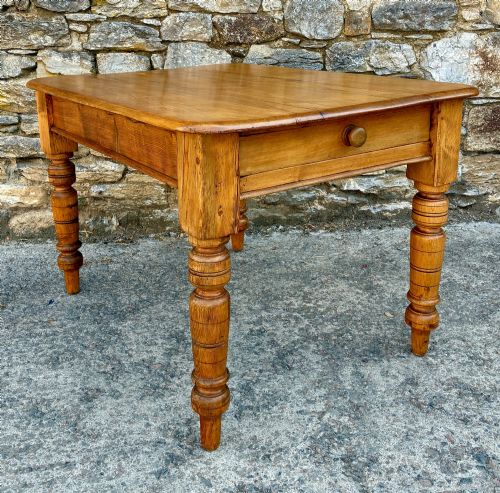
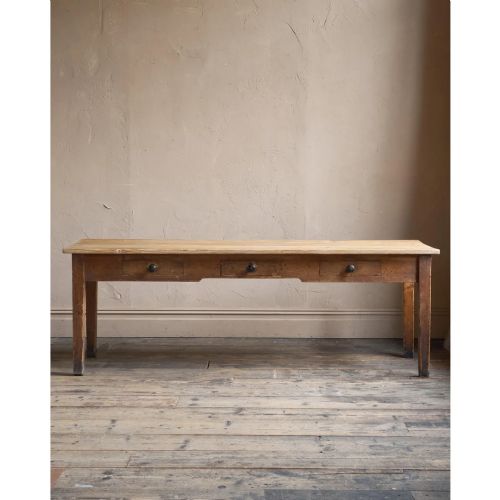
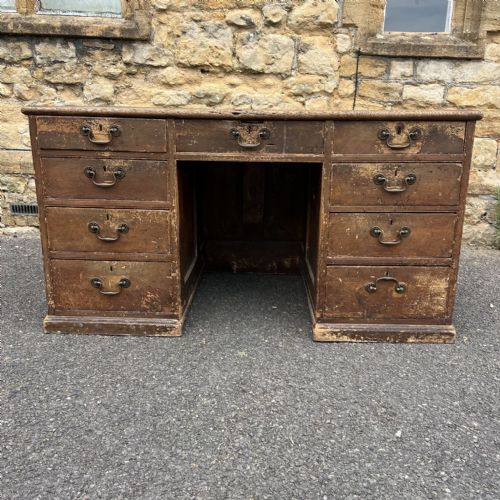
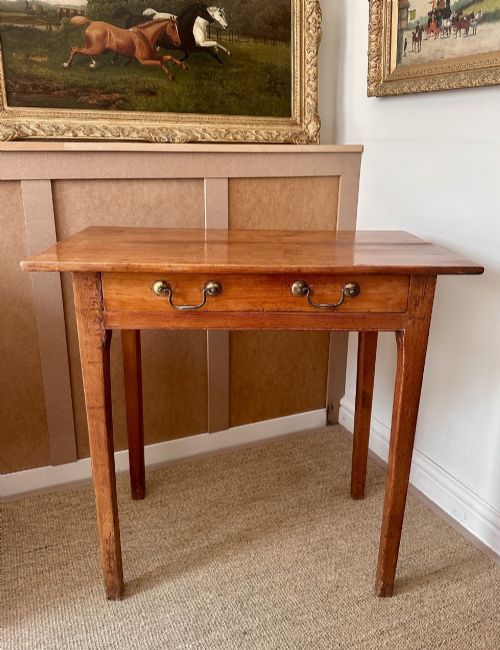
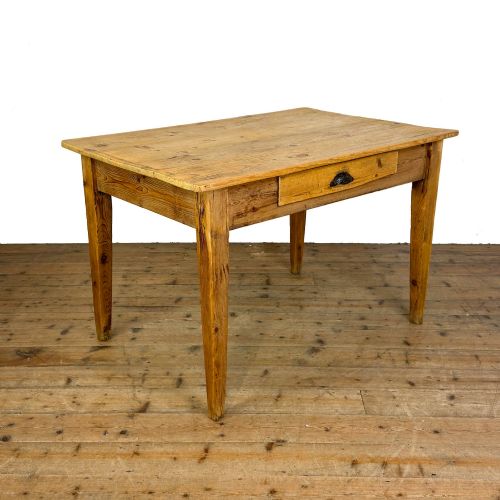
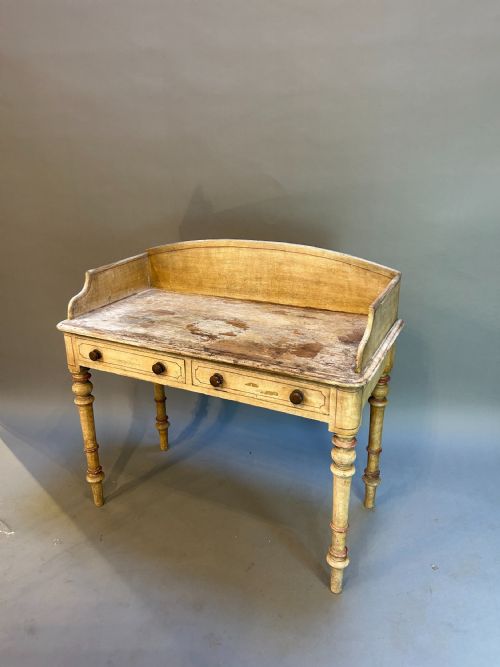
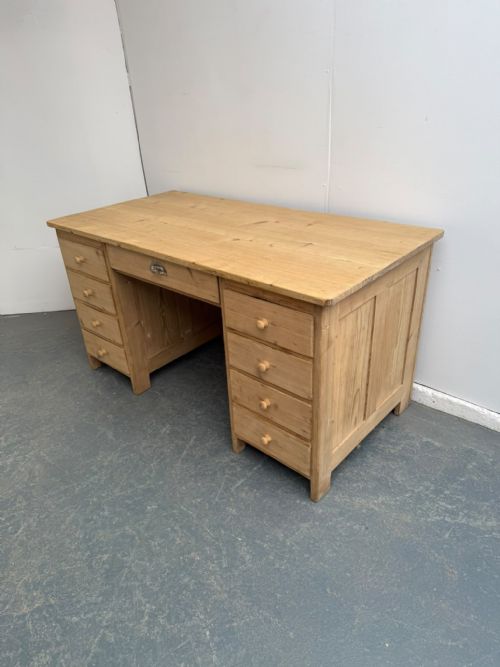
Pine Desk with Drawers
A pine desk with drawers is a practical workspace built from resilient timber, prized for its honest utility and warm grain.
What They Are
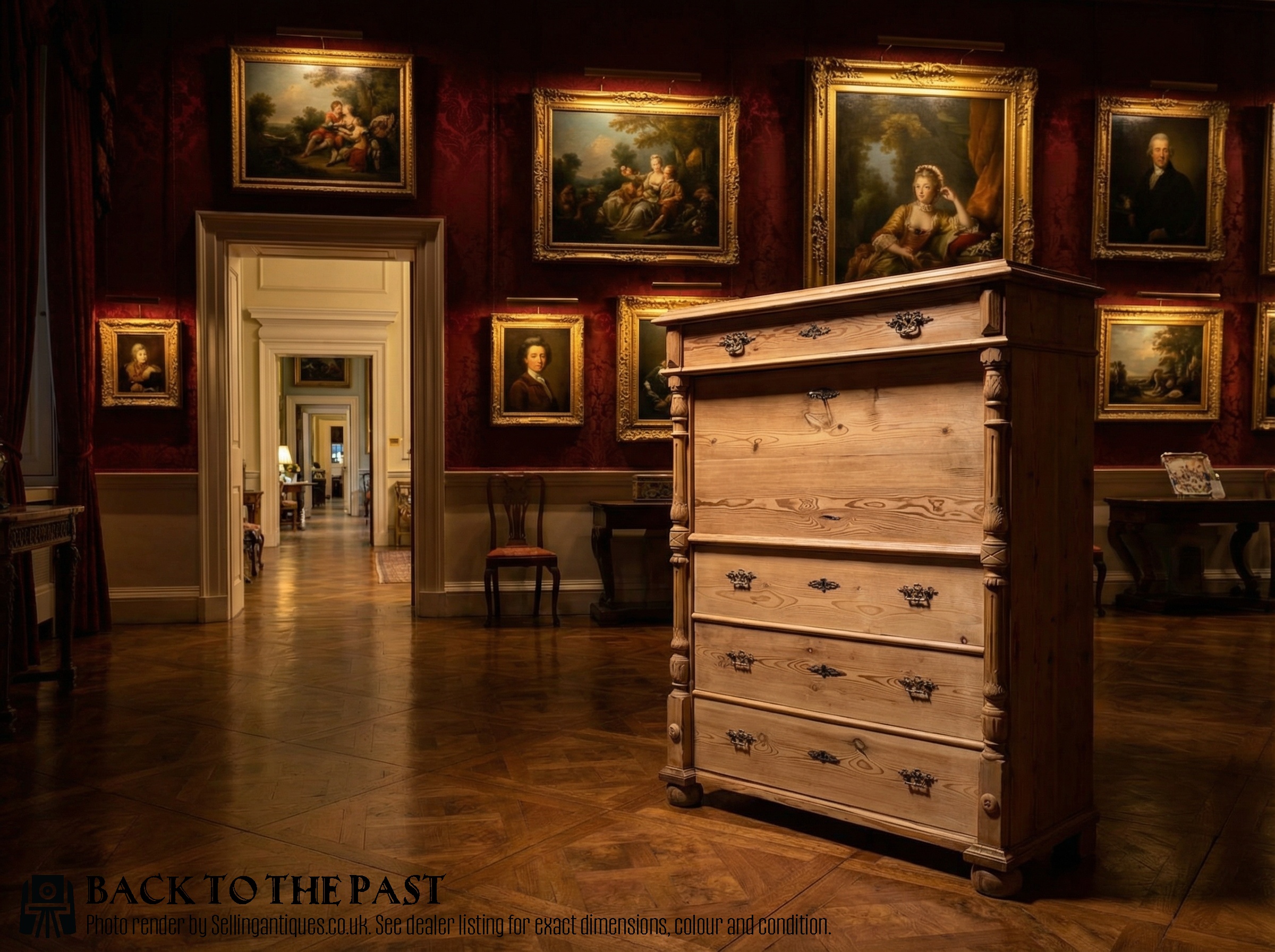
A pine desk with drawers unites functional workspace with straightforward storage in various domestic and institutional forms. Buyers searching this phrase encounter pieces dating from the Victorian and Edwardian eras, as well as the 1920s.
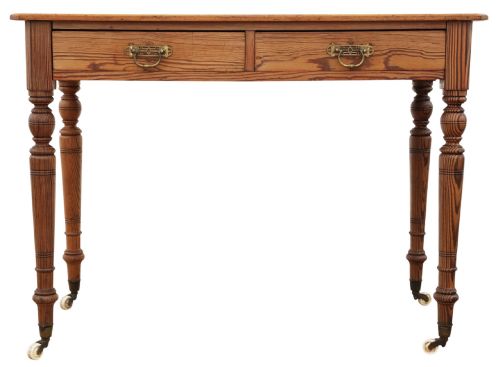
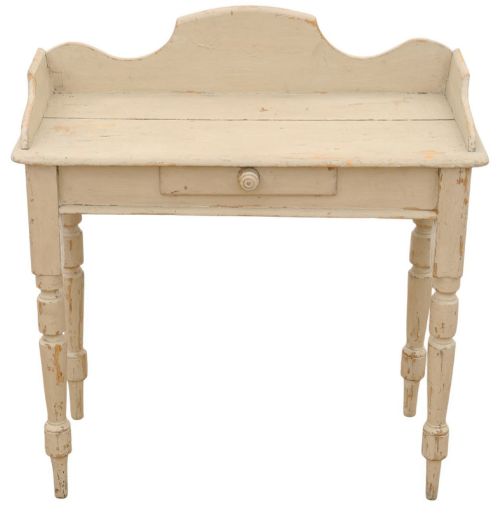
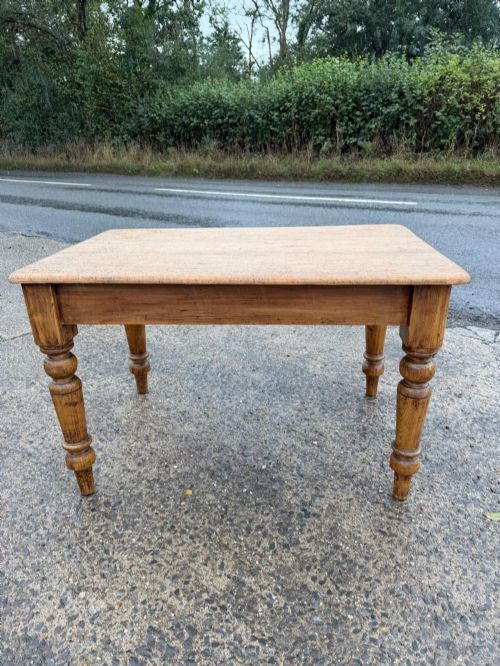
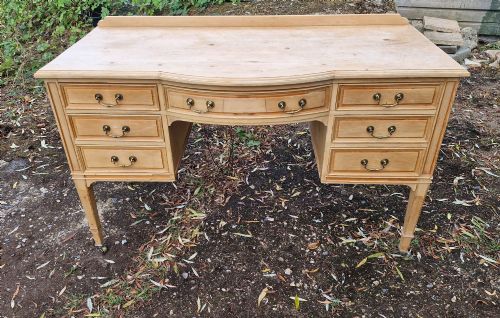
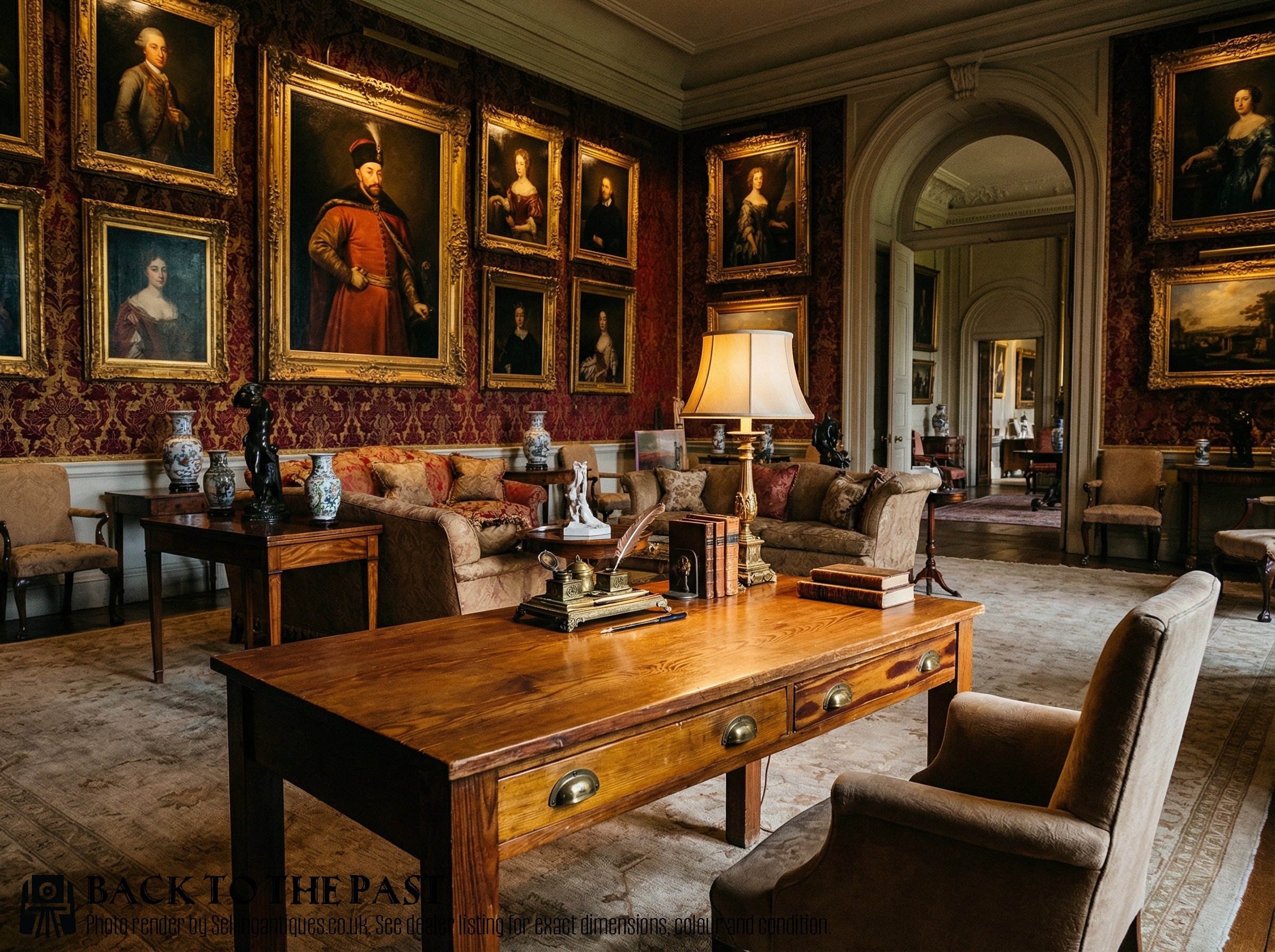
The surviving selection includes kneehole writing tables, secretaire desks with secret compartments, and school teacher writing tables. Larger library and twin-drawer writing desks also appear alongside serpentine and cupboard-fitted variants.
How They Were Made
Cabinetmakers utilised sturdy softwoods, predominantly pine and pitch pine, selected for their straight grain and workability. Surfaces were often left plain or treated with simple finishes to highlight the natural timber.
Construction methods relied on traditional joinery to support heavy daily use in offices, schools, and homes. Drawers were integrated using solid timber bases and sides, sometimes mounted on turned legs.
Hardware such as brass knobs and iron pulls were secured directly to the drawer fronts to withstand frequent opening. Secondary woods and structural supports were chosen for strength rather than display.
Retail Price Guide 2026
Typical UK retail prices for pine desk with drawers, calculated from the Sellingantiques database of over a million retail prices indexed since 2003. This retail price guide relies exclusively on Sellingantiques data; no external sources or auction records are used, so the figures do not describe the wider market.
Several desks manage to harbour secret compartments, proving that Victorian correspondence required a discreet hiding place from prying eyes.
What Varies in Quality
The distinction between ordinary and superior examples rests on the selection of timber and the ambition of the form. Dense pitch pine and figured standard pine sit above plain, utility-grade softwoods.
Complexity of design elevates certain pieces, such as those featuring serpentine fronts, integrated cupboards, or concealed secret drawers. Superior execution shows in the precision of the turned legs and the flush fit of the drawers.
Hardware choice also marks the grade, with original brass knob fittings or heavy iron mounts indicating higher status than later replacements. The overall proportion dictates whether a desk commands attention in a room.
The Pine Desk with Drawers Glossary
- Pitch pine
- A dense, resinous softwood variety known for its pronounced grain pattern and durability. It was frequently selected for heavy-duty Victorian library and writing desks.
- Secretaire
- A desk incorporating a drop-front writing flap that conceals a fitted interior of small pigeonholes and secret drawers. It combines closed storage with a functional writing surface.
- Serpentine
- A curved furniture front characterised by a convex central section flanked by concave curves. This sophisticated shaping appears on select country and formal pine desks.
- Turned legs
- Support posts shaped on a lathe to produce cylindrical, tapered, or decorative profiles. They provide structural elevation for many Victorian and Edwardian writing tables.
Frequently Asked Questions
What periods do these desks cover?
The available selection spans from the late Victorian period through the Edwardian era up to the 1920s. These dates reflect surviving examples recorded in domestic and institutional settings.
Construction styles shift slightly across these decades, moving from heavier Victorian pitch pine library tables to lighter Edwardian writing desks and school pieces.
How were these desks used originally?
They served as functional workspaces for writing, administration, and teaching in homes, schools, and offices. Drawers provided necessary storage for papers, ink, and everyday writing implements.
Some specialised forms, such as secretaire or dressing table hybrids, accommodated varied domestic tasks within a single piece of furniture.
What is pitch pine?
Pitch pine is a heavier, highly resinous variety of softwood valued for its structural strength and distinctive grain. It was commonly utilised for demanding environments like libraries and large school rooms.
This material ages to a deep amber tone, offering greater resistance to wear than standard softwoods.
Are the brass knobs original?
Hardware varies across the inventory, with many pieces retaining period brass knobs or iron pulls. Original fittings show matching patination and wear consistent with the age of the timber.
Replacement handles occasionally appear on restored examples, reflecting generations of active domestic use.