
Pine Cupboard Cabinet
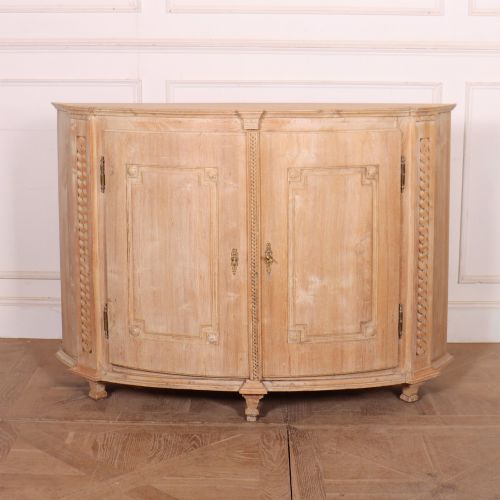
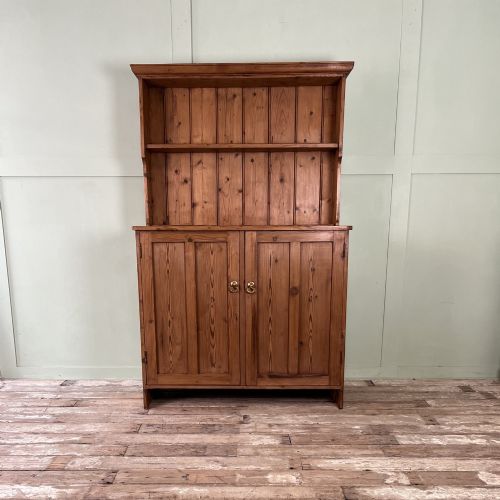
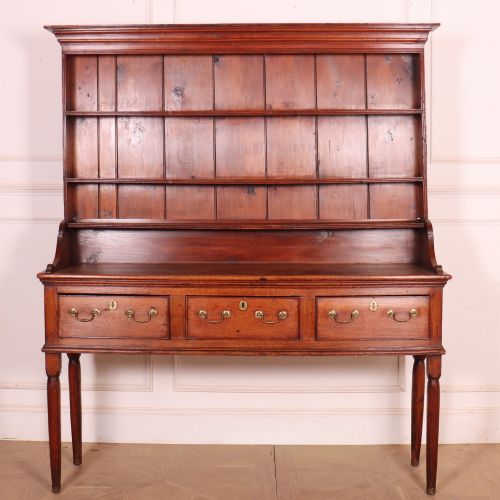
These pine cupboard cabinet examples offer robust utilitarian storage rooted in centuries of vernacular domestic life.
Pine Cupboard Cabinet
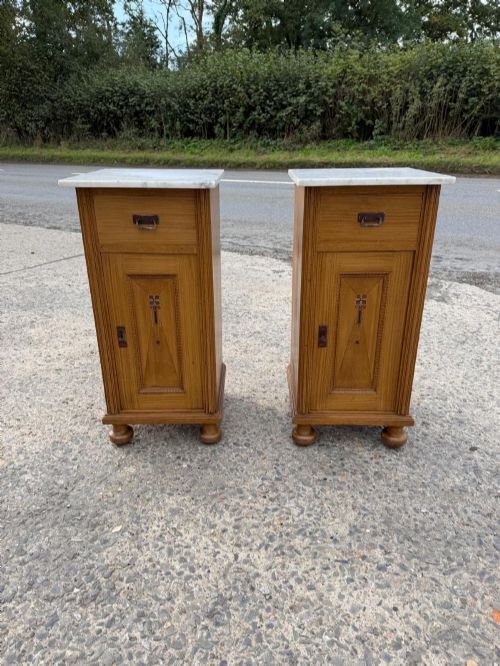
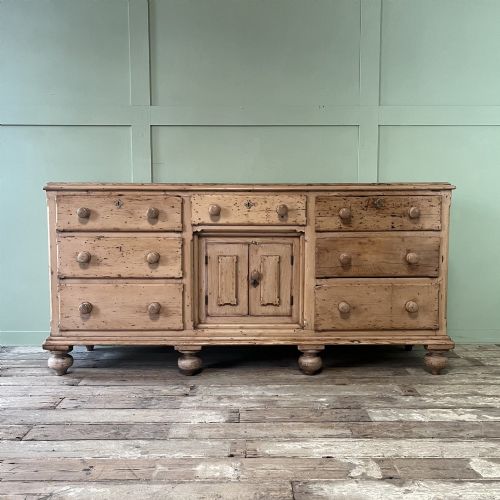
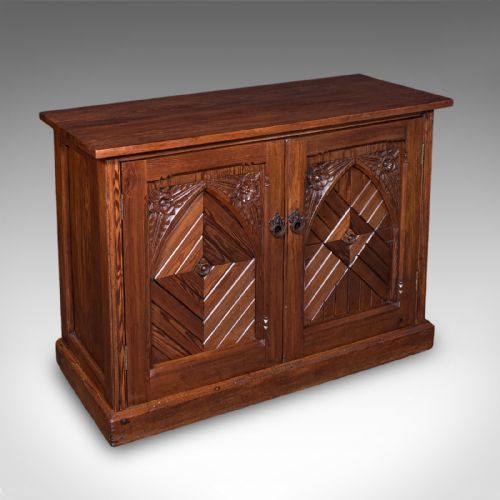
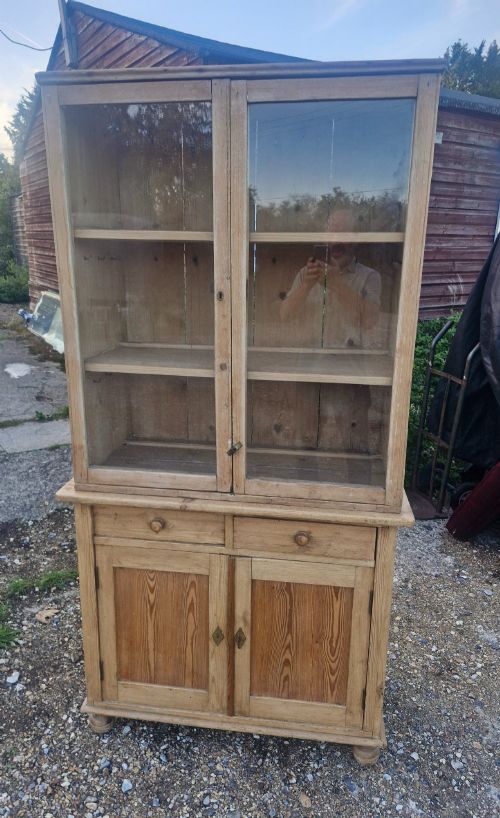
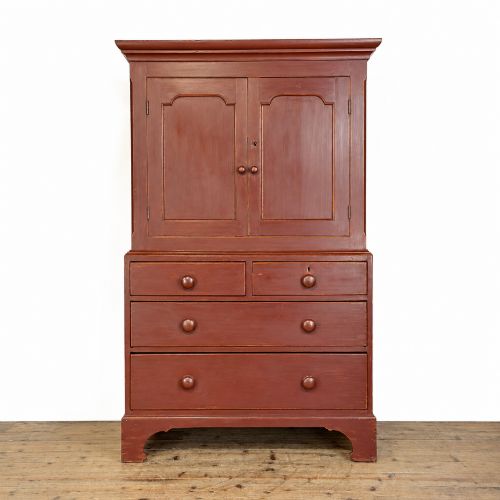
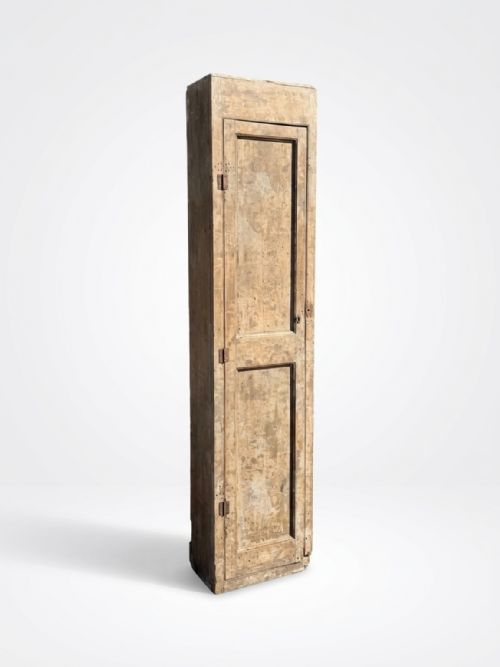
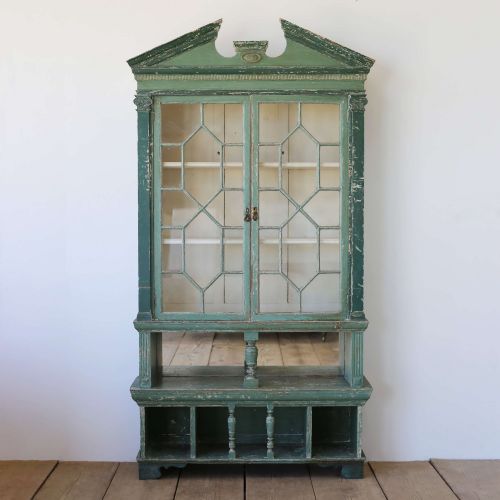
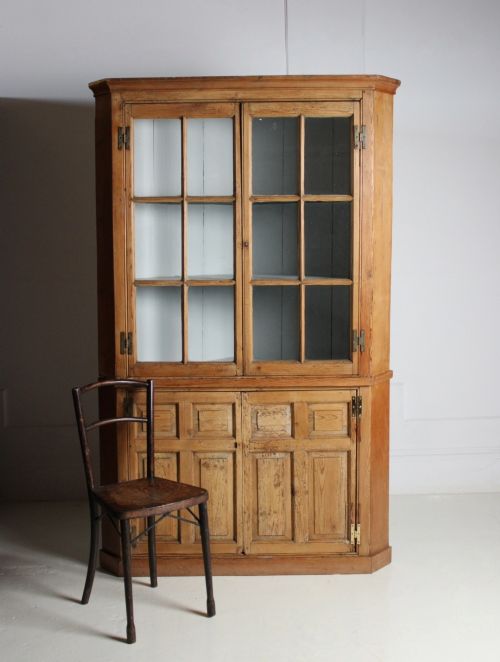
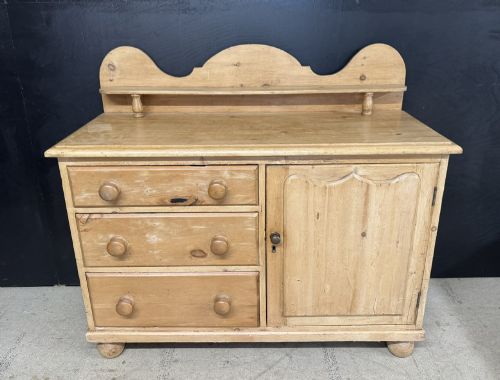
A pine cupboard cabinet serves as a foundational storage piece for domestic interiors, ranging from tall housekeeper's cupboards to compact bedside cabinets. When searching for a pine cupboard cabinet, buyers encounter diverse regional forms spanning Georgian townhouses to Victorian farmhouses. The selection on this page demonstrates how these practical storage items adapted to kitchens, larders, and hallways over successive generations.
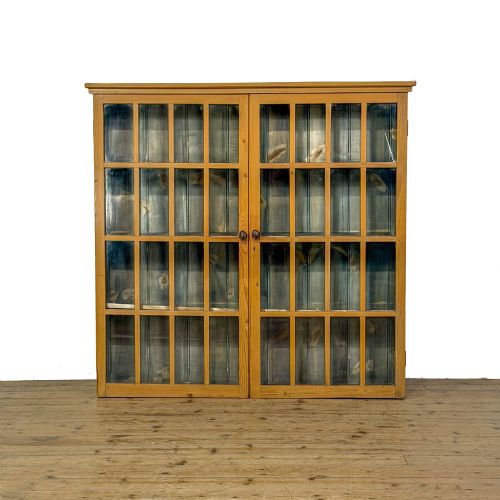
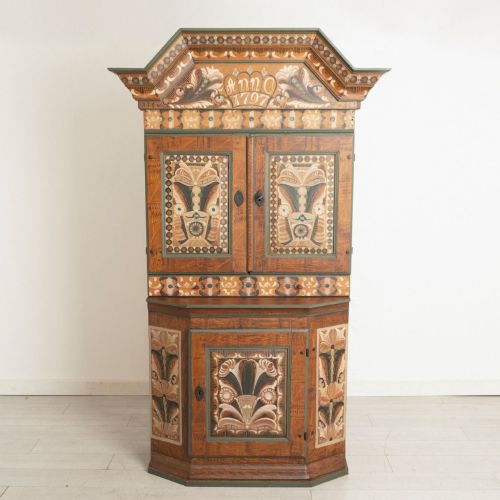
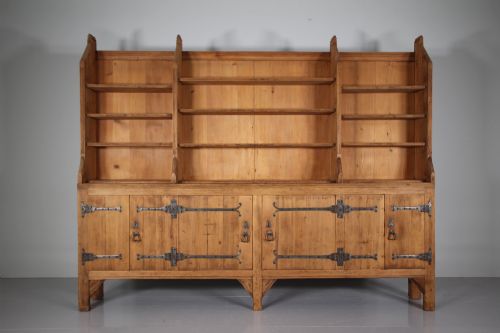
The prevalent formats include two-part kitchen cupboards, glazed display cabinets, and multi-drawer banks originating from British, French, and Swedish workshops. Period pieces range from late eighteenth-century painted country furniture to early twentieth-century pitch pine utilities. Each pine cupboard cabinet reflects the specific storage demands of its era, whether holding kitchen provisions, linens, or books.
What varies in quality
The integrity of construction separates standard utility pieces from finer examples, particularly in the thickness of the pine boards and the precision of the joinery. Cabinets retaining original hardware, untouched painted surfaces, or specific regional characteristics command greater interest than heavily altered pieces. Proportion and scale also dictate quality, as taller housekeeper's cupboards and glazed bookcases require balanced architecture to remain visually appealing.
The degree of original preservation defines the upper tier of the market, where untouched paint or genuine period glass remains intact. Whilst many country pieces underwent subsequent stripping or repainting to suit changing tastes, those retaining their initial finish demonstrate superior historical authenticity. Structural soundness in internal shelving and drawer runners further distinguishes robust craftsmanship from simpler domestic items.
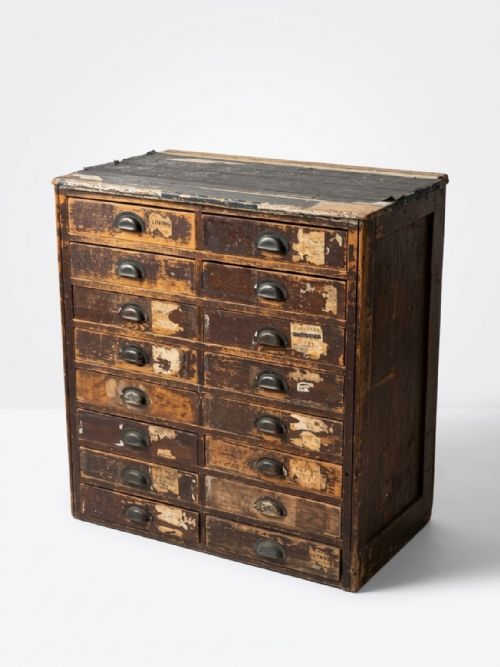
One twenty-five-drawer bank carried a direct provenance from Luxmore's of Ilfracombe, proving that even shop counters needed massive storage.
The Pine Cupboard Cabinet Glossary
- Pitch pine
- A dense, resinous softwood utilised for robust Victorian furniture and industrial storage. It offers greater weight and durability than standard white pine.
- Housekeeper's cupboard
- A large, tall storage piece traditionally used in substantial homes for linens and dry goods. These usually feature upper shelving enclosed by doors above a lower chest of drawers.
- Bonnet top
- An arched or domed upper cornice found on tall cabinets and bookcases. This stylistic flourish elevates simple country furniture towards more refined cabinet-making.
- Knockdown
- A piece of furniture designed to be dismantled into modular sections for ease of transport. This construction method was especially common for large wardrobes and two-part kitchen dressers.
- Godwinesque
- A Victorian design style influenced by Anglo-Japanese aesthetics and clean geometric lines. Pieces in this manner display lighter framing and architectural restraint.
Pine Cupboard Cabinet: Frequently Asked Questions
How do I date an old pine cupboard?
Dating relies on examining construction methods, hardware types, and timber characteristics. Hand-cut joints, original hand-blown glass, and forged iron hinges typically indicate eighteenth or nineteenth-century origin.
Later Victorian and early twentieth-century examples often incorporate machine-sawn boards, standardised brass fittings, and pitch pine. Comparing the carcass construction against known stylistic periods helps narrow the manufacturing window.
Where were these cabinets used?
These pieces served utilitarian functions throughout the home, primarily in kitchens, larders, and sculleries for food and utensil storage. Larger housekeeper's cupboards lived in back hallways or linen rooms.
Finer glazed variants occasionally stood in parlours or libraries to display books and china. Schoolrooms and shops also utilised specialised multi-drawer banks and wall cupboards for daily administration.
How do I care for a painted pine cabinet?
Maintenance requires avoiding excessive moisture and direct sunlight to protect fragile historic paint surfaces or wax finishes. Dusting with a dry, soft cloth prevents particulate buildup without harming the soft wood.
Avoid modern chemical polishes that can degrade original painted or waxed patinas. Maintaining stable room humidity prevents the pine boards from splitting or warping over time.
What is the difference between a dresser and a cupboard?
A cupboard primarily encloses storage space behind solid or glazed doors, focusing on concealed shelving. Dressers traditionally combine an open plate rack or upper cabinet with a lower base section of drawers and cupboards.
Kitchen dressers were designed for displaying ceramics whilst keeping everyday provisions close to hand. Cupboards offered more secure, dust-free containment for linens, provisions, or books.