

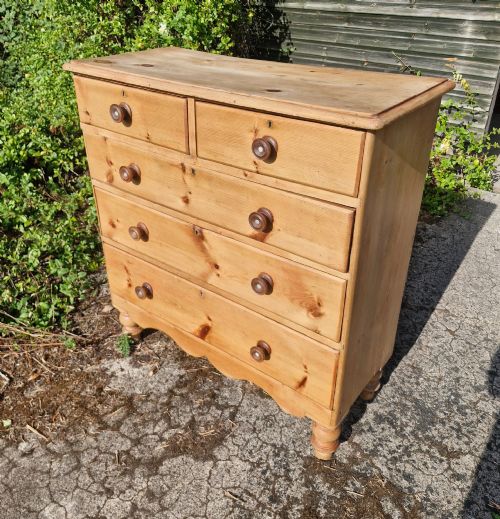
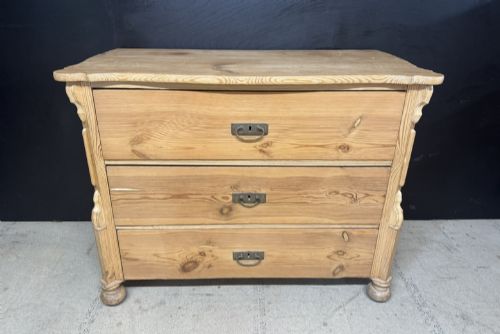
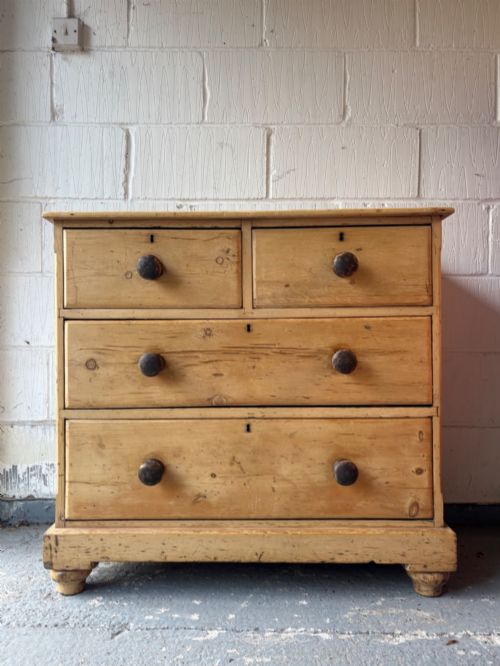
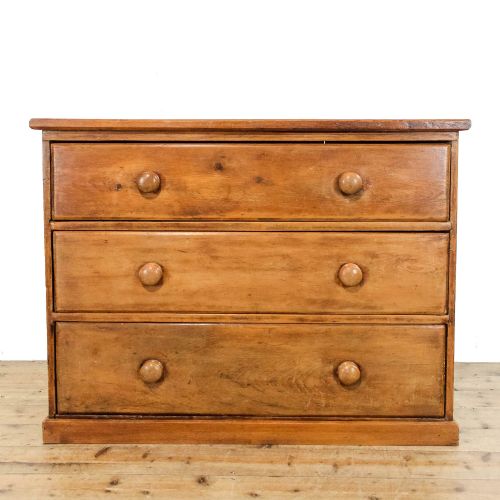

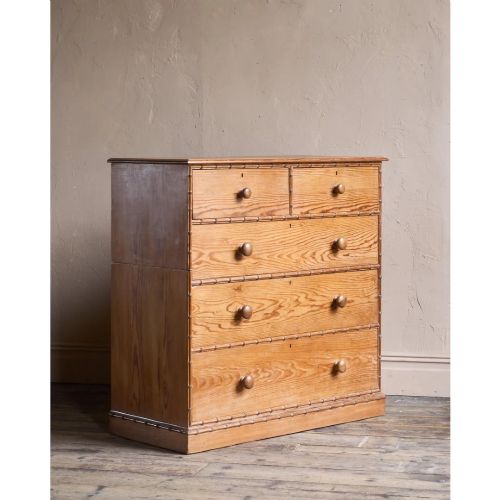
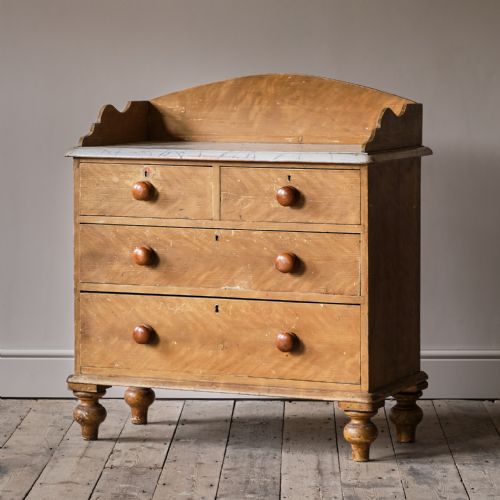
Pine Commode Chest
These pine commode chest pieces offer honest storage and domestic utility, shaped by nineteenth-century vernacular makers across Britain and Europe.
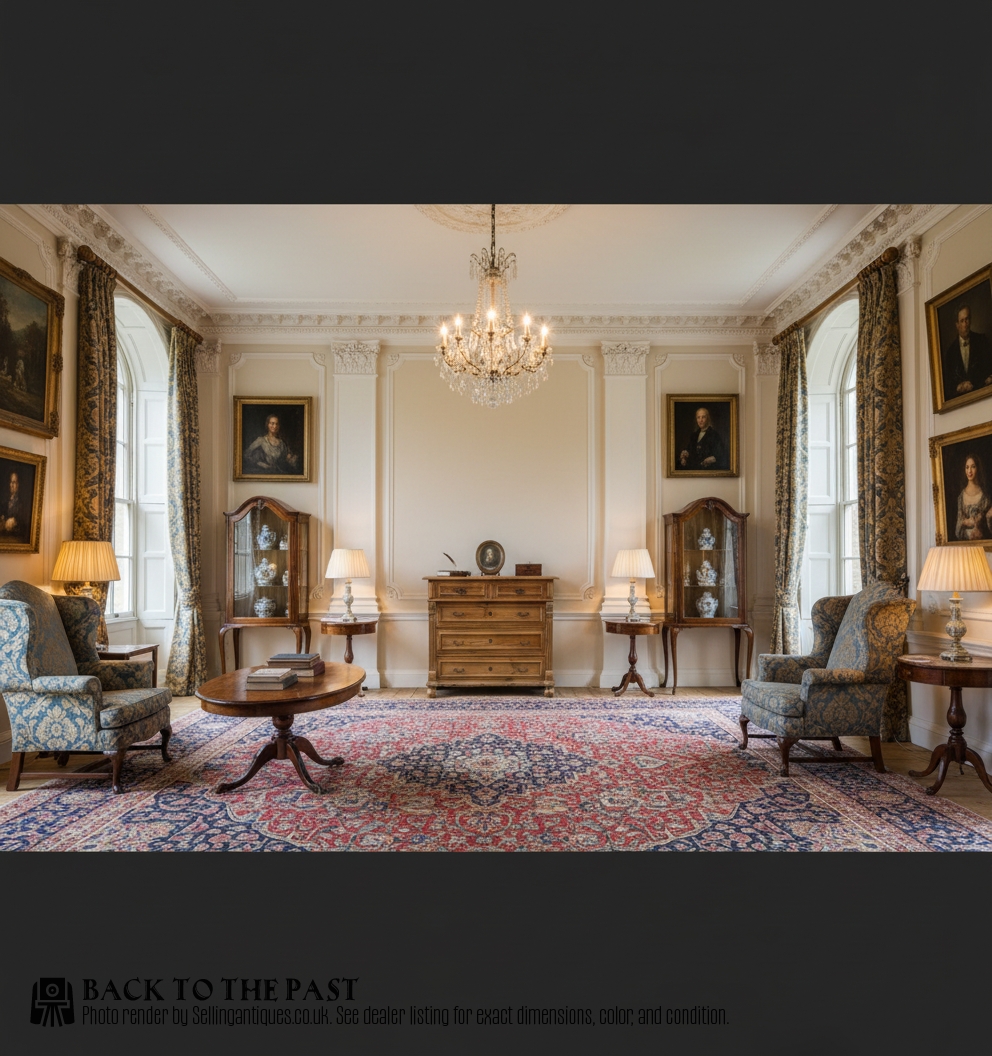
Pine Commode Chest
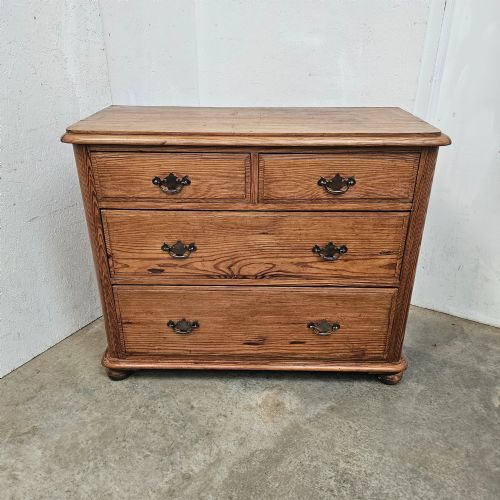
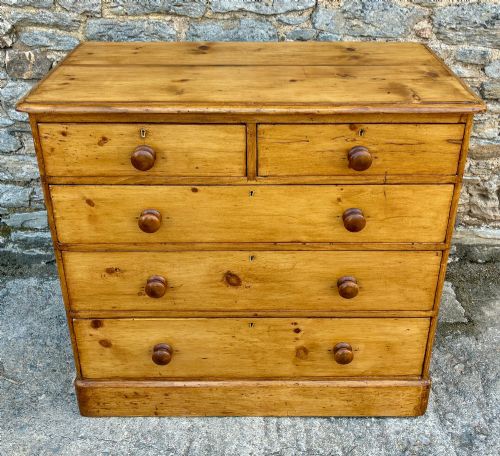
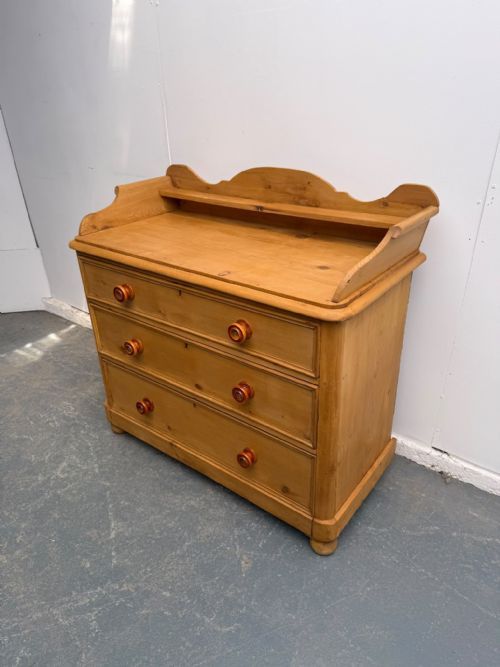
A pine commode chest serves as a practical storage unit with horizontal drawers, originating in various regional workshops. You encounter these primarily in Victorian forms, alongside Edwardian, Georgian, and nineteenth-century continental examples.
Materials and construction
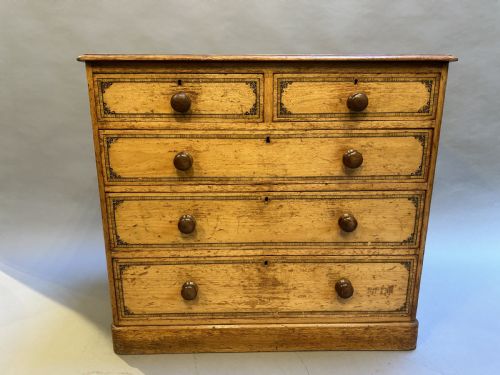
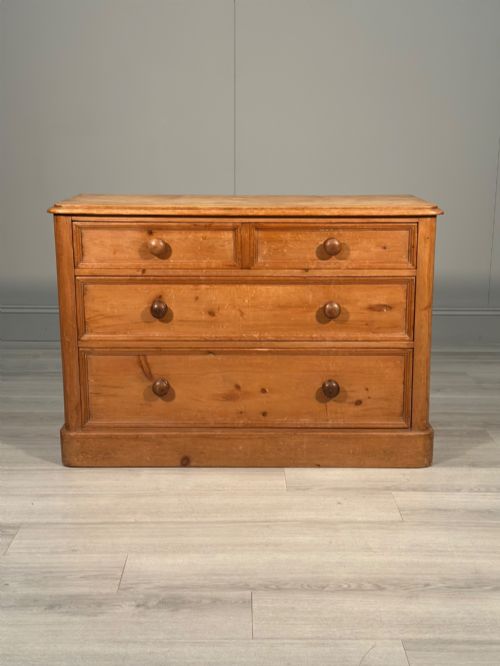
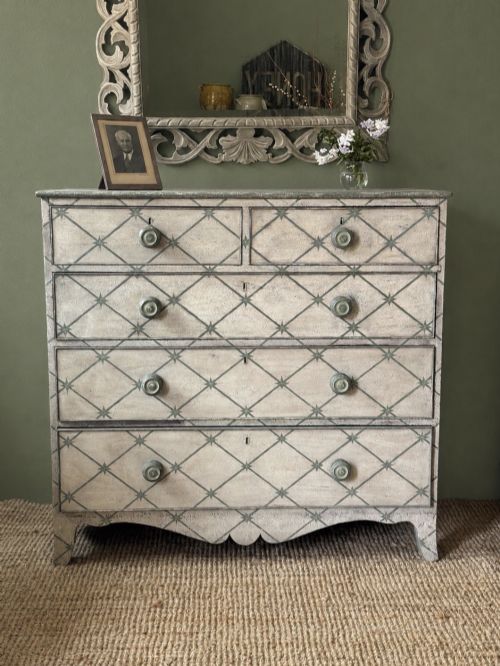
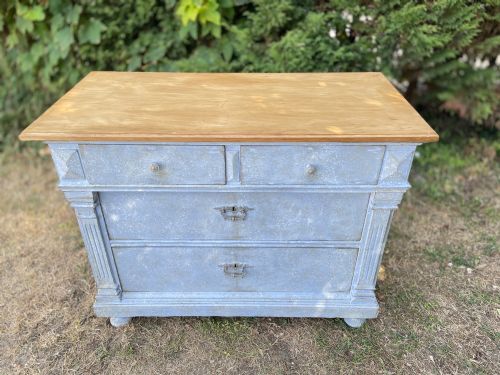
Construction relies primarily on pine and pitch pine, often worked with hand tools in local joinery shops. Surfaces are frequently finished with clear wax or treated with decorative paint schemes.
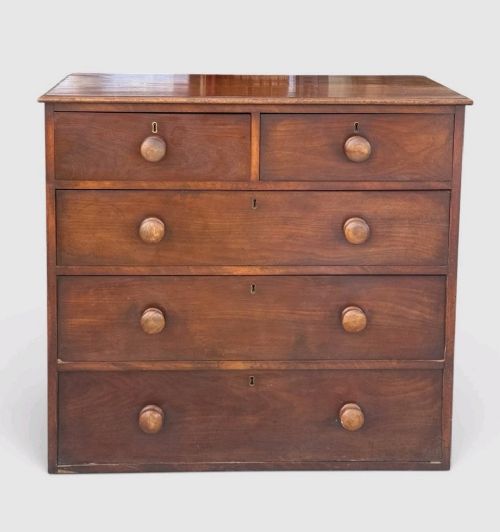
Hardware typically includes brass pulls, ceramic elements, or turned wood bun handles. Drawer fronts occasionally incorporate moulded details, diamond-point panels, or fluted carvings.
Listings include pieces built from standard pine, pitch pine, and painted wood, dating from the Georgian era through to Edwardian times.
Judging quality and character
Quality rests in the integrity of the timber and the preservation of original surface treatments. Pieces retaining their early paintwork or scumble hold distinct character compared to those stripped down later.
Proportion and regional joinery details separate standard utilitarian boxes from finer vernacular items. Well-executed drawer construction and balanced proportions define the better examples.
The Pine Commode Chest Glossary
- Commode
- A low chest of drawers or cabinet used for domestic storage. The term often applies to continental pieces with decorative fronts.
- Scumble
- A translucent layer of dark paint applied over a lighter base colour to simulate wood grain. This finish appears frequently on nineteenth-century vernacular furniture.
- Pitch Pine
- A dense, resinous softwood used for sturdy nineteenth-century furniture. It yields a prominent grain pattern when polished or waxed.
- Bun Handle
- A small, rounded wooden knob attached to drawer fronts. These turnings are common on Victorian chests.
- Gustavian
- The Swedish interpretation of neoclassical design, characterised by pale painted surfaces and restrained ornamentation. Pieces from this tradition often feature carved fluting.
Pine Commode Chest: Frequently Asked Questions
Where were these chests made?
Makers across Britain, Ireland, France, Sweden, and Hungary produced these pieces for domestic interiors. Regional styles developed distinct joinery methods and painted finishes depending on local traditions.
English and Irish workshops favoured waxed or scrubbed pine surfaces, while continental makers frequently employed decorative paintwork.
How do I care for a waxed pine chest?
Maintain waxed surfaces by applying a traditional beeswax polish sparingly and buffing with a soft cloth. Keep the timber away from direct heat sources and strong sunlight to prevent splitting.
Avoid using harsh household cleaners or excessive water on antique wood finishes.
Are painted finishes original?
Many pieces retain their original scumble glaze, regional paint, or early layers of pigment. Close inspection reveals natural wear and age patination beneath the surface colour.
Scrubbed or stripped examples show the raw timber grain where later owners removed the original coatings.
What is the difference between a chest and a commode?
English examples are generally designated as chests of drawers, built for straightforward bedroom storage. Continental pieces often take the name commode and frequently feature shaped fronts or decorative carving.
Both forms serve the same practical function of holding folded garments and household linens.