


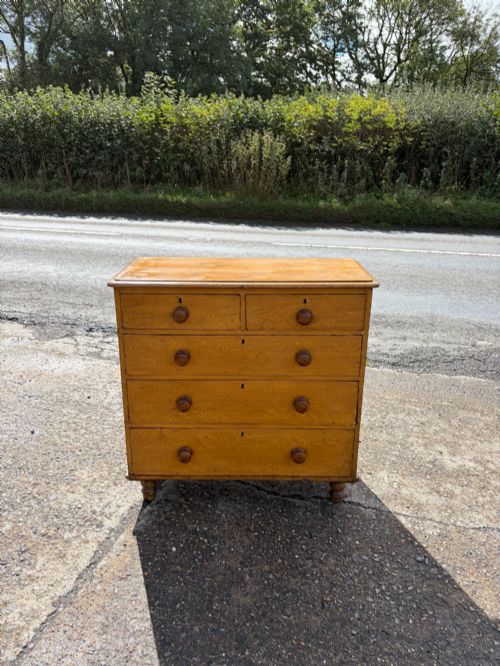
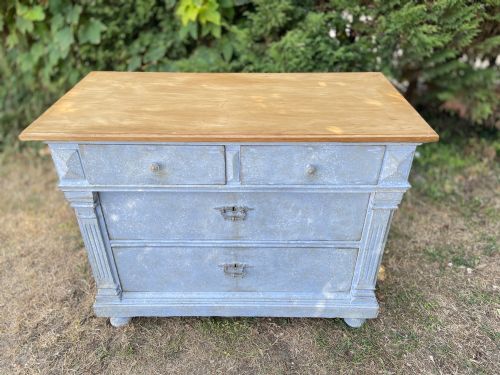


Pine and Oak Dresser
A pine and oak dresser is a hardworking country storage piece that brings honest timber grain and open plate display to a kitchen.
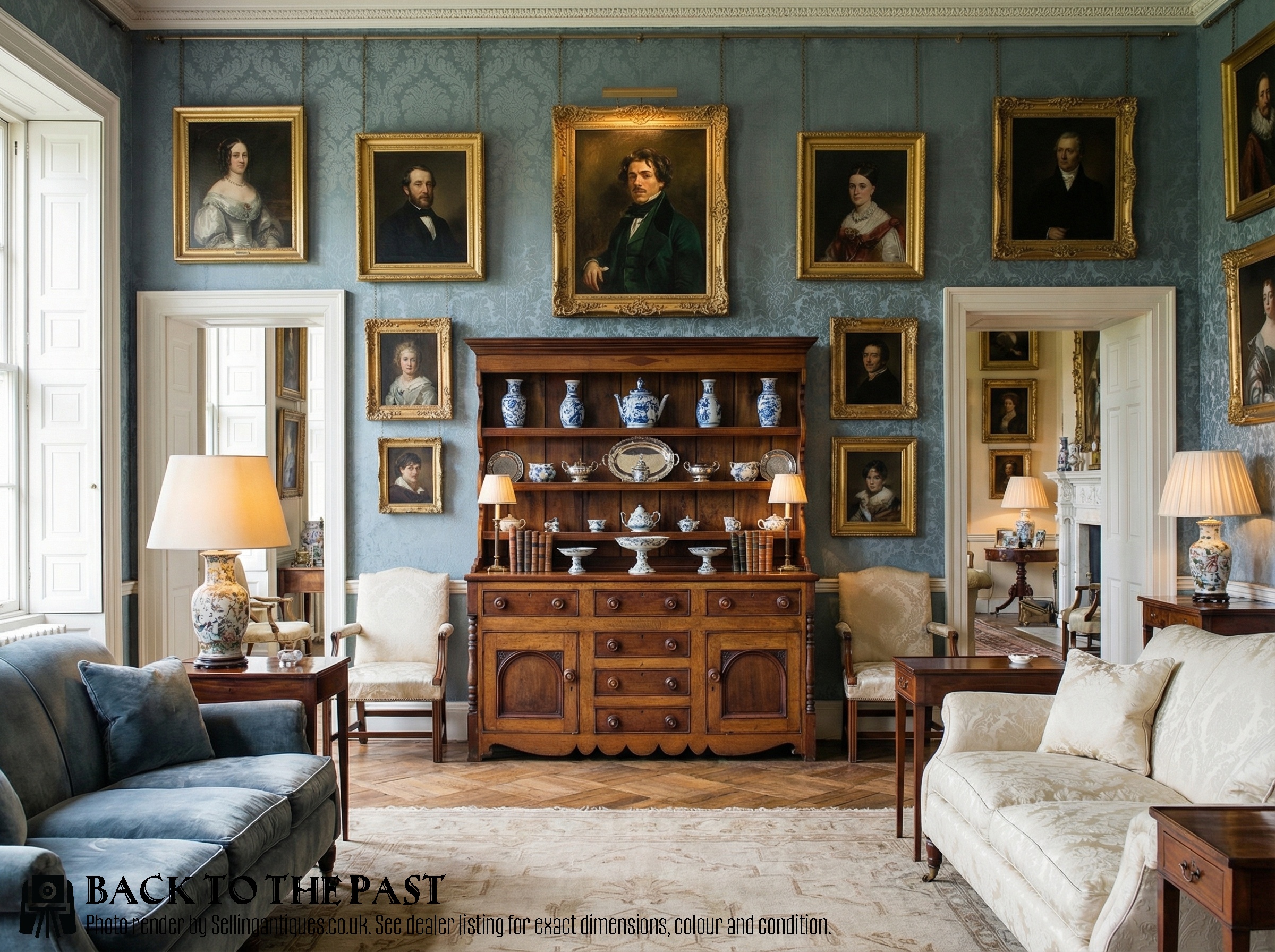
Pine and Oak Dresser
When you search for a pine and oak dresser, you are looking at substantial regional furniture built for display and storage in traditional homes. These practical pieces combine sturdy hardwood frames with softer secondary timbers, appearing across various vernacular traditions.
The versions you are most likely to meet on this page range from eighteenth-century English and Welsh pot board designs to nineteenth-century vernacular examples. They often pair oak structural elements with pine carcass boards, creating a robust hybrid construction.
Forms span from open plate racks mounted above deep base cupboards to low dresser bases and breakfront chests. Regional workshops produced distinct local variations, including West Country and Welsh vernacular pieces with characteristic drawer configurations.
How they were made
Maker-joiners built these items using solid native hardwoods and softwoods, frequently joining oak for structural integrity with pine for panels and internal carcases. Brass hardware and occasional metal fittings provided functional handles and escutcheons for doors and drawers.
Many historical surfaces retain traces of early paint or a painted finish, applied either originally or during subsequent decades of domestic use. Construction methods relied on traditional frame and panel joinery, hand-cut dovetails for drawers, and pegged joints to secure the heavy framework.
Pine and Oak Dresser Retail Price Guide 2026
Typical asking prices for pine and oak dresser among the pieces listed under this phrase on Sellingantiques today, from the lower quarter to the upper quarter. They describe what is for sale here now, not the wider market.
Listings span from the eighteenth century through the Victorian era to nineteen-ten, demonstrating centuries of regional cabinetmaking.
What varies in quality
The distinction between ordinary and exceptional pieces lies in the proportion of the proportions, the integrity of the timber, and the restraint of subsequent surface alterations. Superior examples retain their original structural timber without extensive board replacement in the top or base.
Refined architectural details, such as breakfront drawer arrangements, Corinthian columns, or well-proportioned plate racks, separate ambitious regional workshop production from basic utility furniture. The harmony between the oak base and any associated plate rack also dictates the visual success of the whole composition.
The Pine and Oak Dresser Glossary
- Pot board
- A low slatted or solid shelf positioned near the floor between the lower legs of a dresser, historically used for storing heavy pots and pans. This lower tier provides structural stability to the entire base frame.
- Breakfront
- A piece of furniture featuring a central section that projects forward from the flanking outer sections. This architectural arrangement creates a dynamic facade on larger dresser bases and sideboards.
- Delft rack
- An open shelving superstructure mounted above a dresser base, featuring horizontal plate grooves and retaining rails. It displays ceramic plates and platters safely against the wall.
- Vernacular furniture
- Domestic pieces built by local tradesmen using regional traditions and available native timbers rather than following strict metropolitan design books. These items reflect the specific utility needs of their local communities.
Pine and Oak Dresser: Frequently Asked Questions
Are pine and oak used together in the same piece?
Yes, cabinetmakers frequently combined timbers according to function and cost, using durable oak for structural frames and tops while employing softer pine for drawer linings and internal panels.
This hybrid method kept heavy furniture serviceable while balancing the expenditure on materials in regional workshops.
What is the difference between a dresser base and a full dresser?
A full dresser combines a lower storage cabinet with an upper plate rack for displaying ceramics, whereas a dresser base consists solely of the lower chest or sideboard portion.
Dresser bases offer a lower profile suitable for rooms with restricted wall space or where open wall display is not desired.
Where were regional country dressers made?
Regional pieces originated in various rural districts and coastal areas, with distinct styles developing in Wales, the West Country, and across English provincial workshops.
Local cabinetmakers adapted standard storage forms to suit the specific domestic habits and spatial layouts of local households.
How do I care for an antique timber dresser?
Maintain historical wooden surfaces by keeping them away from direct heat sources and sudden humidity shifts that can cause timber to split or warp. Regular dusting with a dry cloth and occasional application of appropriate natural wax preserves the finish without building up heavy residues.