


Georgian Oak Kitchen Sideboard
A georgian oak kitchen sideboard brings regional vernacular character and sturdy timber utility into a modern room.
Georgian Oak Kitchen Sideboard
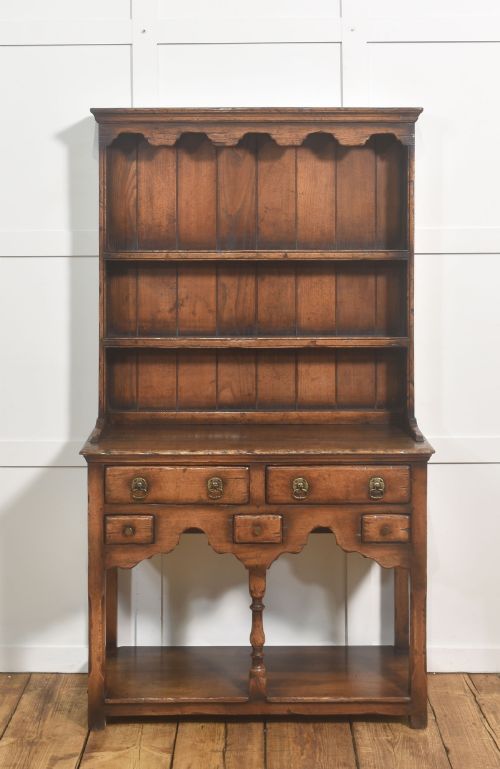
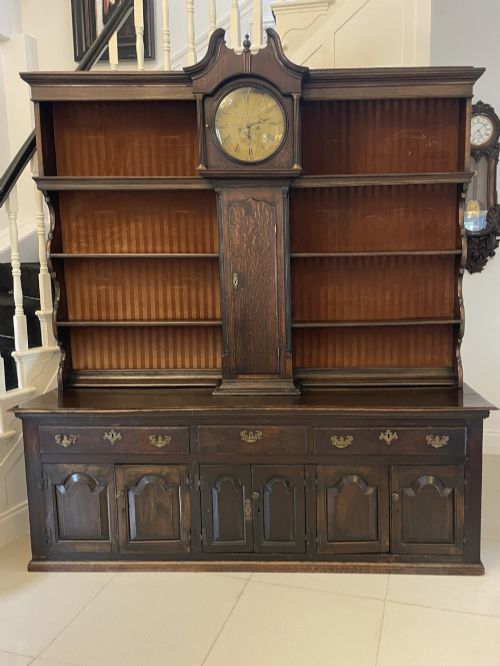
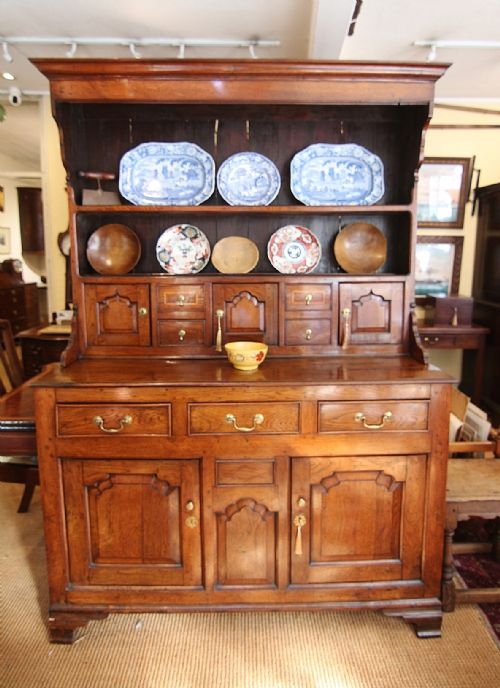
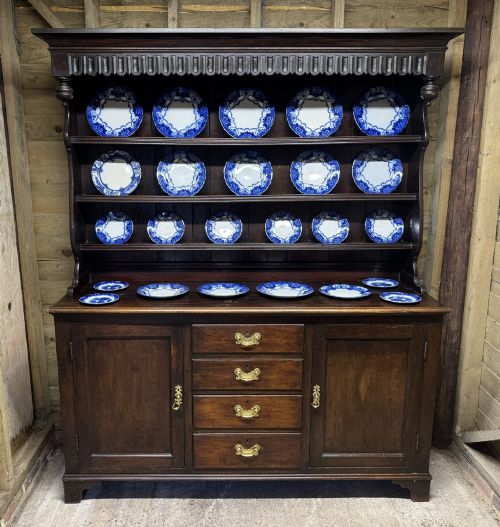
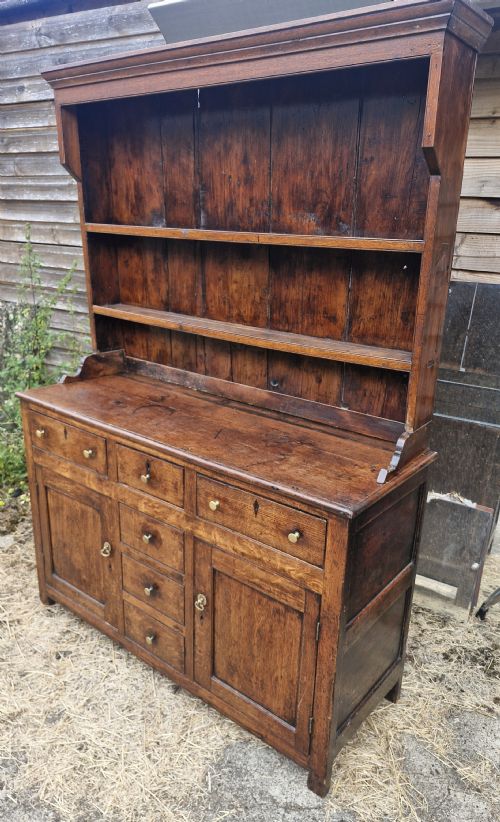
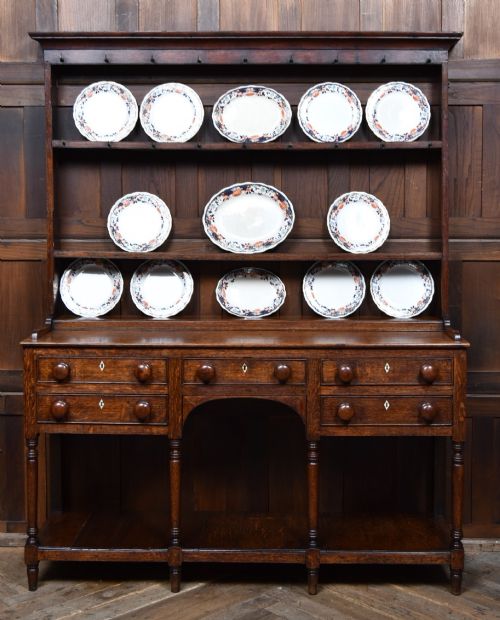
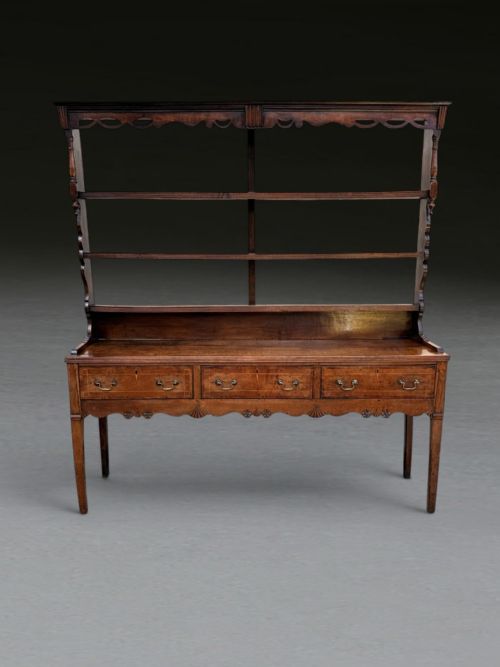
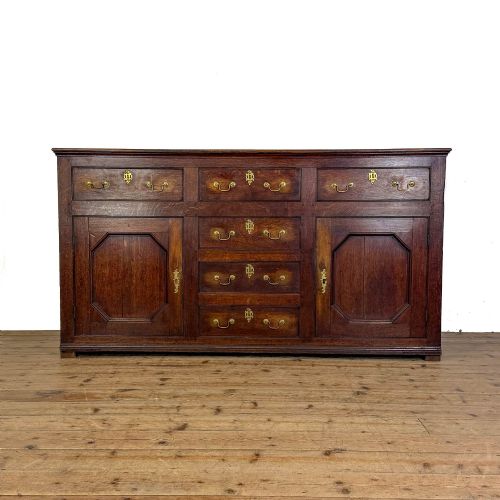
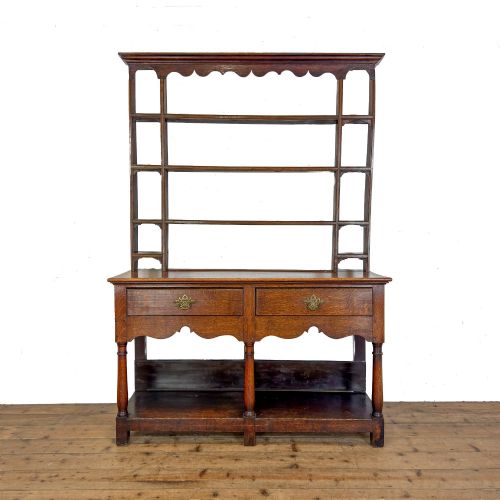
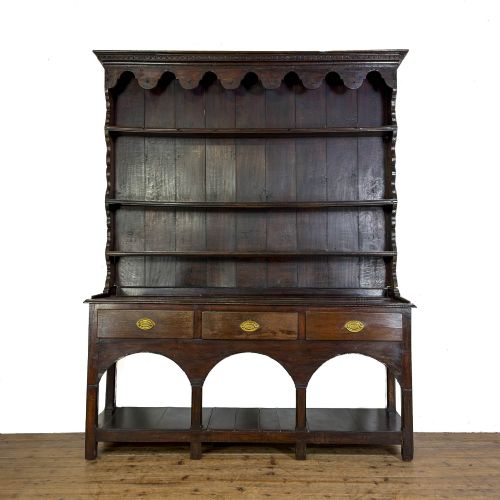
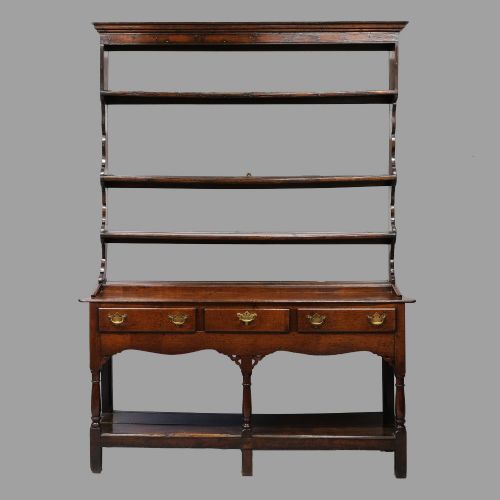
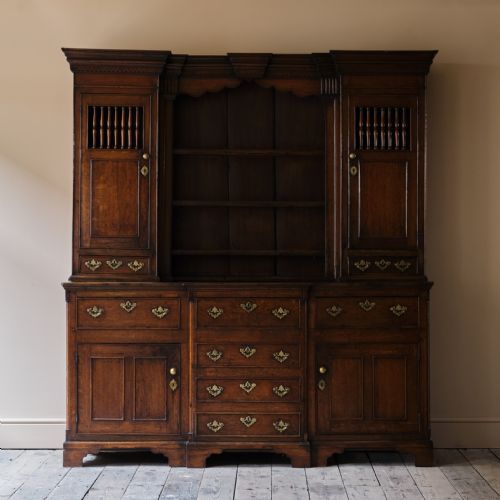
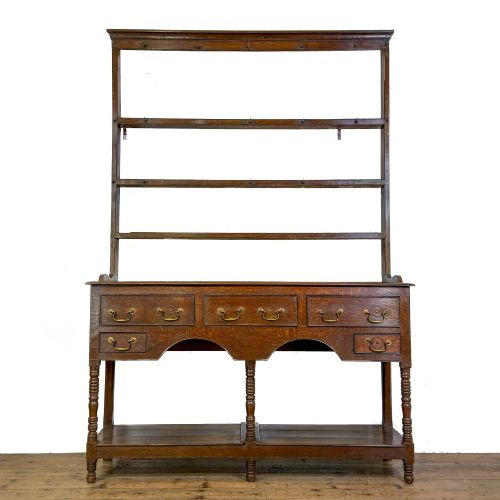
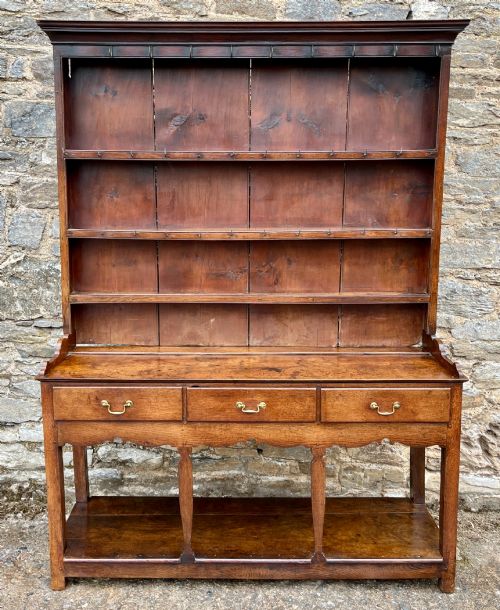
When searching for a georgian oak kitchen sideboard, buyers encounter a variety of forms including potboard dresser bases, open-backed plate rack dressers, and enclosed cottage dressers. These functional pieces originated in domestic spaces to store crockery and food, spanning periods from the eighteenth century through to the nineteenth century.
The regional origins of these items are visible in styles from English country workshops to Welsh vernacular traditions. Pieces range from simple dresser bases without upper racks to tall compositions incorporating integrated shelving and longcase clocks.
Judging the Standard
Quality in these domestic items is dictated by the proportion of the timber, the subtlety of regional moulding profiles, and the integrity of the original hardware. Pieces featuring integrated potboards and well-balanced plate racks demonstrate higher craftsmanship than utilitarian variations.
The refinement of the drawer construction and the complexity of regional decorative elements distinguish standard provincial work from finer George III productions. Surface depth and untouched timber patination heavily influence the desirability of a piece.
Bread and cheese cupboards built into specific Welsh dresser bases ensured perishable snacks stayed safe from household mice.
The Georgian Oak Kitchen Sideboard Glossary
- Potboard dresser base
- A sideboard featuring a low open slatted shelf beneath the main surface, originally designed for storing heavy pots and dishes. This platform sits just above the floor on short feet or stiles.
- Plate rack
- An upper wooden shelving structure attached to a dresser base, featuring grooves and rails to display plates upright. They range from simple open-backed frameworks to elaborate multi-tiered displays.
- Belly rack
- A regional dresser variant featuring an undulating or bulging central section in the base cabinetry. This design allowed for greater storage capacity in the lower drawers.
- Vernacular
- Furniture built by local rural craftsmen following regional traditions rather than metropolitan pattern books. These objects prioritise practical utility and local material availability.
- Breakfront
- A cabinet configuration where the central section projects forward from the flanking wings. This architectural arrangement creates visual depth in larger provincial sideboards.
Georgian Oak Kitchen Sideboard: Frequently Asked Questions
What is a potboard base?
A potboard base is the lower cabinet portion of a dresser that incorporates a flat slatted shelf near the floor instead of enclosed cupboards. This open staging area accommodated heavy ceramic and metal cookware in busy rural kitchens.
Over time, these sturdy platforms transitioned from purely utilitarian storage into prominent display surfaces for larger kitchen items. Their survival rates vary depending on regional workshop traditions.
How do I tell Welsh from English styles?
Welsh regional furniture often exhibits distinctive proportions, specific timber selections, and characteristic local drawer arrangements. Cabinetmakers in North and South Wales developed unique local motifs that differ from standard English country designs.
Examining the construction of the plate racks and the configuration of the base cabinetry usually reveals these geographic distinctions. Regional variations also appear in the specific choice of secondary woods.
Were these pieces used in kitchens?
These sideboards and dressers served as the primary storage and preparation hubs in historical domestic kitchens. Families stored daily provisions, crockery, and utensils within easy reach of the main work areas.
Their robust timber construction handled the heavy demands of food preparation and household management. Today, they function equally well as statement pieces in contemporary living spaces.
How do I care for antique oak?
Maintaining antique oak involves keeping the timber away from direct heat sources and sudden humidity fluctuations. Regular dusting with a dry cloth protects the natural patination built up over centuries.
Applying occasional appropriate waxes helps nourish the dry wood without sealing the pores. Avoiding synthetic polishes preserves the historical surface texture.