


Pierced Wood Mirror
A pierced wood mirror brings intricate openwork frames and rich regional carving into a room, offering both traditional craftsmanship and striking wall presence.
Pierced Wood Mirror
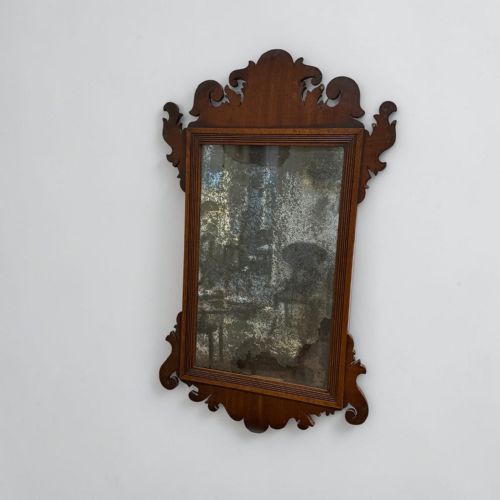
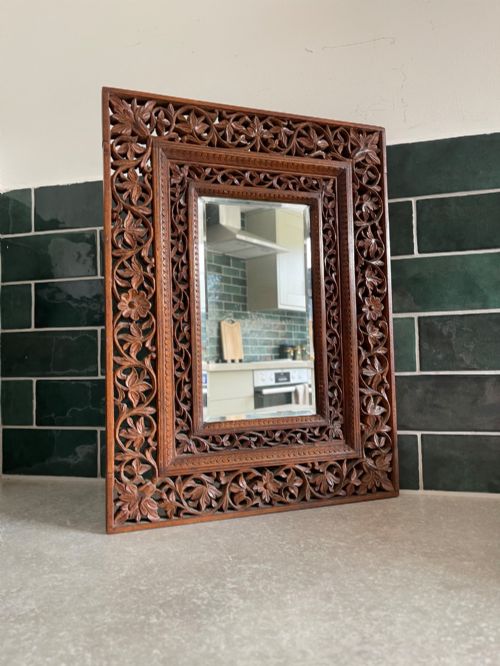
A pierced wood mirror encompasses wall-hung looking glasses featuring open fretwork, pierced edges, and intricate carved detailing. When searching for a pierced wood mirror, buyers encounter everything from eighteenth-century Georgian mahogany frets to nineteenth-century Anglo-Indian and Hoshiarpur creations.
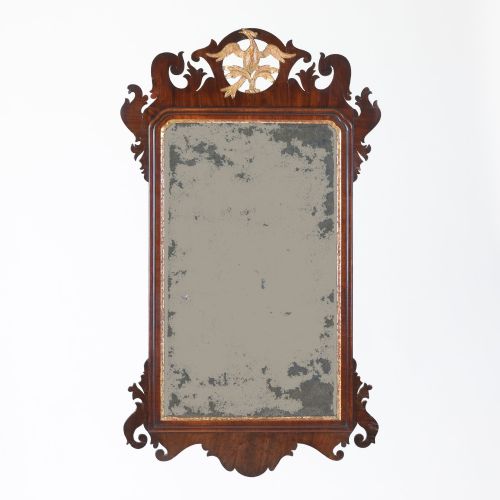
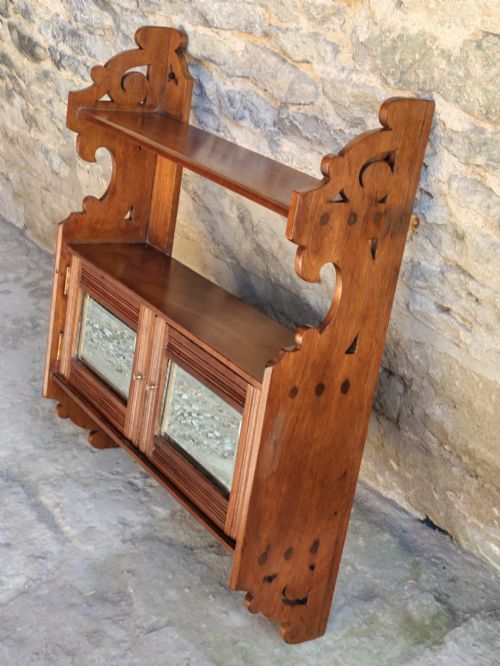
The selection ranges from classical Chippendale styles with characteristic ho-ho birds to regional South Asian hardwood and brass-inlaid frames. Walnut, mahogany, oak, and various exotic hardwoods form the structural foundation of these decorative objects.
How they were made
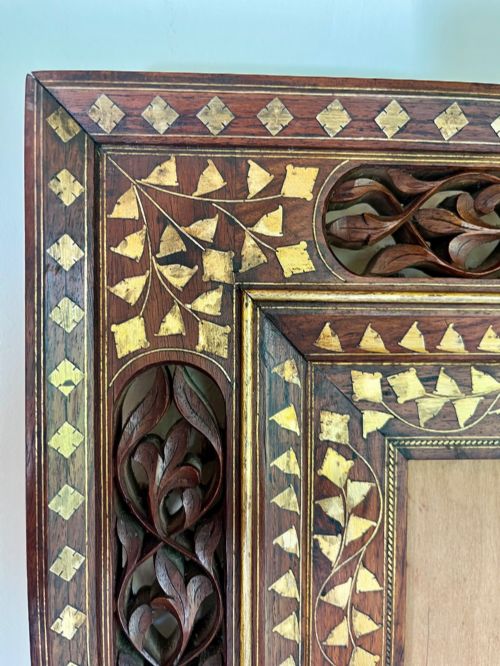
Carvers shaped these frames using dense timbers such as mahogany, walnut, and oak, often applying intricate fret-cut techniques to achieve openwork patterns. Anglo-Indian and Kashmiri pieces incorporate detailed surface carving alongside brass inlay set directly into the wood.
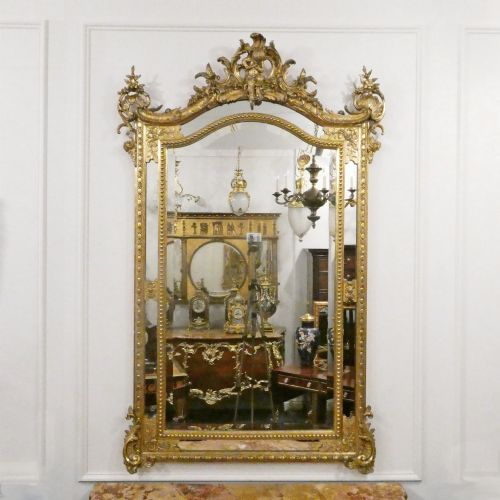
Giltwood and gesso variants rely on a base of carved wood coated in plaster compositions before receiving layers of gold leaf or surface gilding. Mirror glass is typically hand-bevelled or fitted into rebates behind the pierced wooden borders.
Listings feature examples spanning from the eighteenth century through the Victorian era, executed in mahogany, walnut, and giltwood.
What varies in quality
Quality rests in the crispness and depth of the carving, where sharply articulated fretwork and undercut details distinguish superior execution from softer, mass-produced work. The integration of decorative elements, such as symmetrical bird motifs or precise brass wire inlay, dictates the overall refinement of the piece.
The condition of the original timber and the integrity of the joinery at the corners of the frame determine long-term durability. In gilded examples, the retention of the original gold leaf surface over the gesso ground heavily influences historical and aesthetic value.
The Pierced Wood Mirror Glossary
- Fret-cut
- Wood pierced and shaped with a fine saw to create open geometric or organic patterns. This technique defines the lightweight yet ornate appearance of eighteenth-century wall mirrors.
- Gesso
- A plaster-like mixture applied to wood frames as a smooth preparation layer for gilding. It holds fine detail well under gold leaf.
- Giltwood
- Timber carved and coated with gold leaf over a prepared base. It provides a luminous reflective quality suited to formal interior settings.
- Anglo-Indian
- Artefacts produced in the Indian subcontinent during the British colonial period, often combining traditional local carving skills with European furniture forms. These pieces frequently utilise dense hardwoods and brass inlay.
- Chippendale
- A cabinet-making style of the eighteenth century characterised by rococo curves, Chinese fretwork, and elaborate pierced crestings. It remains a benchmark for quality in wooden mirror frames.
Pierced Wood Mirror: Frequently Asked Questions
How do I clean a carved wooden frame?
Dust gently using a soft, dry brush to prevent dirt from accumulating within the pierced crevices. Avoid liquid cleaners and polishes, which can damage aged finishes or soften underlying gesso.
Keep the mirror away from direct sunlight and moisture fluctuations to protect the timber and any metallic leafing. Regular light maintenance preserves the historical surface without abrasive intervention.
How do I date a wooden mirror?
Examine the timber species, construction joints, and backboards for clues regarding the period of manufacture. Tool marks left by hand saws and the composition of the glass plate provide further indicators of age.
Stylistic markers, such as rococo scrolls or specific regional inlay patterns, align pieces with eighteenth or nineteenth-century workshops. Comparing the back construction to known examples helps confirm the era.
Can I hang these in a bathroom?
High humidity and steam damage vintage wood, gesso, and exposed mirror silvering over time. It is best to place these items in dry living spaces, hallways, or bedrooms.
Moisture causes timber to warp and gilt surfaces to flake away from the base. Protecting the piece from damp environments ensures the survival of delicate pierced details.