
Vintage Inlaid Mirror
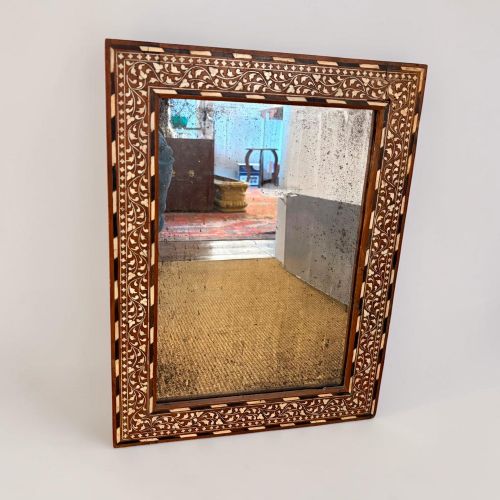
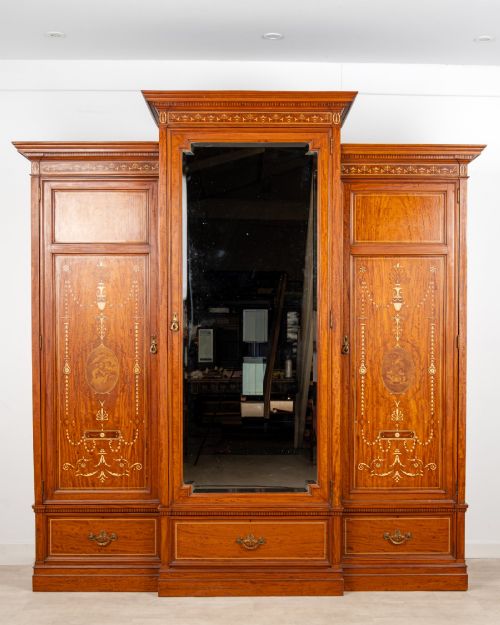
A vintage inlaid mirror brings warmth and reflective depth to a room through traditional cabinetmaker artistry and figured timber.
Vintage Inlaid Mirror
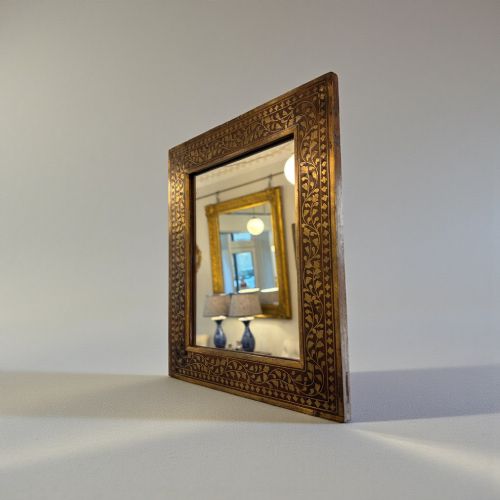
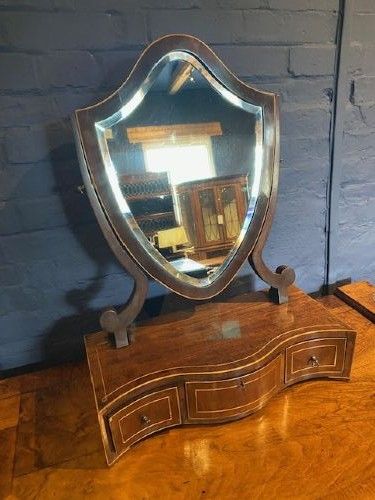
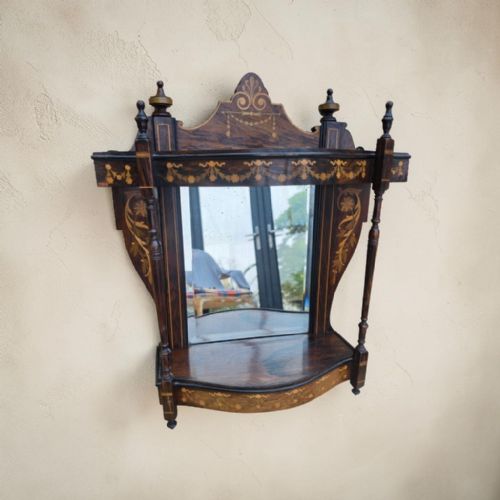
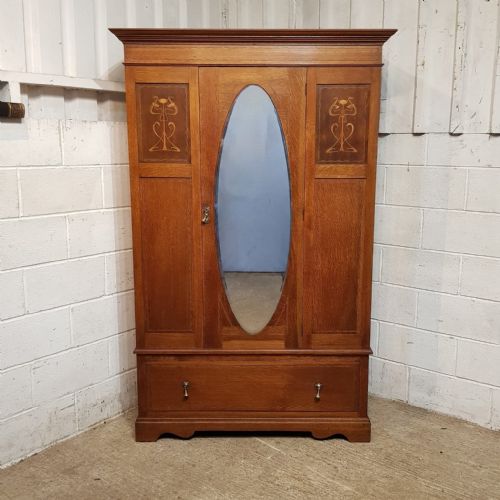
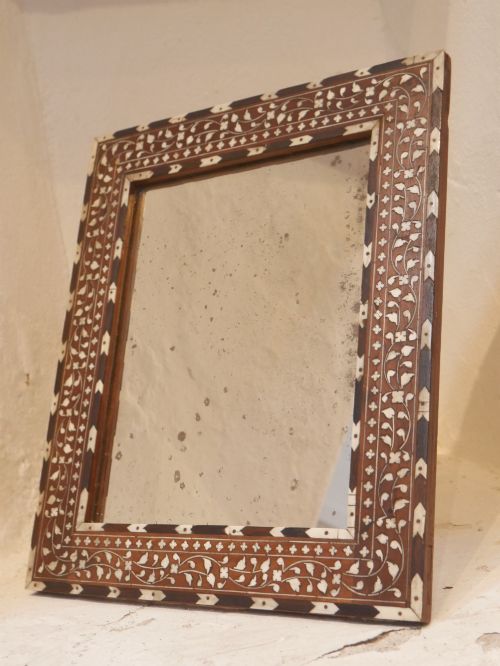
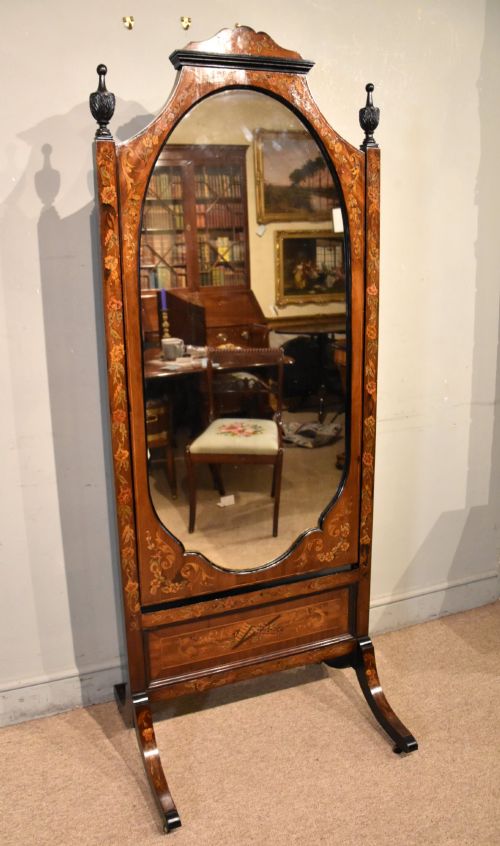
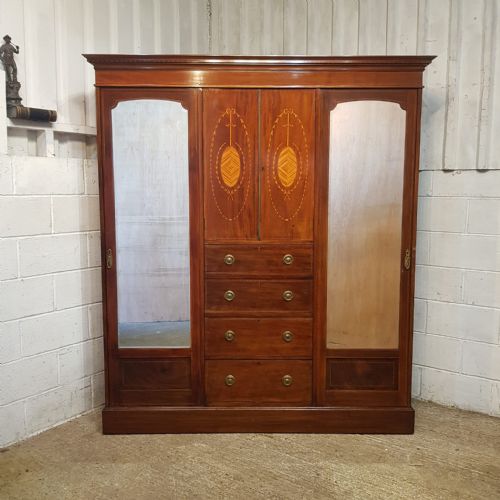
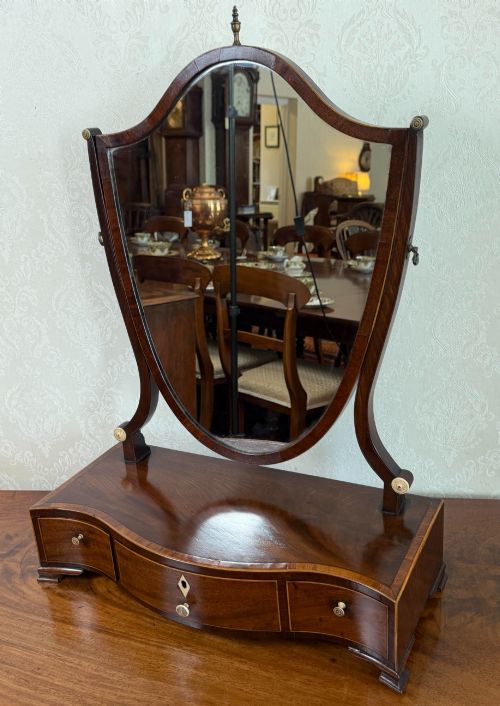
A vintage inlaid mirror combines functional glass with decorative surface patterns created by contrasting woods and materials.
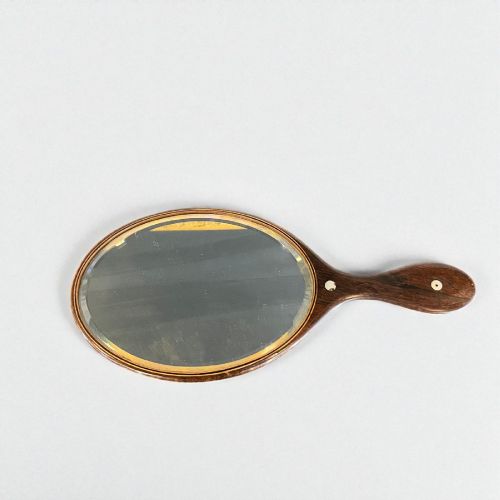
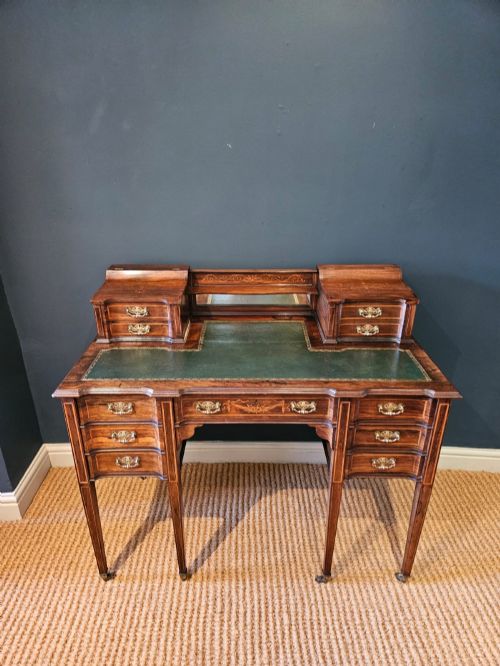
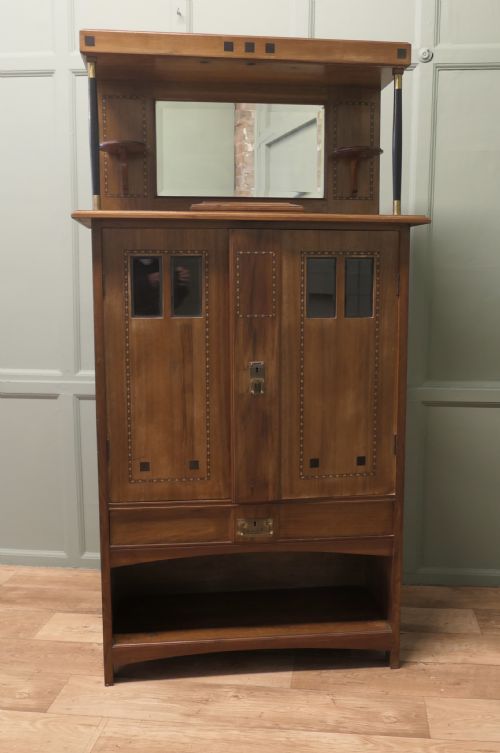
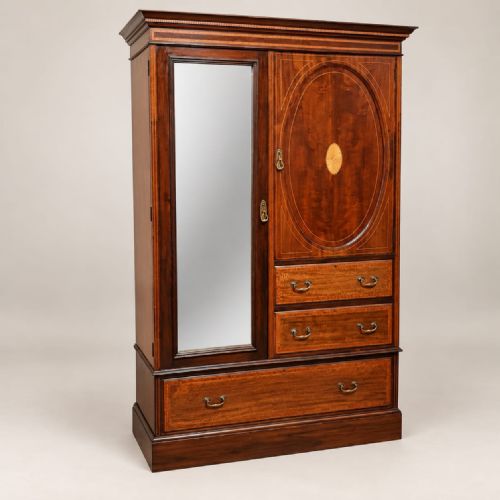
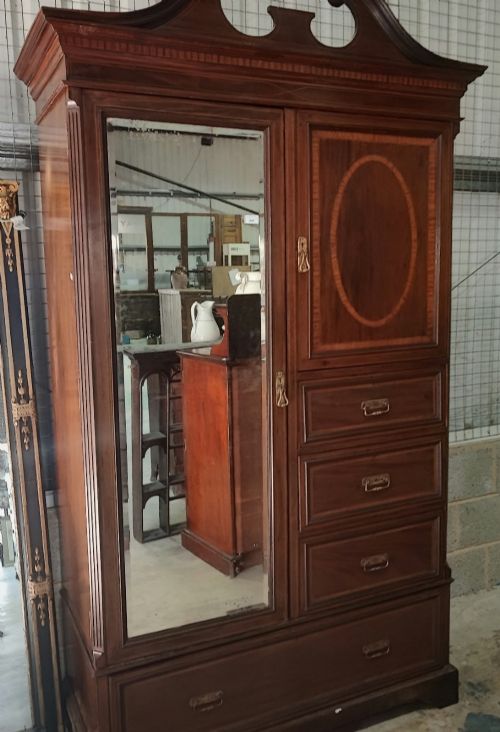
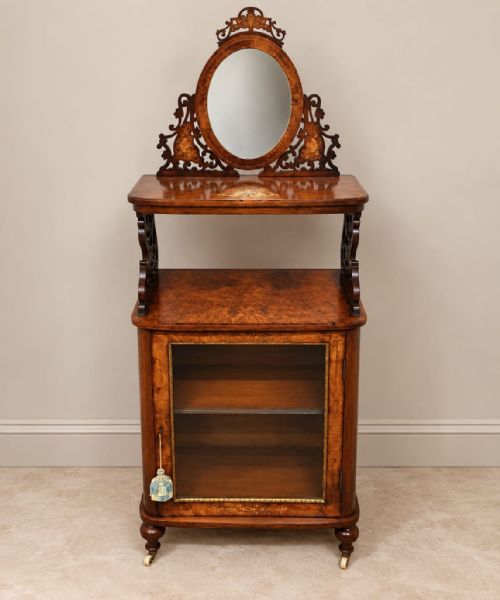
The selections span wall-hanging formats, overmantel designs, and table mirrors attached to dressing furniture.
Materials and construction methods
Craftsmen utilised solid timbers and veneers such as mahogany, satinwood, and walnut as the foundational base for decorative surface work.
Detailed wood inlay, marquetry, and brass elements were meticulously fitted into recessed channels to form geometric or floral motifs.
Reflective mirror glass was set within fretted or moulded wooden frames, often backed by panelled timber support structures.
Listings feature items spanning the 18th century, Victorian era, and Edwardian period, utilising mahogany, satinwood, oak, and brass.
Distinctions in construction and finish
Superior examples display crisp precision in the fitted wood inlay, where individual pieces sit flush without noticeable gaps or heavy filler.
The choice of timber grain and the complexity of the marquetry pattern separate standard utility pieces from high-grade cabinet work.
Original mirror plates often show natural ageing, but the overall rigidity of the frame and the integrity of the joints dictate the standard of survival.
Edwards and Roberts·Rowley Gallery
The Vintage Inlaid Mirror Glossary
- Inlay
- The technique of inserting pieces of contrasting material into a depressed wooden matrix to form a decorative surface design.
- Marquetry
- Elaborate veneer work assembled to create pictorial or decorative patterns across a wooden panel.
- Cheval mirror
- A full-length swing mirror suspended in a standing frame that tilts on vertical pivots.
- Overmantel mirror
- A large decorative looking glass designed specifically to hang on the wall directly above a fireplace mantel.
- Satinwood
- A dense, yellowish timber prized for its lustrous sheen and utilised extensively in decorative cabinetwork.
Vintage Inlaid Mirror: Frequently Asked Questions
How do I hang a heavy wall mirror safely?
Heavy wall mirrors require secure fixings anchored directly into structural wall studs or solid masonry using appropriate brackets.
Ensure the hanging wire or integrated D-rings on the wooden frame can support the total combined weight of the glass and timber.
Can I replace the original mirror glass?
Replacing original glass is possible, but retaining the vintage plate preserves the authentic character and historical integrity of the piece.
Many collectors prefer mild foxing and age spots on the reflective surface as evidence of genuine period manufacture.
How do I clean inlaid wooden frames?
Dust the timber gently with a dry, soft cloth and avoid chemical sprays that can degrade traditional wax finishes.
Keep moisture away from the inlaid sections and the edges of the mirror glass to prevent lifting of the delicate veneers.
What styles are common in these mirrors?
The available pieces predominantly showcase Edwardian, Victorian, Arts and Crafts, and Sheraton Revival aesthetic influences.
These styles range from formal symmetrical satinwood ornamentation to simpler oak designs with handcrafted details.