
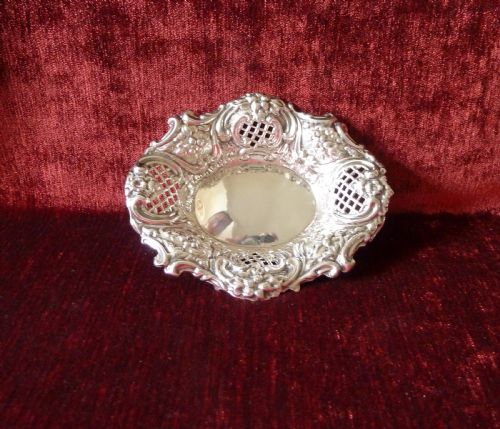

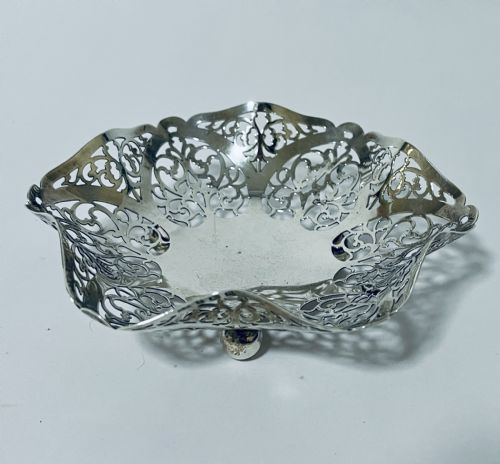


Pierced Silver Trinket Dish
A pierced silver trinket dish offers delicate metalwork and practical small-scale storage, bringing period craftsmanship straight to a dressing table.
Pierced Silver Trinket Dish
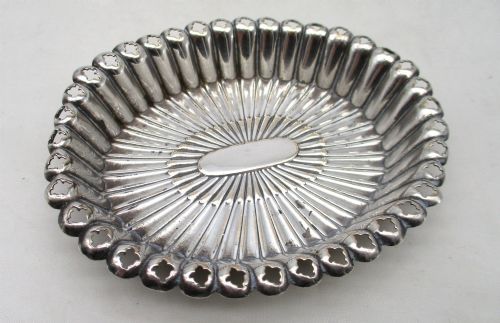
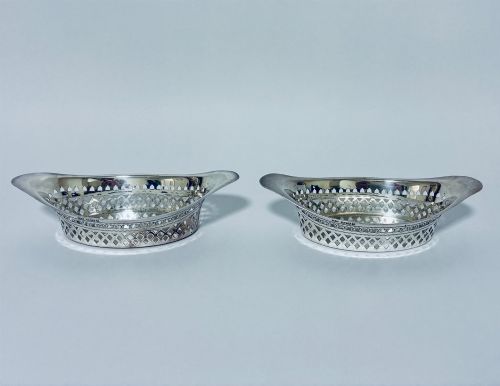
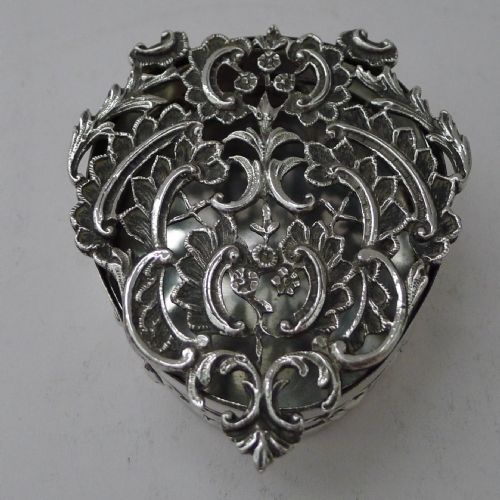
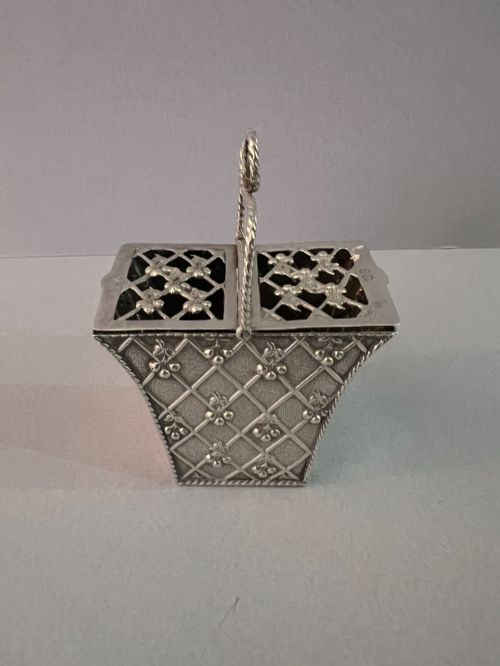
A pierced silver trinket dish combines small-scale metalwork with functional storage, appearing frequently as bonbon dishes, pin trays, and potpourri baskets. The selection ranges from compact Victorian and Edwardian examples to earlier Old Sheffield Plate trays and later Art Deco designs.
Makers produced these items in sterling silver, silver plate, and Old Sheffield Plate, often incorporating glass, tortoiseshell, or copper inserts. Forms stretch from simple round trays to heart shapes and hexagonal vessels, reflecting the shifting tastes of the eighteenth, nineteenth, and early twentieth centuries.
How they were made
Silversmiths utilised sterling silver and silver plate, shaping metal through hammering, casting, and piercing. Piercing required careful hand-sawing or punching to create openwork lattice patterns, floral swags, and Chinoiserie scenes.
Many items incorporate contrasting materials such as cobalt glass liners, rock crystal glass, and tortoiseshell panels fitted directly into the metal framework. Makers also employed Old Sheffield Plate, fusing a thin layer of silver onto a copper base before forming the dish.
Listings span from the mid eighteenth century to the Art Deco era, encompassing sterling silver, silver plate, tortoiseshell, and cobalt glass.
What varies in quality
Quality rests upon the crispness of the pierced openwork and the weight of the metal utilised in the body. Finer examples display precise hand-piercing without distortion, whereas heavier gauge silver ensures the dish retains its structural integrity over time.
The integration of secondary materials like tortoiseshell, cobalt glass, or rock crystal reveals the tier of the piece. Superior items maintain secure bezels, clear hallmarks, and well-preserved maker marks that identify prominent workshops.
William Comyns·Goldsmiths And Silversmiths Co·John Collyer
The Pierced Silver Trinket Dish Glossary
- Piercing
- A technique where metal is cut away to form decorative openwork patterns, grilles, or lattice designs. This method lightens the object while adding visual complexity.
- Bonbon dish
- A small decorative bowl designed specifically to hold sweets or confections. These items share similar openwork forms with standard trinket dishes.
- Old Sheffield Plate
- An early composite material made by fusing a sheet of silver to a copper ingot. This technique predates modern electroplating.
- Potpourri basket
- A small pierced vessel with a fitted lid intended to hold dried flower petals and spices. They often feature swing handles and glass or crystal inserts.
- Sterling silver
- An alloy consisting of pure silver and other metals, typically copper, standardised for durability. British pieces normally carry distinct assay office marks.
Pierced Silver Trinket Dish: Frequently Asked Questions
What were pierced silver dishes used for?
These small vessels served various domestic purposes on dressing tables and reception rooms, primarily holding sweets, pins, or potpourri.
Their openwork design allowed fragrant scents to diffuse when used for potpourri while remaining decorative enough for display.
How do I identify an Edwardian silver dish?
Edwardian items often feature specific hallmark date letters alongside town marks like Birmingham or London, corresponding to the reigns of the early twentieth century.
Stylistic cues such as ribbon bow swags and naturalistic floral piercing frequently point toward this period as well.
Are these dishes made of solid silver?
The inventory includes items in sterling silver alongside silver plate, Old Sheffield Plate, and mixed media vessels incorporating glass or tortoiseshell.
Checking the hallmarks stamped directly into the metal helps confirm whether the piece is solid sterling silver or plated.
How should I clean a silver trinket dish?
Careful dusting with a soft cloth prevents everyday tarnish buildup without harming delicate pierced areas or secondary materials like glass.
Harsh chemical dips should be avoided, particularly on plated items or pieces containing tortoiseshell and fitted glass liners.