



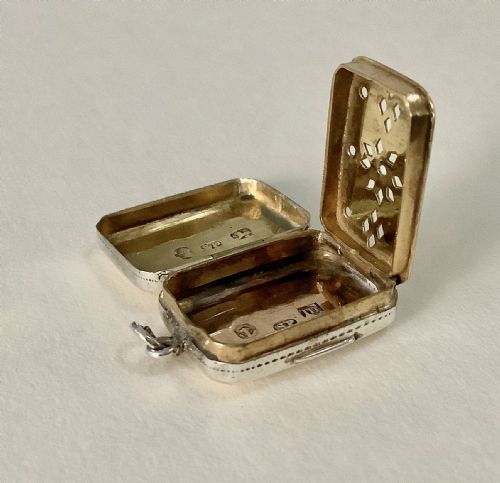

Pierced Silver Container
A pierced silver container brings openwork metalwork to your table or dressing desk, offering both decorative grace and practical utility.
Pierced Silver Container
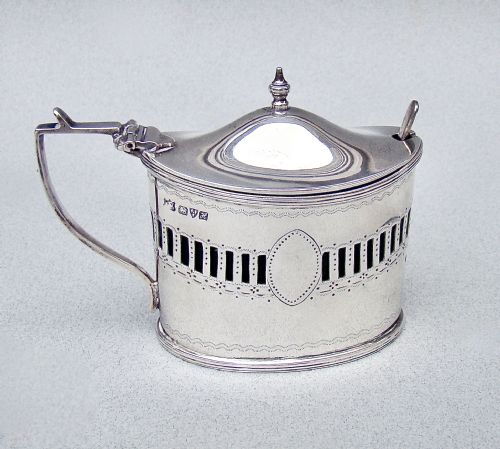
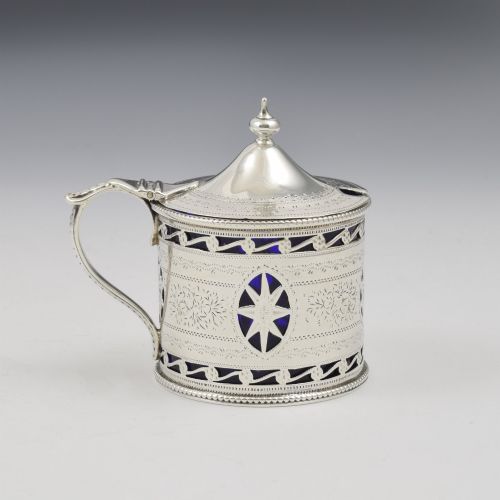
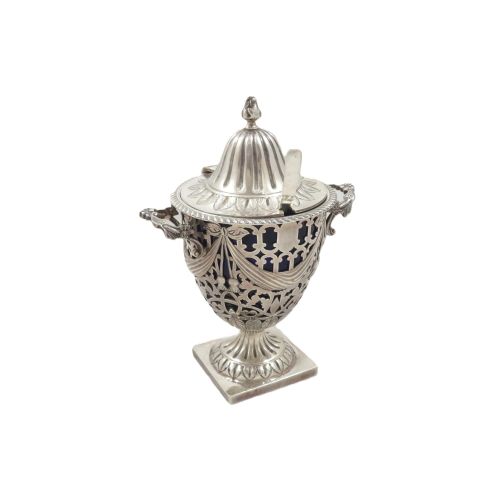
A pierced silver container is typically found in forms such as mustard pots, sugar baskets, pot pourri bowls, trinket boxes, and ice buckets. These items span periods from the Georgian era through the Victorian and Edwardian years, reflecting changing domestic habits in dining and toilette.
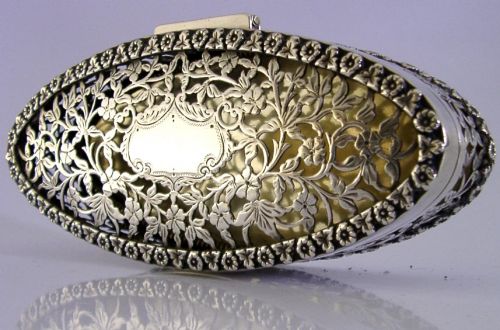
The version you are most likely to meet on this page is the Edwardian or Victorian mustard pot or pot pourri box, often executed in sterling silver. These table and dresser wares combine openwork patterns with functional lidded designs, frequently retaining their original character.
Makers and workshops utilise openwork piercing, floral scrollwork, and geometric piercings to transform solid metal into light vessels. You will encounter forms ranging from miniature vinaigrettes to larger boxes, demonstrating the broad scope of these functional domestic objects.
How they were made
Makers produced a pierced silver container using sterling silver or silver plate, shaping the metal through hammer work and casting before applying detailed piercing. Many examples incorporate internal liners made from cobalt glass or plain glass to hold contents safely.
Artisans decorated these vessels with hand-pierced floral scrollwork, often supplemented by gilding or gold vermeil finishes on the interior surfaces. The combination of structural metalwork and delicate fretwork required precise hand-cutting to achieve the desired open patterns.
Pierced Silver Container Retail Price Guide 2026
Typical asking prices for pierced silver container among the pieces listed under this phrase on Sellingantiques today, from the lower quarter to the upper quarter. They describe what is for sale here now, not the wider market.
Listings feature sterling silver and silver plate items spanning the Georgian, Victorian, and Edwardian eras, incorporating glass and gold vermeil.
What varies in quality
Quality in a pierced silver container rests on the crispness of the openwork piercing and the weight of the sterling silver employed. Finer examples display clean, purposeful fretwork that maintains structural integrity while creating intricate patterns.
The presence of undamaged glass liners, original gilding, and clear hallmarks from established makers elevates a piece. Better workshops achieved superior balance between the pierced outer shell and the overall form, ensuring durability alongside visual lightness.
Alfred Marston·Nathan & Hayes·Walker & Hall·Pemberton
The Pierced Silver Container Glossary
- Piercing
- The technique of cutting decorative openings through metal sheet to create patterns and reduce weight. This method defines the appearance of openwork baskets and condiment pots.
- Sterling silver
- An alloy consisting of silver and other metals, predominantly copper, meeting a specific standard of purity. Most quality antique containers are formed from this material.
- Gold vermeil
- Sterling silver that has been plated with a thin layer of gold on the interior or exterior surface. This finish provides a rich colour and protects against tarnishing.
- Cobalt glass
- Deep blue glass frequently utilised for removable liners inside openwork condiment pots and sugar baskets. The contrasting colour shows brightly through the pierced silver walls.
- Hallmark
- A series of official marks stamped onto precious metal items to indicate maker, assay office, and year of manufacture. These stamps allow collectors to date pieces accurately.
- Vinaigrette
- A small hinged box containing a pierced internal grille, designed to hold a sponge soaked in aromatic vinegar. These miniature containers were carried for personal refreshment.
Pierced Silver Container: Frequently Asked Questions
What were pierced silver containers used for?
These items served various practical functions in the home, particularly during dining and personal grooming. Mustard pots and sugar baskets held table condiments, while pot pourri boxes and cotton holders graced dressing tables.
The openwork design allowed the scent of pot pourri to diffuse into a room or displayed the colourful glass liner hidden inside a condiment pot. Their versatility made them staples of middle and upper-class domestic life across the Georgian, Victorian, and Edwardian periods.
How do I clean a pierced silver container?
Cleaning requires a soft brush and a gentle silver cleaning product to remove tarnish from the intricate fretwork without scratching the metal surface. Care must be taken around applied gilding or delicate hinge mechanisms.
If the container includes a removable glass liner, it should be washed separately in warm soapy water. Avoiding harsh abrasive cloths preserves the crisp edges of the pierced scrollwork and maintains the finish.
Are glass liners original to these pieces?
Many surviving mustard pots and baskets retain their original cobalt glass or clear glass liners, which protected the silver from corrosive contents like mustard. Finding a piece with its matching liner adds significantly to its completeness.
Replacements are sometimes fitted where the original glass was lost or broken over generations of use. Examining the fit and colour helps determine whether a liner belongs to the original period of manufacture.
How can I tell a Victorian pot from an Edwardian one?
Stylistic clues and hallmarks provide the clearest distinction between Victorian and Edwardian pieces, with Victorian items often showing heavier rococo revival ornamentation. Edwardian examples frequently adopt lighter, neoclassical or Georgian revival motifs.
Checking the date letter within the official hallmarks gives the exact year of assay. Comparing the weight and overall silhouette against known period designs further clarifies the era of production.