



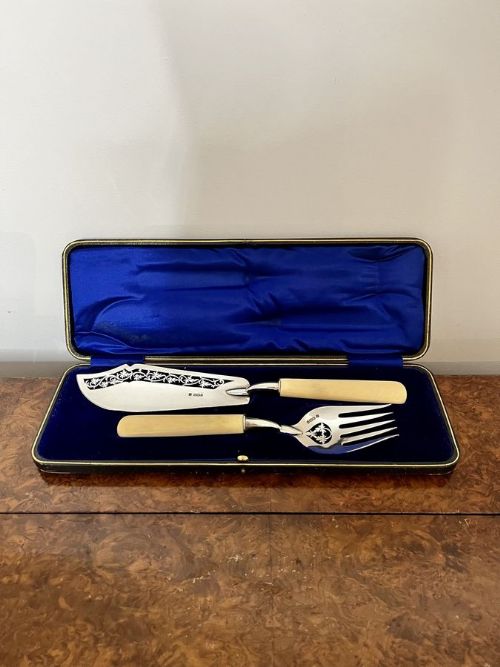


Edwardian Pierced Box
An edwardian pierced box combines delicate metalwork with practical storage, offering a glimpse into early twentieth-century dressing tables and writing desks.
Edwardian Pierced Box
The search for an edwardian pierced box leads you directly to small silver containers designed for trinkets, jewellery, and potpourri. These items typically date from the early years of the twentieth century, aligning with the Edwardian period and the reign of George V.
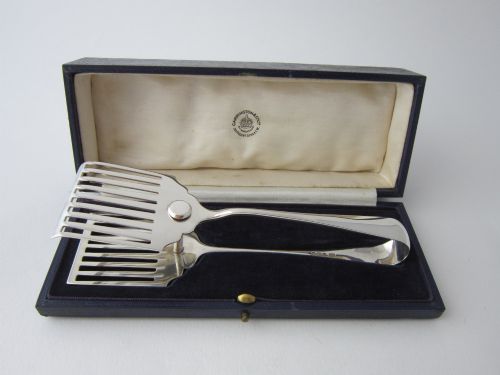
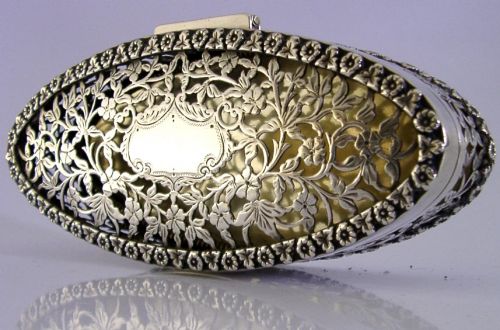
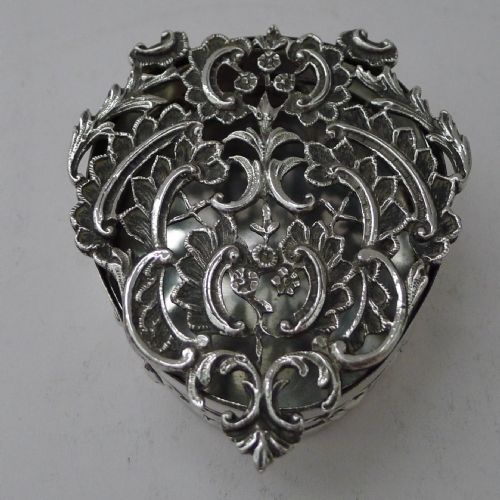
On this page, the most common format you will meet is the sterling silver trinket box or pot pourri box featuring openwork scroll or floral designs on the lid or sides. Alongside these dedicated boxes, the listings include related silver wares such as napkin rings and serving tongs from the same era.
The forms range from heart-shaped vessels to larger rectangular caskets, often lined with fabric to protect delicate contents. Makers from Birmingham and Chester dominate the output, working with characteristic pierced patterns that let air circulate or reveal a coloured lining beneath.
Materials and Craftsmanship
Silversmiths constructed these boxes primarily from sterling silver, employing piercing techniques to cut decorative motifs like floral scrollwork directly into the metal sheet. This openwork was frequently paired with internal linings of velvet, silk, or leatherette to provide a soft interior bed for jewellery and small treasures.
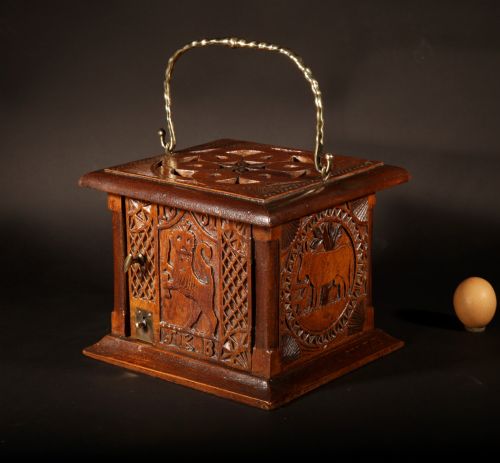
Makers utilised stamping, piercing, and sometimes partial painting or chip carving on related wooden pieces like foot warmers from the wider period. Hallmarks stamped into the silver record the assay office, such as Chester or Birmingham, alongside the specific year of production.
Some Edwardian pierced boxes double as marriage caskets, designed to hold wedding mementoes with the same ornate openwork as standard trinket holders.
Assessing Quality
The distinction between standard production and finer pieces lies in the crispness and complexity of the pierced scrollwork and the substantial weight of the sterling silver. Heavier gauge silver resists denting and maintains sharper edges in the openwork pattern.
The presence of an original, intact fabric lining such as silk or velvet adds significantly to the integrity of the piece. Maker attribution, particularly to known workshops like William Comyns or Walker & Hall, further separates standard wares from exceptional examples.
Walker & Hall·William Comyns·C.T. Burrows & Sons
The Edwardian Pierced Box Glossary
- Pierced work
- Metalwork cut through to create an open pattern or design. This technique allows light to pass through the silver and often reveals a fabric lining underneath.
- Pot pourri box
- A small container with a perforated or pierced lid designed to hold dried flowers and spices for scenting a room. These boxes were popular dressing table accessories in the Edwardian period.
- Trinket box
- A small receptacle intended for storing rings, brooches, and other personal ornaments. They frequently feature hinged lids and velvet or silk interior pads.
- Hallmark
- A series of official marks stamped onto precious metals indicating the standard of purity, the assay office, and the year of manufacture. These stamps help verify the age and origin of silver items.
- Sterling silver
- An alloy consisting of ninety-two point five percent silver and seven point five percent other metals, usually copper. This standard composition provides the necessary durability for functional decorative objects.
Edwardian Pierced Box: Frequently Asked Questions
What were pierced silver boxes used for?
These boxes served primarily as decorative receptacles on dressing tables and desks for holding small personal items like rings, pins, and letters. The pierced lids on pot pourri variants also allowed scented botanical blends to perfume the surrounding space.
Over time, their roles shifted from daily dressing accessories to decorative cabinet pieces collected for their intricate metalwork and historical hallmarks.
How do I identify an Edwardian silver box?
You can determine the period by examining the hallmarks stamped on the silver, which indicate the assay office and the specific year of production between 1901 and 1910. Stylistic clues include floral scrollwork patterns and delicate pierced designs typical of the Edwardian era.
Comparing the maker's mark against historical records will also help confirm the exact workshop and timeline of the piece.
Are the fabric linings usually original?
Many boxes retain their original silk, velvet, or leatherette linings, which were glued inside to cushion delicate jewellery and small keepsakes. Because textiles degrade more quickly than silver, surviving internal fabrics add historical completeness to the object.
When a lining has been replaced, it is typically done to match the traditional materials and colours associated with the period.
How should I clean a silver pierced box?
Careful dusting with a soft, dry brush is usually sufficient to remove particles from the intricate openwork without damaging any fabric lining inside. Avoid liquid polishes that can seep beneath the pierced metal and become trapped in the internal corners or ruin the textile base.
Gentle maintenance preserves the natural patina and protects the structural integrity of both the silver and the interior.