
Pierced Sterling Silver
Pierced sterling silver brings together delicate openwork patterns and solid precious metal across tableware, baskets, and decorative boxes spanning the Georgian to Mid-Century eras.
Pierced Sterling Silver
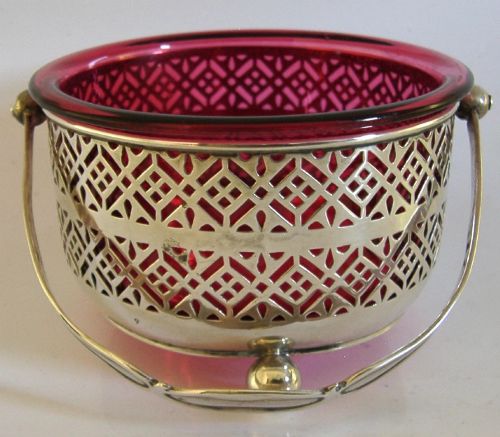
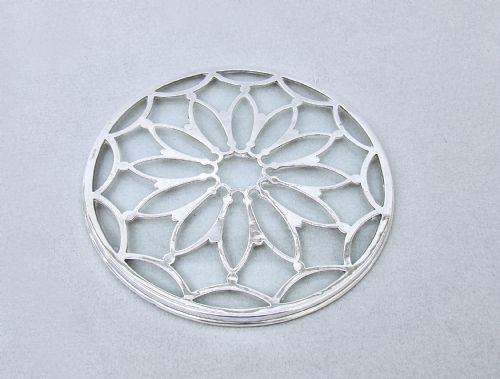
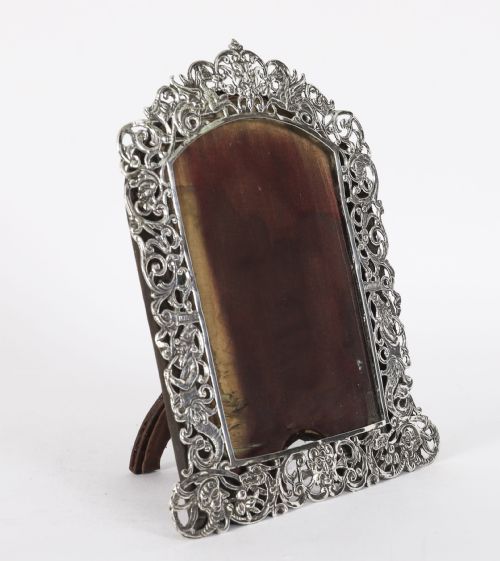
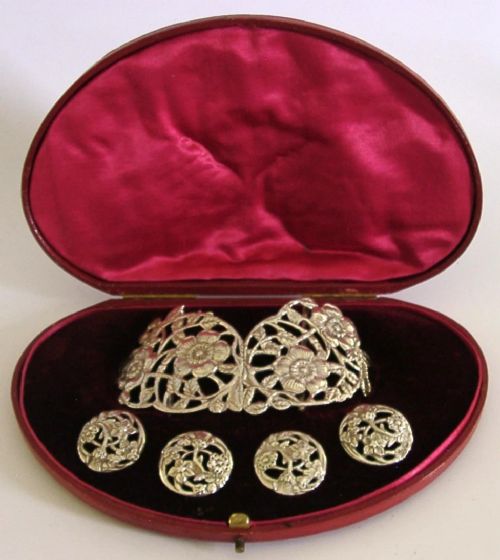
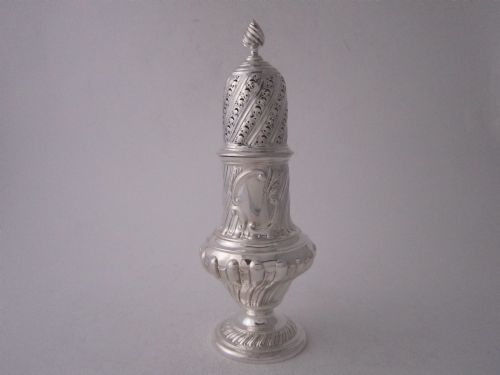
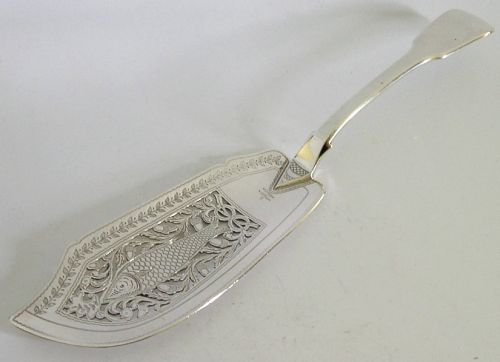
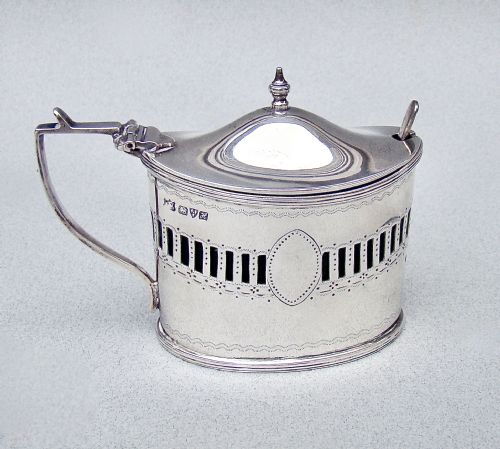
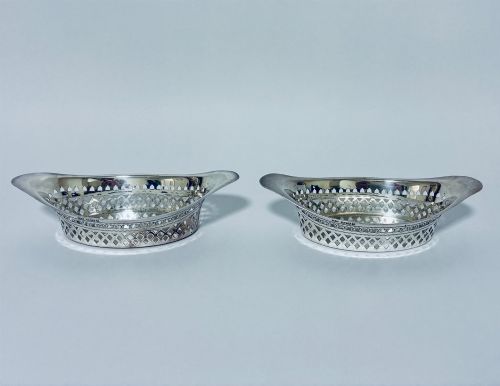
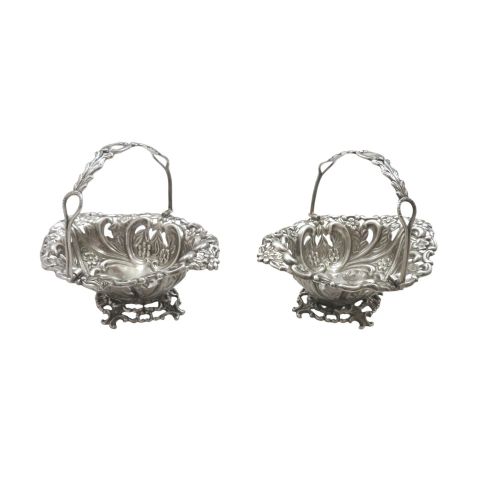
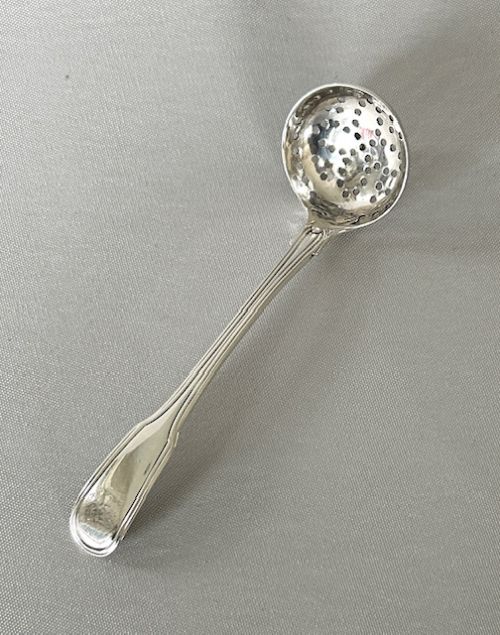
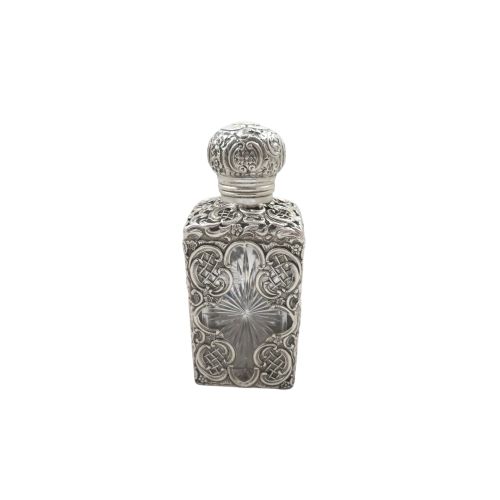
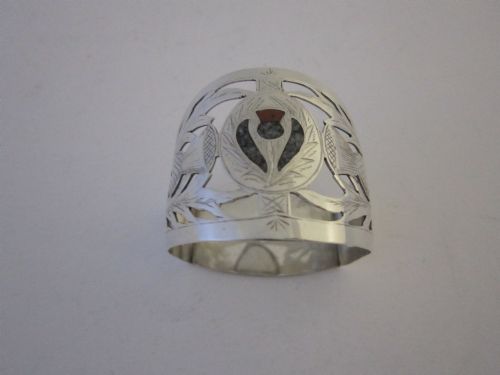
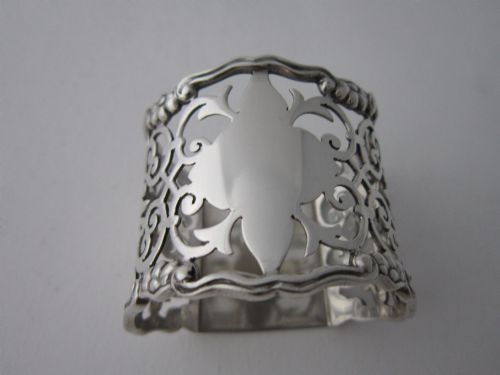
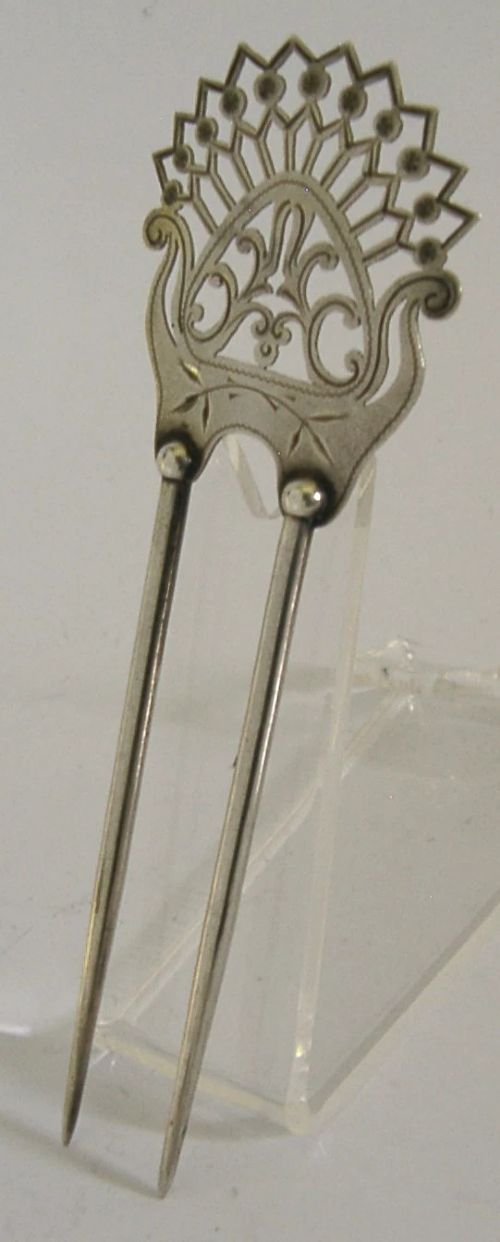
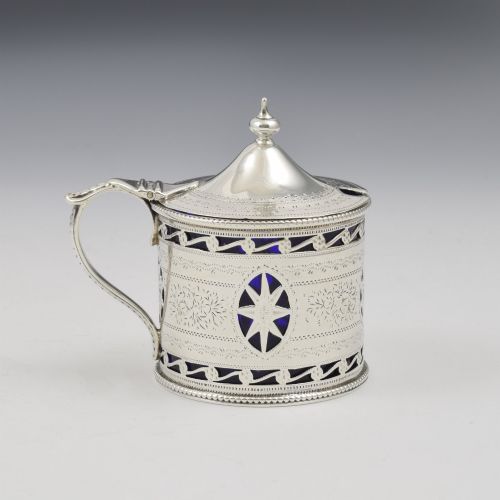
Pierced sterling silver encompasses functional tableware, desktop accessories, and decorative vessels where metal has been cut away to form openwork patterns. Baskets, sugar casters, mustard pots, photo frames, and trinket boxes appear frequently in this category.
The objects originate primarily from British workshops dating from the Georgian, Victorian, Edwardian, and George V periods, alongside occasional American examples. Many domestic items incorporate coloured glass liners, velvet backing, or wooden mounts.
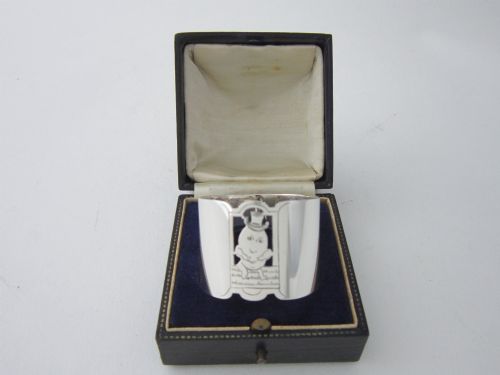
Domestic and dressing table accessories dominate the surviving selection, reflecting the functional requirements of past dining rooms and boudoirs. Trays, dishes, bonbonniers, and napkin rings display symmetrical pierced scrollwork, trellis motifs, and floral swags.
How They Were Made
Silversmiths produced pierced sterling silver by hand-sawing designs out of sheet metal or casting the openwork components directly before chasing the finer surface details. Piercing saws fitted with fine steel blades cut intricate geometric, floral, or scroll patterns through the metal walls of baskets and boxes.
Combined media characterise many pieces, pairing solid sterling frames with cobalt glass, cranberry glass, amber, or cut glass inserts. Wood, velvet, and silver gilt provide internal contrast and structural support for items such as photograph frames, coasters, and tea strainers.
Several Edwardian baskets and trinket boxes incorporate chased owls, dogs, birds, and cherubs peering through the pierced silver openwork.
What Varies in Quality
Quality in pierced sterling silver rests upon the precision of the piercing work and the crispness of the chased relief details surrounding the cutouts. Piercing executed entirely by hand exhibits subtle variations that distinguish it from mechanical stamping.
The weight of the metal and the integrity of internal fittings, such as original coloured glass liners or velvet backings, influence the overall standard of preservation. Maker marks from established silversmiths and clear hallmarks stamped into the silver provide further distinction.
Harrods Ltd·Rosenthal Jacob And Co·Alfred Marston·Nathan And Hayes·Aldridge And Green·Tiffany And Company·Robert Garrard
The Pierced Sterling Silver Glossary
- Sterling silver
- An alloy consisting of ninety-two point five percent silver and seven point five percent other metals, typically copper. This standard ensures durability while maintaining precious metal purity.
- Hallmark
- A series of official marks stamped on items to indicate the standard of silver purity, the assay office, the maker, and the year of production. British silver relies heavily on these stamps for dating.
- Piercing
- A technique where portions of sheet metal are cut away to create decorative openwork designs. It requires steady hand control with a jeweler saw.
- Chasing
- A method of hammering metal from the front to push the design inward and create raised surface relief. This technique often defines the borders of pierced panels.
- Silver gilt
- Sterling silver that has been coated with a thin layer of gold on its surface. This treatment provides a contrasting golden interior for vessels and serving pieces.
Pierced Sterling Silver: Frequently Asked Questions
How do I clean pierced sterling silver?
Use a soft brush and liquid silver polish to gently remove tarnish from the recesses without damaging any glass liners or velvet components. Avoid abrasive dips that can strip dark antiquing highlights from the chased details.
Rinse the item thoroughly in warm water and dry it immediately with a soft cloth to prevent moisture spots from forming on the pierced metal surface.
Were glass liners original to these pieces?
Original cobalt glass, cranberry glass, or clear cut glass liners accompanied many mustard pots, sugar baskets, and salt cellars during the Victorian and Edwardian eras. These inserts protected the silver from corrosive contents such as salt and mustard.
Replacements remain common, so collectors look closely at how snugly the glass fits within the pierced silver framework to determine originality.
How can I date pierced silver items?
British pieces carry hallmarks that include a date letter corresponding to the specific year and assay office where the metal was tested. London, Birmingham, Chester, and Sheffield maintained distinct alphabetical cycles for this purpose.
Stylistic cues such as Rococo revival scrolls, Edwardian ribbon swags, or Art Nouveau asymmetry also help narrow down the period of manufacture.
What were swing handled baskets used for?
Swing handled baskets served various dining and drawing-room functions, including holding sugar lumps, bonbons, or fruit during formal gatherings. Their flexible handles allowed guests to pass them easily across the table.
During the Georgian and Edwardian periods, these baskets often sat as centrepieces on sideboards when not in active use.