




Pierced Oak Armchair
A pierced oak armchair brings solid country craftsmanship and sturdy timber into a room, offering both history and utility.
Pierced Oak Armchair
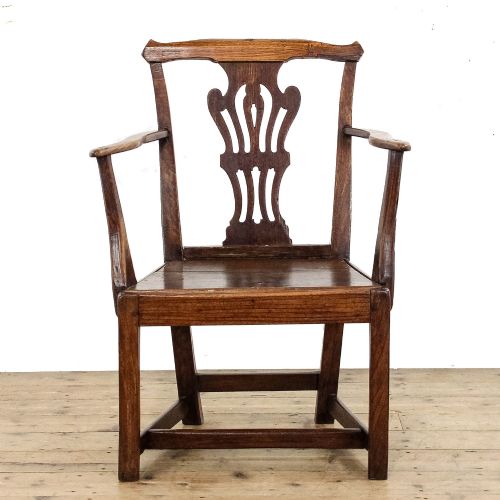
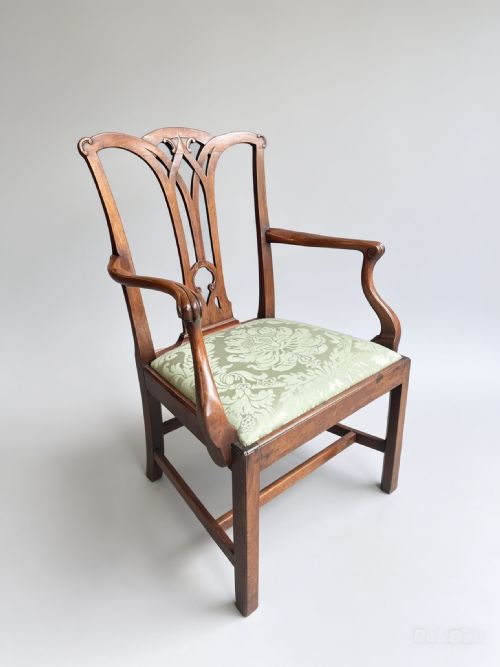
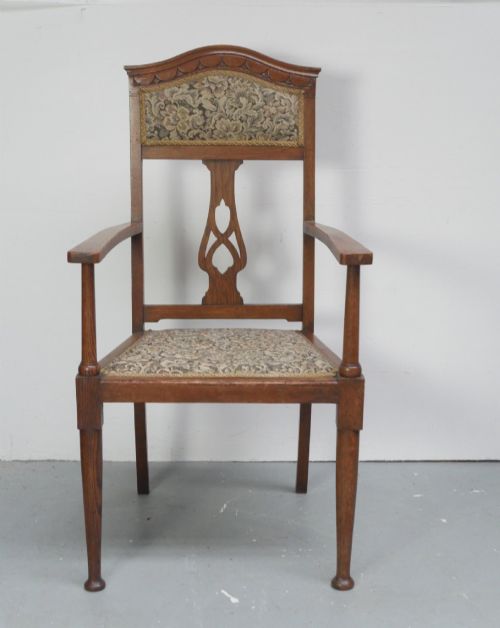
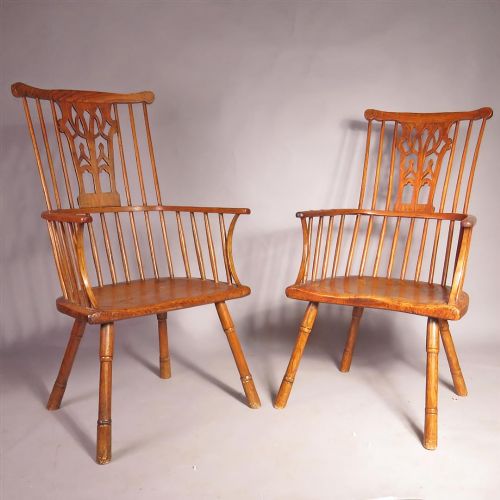
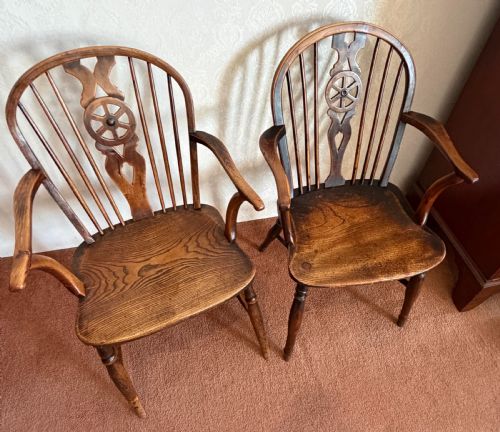
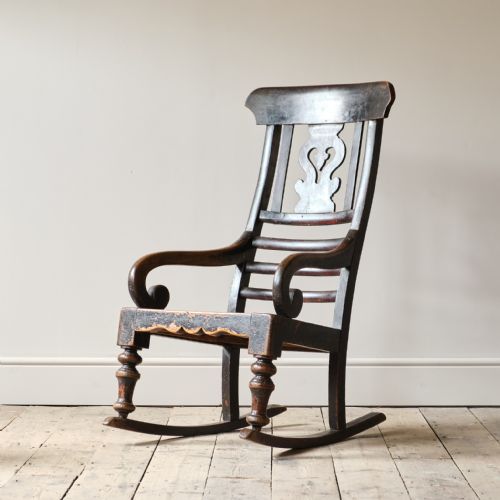
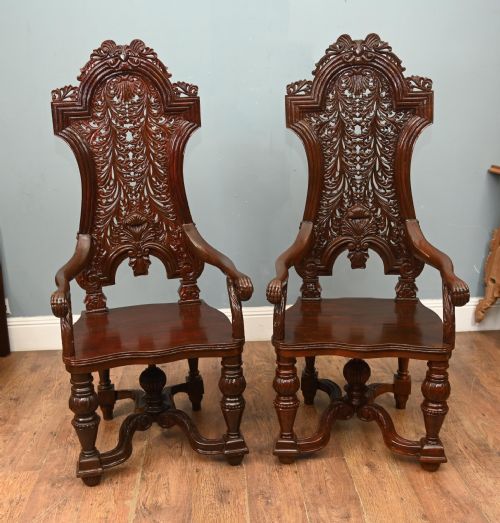
A pierced oak armchair is a sturdy timber seat found across English country houses and farmhouses, often shaped with a distinct splat or backrest. The pieces carrying this description span the eighteenth and nineteenth centuries, including Georgian and Victorian examples alongside Arts and Crafts revivals.
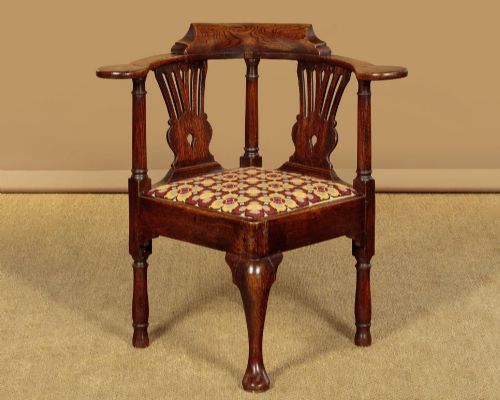
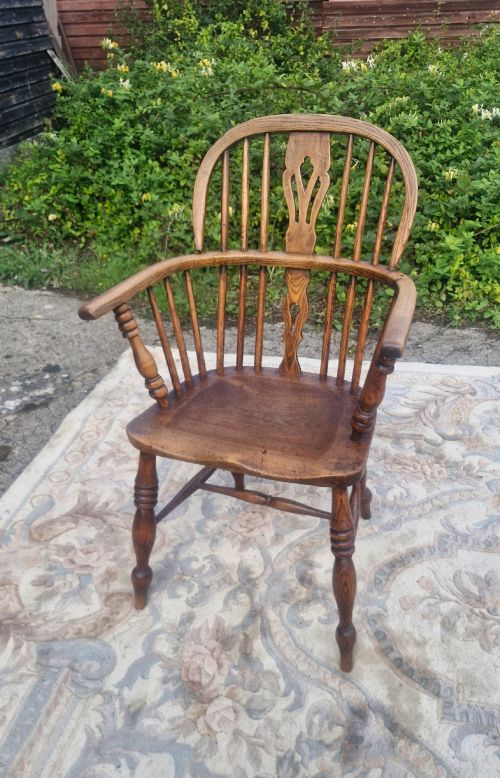
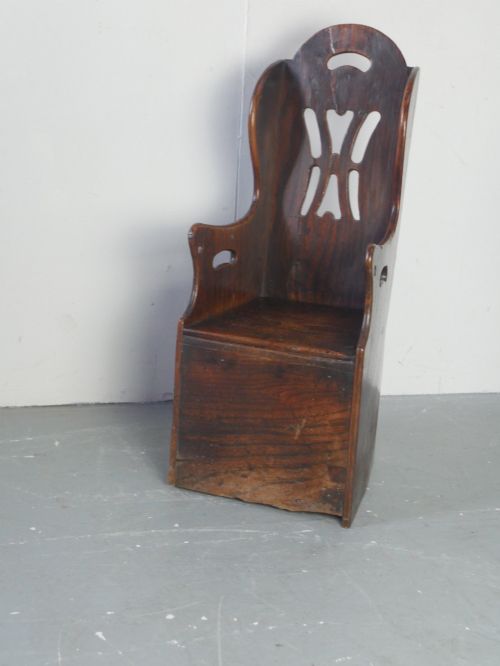
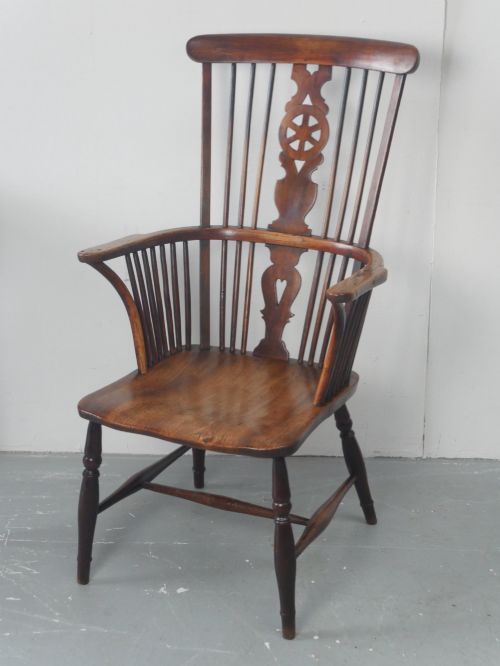
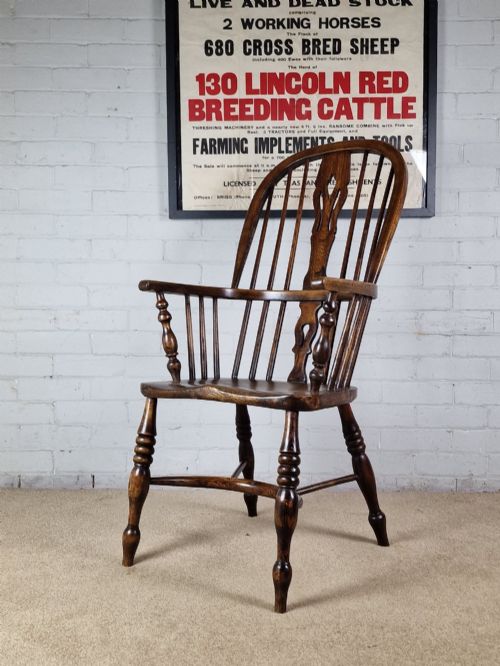
Buyers meet various regional forms here, from Thames Valley and Yorkshire Windsors to comb backs, corner chairs, and low back models. These chairs utilise native woods and traditional joinery designed for daily use rather than formal salons.
What varies in quality
Quality depends upon the purity of the timber selection and the integrity of the original construction. Chairs retaining their untouched surface patination and matching wood species stand apart from heavily restored examples.
Proportion and regional turning detail separate standard utilitarian seating from finer regional pieces. Comfortable scale and balanced spindle arrangements distinguish the better workshops.
Pierced Oak Armchair Retail Price Guide 2026
Typical asking prices for pierced oak armchair among the pieces listed under this phrase on Sellingantiques today, from the lower quarter to the upper quarter. They describe what is for sale here now, not the wider market.
Several armchairs show generations of heavy use with pleasingly worn elm seats shaped entirely by human contact.
Goodyers of London·Waring
The Pierced Oak Armchair Glossary
- Windsor chair
- A wooden chair built with a heavy solid timber seat into which the legs and back spindles are directly fitted. This construction provides robust support without a traditional framed back.
- Comb back
- A Windsor variation where the central vertical spindles rise through a top rail to resemble the teeth of a comb. This regional style appears frequently in eighteenth-century pieces.
- Splats
- A central vertical slat of wood positioned in the middle of a chair back, often shaped or pierced for decoration. In country chairs, this element provides lower back support.
- Corner chair
- A square-framed chair designed to fit neatly into room angles, featuring a diagonal seat and a curved armrest supported on turned posts. These items often date from the Georgian period.
Pierced Oak Armchair: Frequently Asked Questions
How do I date a Windsor chair?
Dating relies on examining the turning style of the legs, the thickness of the seat plank, and the construction methods used for the arm bow. Earlier eighteenth-century models often feature comb backs and vernacular regional shaping.
Later Victorian and revival pieces tend to display heavier proportions and machine-assisted turnings. Comparing the wood species and wear patterns helps confirm the period.
Are these chairs comfortable for daily use?
Most country armchairs are built with deeply dished solid timber seats designed for prolonged sitting. Their sturdy frame construction makes them well-suited for everyday seating in living spaces.
Adding a loose pad or cushion can increase comfort on older wooden seats without altering the structure.
What woods were used to build them?
English country chairmakers utilised local timbers available in their region, frequently combining multiple species within a single piece. Oak provided strong frames, elm formed durable seats, and ash or beech supplied flexible spindles.
Occasional examples incorporate yew wood or fruitwood for decorative contrast in the upper back rails.
How do I care for antique oak furniture?
Maintenance requires keeping timber away from direct heat sources and sudden temperature shifts that can cause wood to split. Regular dusting with a dry cloth preserves the natural surface.
Applying occasional traditional wax polish helps nourish the grain and maintain the timeworn patina.