


Pierced Carved Hardwood Stand
A pierced carved hardwood stand brings intricate Oriental craftsmanship into a room, offering a sturdy yet decorative platform for plants, vases or treasured objects.
Pierced Carved Hardwood Stand
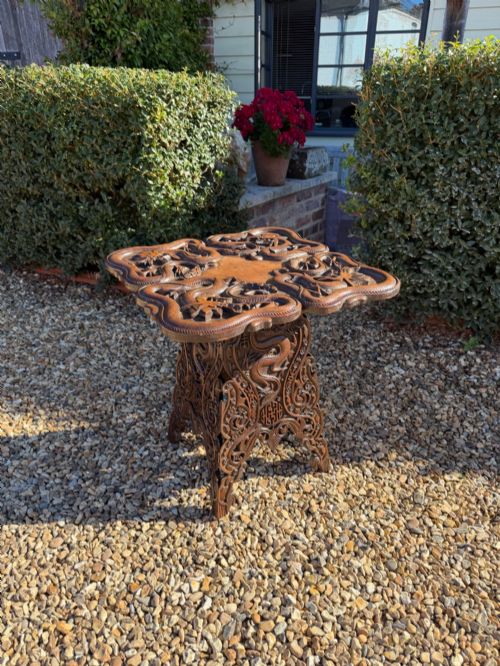
A pierced carved hardwood stand is typically encountered in forms such as plant stands, vase stands, side tables and low tables originating from Chinese and Anglo-Indian traditions. These pieces date predominantly from the nineteenth century through the early twentieth century, spanning periods like the Victorian, Edwardian and Qing Dynasty eras.
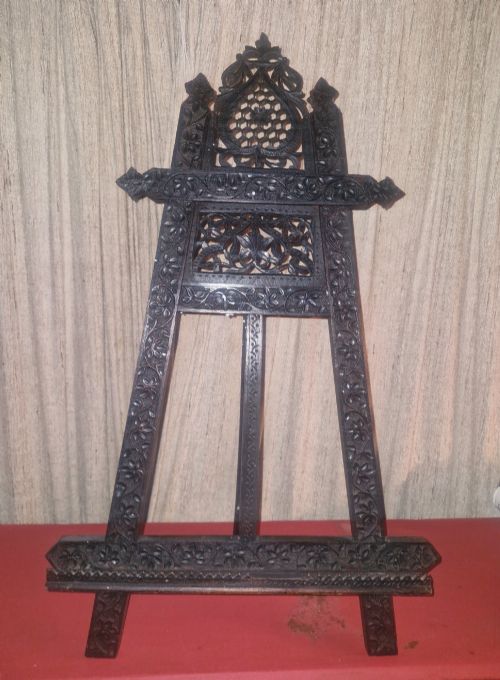
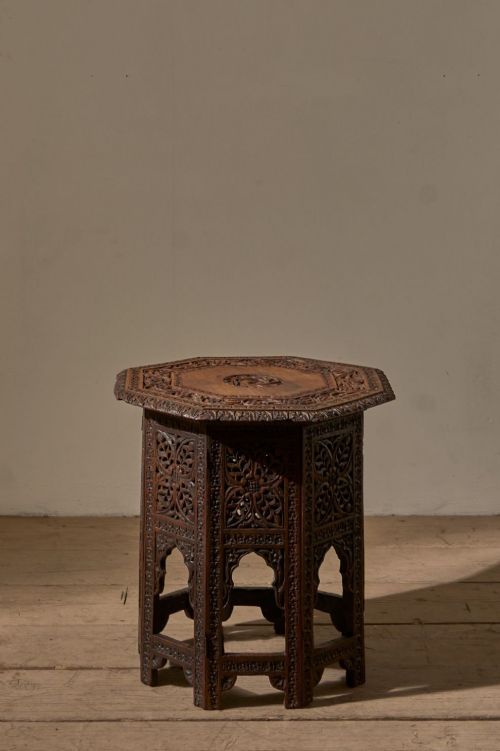
The objects serve varied domestic functions, functioning as altars, display easels, jardiniere pedestals and folding campaign tables. Buyers encounter forms ranging from small desk accessories and book slides to larger cabinets and console tables, all united by elaborate woodwork.
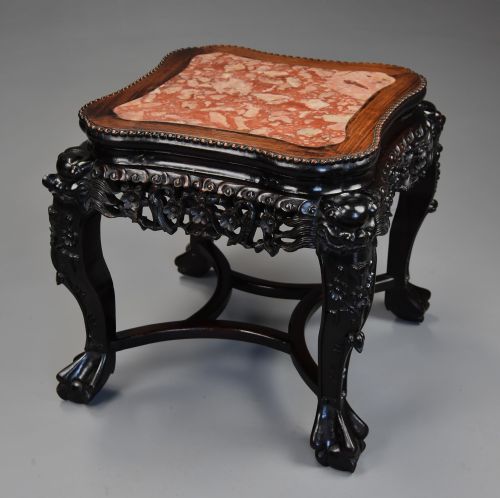
The aesthetic bridges traditional Chinese export styles and Anglo-Indian colonial design, reflecting global trade and craftsmanship of the nineteenth and twentieth centuries. Surfaces often incorporate inset marble or copper tops alongside deep, openwork carving.
Materials and construction methods
Craftsmen utilised dense timbers such as rosewood, padauk wood, teak and general dark hardwoods capable of supporting intricate pierced designs without splitting. These materials provided the natural strength required for open fretwork and deep relief carving.
Joinery techniques often involved precise framing to accommodate floating panels, marble insets or folding mechanisms suited to campaign use. Artisans combined traditional mortise and tenon joints with hand-carved detailing executed entirely with chisels and gouges.
Listings feature items spanning the nineteenth century, Victorian era, Edwardian period and early twentieth century up to nineteen thirty.
Distinctions in craftsmanship
Quality separates pieces by the depth, crispness and ambition of the carving, where inferior examples exhibit shallow tooling and soft edges. Superior items display deep undercut pierced work with sharp botanical or zoomorphic motifs such as dragons.
The selection and stability of the timber also define standard, as dense exotic woods like padauk and rosewood retain structural integrity in delicate fretwork better than softer substitutes. Furthermore, the seamless integration of inset marble tops or functioning folding mechanisms indicates superior workshop capability.
The Pierced Carved Hardwood Stand Glossary
- Hardwood
- Timber derived from broad-leaved trees, offering the density and fine grain necessary for intricate carving and structural stability. Woods such as teak, rosewood and padauk fall into this category.
- Pierced carving
- A decorative technique where the background of the timber is cut entirely away to create an openwork pattern with spaces showing through the design. This method defines the elaborate friezes seen on many stands.
- Jardiniere stand
- A tall pedestal or small table specifically designed to support a plant pot or flower bowl. These stands often feature elevated platforms and water-resistant stone or marble insets.
- Campaign table
- A portable item of furniture designed to fold or dismantle for easy transport by travellers or military officers. Examples in this category utilise folding wooden frames.
- Padauk wood
- A heavy, durable reddish-brown tropical hardwood prized for its resilience and rich colour. It appears frequently in nineteenth-century Anglo-Indian furniture.
Pierced Carved Hardwood Stand: Frequently Asked Questions
What is a pierced carved hardwood stand used for?
These stands serve as decorative platforms for displaying vases, jardinieres, table screens or pictures within a room. Their sturdy construction also allows them to function as small side tables or low occasional surfaces.
Historically, they accommodated plants, ceramics and ritual objects in both Chinese and colonial Anglo-Indian interiors. Today, they remain practical furniture pieces for holding everyday household items while adding sculptural interest.
How do I identify a Qing Dynasty stand?
Qing Dynasty stands typically feature traditional Chinese motifs, dense hardwoods like rosewood or padauk, and intricate hand-carved details. Many incorporate shaped marble inset tops designed to safely hold heavy ceramic planters or vases.
The joinery and openwork reflect historical workshops operating in China during the nineteenth and early twentieth centuries. Comparing the specific carving style and timber density helps distinguish these pieces from later reproductions.
What is an Anglo-Indian table?
An Anglo-Indian table is a piece of furniture made in India during the British colonial period, often combining traditional Indian carving techniques with European furniture forms. These items frequently utilise teak or padauk wood and may include folding mechanisms for transport.
Common examples include campaign tables, dragon-themed side tables and copper-topped stands. They reflect the cross-cultural exchange of design during the Victorian era.
Are these stands suitable for daily use?
Most hardwood stands are built from dense timbers that provide the necessary strength for supporting everyday objects like lamps or small decorative items. Their solid construction handles regular placement of items without losing stability.
Care should be taken with delicate pierced fretwork and inset marble or copper surfaces to prevent impact damage. Using coasters or protective pads helps preserve the antique finish during routine use.