


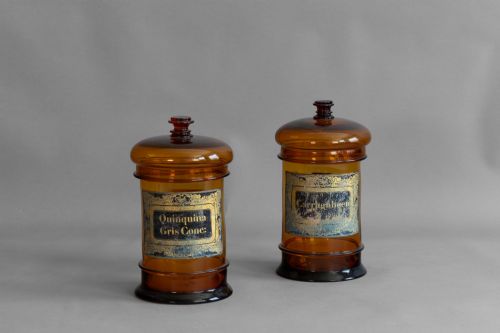
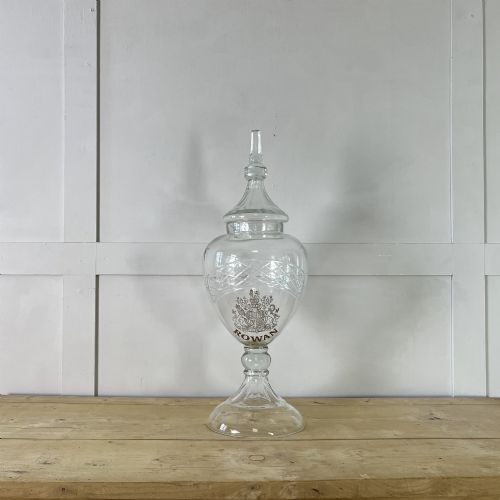


Pharmacy Glass Jar
These pharmacy glass jar examples span the Georgian, Victorian, and Edwardian eras, offering functional utility and striking colour for modern interiors.
Pharmacy Glass Jar
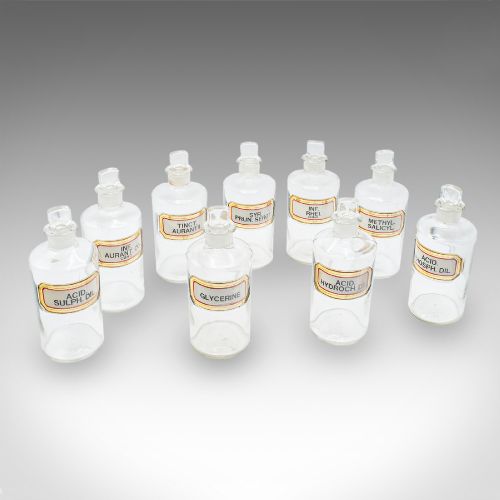
A pharmacy glass jar represents the utilitarian vessels of historical chemists, apothecary shops, and dispensaries. When you search for a pharmacy glass jar, you encounter diverse forms ranging from large display carboys to small medicine bottles.
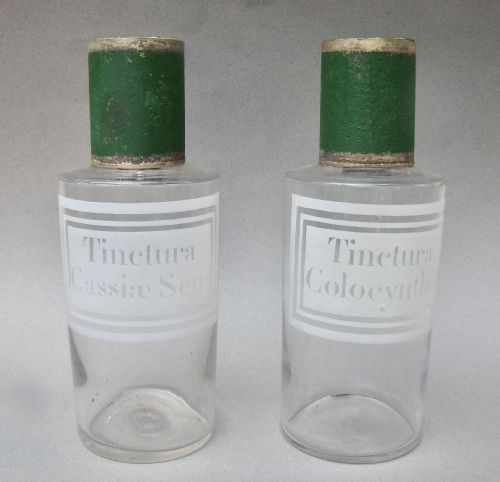
The pieces on this page originate predominantly from the nineteenth and early twentieth centuries, encompassing Victorian, Edwardian, and Georgian periods. You will frequently find chemist bottles, tincture jars, and display vessels fitted with glass stoppers or paper labels.
Materials and construction
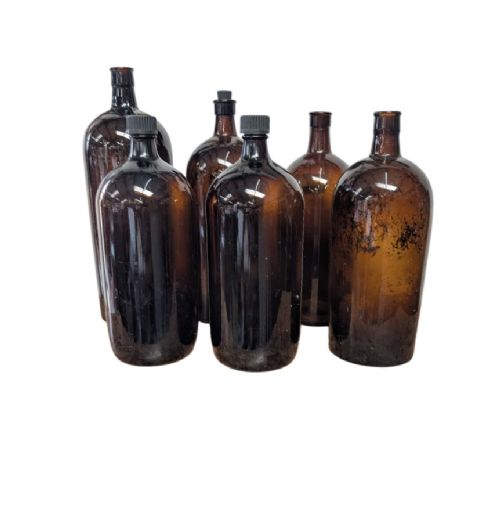
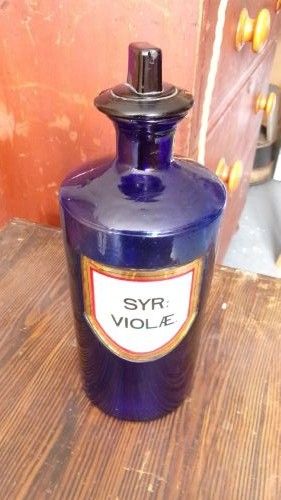
These items are fashioned primarily from blown glass and clear glass, alongside distinctive coloured variants in amber, Bristol blue, and uranium glass. Artisans shaped the vessels by hand, resulting in bubbles and irregularities characteristic of early production methods.
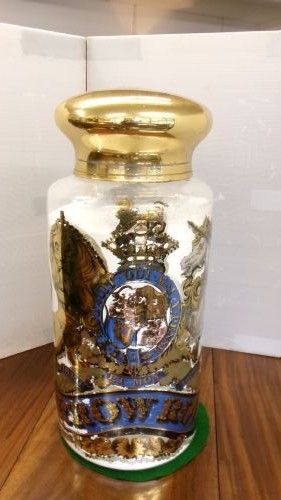
Secondary materials appear in specific contexts, utilising gold leaf and paint for lettering, paper for descriptive labels, and brass fittings on related table lamps and storage chests.
Pharmacy Glass Jar Retail Price Guide 2026
Typical asking prices for pharmacy glass jar among the pieces listed under this phrase on Sellingantiques today, from the lower quarter to the upper quarter. They describe what is for sale here now, not the wider market.
Listings feature items from the Georgian, Victorian, and Edwardian eras, utilising clear, amber, Bristol blue, and uranium glass.
Factors determining quality
Quality in these vessels rests upon the depth and purity of the glass colour, whether in rich Bristol blue, deep amber, or transparent clear metal. The presence of original stoppers and intact hand-painted or gold leaf labels elevates the desirability of a piece.
Proportion and scale also define the hierarchy, distinguishing substantial carboys and display jars from standard utility bottles. The clarity of the glass and the crispness of any acid-etched decoration further separate ordinary utilitarian containers from finer examples.
The Pharmacy Glass Jar Glossary
- Carboy
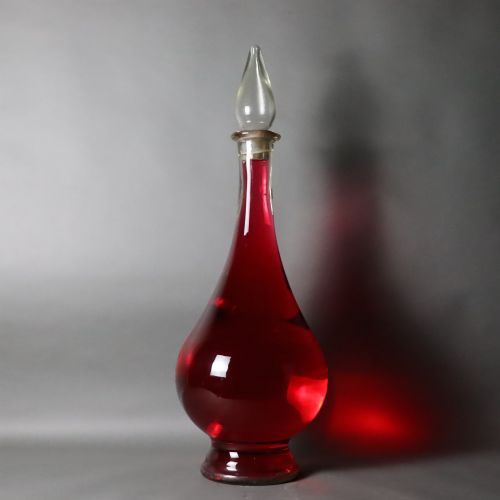
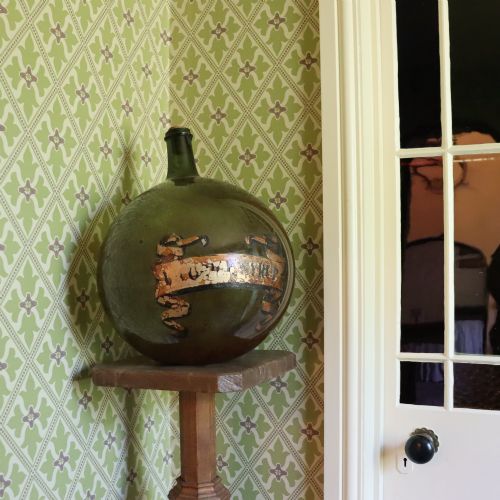
- A large, bulbous glass vessel used in laboratories and pharmacies for holding liquids in bulk. They often feature heavy blown glass construction designed to sit directly on the floor or a sturdy counter.
- Tincture bottle
- A smaller glass bottle specifically designed to hold alcoholic medicinal extracts. These typically include ground glass stoppers to maintain airtight seals.
- Uranium glass
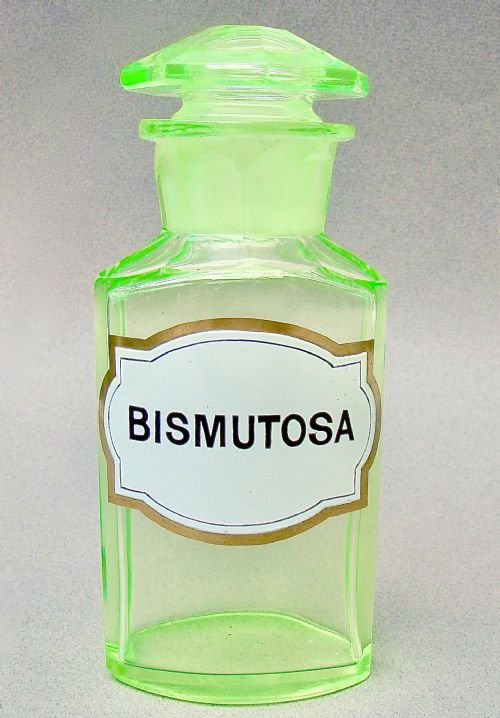
- Glass tinted with uranium oxide that glows vibrant green under ultraviolet light. It appears in nineteenth-century apothecary wares.
- Bristol blue
- A deep, cobalt-coloured glass produced historically in the English city of Bristol. Chemist bottles utilised this shade to protect light-sensitive contents.
Pharmacy Glass Jar: Frequently Asked Questions
What were pharmacy jars used for?
These vessels stored dried herbs, chemical compounds, liquids, and prepared medicines in historical dispensaries and apothecary shops. They kept ingredients protected from moisture and light.
Larger carboys held bulk liquids, while smaller bottles sat on shelves with paper or painted labels to identify specific drugs and tinctures.
Are original glass stoppers important?
Original matching stoppers significantly contribute to the completeness and desirability of a pharmacy jar. Finding a vessel that retains its factory-ground stopper is a distinct advantage for collectors.
Many surviving bottles lost their stoppers through daily use in the dispensary, making intact pairs or matched sets particularly notable.
How do I date a glass pharmacy jar?
Dating relies on manufacturing techniques such as pontil marks on the base, bubble distribution within the blown glass, and stylistic cues of the labels. Georgian and early Victorian pieces often display heavier glass and rougher pontils.
Later Victorian and Edwardian examples show more refined industrial moulding techniques, machine tooling, and standardised stopper designs.