





Glass Apothecary Stopper
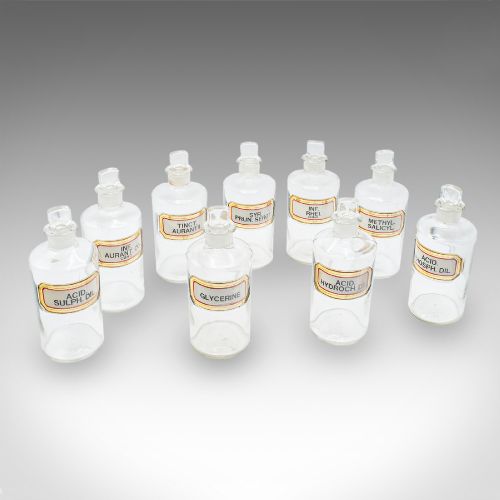
A glass apothecary stopper seals the historic chemist jars and pharmacy bottles that bring tactile weight and translucent colour to a room.
Glass Apothecary Stopper
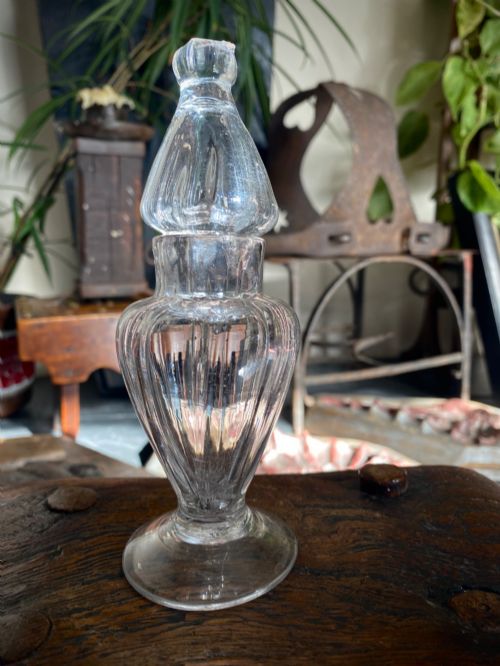
A glass apothecary stopper is the hand-formed closure belonging to antique chemist bottles, tincture jars, and pharmacy vessels found across the Victorian, Georgian, and early twentieth-century periods. These stoppers range from simple rounded knobs to prominent lollipop shapes and faceted forms designed to seal contents securely.
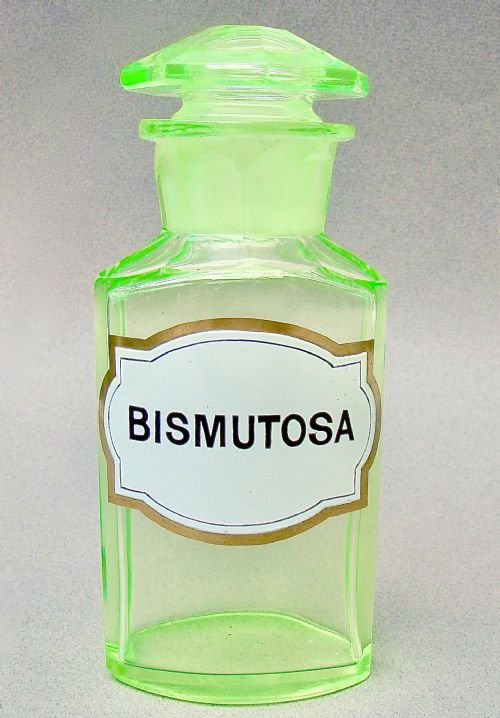
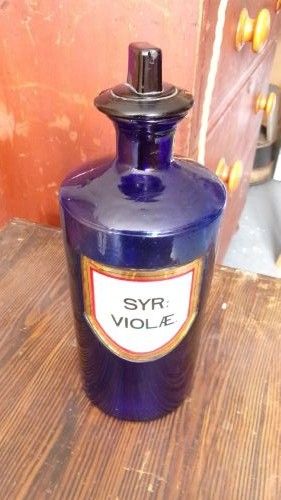
Most examples encountered here arrive alongside nineteenth-century and Victorian chemist bottles, though earlier Georgian specimens and turn-of-the-century carboys also appear. Buyers select these items for their rich tinted glass, including Bristol blue and uranium green, as well as their authentic historical utility.
Manufacturing methods
These pieces rely on traditional techniques of blown glass and hand-blown glass fabrication, where molten material is gathered on a blowpipe and shaped manually. This process often leaves slight irregularities, pontil marks, and tiny trapped air bubbles within the body of the stopper.
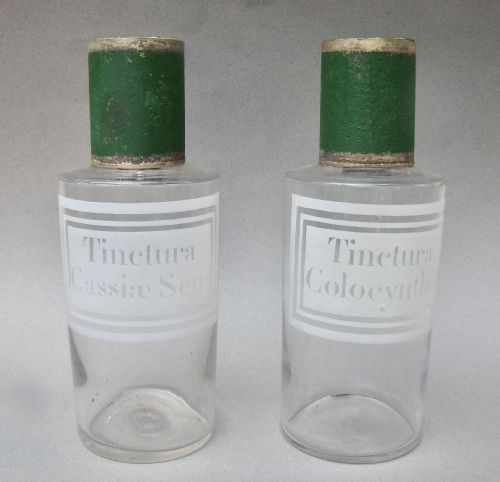
Materials span clear glass, cobalt glass, and uranium glass, occasionally enhanced with gold leaf, paint, or paper labels applied during the period of use. Each stopper was ground by hand to fit the specific neck of its companion jar or bottle.
Glass Apothecary Stopper Retail Price Guide 2026
Typical asking prices for glass apothecary stopper among the pieces listed under this phrase on Sellingantiques today, from the lower quarter to the upper quarter. They describe what is for sale here now, not the wider market.
Assessing quality
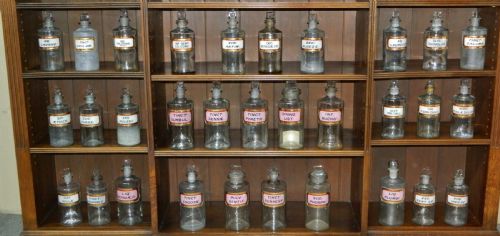
Quality rests on the depth and saturation of the glass colour, such as the rich intensity of Bristol blue or cobalt examples, alongside the clarity of hand-blown forms. Matching pairs and complete sets retain greater integrity than isolated survivors.
The degree of hand-finishing, including precise facet cutting on lollipop stoppers and the preservation of original paper labels or gilt decoration, distinguishes finer specimens from standard utility wares.
The Glass Apothecary Stopper Glossary
- Lollipop Stopper
- A closure featuring a flat, circular disc top above a tapered ground-glass stem. This form provides a substantial thumb grip for frequent removal in busy dispensaries.
- Pontil Mark
- The rough scar left on the glass where the punty rod was detached after blowing. Its presence confirms traditional handmade production methods.
- Bristol Blue
- A deep cobalt-coloured glass produced historically in the West of England. Chemist bottles utilising this hue protected light-sensitive contents.
- Tincture Bottle
- A narrow-necked vessel used to hold alcoholic plant extracts and medicinal solutions. These typically require a tightly ground glass stopper to prevent evaporation.
- Carboy
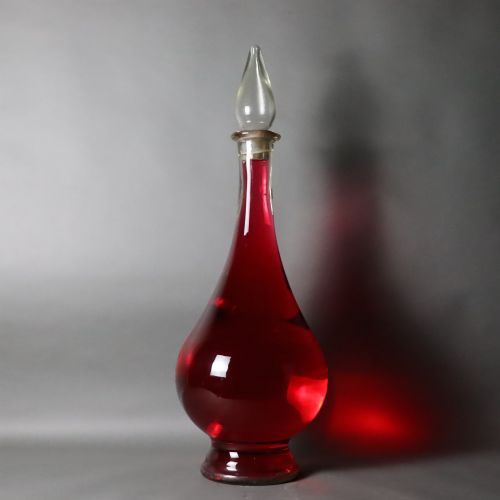
- A large, bulbous glass vessel used for storing bulk liquids. These heavy containers often feature substantial matching stoppers.
Glass Apothecary Stopper: Frequently Asked Questions
What is a glass apothecary stopper?
A glass apothecary stopper is a shaped glass closure designed to seal historic chemist jars, tincture bottles, and pharmacy vessels tightly.
These stoppers were individually ground to fit their specific containers, preventing air and moisture from spoiling the medicinal contents within.
How do I date antique pharmacy bottles?
Dating relies on observing manufacturing traits such as pontil marks, glass colour, and the method of lip formation on the bottle neck.
Victorian and Georgian pieces often display deeper colour saturation, hand-blown irregularities, and original paper or painted labels that indicate their era of service.
Are stoppers and bottles original to each other?
Many surviving bottles retain their original hand-ground stoppers because each closure was shaped specifically for its container during manufacture.
Slight variations in the ground-glass joint can sometimes indicate a later pairing, though period replacements remain common in historic glassware.
How should I clean antique chemist glass?
Gentle washing with warm water and mild soap is recommended to preserve delicate interior residue, old paint, and original paper labels.
Avoid soaking pieces with paper or painted decoration, as moisture can easily lift historic adhesives and surface pigments.