
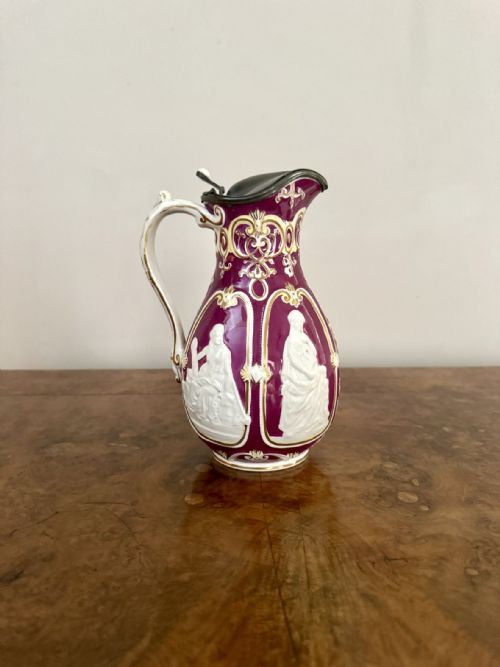


Pewter Lid Pitcher
These pewter lid pitcher pieces combine metalwork and ceramics to serve liquids, offering functional history for your table.
Pewter Lid Pitcher
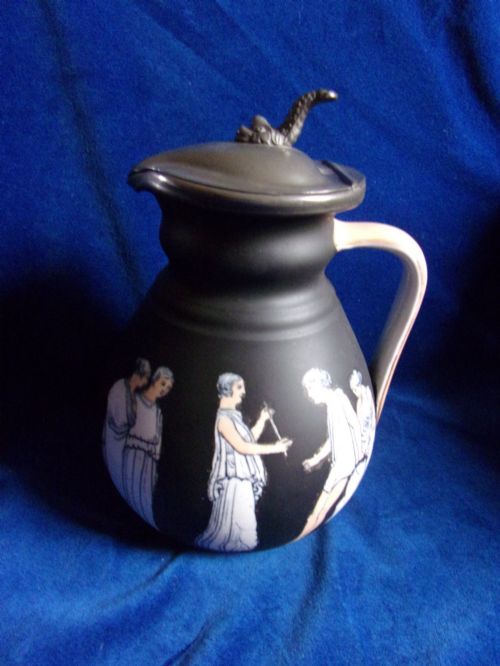
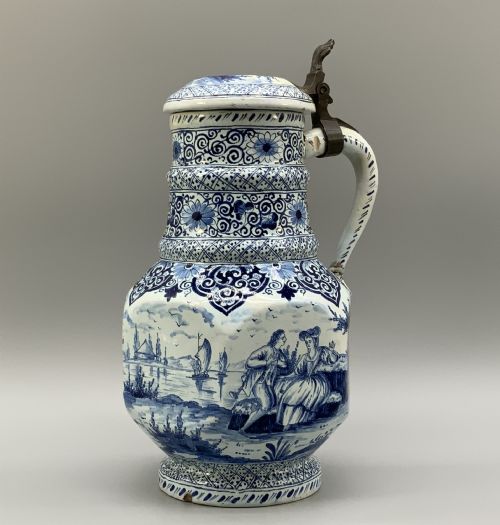
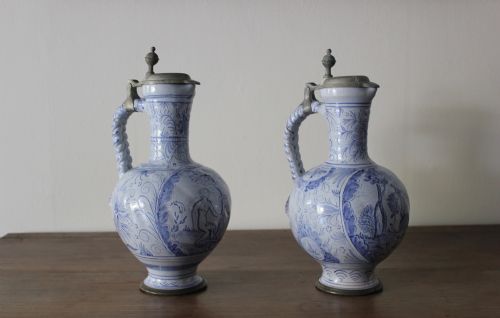
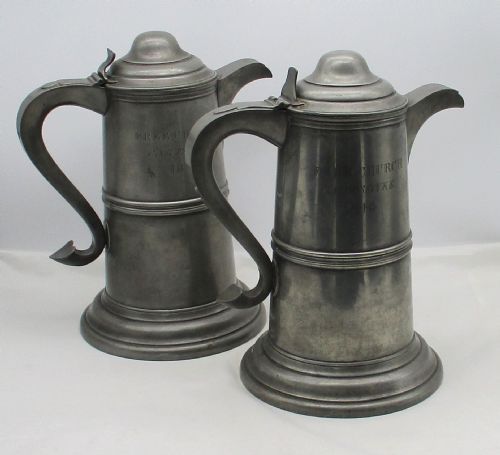
A pewter lid pitcher brings together vessels designed for serving water, beer, or church wine with fitted metal covers. When exploring a pewter lid pitcher, you encounter forms ranging from Dutch Delft blue and white pottery to stoneware, porcelain, and plain metal flagons.
The objects span periods from the eighteenth and nineteenth centuries, including Georgian and Victorian examples alongside Art Nouveau and Arts and Crafts designs. Most pieces you meet on this page are earthenware jugs, flagons, ewers, or tappit hens fitted with secure metal lids.
Origins stretch across England, Ireland, Scotland, Jersey, Guernsey, Germany, and the Netherlands. These regional variations shape whether a vessel takes the form of a tall spire flagon or a relief-moulded earthenware jug.
Materials and construction
Makers utilised metal casting for the lids and bodies of flagons, shaping pewter into flat-lidded forms, spire flagons, and tappit hens. Lead-free alloy formulas varied by region, giving each metal piece its distinct weight and surface grain.
Ceramic vessels combined tin-glazed earthenware, white stoneware, and porcelain with metal mounts. Potters shaped these bodies on the wheel or pressed clay into moulds, applying salt glaze, blue glazes, or relief moulding before attaching the hinged metal covers.
A Scottish pint proved a generous thirst, holding nearly three times the volume of an English pint in traditional tappit hen measures.
Assessing quality in vessels
Quality rests on the crispness of the metal casting and the precision of the hinge mechanism uniting the lid to the body. Superior pewter pieces retain clear maker stamps, maker crests, and capacity marks without excessive wear or repair.
For ceramic and earthenware bodies, excellence shows in the sharpness of relief-moulded details, such as bacchanalian scenes or hop decorations, and the even application of salt glaze or blue and white pigments.
John Heaney·Robert Iles·Charles Meigh·John De St Croix
The Pewter Lid Pitcher Glossary
- Flagon
- A large vessel with a handle and spout or lip, traditionally used for holding liquids or church wine. Many examples feature hinged metal covers.
- Tappit hen
- A traditional Scottish shape of pewter drinking measure featuring a lid with a knob on top. The capacity typically corresponds to specific historical liquid measures.
- Spire flagon
- A tall drinking vessel featuring a steeply tapered lid resembling a spire. These pieces are frequently found in eighteenth-century English metalwork.
- Tin-glazed earthenware
- Pottery covered with a tin-opacified glaze that provides a white surface for painted decoration. This technique is prominent in Dutch Delftware production.
Pewter Lid Pitcher: Frequently Asked Questions
How do I clean a pewter lid pitcher?
Wash the vessel gently using warm water and mild dish soap, drying it immediately with a soft cloth to prevent water spots. Avoid abrasive scourers or harsh chemical polishes that can damage the antique metal surface.
For ceramic bodies with metal lids, take care not to submerge the hinge mechanism for extended periods. Ensure the lid dries completely around the pin and thumbpiece to prevent corrosion.
What is the difference between a flagon and a jug?
A flagon generally refers to a larger vessel with a secure lid, often associated with church services or communal drinking, possessing a distinct medieval lineage. Jugs typically feature an integrated pouring lip and serve domestic table functions.
In older metalwork, flagons often display strict capacity standards and flat or spire lids. Domestic jugs from the nineteenth century are more commonly formed from earthenware or stoneware with mounted metal covers.
Are these pitchers safe for daily use?
While these vessels were originally made for holding beverages, older pewter alloys may contain trace elements that make modern consumption inadvisable. Many collectors prefer to display them as decorative historical objects rather than functional tableware.
Ceramic examples with tin glaze or salt glaze can also develop hairline cracks over centuries. Assessing the interior condition helps determine whether a piece remains suitable for holding liquids.
How can I date an antique pewter lid?
Dating relies on the shape of the thumbpiece, the style of the hinge, and any touchmarks or capacity stamps stamped into the metal. Flat lids and spire forms generally point toward the eighteenth century, while Art Nouveau designs indicate the late nineteenth or early twentieth century.
Maker marks and touchmarks recorded in regional metalwork registers provide further chronological clues. Comparing the handle profile and body proportions against documented examples narrows the production window.