




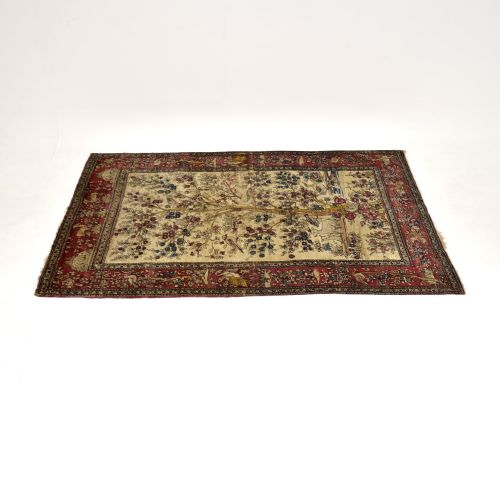

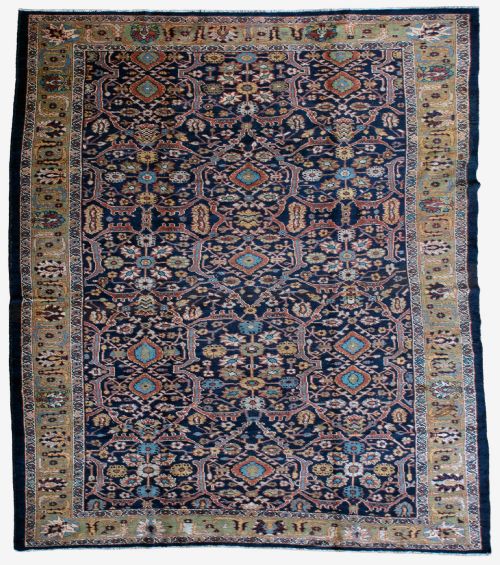
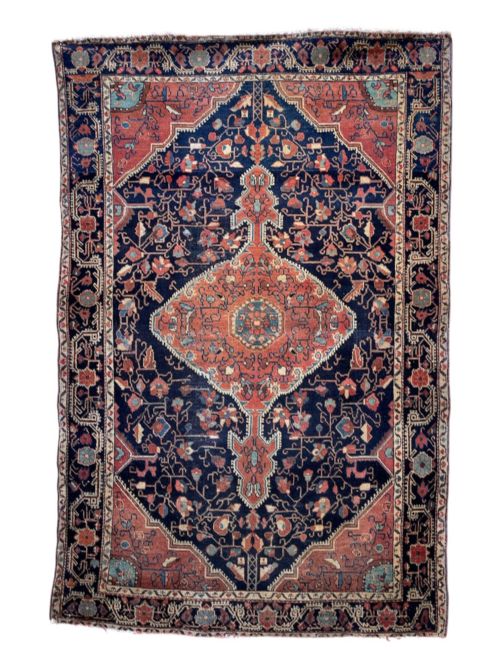
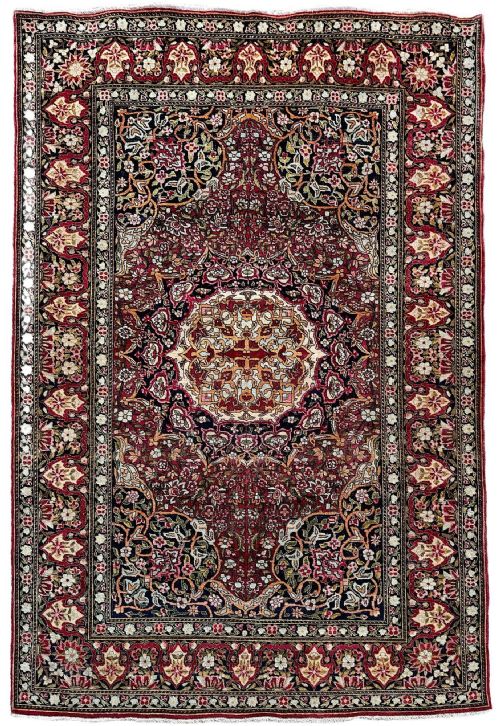
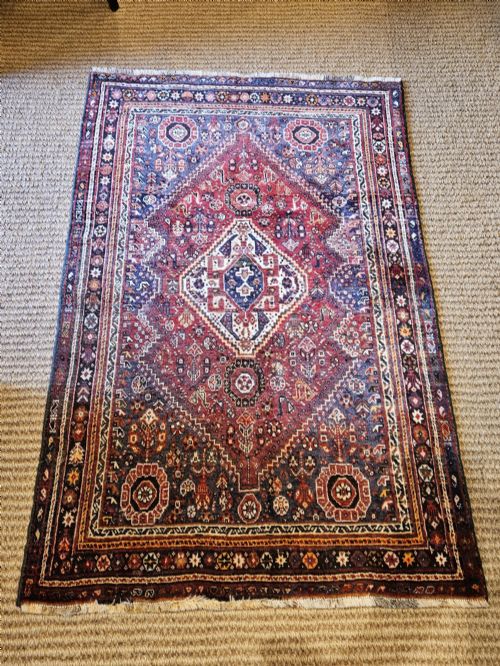
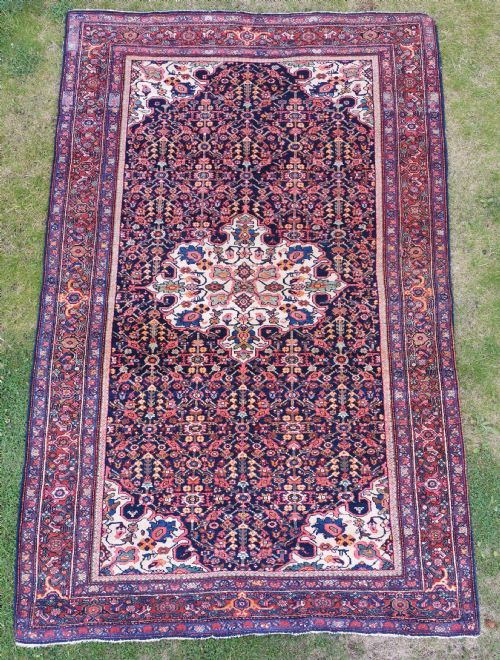
Persian Wool Floor Carpet
A fine Persian wool floor carpet brings genuine depth and historic texture to a room, anchoring the space with centuries of weaving tradition.
Persian Wool Floor Carpet
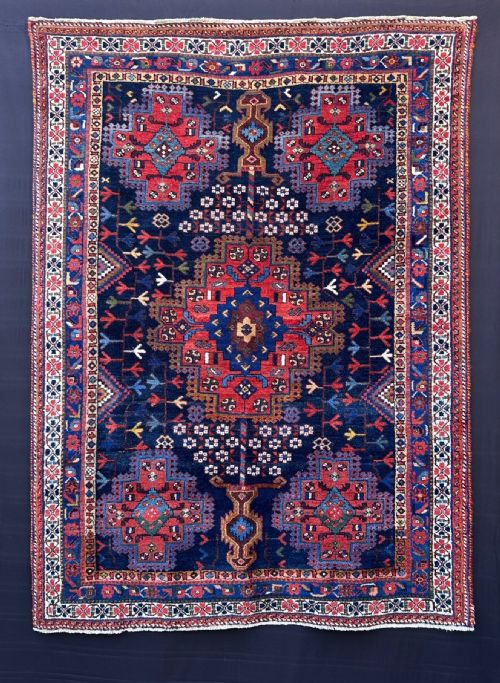
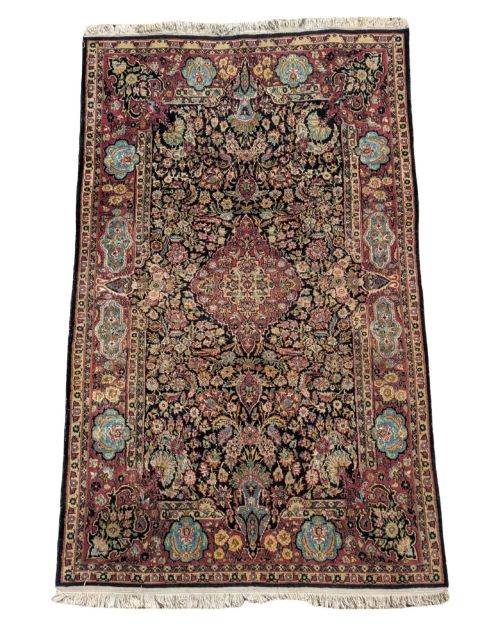
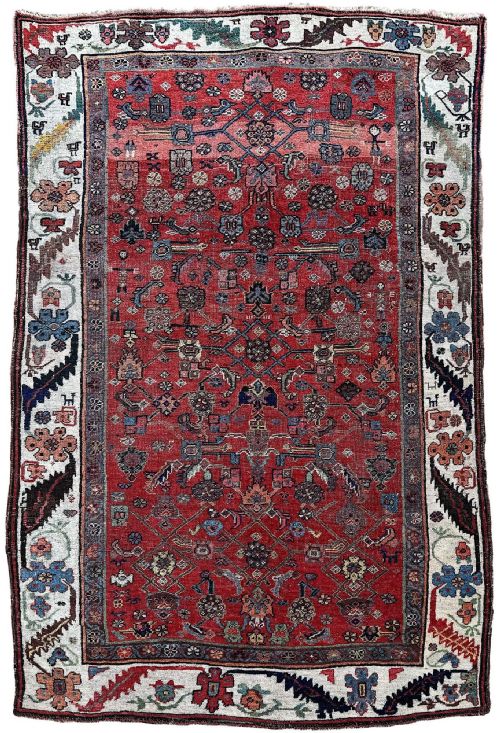
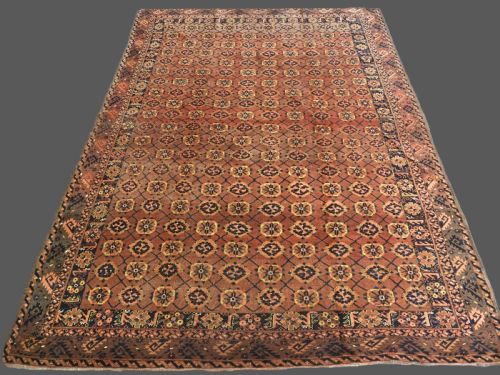
A Persian wool floor carpet is a traditional textile designed for domestic interiors, originating from various distinct weaving centres across Iran. When you search for this phrase, you encounter large formats alongside smaller rugs, representing different regional aesthetics and production eras.
The selections available here span several decades and centuries, featuring pieces dated from the mid-nineteenth century through to the early twentieth century. Common stylistic variants include specific regional types such as Bakshaish, Ziegler, Jozan, Malayer, Bijar, Sarouk, and Tabriz.
Most examples function primarily as area rugs or large floor coverings, showcasing intricate field designs and traditional border arrangements. Buyers frequently find pieces originating from West Persia alongside other celebrated regional workshops.
Materials and Construction
These carpets rely on natural wool for the pile, providing resilience, warmth, and a rich surface texture underfoot. Foundation elements typically utilise sturdy cotton to ensure structural stability and maintain the precise geometry of the woven design.
Master weavers knotted the wool pile by hand onto the cotton foundations, employing traditional techniques passed down through generations. This meticulous method results in dense, durable textiles capable of withstanding heavy daily use while retaining their visual intricacy.
Persian Wool Floor Carpet Retail Price Guide 2026
Typical asking prices for persian wool floor carpet among the pieces listed under this phrase on Sellingantiques today, from the lower quarter to the upper quarter. They describe what is for sale here now, not the wider market.
The listings span periods from eighteen-fifty to nineteen-thirty, incorporating wool and cotton materials across multiple Persian styles.
Assessing Quality and Execution
Quality in these carpets rests upon the tightness of the knotting and the precision with which the regional motifs are executed. Finer examples display remarkable clarity in the medallion and floral arrangements, reflecting the superior skill of the original weaver.
The depth and harmony of the natural dye palette also dictate the standing of a piece within its category. Carpets that retain rich, saturated tones and balanced secondary colours demonstrate a higher grade of craftsmanship and material selection.
The Persian Wool Floor Carpet Glossary
- Pile
- The upright yarn loops or cut ends that form the soft surface of the carpet. This layer absorbs wear and displays the woven design.
- Foundation
- The underlying structure of warp and weft threads that supports the knotted pile. Cotton is frequently utilised for this framework.
- Medallion
- A large, symmetrical ornamental motif placed at the centre of the carpet field. Many traditional designs revolve around this focal point.
- Warp
- The vertical threads stretched tightly on the loom before the weaving begins. The knots are tied around these foundational elements.
- Weft
- The horizontal threads passed back and forth between the warp threads to lock the rows of knots in place. This contributes to the overall firmness of the textile.
Persian Wool Floor Carpet: Frequently Asked Questions
How do I clean an antique carpet?
Gentle surface vacuuming without a beater bar removes loose dust and debris effectively.
Professional specialist cleaning is recommended for deep washing to protect the delicate wool fibres and natural dyes.
Can these carpets handle daily foot traffic?
The sturdy construction of hand-knotted wool and cotton makes them suitable for everyday residential use.
Using a quality rug underlay provides additional cushioning and prevents slipping in busy rooms.
How do I identify different regional styles?
Regional types often reveal themselves through specific motif arrangements, such as the geometric patterns of Bakshaish or the floral elegance of Sarouk.
Examining the weave density and palette helps distinguish pieces originating from towns like Tabriz or Bijar.
What is the best way to place a carpet?
Large formats work well centered in living rooms or dining areas to unify the surrounding furniture arrangement.
Ensuring the rug lies flat on a breathable underlay protects the historical foundation from premature friction.