


Persian Weave Carpet
When you handle a persian weave carpet, you touch centuries of knotting tradition rooted in village and tribal workshops across Persia.
Persian Weave Carpet
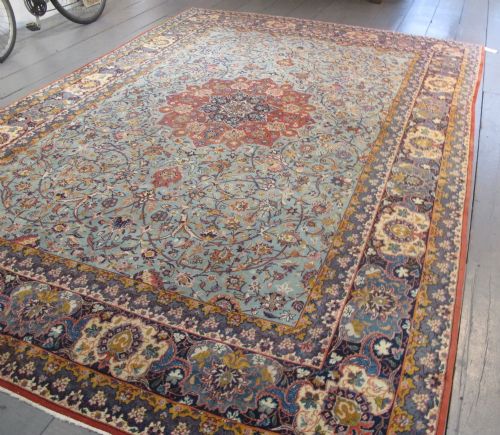
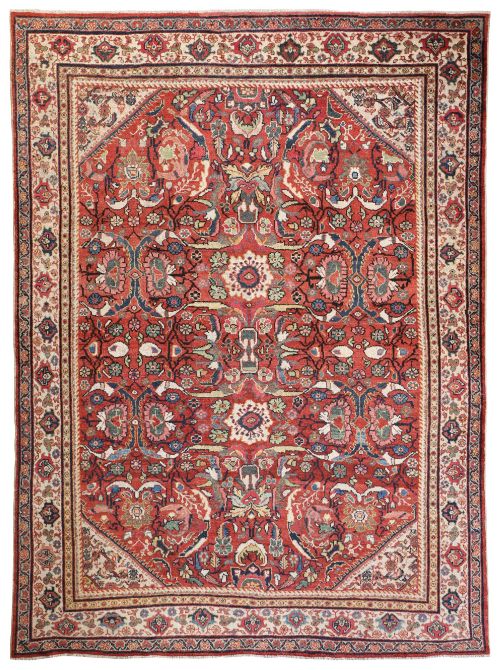
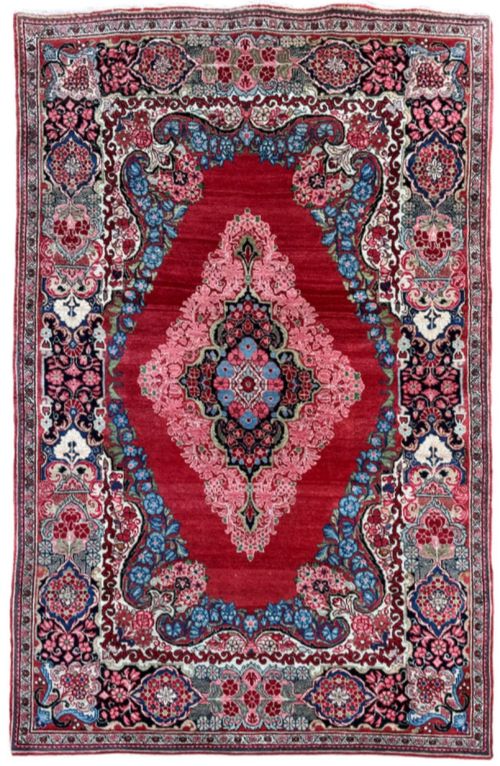
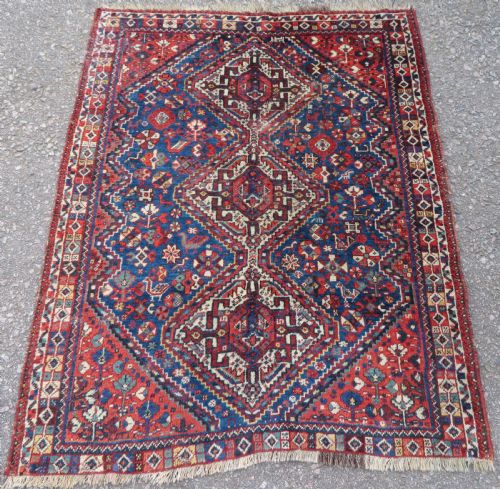
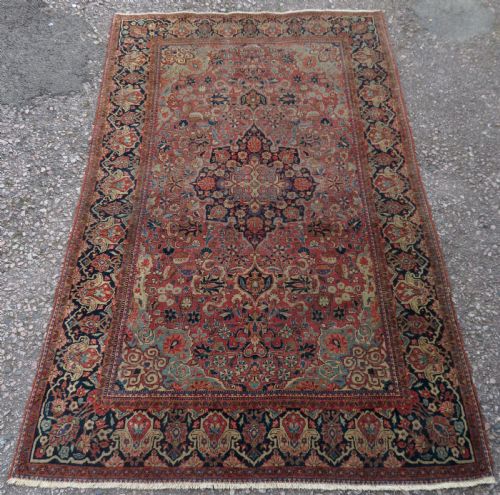
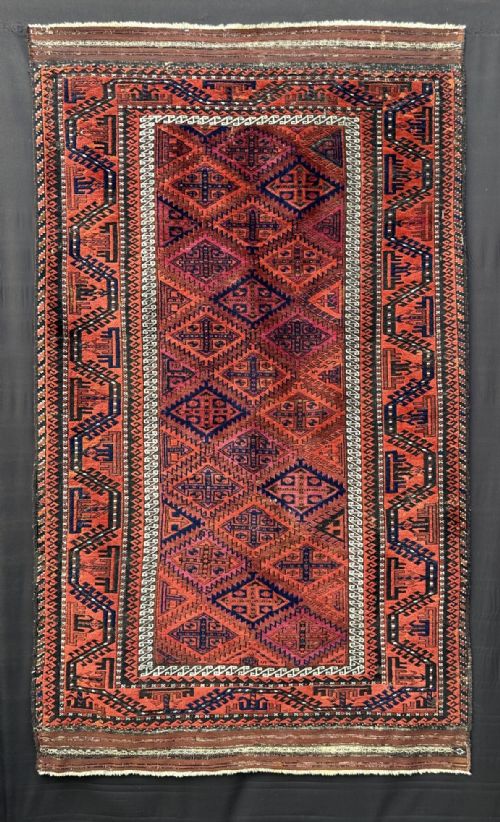
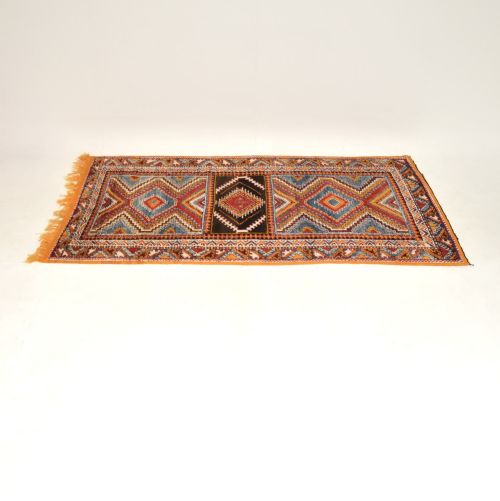
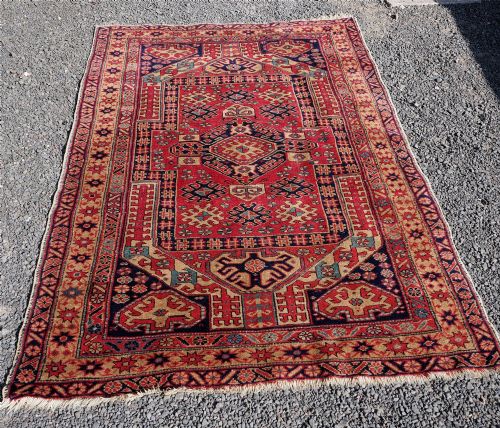
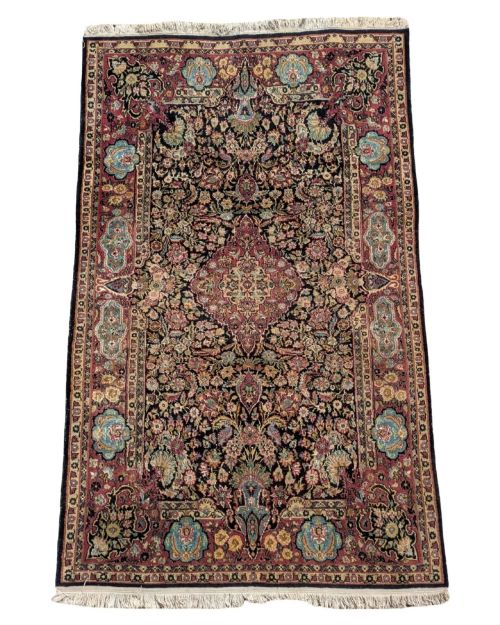
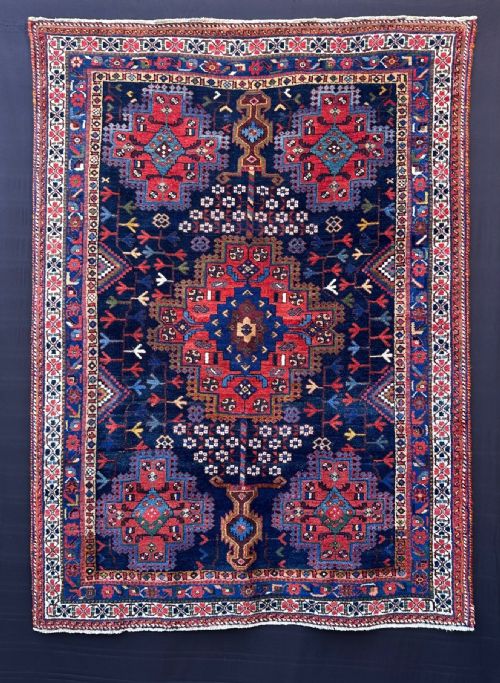
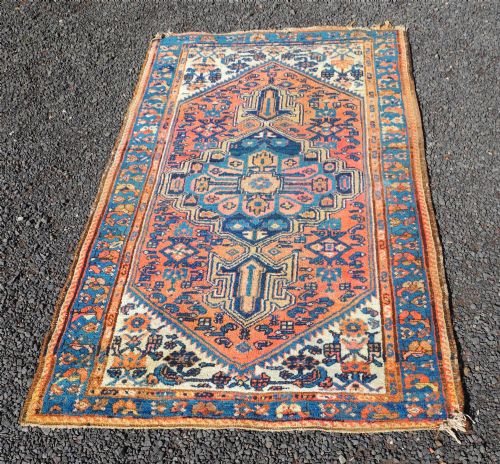
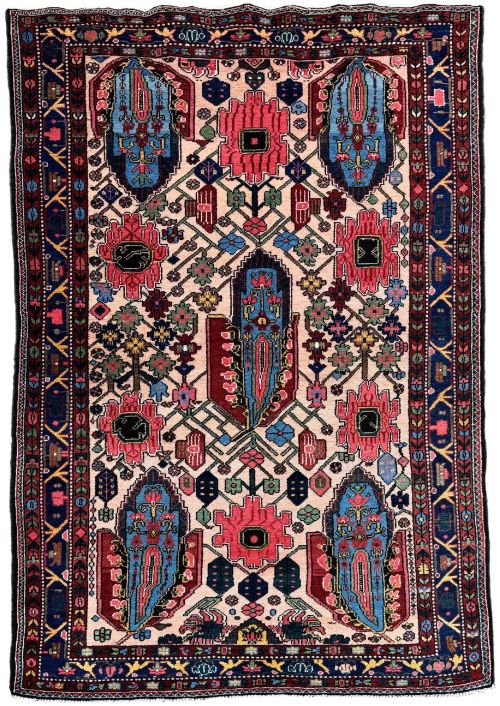
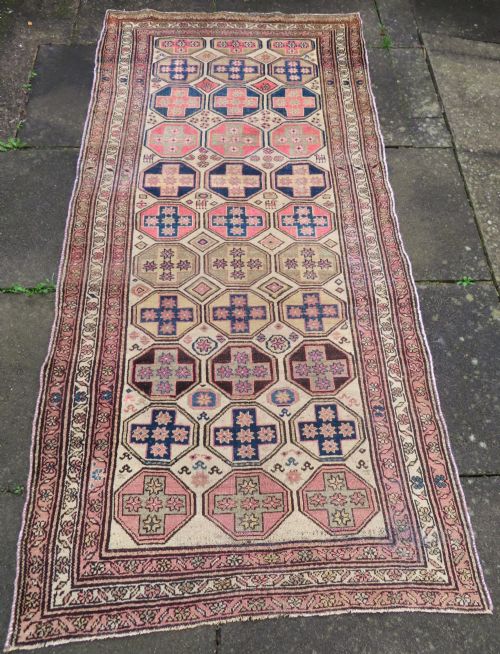
A persian weave carpet encompasses hand-knotted floor coverings and textiles originating from regions like Tabriz, Heriz, Kashan, and Khamseh. Buyers seeking these pieces encounter room-sized carpets, hearth rugs, hallway runners, and tribal saddle covers spanning the nineteenth and twentieth centuries.
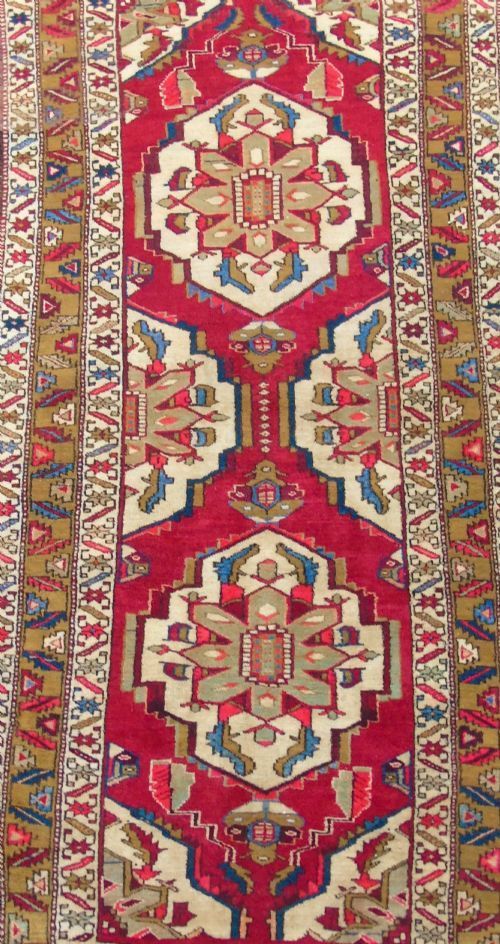
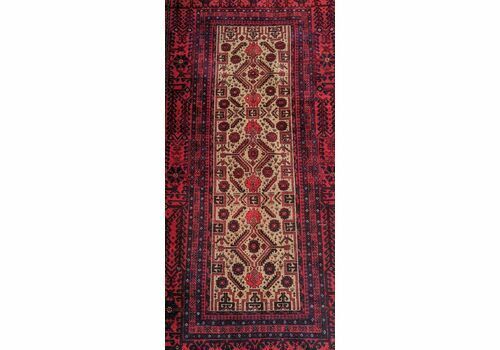
The selection ranges from grand city carpets featuring silk highlights to rustic village and tribal weave pieces created by Kurdish, Baluch, Afshar, and Qashqai makers. Pieces often display geometric medallions, tree of life motifs, or traditional all-over floral designs reflecting their specific provenance.
Materials and construction
Makers constructed these textiles predominantly using wool and cotton foundations, occasionally incorporating hand-spun wool and delicate silk highlights. Natural dyes provided the deep reds, blues, and earth tones seen across village and city productions alike.
The technique relies on meticulous hand-knotting executed on upright looms, creating dense pile surfaces designed to withstand generations of daily use. Tribal and village workshops utilised local materials, resulting in robust structures with distinct regional variations in handle and weight.
Persian Weave Carpet Retail Price Guide 2026
Typical asking prices for persian weave carpet among the pieces listed under this phrase on Sellingantiques today, from the lower quarter to the upper quarter. They describe what is for sale here now, not the wider market.
Historic nomadic weavers occasionally incorporated whimsical animal figures and tiny stray motifs directly into their geometric prayer fields.
Distinctions in craftsmanship
Quality in a persian weave carpet rests upon knot density, the clarity of the design execution, and the fineness of the spun wool or silk materials. Tighter knots allow for sharper geometric or curvilinear definition, particularly in city workshop pieces from centres like Isfahan and Tabriz.
The choice of dyes also dictates visual depth, where natural dyeing methods yield subtle tonal shifts and patina over decades. Uniformity in weave structure and the integrity of the foundational warps and wefts separate standard village items from exceptional collector examples.
The Persian Weave Carpet Glossary
- Medallion
- A central ornamental motif dominating the field of the carpet. This decorative focal point often mirrors corner spandrels in classical workshop designs.
- Warps
- The vertical threads stretched tightly on the loom before knotting begins. These foundational threads form the fringe at either end of the completed textile.
- Wefts
- The horizontal threads passed back and forth between rows of knots to secure the pile. They bind the structure together firmly.
- Pile
- The dense, soft surface of cut yarn forming the upper face of the carpet. Its height and density determine how the textile feels underfoot.
- Kilim
- A flat-woven textile produced without a pile. These pieces often serve as lighter floor coverings or transport bags.
Persian Weave Carpet: Frequently Asked Questions
How do I identify a tribal rug?
Tribal rugs typically display geometric patterns, asymmetrical designs, and rustic wool textures reflecting nomadic life.
They often originate from specific groups such as the Baluch, Qashqai, or Khamseh rather than formal urban workshops.
Where were these carpets made?
Production spans various Persian provinces, including Khorasan, Kerman, and Azerbaijan, as well as specific towns like Tabriz and Kashan.
Each region developed distinct palettes, material choices, and weaving structures passed down through generations.
Are silk highlights common?
Silk highlights appear selectively in certain finer city carpets to accentuate specific floral or architectural details.
Most traditional pieces rely entirely on durable wool and cotton foundations for daily resilience.
How should I care for an antique rug?
Gentle vacuuming without a rotating brush helps remove embedded dust without damaging the hand-knotted pile.
Professional specialist cleaning is recommended to preserve natural dyes and delicate wool or silk fibres.