





Persian Tribal Textile Art
These Persian tribal textile art pieces are nomadic weavings that bring rugged character and rich geometry into a room.
Persian Tribal Textile Art
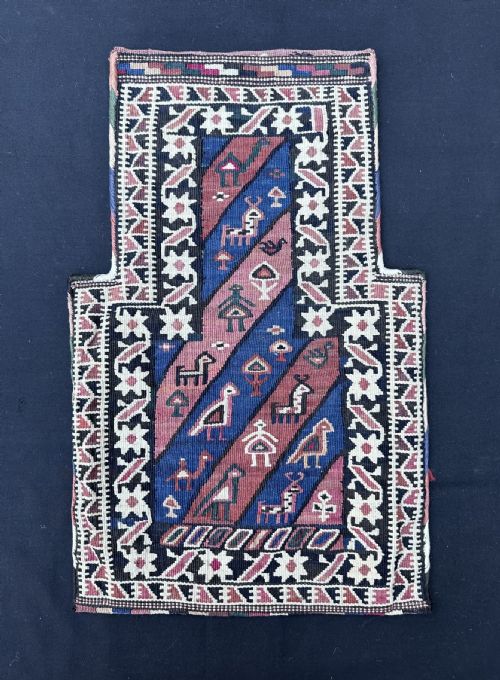
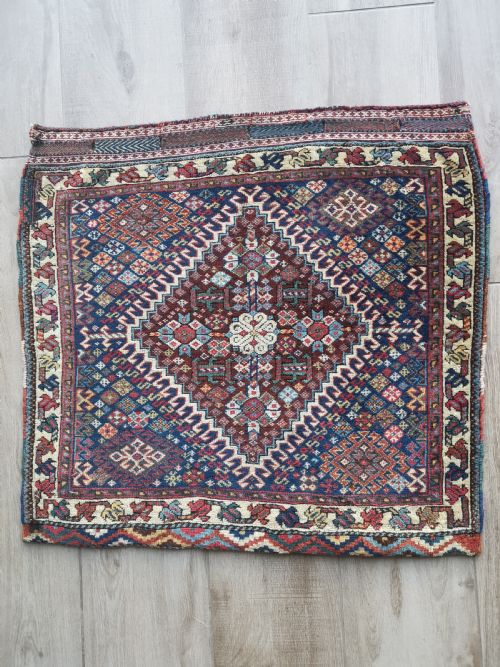
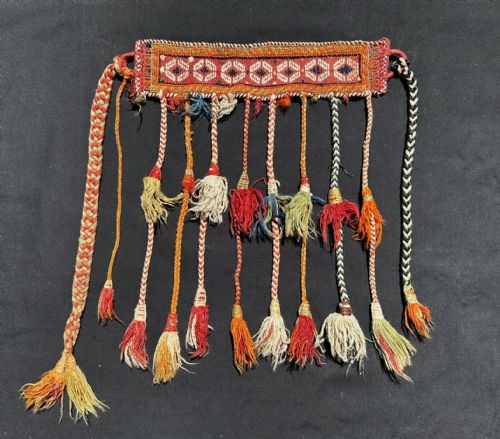
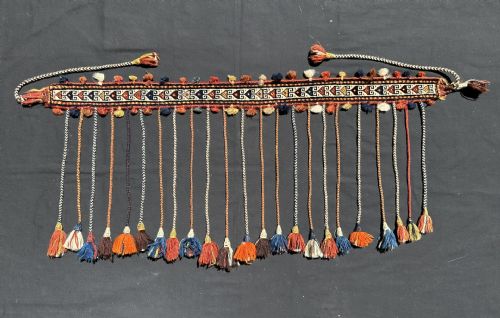
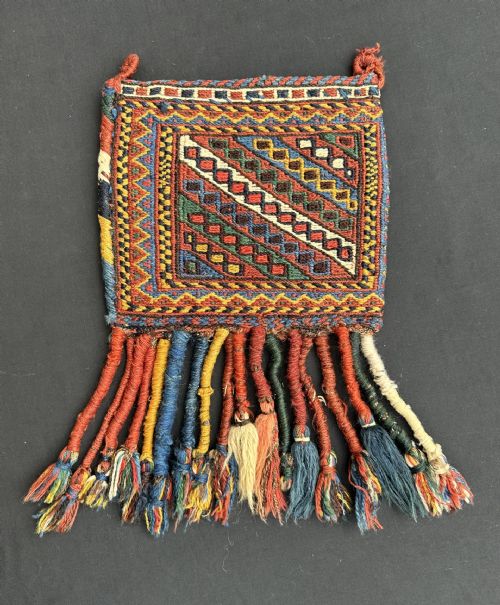
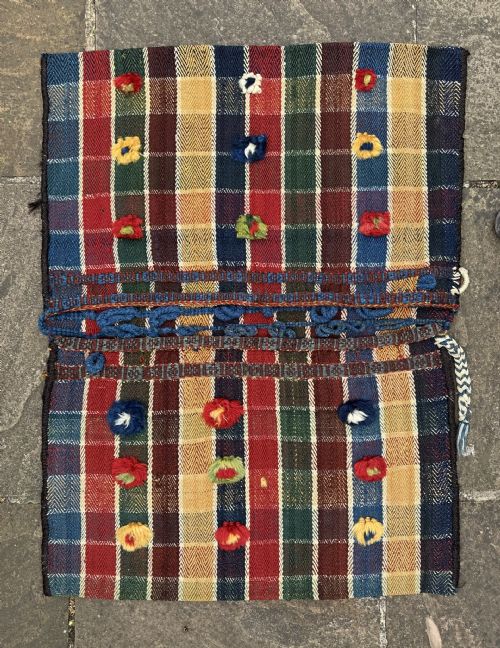
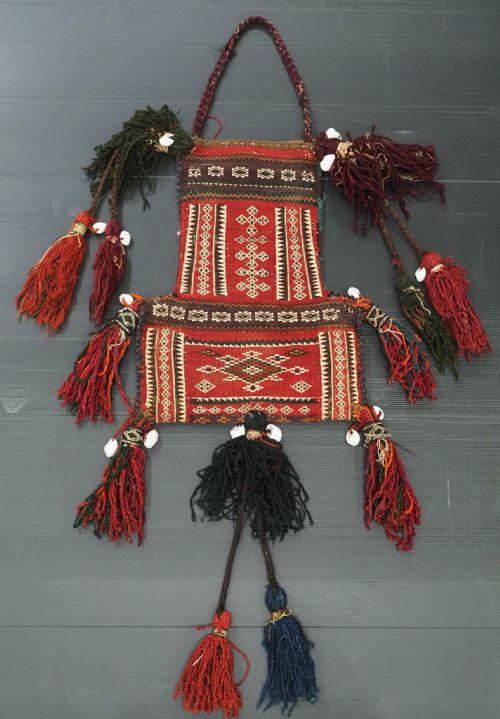
Persian tribal textile art encompasses functional nomadic items such as salt bags, saddle bags, horse decorations, and flatweaves created by various tribal groups across different regions of Persia. Buyers encounter utilitarian objects transformed by intricate weaving traditions, including works originating from the Qashqai, Afshar, Shahsevan, and Bakhtiari tribes.
How they were made
Weavers relied primarily on hand-spun wool and cotton foundations, often incorporating goat hair for durability along edges and bindings. Natural dyes provided the deep reds, blues, and earth tones characteristic of these regional textiles.
Techniques range from standard pile weaving to Soumak flatweaving and kilim structures, depending on whether the item required structural rigidity for holding salt or grain, or decorative flexibility for animal trappings.
What varies in quality
Quality rests in the precision of the tribal motifs, the saturation and depth of the natural dyes, and the fineness of the hand-spun wool. Tightly packed structures and balanced compositions distinguish superior examples from simpler utilitarian pieces.
The integrity of the original edges, complete tassels, and surviving structural elements also influence the standing of an individual weaving within the broader category.
The Persian Tribal Textile Art Glossary
- Namakdan
- A traditional Persian salt bag woven by nomadic tribes for domestic storage. These pieces typically feature narrow necks and wide bases.
- Soumak
- A flatweave technique involving wrapping weft threads around warp threads to create a textured surface resembling embroidery. This method produces strong, durable textiles with crisp geometric patterns.
- Chanteh
- A small tribal vanity or personal bag used by nomads to carry small possessions. They often showcase concentrated bursts of tribal iconography.
- Sofreh
- A flatwoven spread or cloth used for kneading bread and serving meals within nomadic households. These textiles display large field designs governed by tribal customs.
- Jajim
- A flatwoven textile constructed from narrow strips stitched together, often utilising brightly coloured wool or silk. They served diverse practical functions in nomadic tents.
Persian Tribal Textile Art: Frequently Asked Questions
What are these tribal bags used for?
Nomadic groups used these woven pieces for practical storage and transport during seasonal migrations. Salt bags, saddle bags, and wheat sacks held vital provisions and household goods inside tribal tents.
Today, collectors mount these textiles on walls or display them as decorative floor pieces. Their sturdy construction and rich patterns suit modern interiors seeking historical texture.
How do I identify different tribal styles?
Distinct regional motifs and weaving structures help separate groups like the Qashqai, Shahsevan, and Afshar. Colour palettes, border designs, and specific techniques such as Soumak work point directly to particular tribal origins.
Examining the structural materials, including the presence of goat hair or cotton warps, provides further clues to geographic provenance.
Are natural dyes used in these textiles?
Traditional pieces from the nineteenth and early twentieth centuries rely on natural dye sources for their colour palette. These plant and insect extracts yield rich tones that mellow gracefully over time.
Subtle tonal variations within a single field of colour often indicate the use of natural dye baths.
How should I care for a textile?
Gentle vacuuming with low suction protects the fragile wool and cotton fibres from dust accumulation. Keeping the textile away from direct sunlight prevents fading of natural dyes.
Professional cleaning tailored to antique rugs ensures the piece remains stable without damaging historic foundations.