





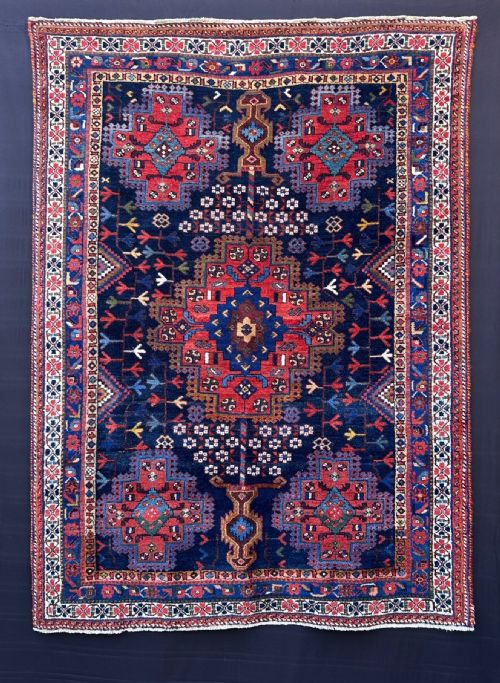
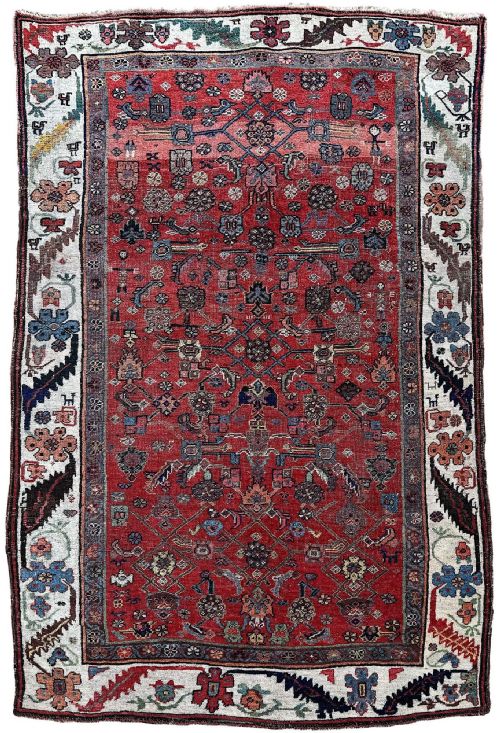
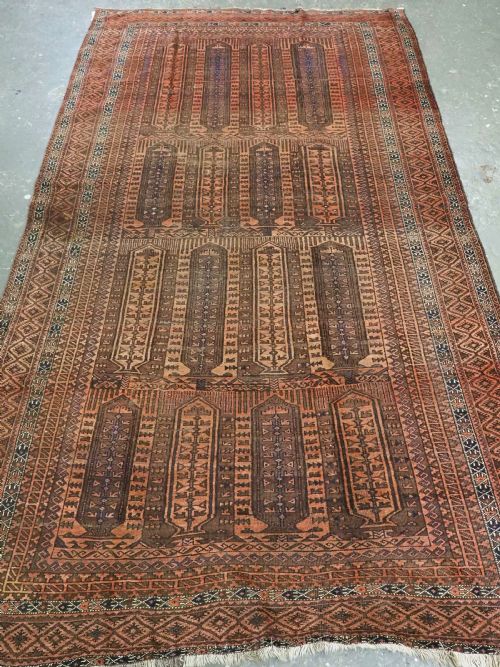
Vintage Tribal Persian Rug
A vintage tribal persian rug brings centuries of nomadic storytelling and rich wool textures directly into your modern living space.
Vintage Tribal Persian Rug
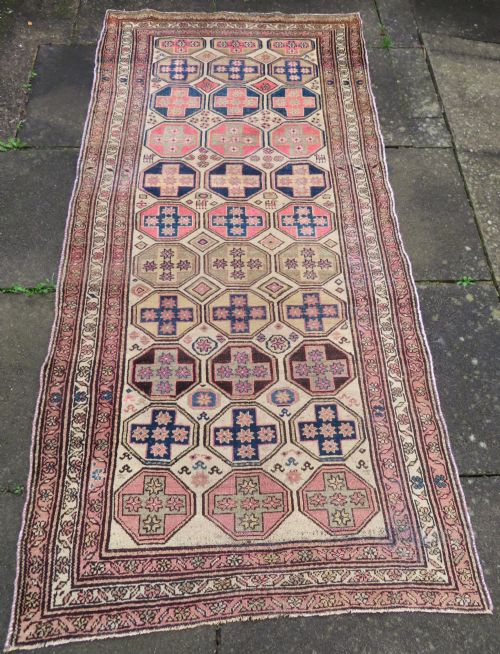
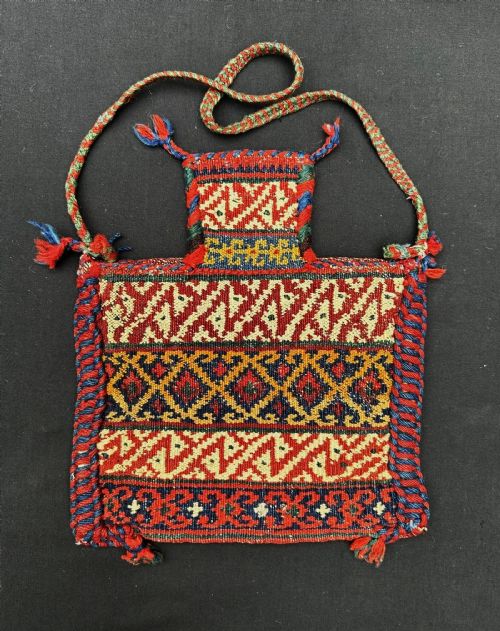
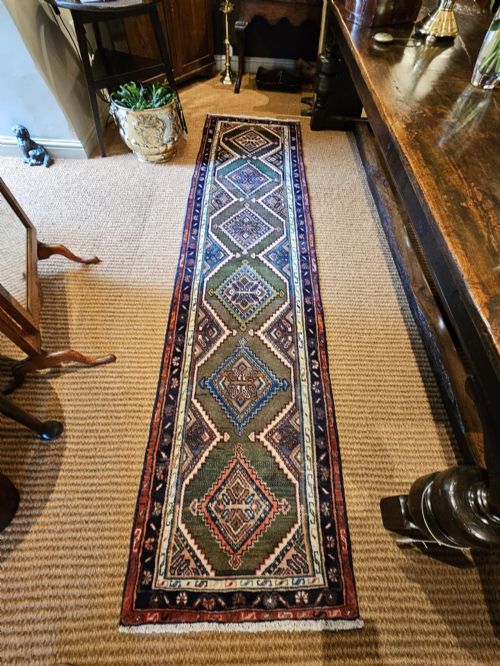
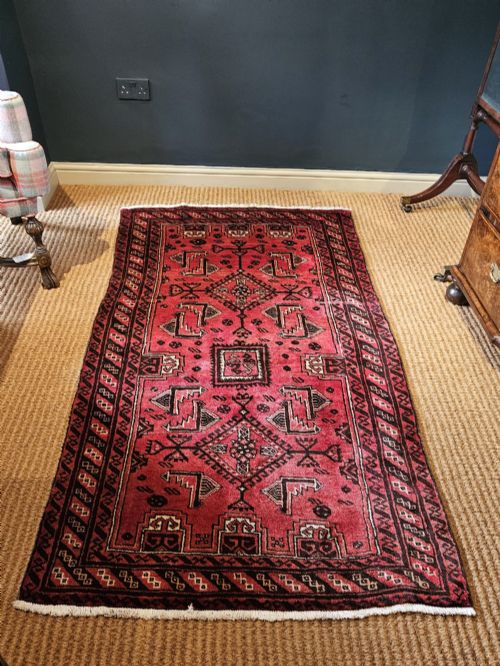
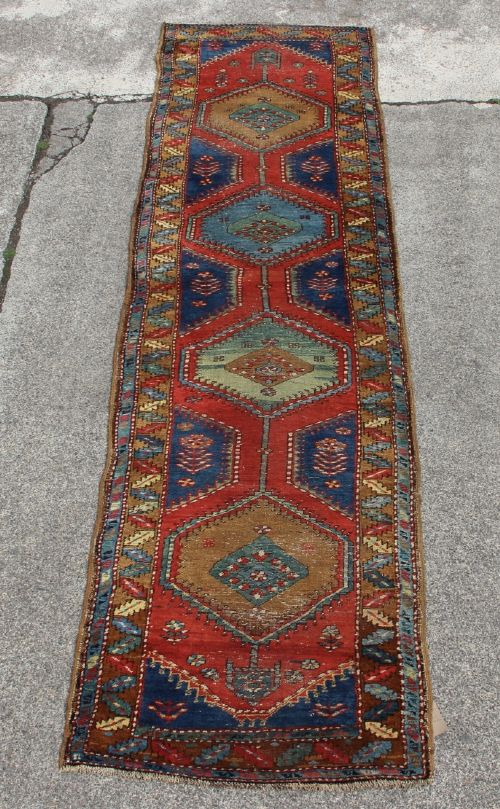
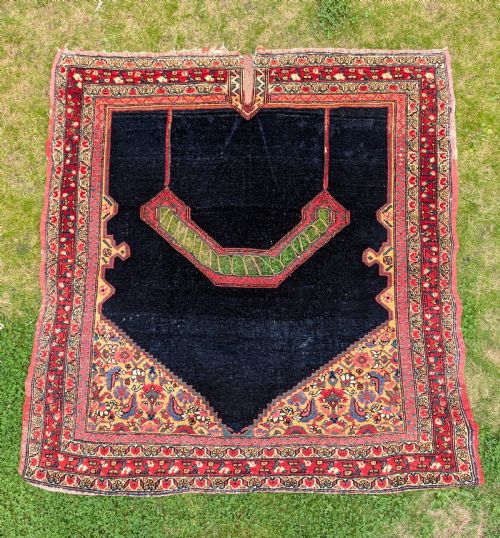
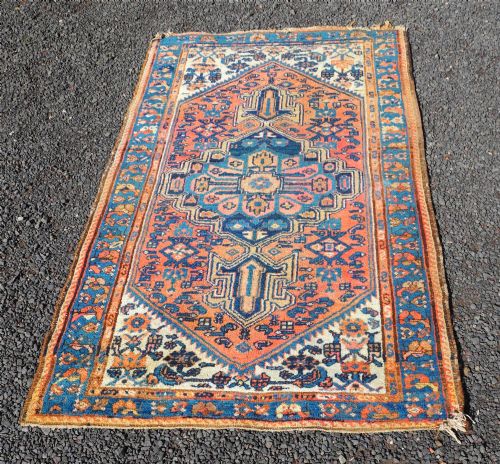
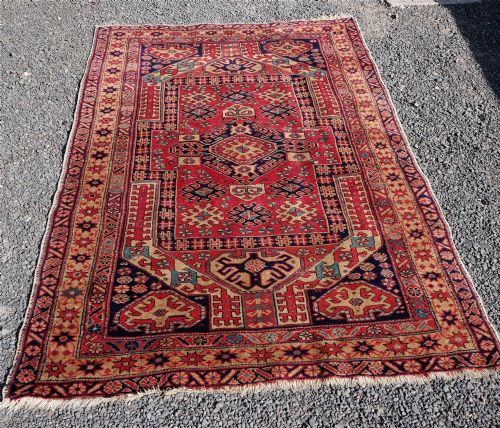
A vintage tribal persian rug encompasses nomadic and village weaving traditions originating from various regions across Persia and surrounding areas. When searching for a vintage tribal persian rug, collectors encounter diverse forms including area rugs, long runners, saddle covers, and utilitarian bags.
The pieces available here stem predominantly from the late nineteenth century through to the mid-twentieth century. Buyers frequently discover works attributed to specific tribal groups such as the Afshar, Bakhtiar, Baluch, Qashqai, and Khamseh.
Formats range from intimate hearth-sized mats to expansive carpets and narrow runners suited for hallways. Each piece reflects the distinct aesthetic vocabulary of the weavers who produced them for daily use.
Materials and Technique
These textiles are constructed primarily from wool and cotton, often utilising hand-spun wool that imparts a tactile, organic depth to the surface. Certain examples incorporate camel hair within the pile or foundation, adding natural tonal variations.
Weavers employed traditional hand-knotting techniques alongside flat-weave methods to build durable structures designed to withstand generational wear. Natural dyes provide the palette, yielding stable, harmonious tones that age gracefully over decades.
Listings span periods from the nineteenth century through to 1960, featuring wool, cotton, and natural dyes.
Assessing Quality
Quality in these textiles rests upon the integrity of the materials and the precision of the hand-weaving. Pieces utilising finely spun wool and stable natural dyes demonstrate superior longevity and aesthetic depth.
The refinement of the geometric or floral motifs and the balance of the overall composition distinguish finer village and nomadic weavings from standard utility pieces. Preservation of original edge finishes and pile depth further elevates a textile's standing.
Afshar Nomads·Khamseh Carpet·Bakhtiar Rug·Baluch Pure Wool·Kordi Tribes
The Vintage Tribal Persian Rug Glossary
- Pile
- The vertical or slanted soft yarn surface of a rug formed by cut knots. This forms the tactile wear layer that defines the texture.
- Runner
- A long, narrow carpet format traditionally utilised in hallways, corridors, or alongside larger furniture. These pieces measure significantly longer than they are wide.
- Natural Dyes
- Colourants derived from plant, insect, or mineral sources rather than synthetic chemical processes. They produce rich, nuanced patinas over time.
- Kilim
- A flat-woven carpet or textile produced without a pile. These pieces rely on interlocking weft threads to create sharp geometric patterns.
Vintage Tribal Persian Rug: Frequently Asked Questions
Where were these tribal rugs originally made?
These textiles were produced by nomadic confederacies and village weavers across various regions of Persia, including Fars, Kerman, and Khorassan. Each tribal group maintained distinct design traditions influenced by their geographic environment and ancestral heritage.
Weavers utilised local materials available to their specific locale, resulting in regional variations in wool quality, structural density, and palette selection.
How do I care for a vintage wool rug?
Regular, gentle vacuuming without a rotating power brush helps remove embedded dust and protects the wool fibres from abrasive wear. Professional cleaning tailored to antique textiles ensures the preservation of natural dyes and foundational integrity.
Rotating the rug periodically prevents uneven sun exposure and balances foot traffic across the pile over the years.
What is the difference between a rug and a runner?
Standard rugs are proportioned in rectangular or square formats suited for central floor placement in living rooms, bedrooms, or dining spaces. Runners are manufactured with an elongated, narrow geometry designed specifically for corridors, staircases, or narrow passages.
Both formats share identical hand-knotting techniques and material compositions depending on the originating tribe or village.
How can I tell a tribal rug from a city piece?
Tribal rugs typically feature geometric motifs, memory-driven designs, and irregular, asymmetrical layouts born from nomadic life. City carpets tend to display highly formalized, symmetrical floral medallions planned on elaborate paper cartoons.
Nomadic pieces often incorporate a greater variety of spontaneous abrash and varied hand-spun wool textures compared to commercial workshop productions.