
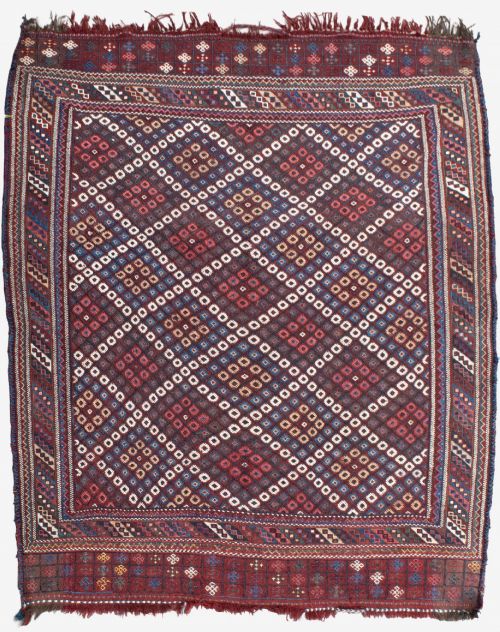


Persian Tribal Kilim Rug
These pieces unite the practical weaving traditions of nomadic groups with striking flat-woven designs.
Persian Tribal Kilim Rug
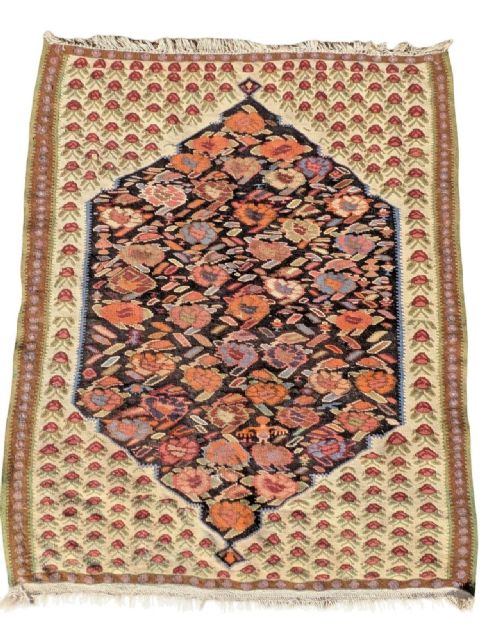
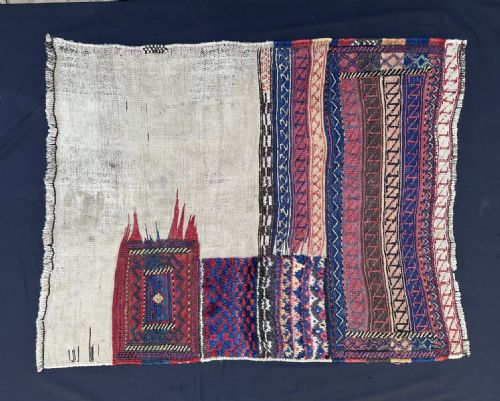
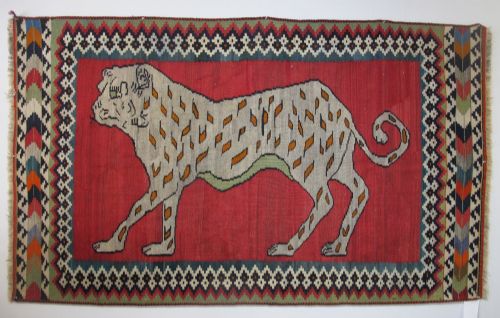
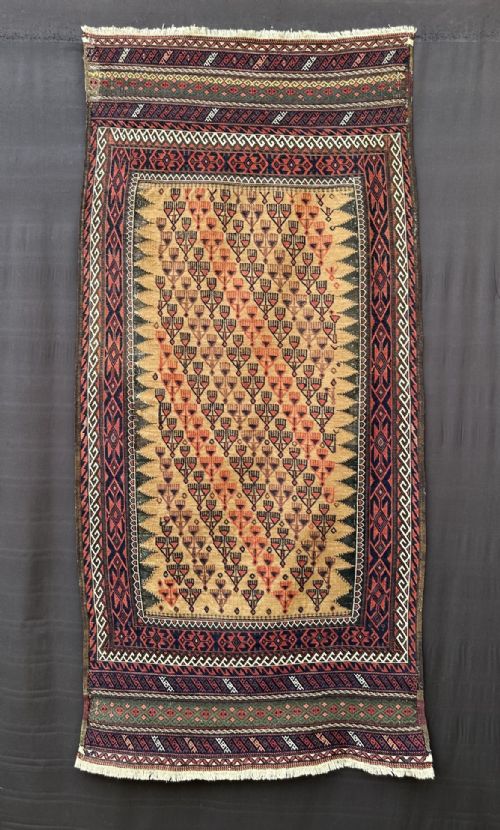
A persian tribal kilim rug represents the flat-woven textiles produced by various nomadic and village confederations across Persia, including the Qashqa'i, Afshar, and Bakhtiari. Buyers searching this category frequently encounter utility items such as sofreh, tacheh, and salt-bags alongside standard floor coverings.
The objects span periods from the nineteenth century through the early twentieth century, reflecting specific regional weaving habits. Most examples originate from southern, western, and north-eastern districts, showing distinct tribal motifs tied to daily nomadic life.
Materials and construction
Weavers relied principally on hand-spun wool for the main structural warps and wefts, occasionally incorporating cotton, goat hair, and leather for added durability. Natural dyes provided the foundational palette, supplemented in specific examples by decorative elements like cowrie shells.
The flat-weave technique bypasses knotting, producing a smooth surface with patterns formed by interlocking or slit-weave methods. Specialised storage bags, cushions, and dining spreads often combined these flat-weave structures with sturdy wool foundations.
Listings feature items from the nineteenth and early twentieth centuries, predominantly utilising hand-spun wool and natural dyes across various regional tribal styles.
Assessing quality in flat-weaves
Quality rests upon the fineness of the spin, the tightness of the weave, and the complexity of the geometric or figurative layout. Tightly packed wefts create a stable, resilient textile that holds its structure across decades of use.
The purity and depth of the natural dyes influence the visual success of the piece, as well as the crispness of the tribal motifs. Intact original finishes, such as complete borders and untouched backs on bags or sofreh, elevate the standing of an individual piece.
The Persian Tribal Kilim Rug Glossary
- Kilim
- A flat-woven textile produced without a pile, featuring slit-weave or interlocking weft techniques. These versatile pieces served as floor coverings, wall hangings, and heavy covers.
- Sofreh
- A specialised flat-woven spread used for dining or for handling bread dough within nomadic households. They often display minimalist geometric fields flanked by distinct tribal borders.
- Tacheh
- A traditional woven storage sack or wheat-sack utilised by tribal groups for grain transport and domestic storage. Surviving examples frequently retain robust flat-weave backs.
- Soumak
- A brocade-like weaving technique where supplementary wefts wrap around the warp threads to create a textured, raised surface pattern. This method adds structural weight to bags and rugs.
- Jajim
- A tightly woven band or utility cloth constructed from joined panels, featuring colourful striped or chevron motifs. They highlight the practical application of scrap yarns in nomadic weaving.
Persian Tribal Kilim Rug: Frequently Asked Questions
What is a sofreh used for?
A sofreh functioned as a clean surface for kneading bread dough or laying out communal meals within nomadic tents. Their dimensions and layouts often reflect these specific domestic rituals.
Over time, collectors began valuing them as decorative flat-weaves for modern interiors, appreciating their uncluttered central fields.
How do I tell tribal groups apart?
Tribal attribution relies on specific structural habits, wool qualities, and recurring motif repertoires characteristic of regions like Fars, Kerman, or the Chahar Mahal. Qashqa'i pieces often feature bold geometric medallions, while Afshar and Bakhtiari examples display distinct palette choices and structured field patterns.
Examining the selvedges and end finishes provides further clues to the specific nomadic confederation or village workshop.
Are these pieces durable enough for floors?
Most traditional flat-weaves possess a sturdy wool construction that handles moderate foot traffic when paired with a quality underlay. Their lack of pile makes them exceptionally stable and easy to maintain in high-traffic areas.
Fragile or extremely fine antique examples, particularly smaller bags and delicate dining spreads, often find better utility as wall hangings or display items.
What distinguishes a tacheh from a rug?
A tacheh was constructed as a functional agricultural container or wheat-sack rather than a floor covering. They frequently exhibit specialised closures or robust structural backs designed to bear weight.
Displaying them today involves appreciating their original purpose as portable nomadic storage transformed into striking geometric art.