



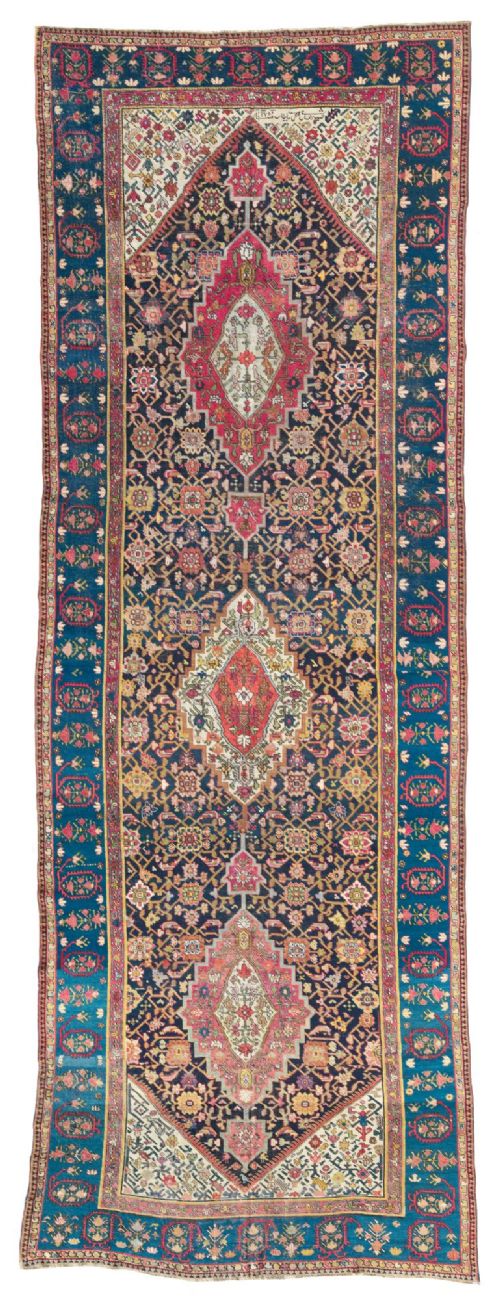
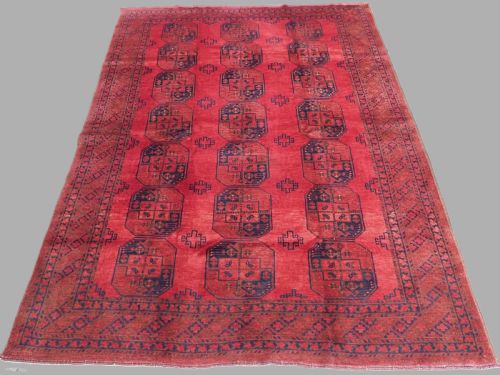
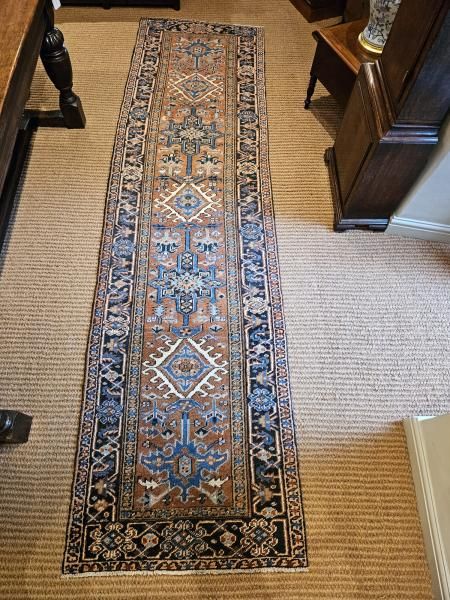
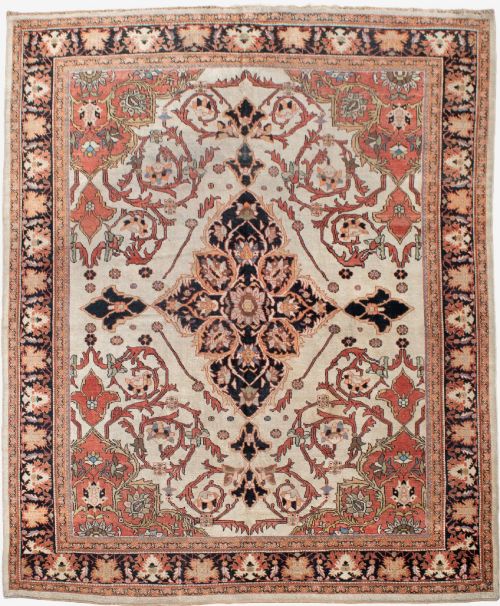

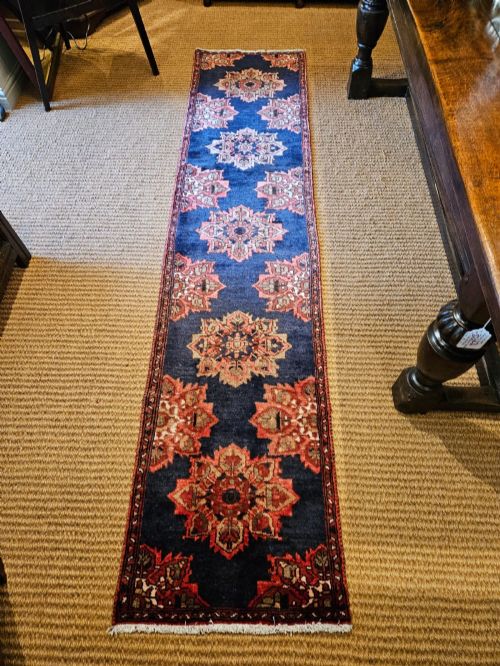
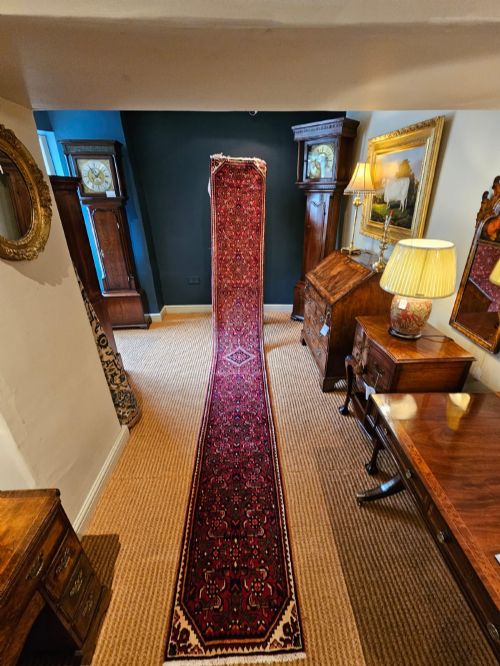
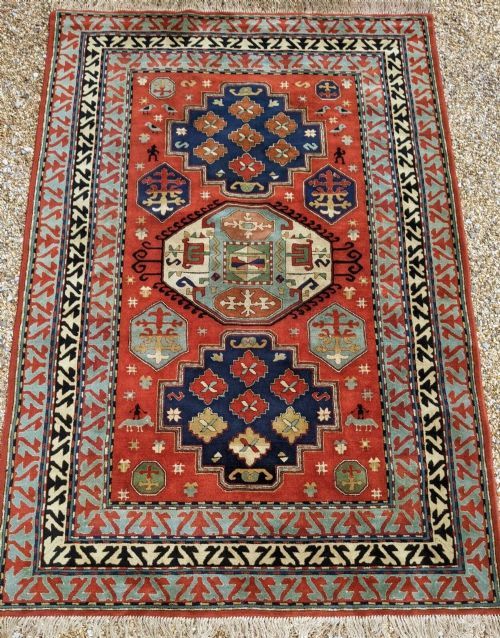
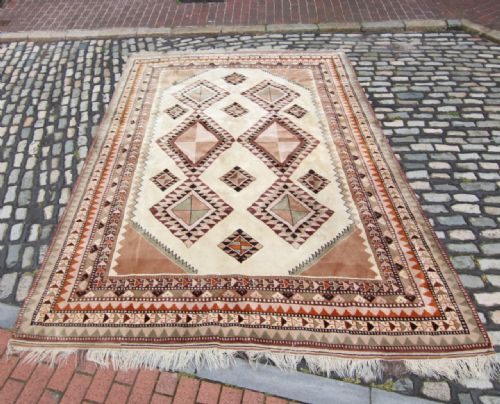
Persian Style Wool Carpet
A persian style wool carpet brings deep pattern and warmth to a room, drawn from traditions spanning village workshops and tribal looms.
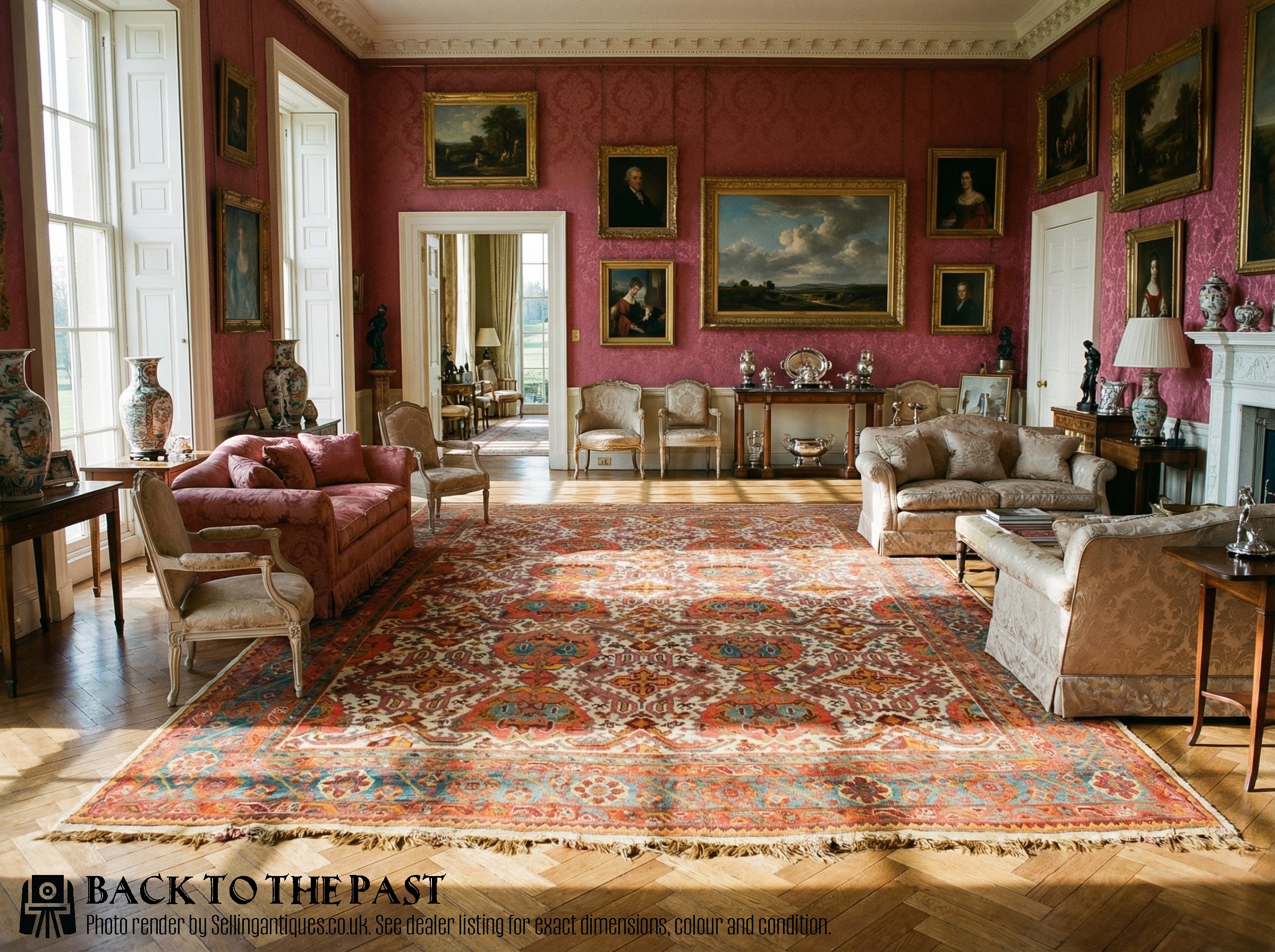
Persian Style Wool Carpet
A persian style wool carpet is a woven floor covering that adopts the design vocabulary of traditional Middle Eastern weaving. When buyers search for a persian style wool carpet, they encounter pieces ranging from room-sized carpets down to long narrow runners and smaller village rugs.
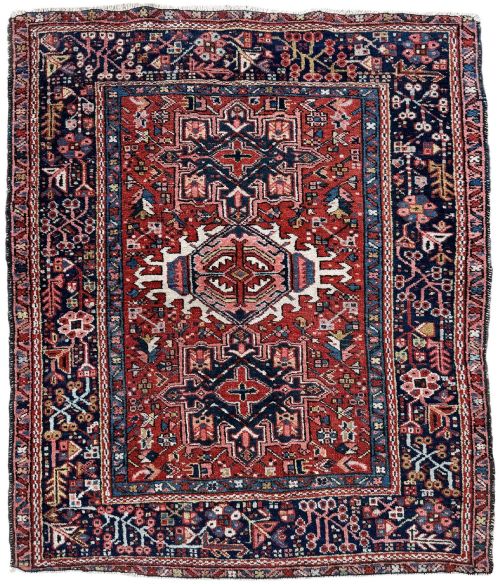
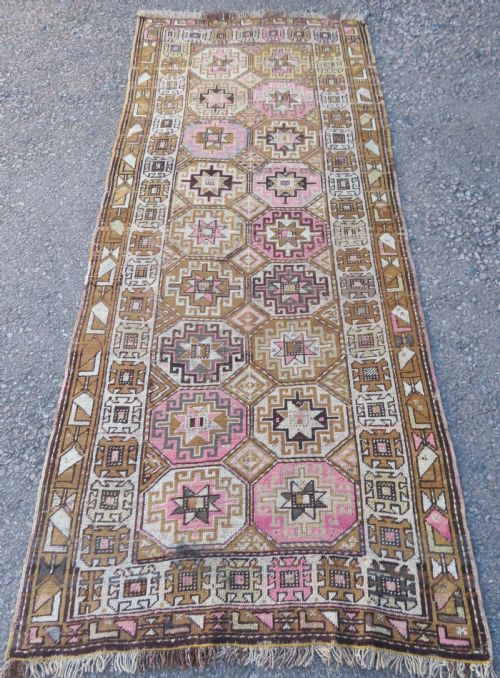
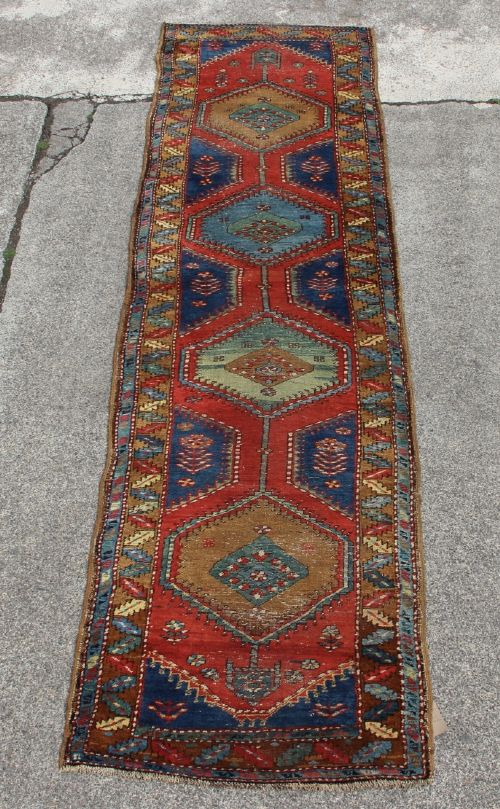
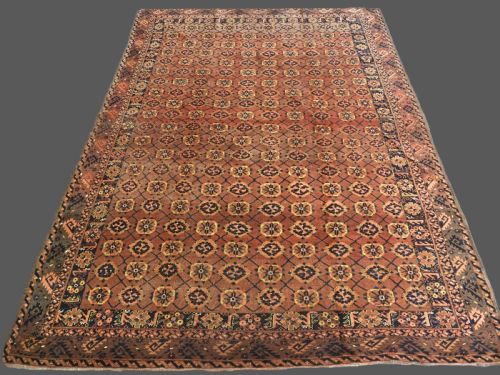
The selection on this page centres on floor coverings produced across various decades, including pieces originating from Persian village workshops and neighbouring tribal regions. These textile items appear in formats such as large area carpets, runner rugs, and square formats featuring geometric or floral medallions.
Makers and weavers from different districts contributed specific regional traits, leading to distinct formats like Heriz carpets, Karaja rugs, and Afghan village runners. Buyers will find that each piece reflects the aesthetic preferences and traditional motifs of its specific place of origin.
How They Were Made
These floor coverings rely primarily on wool pile knotted onto a sturdy foundation base. Many examples utilise hand-spun wool alongside cotton for the warp and weft threads, creating a dense and resilient structure designed to endure heavy foot traffic.
The construction involves hand-knotting techniques executed on upright looms, where individual yarn strands are tied by hand. Artisans dyed the wool using traditional colour palettes, resulting in rich tones of warm red, navy blue, and olive green that define the visual character of the textiles.
The inventory includes numerous regional forms, featuring Heriz carpets, runner rugs, and village weaves from Persian and Caucasian traditions.
What Varies in Quality
Quality in these woven items rests upon the density of the knotting and the precision of the structural weave. Finer pieces demonstrate tighter knot counts that allow intricate curvilinear and geometric details to remain sharp and well-defined.
The grade of the wool itself dictates the handle and resilience of the pile, with hand-spun wool providing a distinct texture and depth of colour. Additionally, the consistency of the proportions and the harmonious balance of the natural dyes separate standard utility weaving from finer decorative examples.
The Persian Style Wool Carpet Glossary
- Pile
- The upright yarn loops that form the soft surface of the carpet. This layer absorbs wear and displays the woven design.
- Warp
- The vertical foundation threads stretched tightly on the loom before knotting begins. These threads support the entire structural weight of the piece.
- Weft
- The horizontal threads passed across the warp strands between rows of knots. They lock the individual knots firmly into position.
- Medallion
- A prominent central ornamental motif placed in the middle of the field. This design element often dictates the geometric balance of the composition.
- Runner
- A long and narrow format intended for hallways, passages, or staircases. These pieces provide floor coverage in confined spaces.
- Kelleh
- A traditional format designating a carpet that is longer than it is wide, falling between the proportions of a standard rug and a runner.
Persian Style Wool Carpet: Frequently Asked Questions
How do I clean a wool carpet?
Regular gentle vacuuming without a beater bar removes loose dirt from the wool pile. Professional cleaning suited to antique textiles helps preserve the dyes.
Harsh chemical treatments and excessive moisture should be avoided to prevent damage to the cotton and wool fibres.
Where were these carpets made?
The pieces originate from various weaving centres and villages across Persia, Anatolia, and surrounding regions. Specific districts like Heriz, Karaja, and Oushak developed distinct local styles.
Nomadic and village groups in Afghanistan and the Caucasus also produced carpets featuring characteristic tribal motifs.
Are these carpets suitable for heavy traffic?
Wool pile constructed with a tight foundation naturally withstands regular foot traffic in residential settings. The durable nature of hand-knotted wool makes these textiles practical for everyday use.
Placing an appropriate underlay beneath the rug helps prevent slipping and reduces friction against hard flooring.
How do I identify different regional rug designs?
Regional types are recognised through specific combinations of motifs, border arrangements, and colour choices. For instance, Heriz carpets often feature bold geometric medallions, while Oushak carpets display softer floral layouts.
Comparing the structural weave and palette helps attribute a piece to a particular village or tribal group.