



Persian Sofreh Bread Mat
These Persian sofreh bread mats are authentic flatweave textiles used historically for meals and dough preparation, offering rich tribal character for your home.
Persian Sofreh Bread Mat
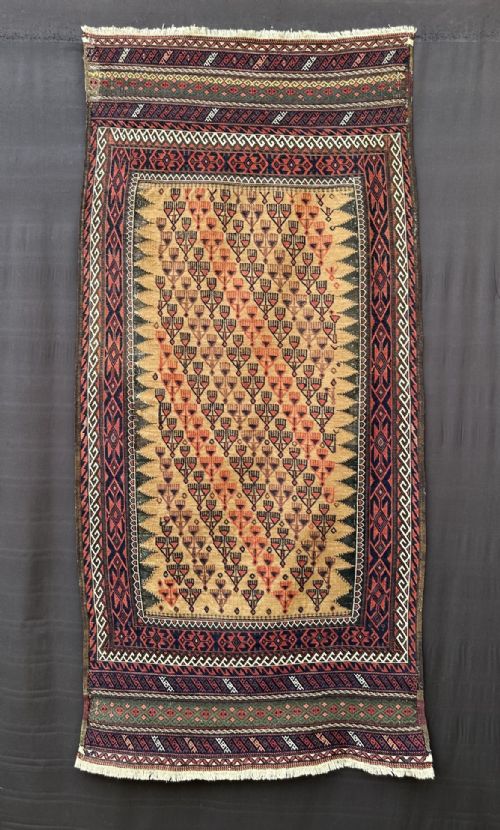
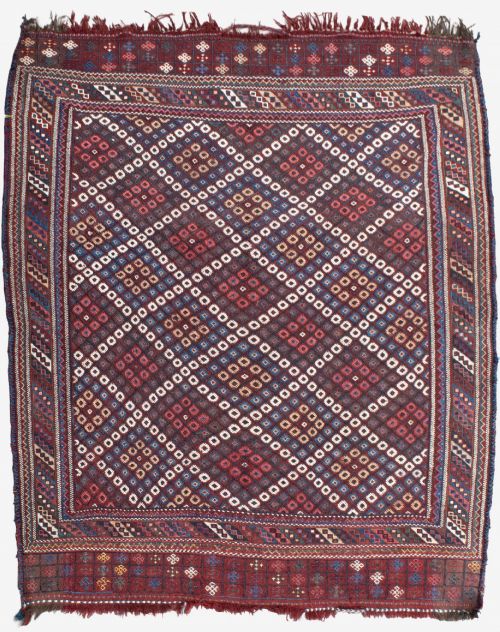
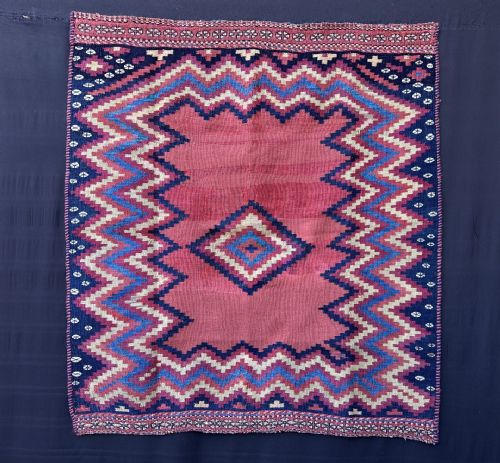
A Persian sofreh bread mat is a traditional tribal textile woven for practical use in domestic life and dining. The examples you encounter on this page span the late nineteenth century and the early decades of the twentieth century.
Most pieces originate from specific tribal groups such as the Afshar nomads of Kerman Province, the Timuri Sangtshuli tribe, the Djhan Beghi tribe, and the Lor tribes of Luristan. They encompass flatweave rugs, kilims, and specialised textiles designed for gathering around meals.
Buyers seeking these works find flatweave constructions originating from regions across Persia, including central, southern, and western areas as well as the north-east borderlands. Each piece reflects the functional traditions of nomadic and village weavers.
Materials and construction
These textiles are constructed using wool, cotton, and camel hair, reflecting the materials available to nomadic and tribal weavers. The reliance on natural dyes provides the distinct palette observed across the pieces.
The technique relies on flatweave construction, producing durable surfaces without a pile. This method creates the characteristic handling and drape associated with tribal rugs and kilims from the region.
Persian Sofreh Bread Mat Retail Price Guide 2026
Typical asking prices for persian sofreh bread mat among the pieces listed under this phrase on Sellingantiques today, from the lower quarter to the upper quarter. They describe what is for sale here now, not the wider market.
Every single piece here started life as a dining table or dough board for nomadic families on the move.
Distinctions in quality
Quality in these flatweave textiles rests on the tightness of the weave and the precision of the tribal design work. Finer execution in the geometric layouts distinguishes the strongest examples.
The depth and variation of the natural dyes contribute significantly to the visual success of a piece. Sofrehs displaying particularly harmonious colour interactions and well-preserved structural integrity stand apart.
Timuri Sangtshuli Tribe·Afshar Nomads·Djhan Beghi Tribe·Lor Tribes
The Persian Sofreh Bread Mat Glossary
- Sofreh
- A spread or cloth used historically for sharing meals or preparing bread dough. It forms the primary object type seen in these listings.
- Kilim
- A tapestry-woven carpet or flatweave textile produced without a pile. These pieces share construction traits with the sofrehs on this page.
- Flatweave
- A textile technique where the warp and weft threads are interlaced to form a smooth surface without raised pile. This method defines the physical structure of the items here.
- Natural Dyes
- Colourants derived from plant, insect, or mineral sources rather than synthetic chemistry. They account for the characteristic hues found across nineteenth and early twentieth century tribal pieces.
- Nomadic
- Pertaining to pastoral groups who move seasonally and produce textiles suited to portable living. Many items on this page connect directly to tribal weavers.
Persian Sofreh Bread Mat: Frequently Asked Questions
What was a sofreh used for?
These textiles served as functional spreads placed on the ground for eating meals or kneading bread dough. Families gathered around them for communal dining within nomadic and village settings.
Because they were made for daily domestic routines, their dimensions and weaving styles reflect practical household needs rather than purely decorative display.
Where do these pieces originate?
The listings originate from various regions of Persia, including the Kerman Province, Luristan, Kamo, and the borderlands between north-east Persia and north-west Afghanistan.
Different tribal groups developed distinct patterns and weaving habits depending on their specific geographic locations and ancestral traditions.
How do I date an antique sofreh?
Dating relies on stylistic analysis, material assessment, and structural evidence pointing to periods such as the late nineteenth century and the early twentieth century. Examiners look at the nature of the wool and the characteristics of the natural dyes.
Comparative study with documented tribal weavings helps place individual examples within specific decades.
How should I live with a flatweave textile?
These flatweave pieces function well as floor coverings in low-traffic areas or as wall hangings to protect the structure from heavy wear. Their thin profile makes them versatile for placement over different interior surfaces.
Proper support and minimal exposure to direct sunlight help preserve the wool, cotton, and natural dyes over time.