





Persian Saddle Cover
A persian saddle cover brings rich tribal texture and deep natural dyes straight into a modern interior.
Persian Saddle Cover
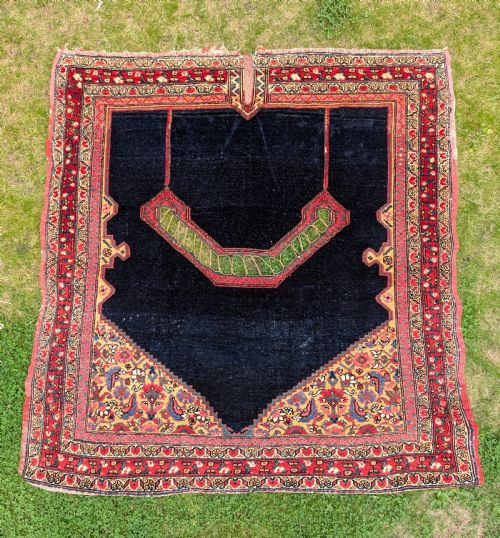
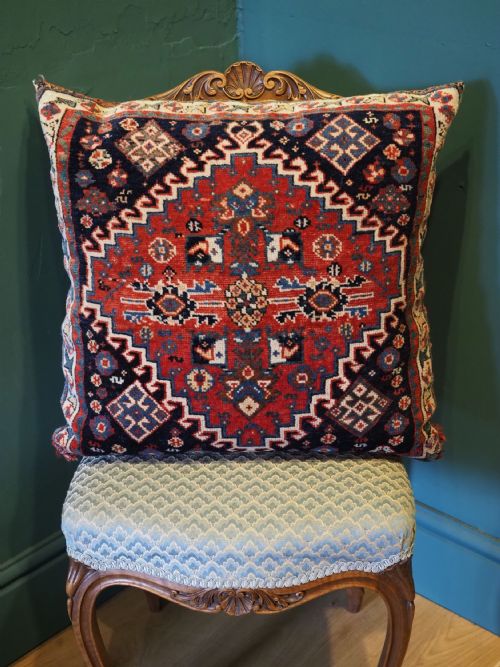
A persian saddle cover encompasses hand-woven tribal textiles originating from nomadic groups across Persia during the nineteenth century. Buyers searching this phrase encounter practical utility items transformed into decorative weaving, including complete bags, bag faces, and cushion conversions.
The pieces appearing here span specific tribal traditions such as Qashqa'i, Khamseh, Afshar, and Senneh. These items reflect the nomadic lifestyle of nineteenth-century weavers through durable construction and geometric or pictorial village designs.
How they were made
Weavers utilised hand-spun wool for the pile and structure, pairing it with cotton foundations in specific regional works. Natural dyes provide the enduring colour palette observed across these tribal textiles.
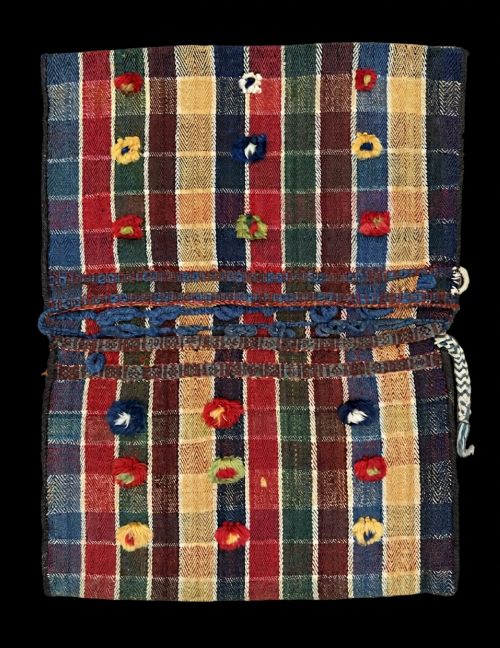
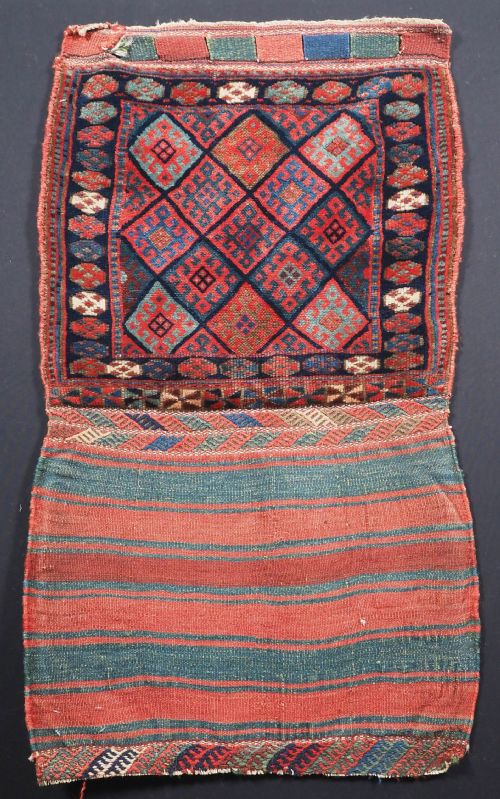
Plain weave backs often accompany complete bag formats, contrasting with intricately patterned pile faces. These dual techniques ensured both durability during transport and artistic expression on the exterior.
Persian Saddle Cover Retail Price Guide 2026
Typical asking prices for persian saddle cover among the pieces listed under this phrase on Sellingantiques today, from the lower quarter to the upper quarter. They describe what is for sale here now, not the wider market.
Listings feature nineteenth-century nineteenth-century material exclusively, spanning wool, cotton, and natural dyes across tribal traditions.
What varies in quality
Wool quality determines the lustre and handle of the textile, with certain pieces displaying exceptional luminosity. Fineness of knotting and precision in tribal motifs distinguish regional village work.
Completeness alters the character of the object, as surviving plain weave backs or paired configurations retain their original utilitarian context. The depth and saturation of natural dye work elevate individual examples.
The Persian Saddle Cover Glossary
- Khorjin
- The traditional Persian term for a double saddlebag used by nomadic tribes for transport and storage. These textile items often separate over time into individual bag faces.
- Boteh
- A stylised floral motif resembling a almond or pear shape, frequently repeated across tribal weavings. This ancient symbol appears prominently in Afshar and regional designs.
- Plain weave
- A simple flat-woven structure utilised for the backs of bags or structural elements. This technique contrasts with the denser pile areas of the textile.
- Natural dyes
- Colourants derived from plants, insects, and minerals before the introduction of synthetic alternatives. These dyes yield the rich, shifting tones seen in nineteenth-century pieces.
Persian Saddle Cover: Frequently Asked Questions
How do I clean a tribal textile?
Gentle surface cleaning and regular vacuuming without a rotating brush help maintain these historical wool textiles. Professional textile conservators should handle deep washing to protect natural dyes.
Avoiding direct sunlight preserves the original colour saturation of the wool. Proper placement away from high-moisture areas ensures the longevity of the natural fibres.
Are these pieces antique?
The listings here date primarily from the nineteenth century, encompassing periods around eighteen eighty to nineteen hundred. These items originate from historical tribal traditions rather than modern production.
Age shows through the wear patterns, wool quality, and traditional natural dye palettes. Such characteristics confirm their origins in nineteenth-century Persian tribal communities.
Can I use saddle bags as cushions?
Many collectors convert saddle bag faces into cushions or display them flat as small decorative wall pieces. The sturdy wool construction supports gentle everyday use in domestic settings.
Pairs or single bag faces add distinct tribal texture and colour to seating areas. Their original format often lends itself well to modern interior styling.