







Persian Qashqai Kilim
These persian qashqai kilim pieces are flat-woven tribal textiles from south-west Persia offering rich nomadic character and bold geometric layouts.
Persian Qashqai Kilim
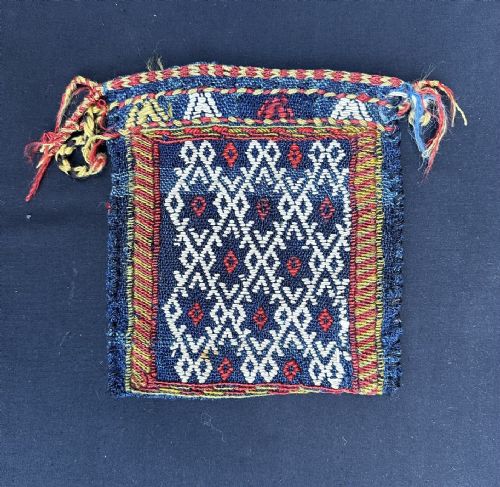
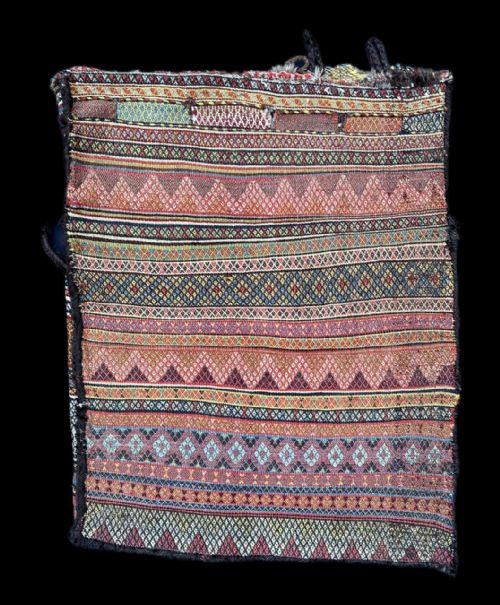
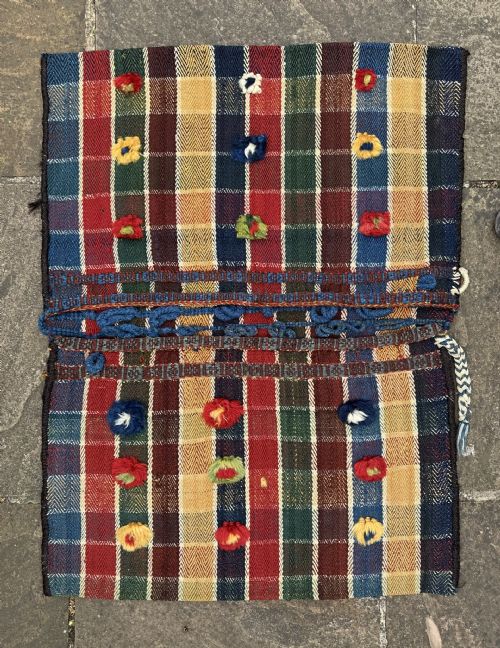
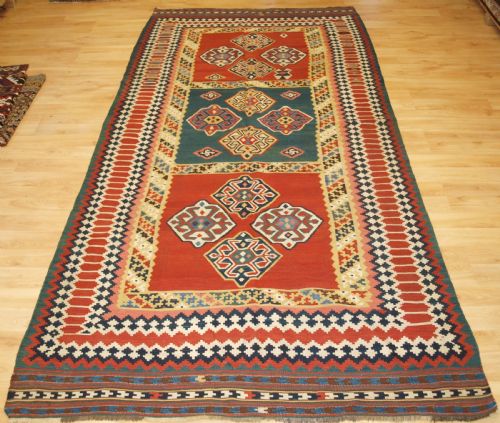
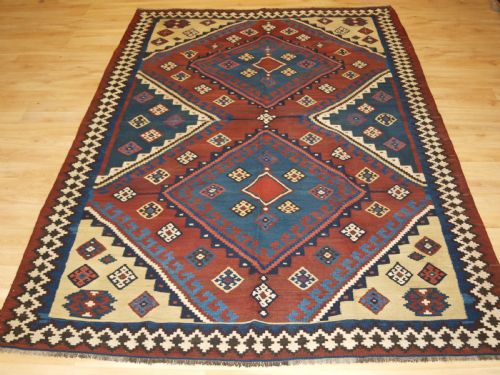
When you examine a persian qashqai kilim, you are looking at flat-woven flatweaves originating from the nomadic tribes of the Fars province in south-west Persia. The pieces you meet most often on this page take the form of rugs, kilim rugs, tribal textiles, and utilitarian bags made by nomadic groups such as the Shekarlu and Darrehshuri.
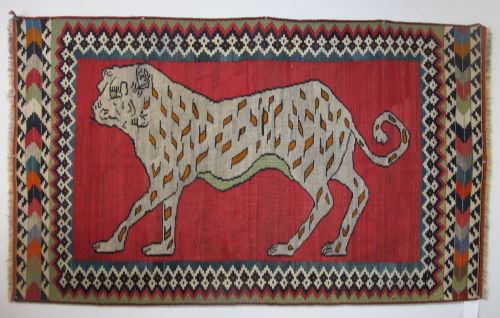
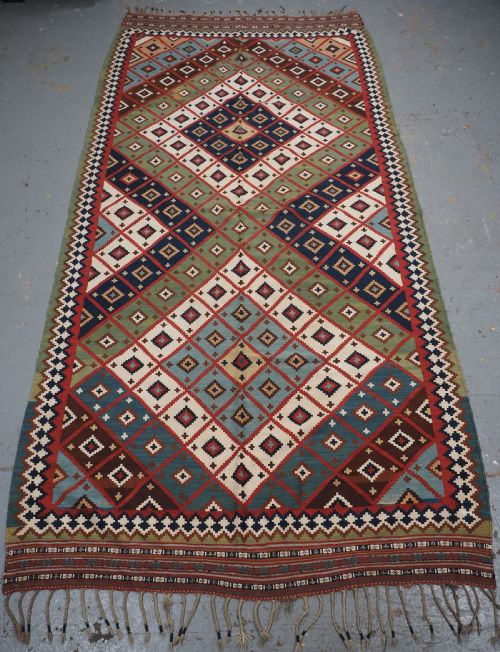
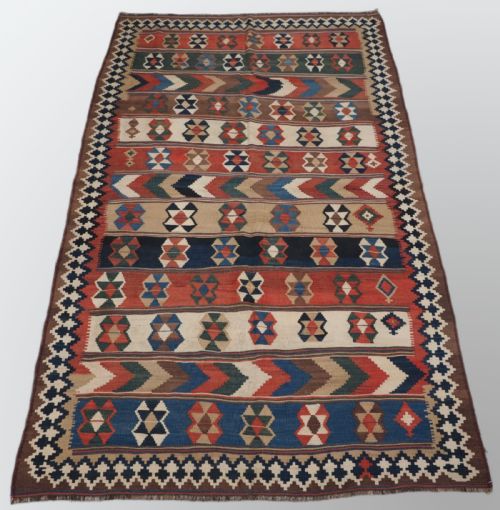
The visual vocabulary relies on traditional motifs including diamond medallions, eye dazzler patterns, banded designs, compartment layouts, and figurative subjects like lions. These textiles served practical purposes for nomadic life, ranging from floor coverings to storage bags and saddle-bags before entering the collector market.
Dating across the available evidence spans the late nineteenth century into the early twentieth century, specifically covering periods around 1870, 1880, 1890, 1900, and 1920. Each piece reflects the specific tribal heritage and regional weaving practices of the Qashqa'i confederacy.
What Varies In Quality
The distinction between tiers in a persian qashqai kilim rests upon the precision of the slit-weave execution and the complexity of the design layout. Finer examples display tighter structural density and more deliberate handling of geometric motifs such as diamond medallions and eye dazzler patterns.
Material preparation also dictates standing, particularly the use of hand-spun wool and deeply saturated natural dyes that retain vitality over decades. Pieces showing exceptional clarity in banded or compartment designs separate themselves from standard utility weaves.
Persian Qashqai Kilim Retail Price Guide 2026
Typical asking prices for persian qashqai kilim among the pieces listed under this phrase on Sellingantiques today, from the lower quarter to the upper quarter. They describe what is for sale here now, not the wider market.
The Persian Qashqai Kilim Glossary
- Kilim
- A flat-woven textile produced by tightly interlocking weft threads over a warp, resulting in a smooth surface without pile. These pieces form the primary focus of this category.
- Tayefeh
- A specific subtribe or clan within the larger Qashqa'i nomadic confederacy of south-west Persia. Identifying the subtribe helps localise the weaving origin.
- Moj
- A traditional woven cover or blanket produced by Persian tribal weavers for domestic utility. They share technical characteristics with other flat-woven storage items.
- Natural Dyes
- Organic colorants derived from plants, minerals, and insects used traditionally to dye wool. These materials produce the nuanced shades found in older tribal pieces.
- Eye Dazzler
- A bold geometric optical design utilising high-contrast zig-zags and diamond patterns. This dynamic style creates a striking visual rhythm across the textile surface.
Persian Qashqai Kilim: Frequently Asked Questions
How are these kilims structured?
These textiles are woven flat without pile, meaning the pattern is formed entirely by interlocking the coloured weft threads over the warp. This technique creates a lightweight, durable fabric that was traditionally suited to nomadic transport and daily camp use.
The absence of a raised pile allows the geometric motifs and sharp lines of the design to remain crisp and distinct on both sides of the textile.
Where were these pieces made?
Originating from the Fars province in south-west Persia, these works are attributed to the Qashqa'i nomadic confederacy and specific subtribes like the Shekarlu and Darrehshuri. The weavers moved seasonally through this rugged landscape, incorporating local iconography into their portable craft.
Geography dictated both the materials available, such as local sheep wool, and the stylistic traditions passed down through generations of tribal makers.
How do I care for a kilim?
Living with a flat-weave requires gentle maintenance, primarily consisting of regular light vacuuming without a rotating brush roll to prevent snagging the wool. Keeping the textile out of direct, harsh sunlight helps protect the natural dyes from fading prematurely over the years.
Professional specialist cleaning is recommended when deeper maintenance becomes necessary, ensuring the hand-spun wool and structural integrity are preserved.
How do I date an older kilim?
Dating relies on assessing the composition of the natural dyes, the specific handle of the hand-spun wool, and the stylistic maturity of the geometric design elements. Pieces originating in the late nineteenth and early twentieth centuries exhibit specific tonal qualities and regional motifs that separate them from later productions.
Comparing structural density and tribal attributions against known archival examples provides a reliable framework for establishing the period.