
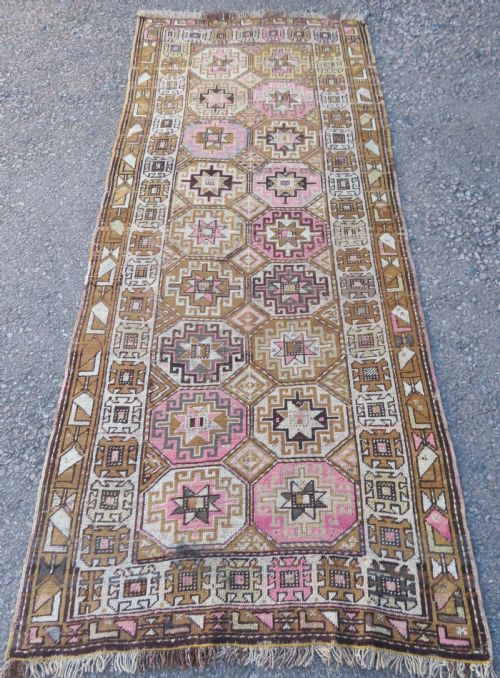
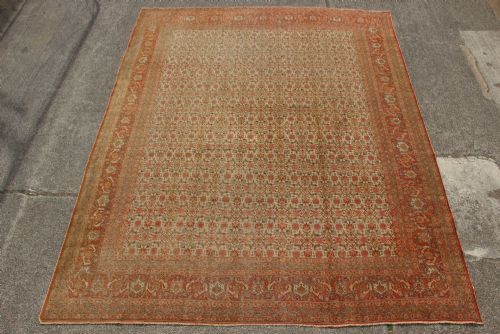


Persian Oriental Carpet
A persian oriental carpet brings deep historical dye work and intricate hand-knotted structure directly onto the floor.
Persian Oriental Carpet
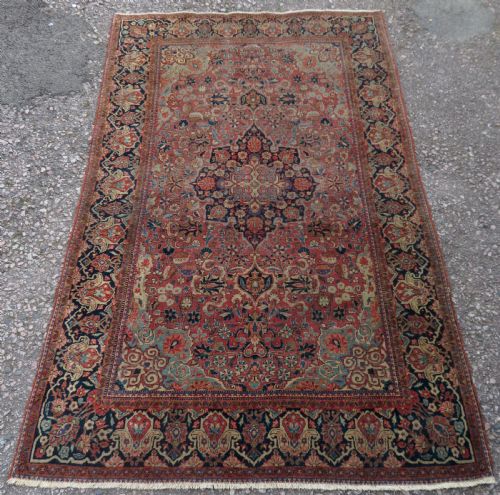
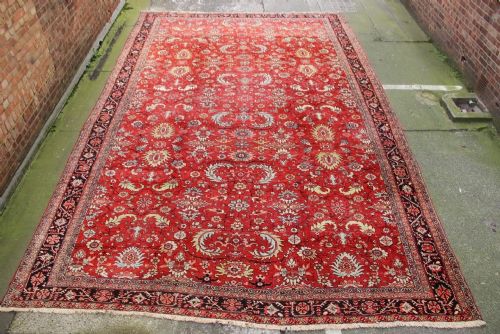
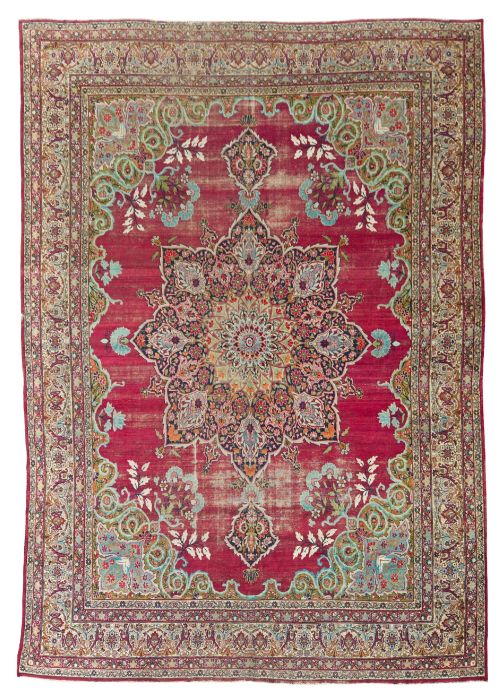
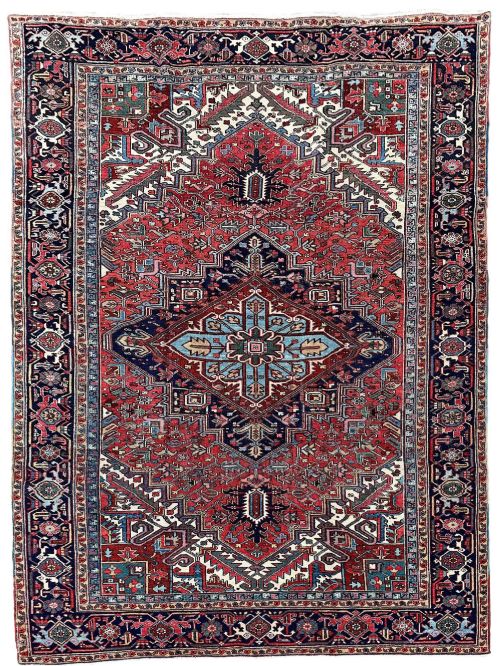
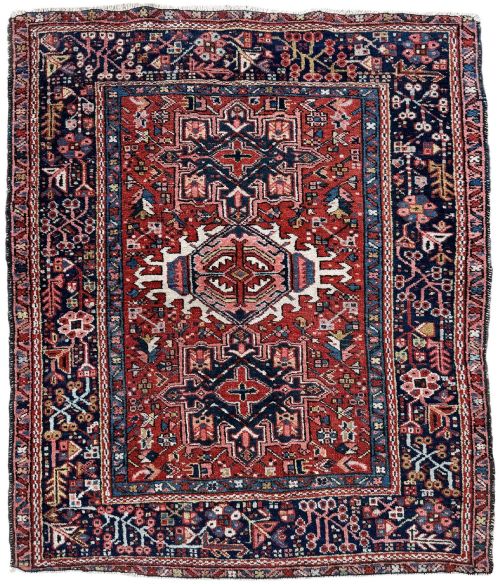
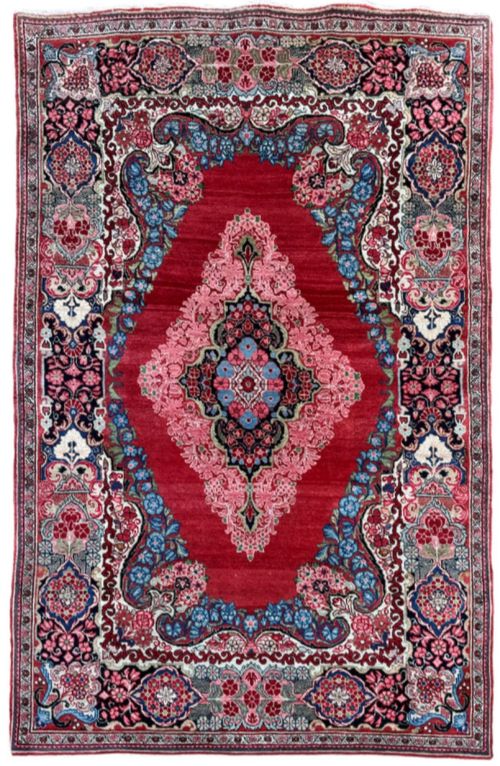
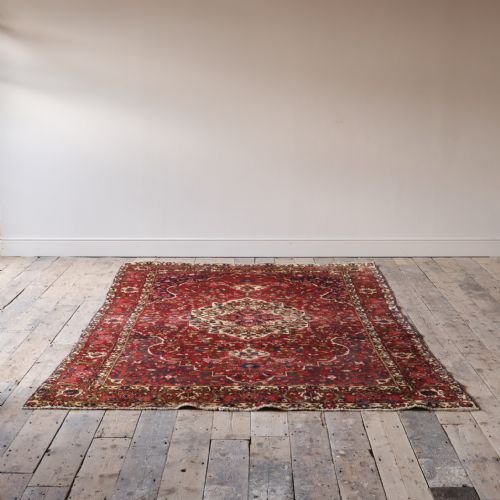
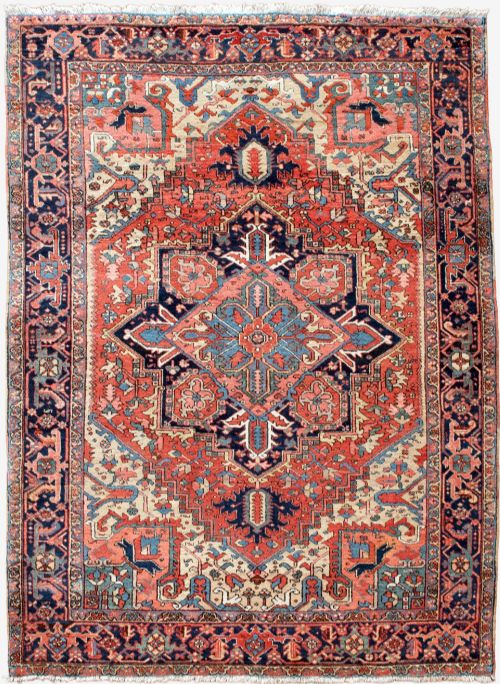
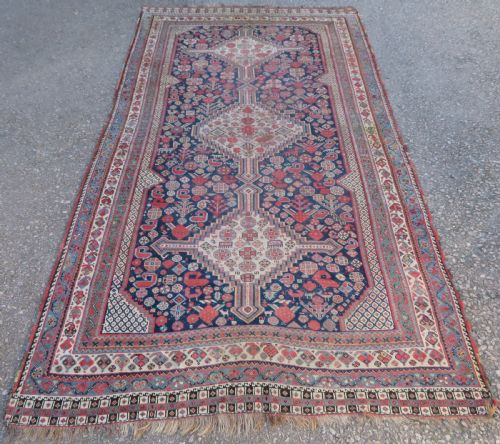
A persian oriental carpet covers large room formats as well as smaller hearth sizes, runners and area rugs. The pieces originate from tribal workshops, village looms and major weaving centres across regions like Tabriz, Heriz, Isfahan, Hamadan and Bidjar.
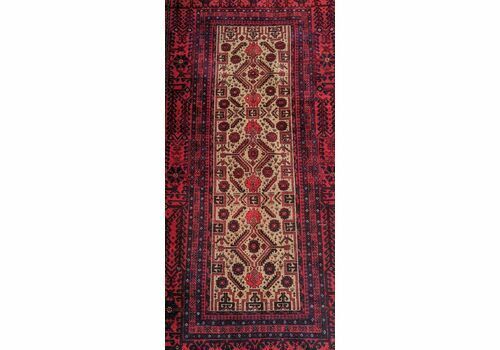
Most examples date from the nineteenth century up through the nineteen-thirties, spanning periods of traditional production. Buyers encounter room-sized carpets alongside narrow hallway runners and compact village mats.
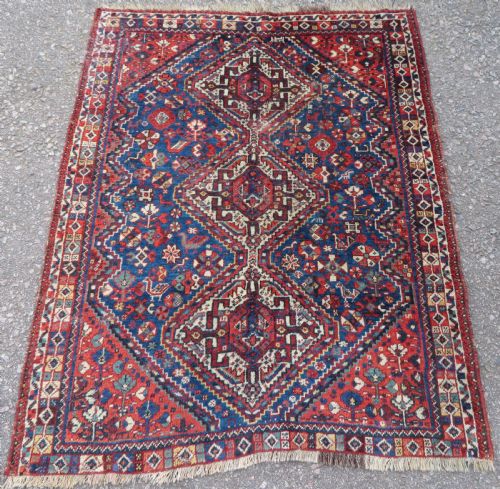
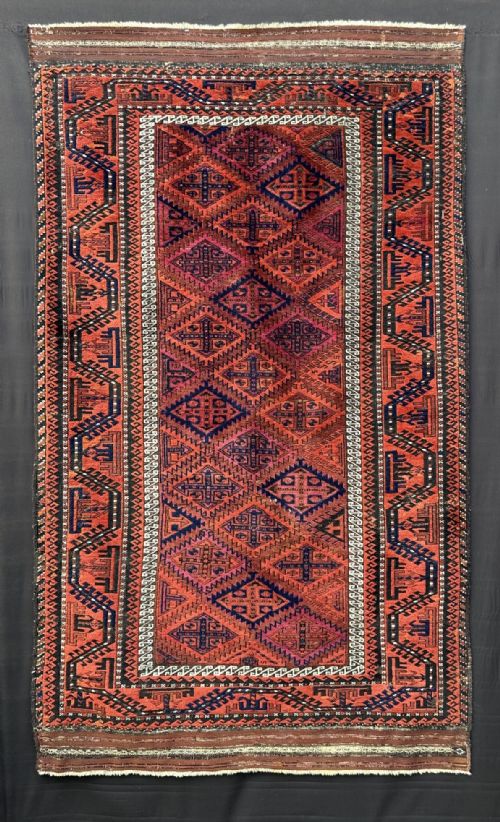
The styles encompass traditional Persian designs, tribal patterns from Afghan and Baluch makers, and Caucasian motifs. Each piece reflects the specific regional heritage of its weavers through distinct medallion layouts and field patterns.
How they were made
The construction relies heavily on hand-knotted wool pile secured on cotton or wool foundation warps and wefts. Certain finer urban carpets incorporate silk highlights to accentuate intricate floral details.
Weavers utilised natural dyes to achieve deep reds, olive greens, rust backgrounds and subtle polychrome palettes. Hand-woven techniques ensure dense knot counts that provide durability for daily floor use.
Listings feature pieces spanning the nineteenth century through to nineteen-thirty, utilising wool, cotton, silk and natural dyes.
What varies in quality
The fineness of the weave and complexity of the design dictate the structural standard of each rug. Tighter knotting allows crisper execution of curvilinear medallions and intricate geometric borders.
The depth and permanence of natural dye colours separate exceptional pieces from simpler village work. Superior wool quality supplies a lustrous handle and resilience under foot traffic.
The Persian Oriental Carpet Glossary
- Warp
- The vertical foundation threads stretched tightly on the loom before knotting begins. These form the structural skeleton of the carpet.
- Weft
- The horizontal threads passed across the warps between rows of knots to bind the structure firmly together.
- Medallion
- The large central ornamental motif found in the middle of the field on many traditional carpets. It anchors the symmetrical design of the rug.
- Knot count
- The density of individual knots per square inch or decimetre. Higher counts generally indicate greater labour and finer detail.
- Pile
- The cut ends of the yarn that stand upright from the foundation to form the soft surface of the carpet.
Persian Oriental Carpet: Frequently Asked Questions
Where should I place a runner?
Runners suit long narrow spaces such as hallways, corridors and landings where floor protection is needed.
They also work effectively alongside kitchen islands or beside beds to add warmth underfoot.
How do I care for wool rugs?
Regular gentle vacuuming without a rotating brush bar keeps surface dust from settling into the pile.
Professional specialist cleaning is recommended periodically to preserve the natural lanolin in the wool.
Can I put carpets in sunlight?
Direct, harsh sunlight causes natural and antique dyes to fade gradually over extended periods.
Rotating the rug occasionally helps ensure even exposure and balanced wear across the surface.
What is a village carpet?
Village carpets are woven in domestic settings rather than large urban manufactories, often showing memory-based designs.
These pieces tend to display charming irregularities and robust, earthy colour palettes.