

Persian Knotted Carpet
A persian knotted carpet brings centuries of regional weaving traditions into a room, offering dense pile and intricate geometric or floral patterns.
Persian Knotted Carpet
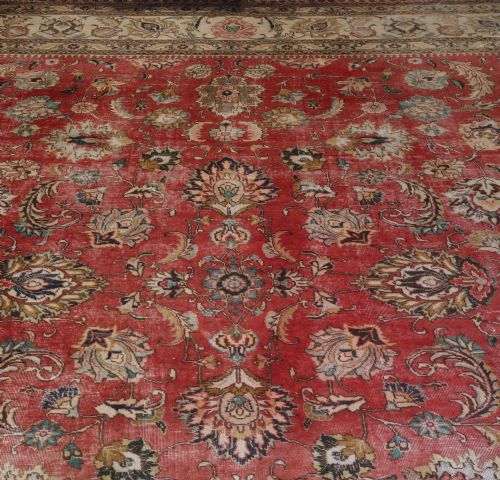
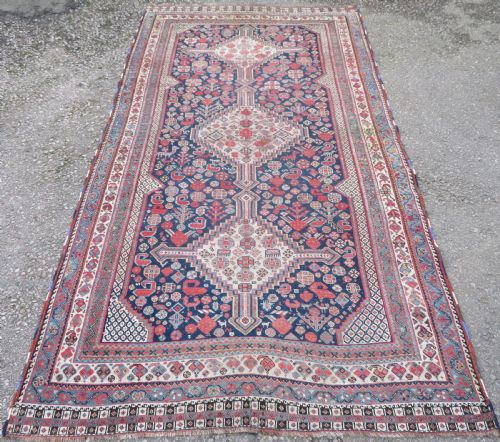
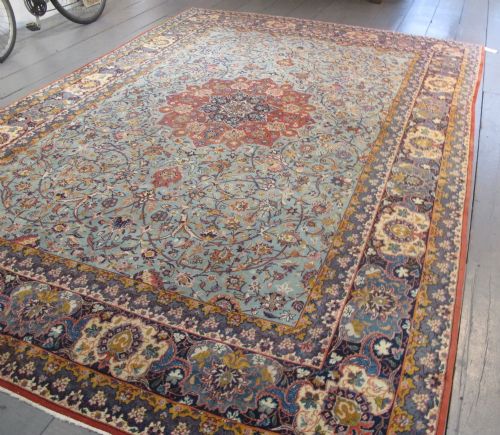
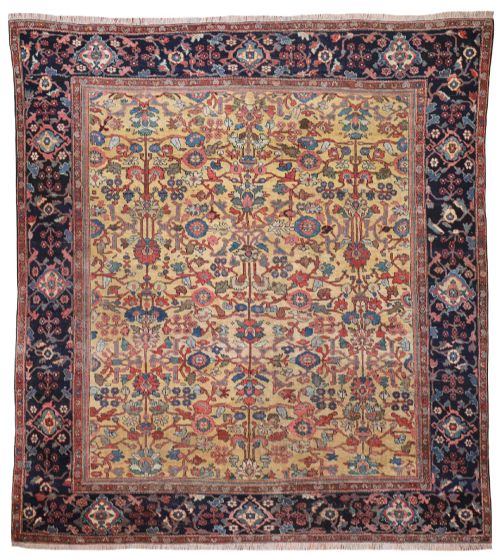
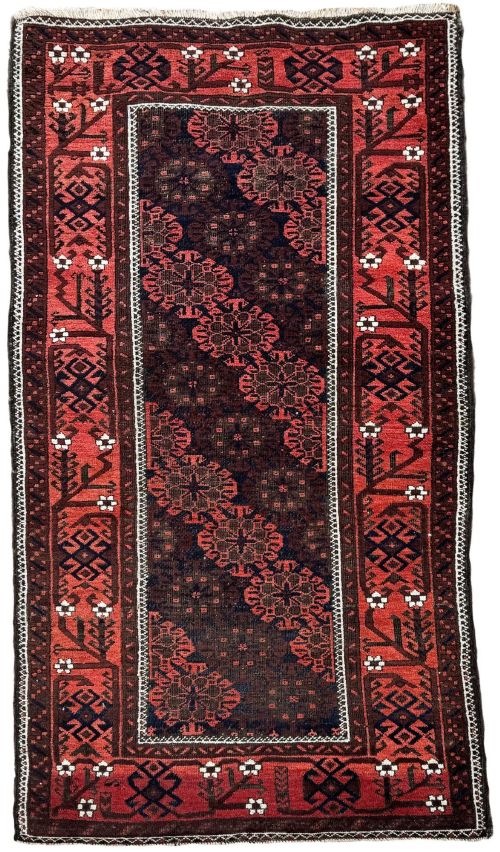
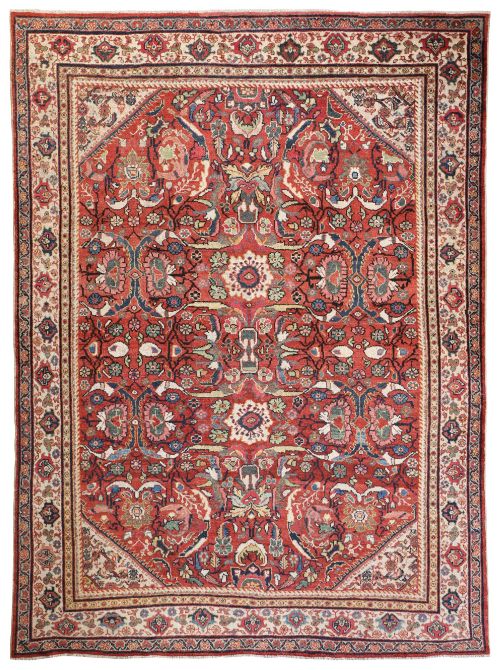
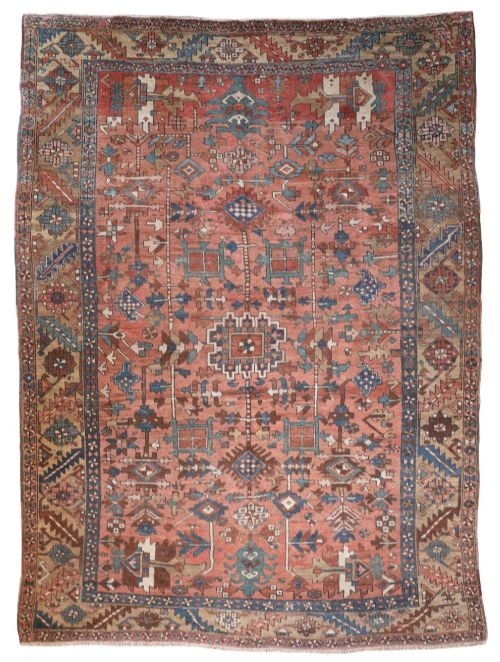
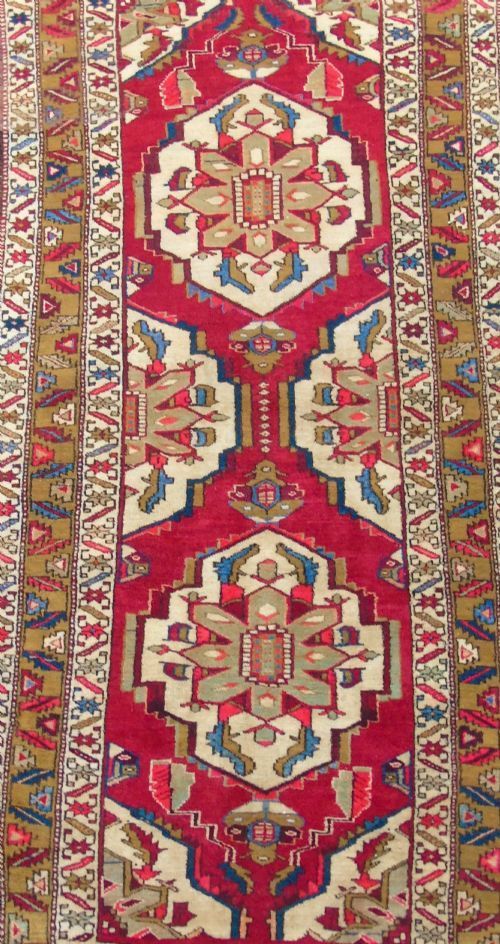
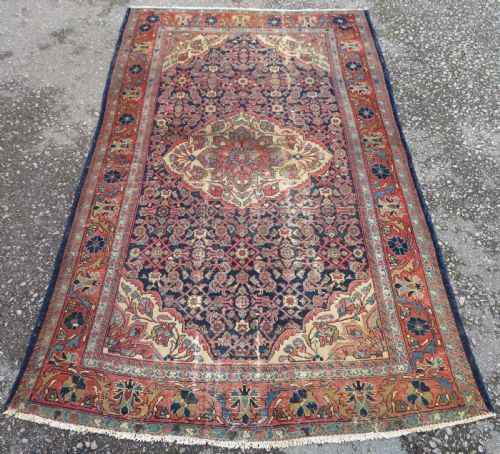
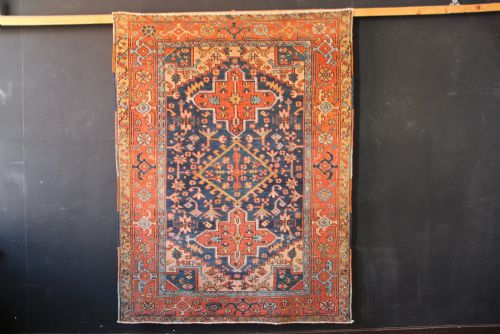
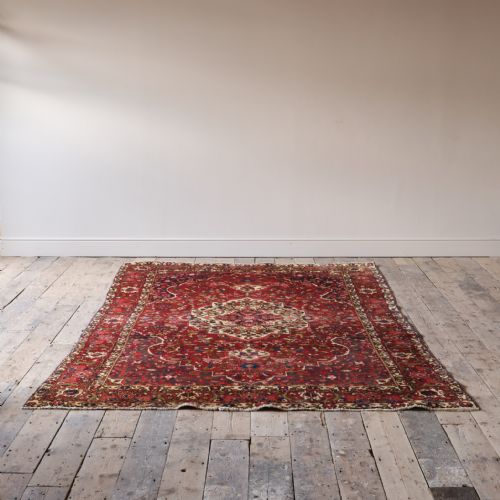
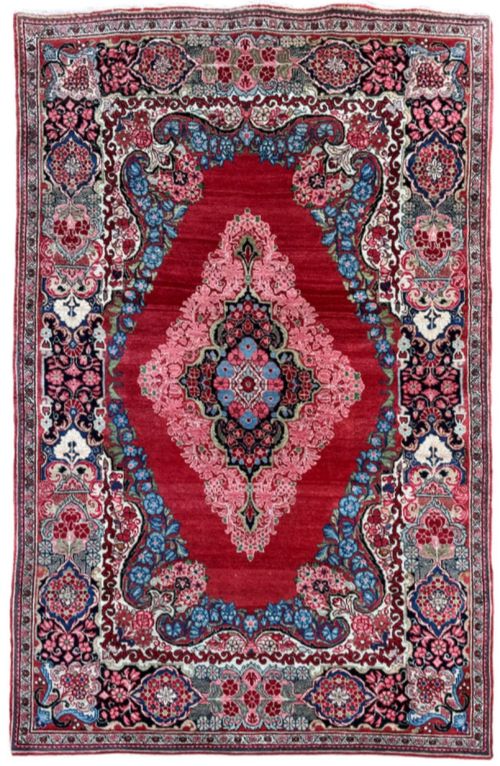
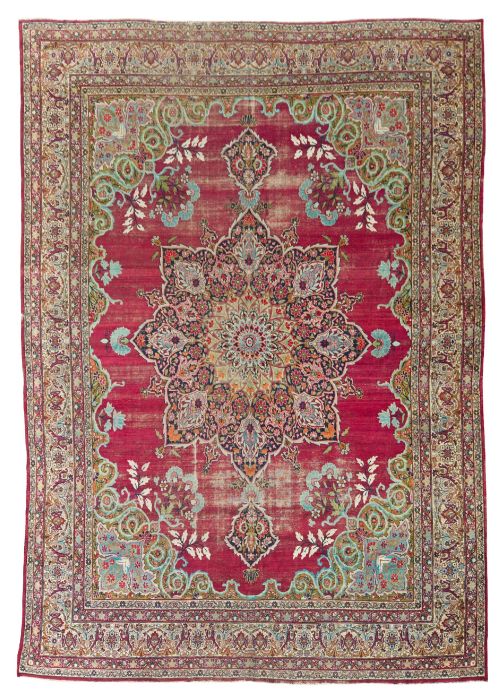
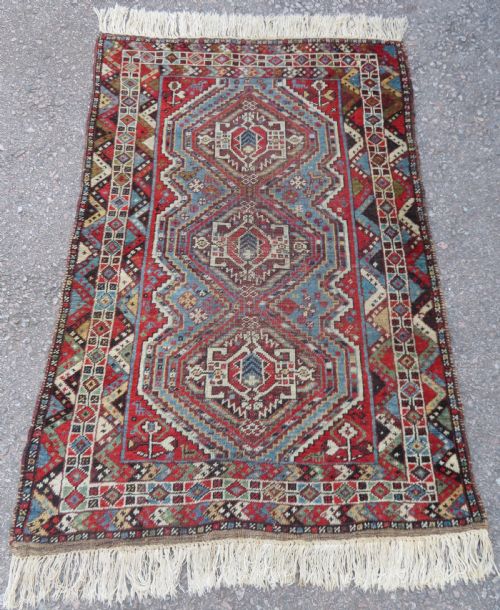
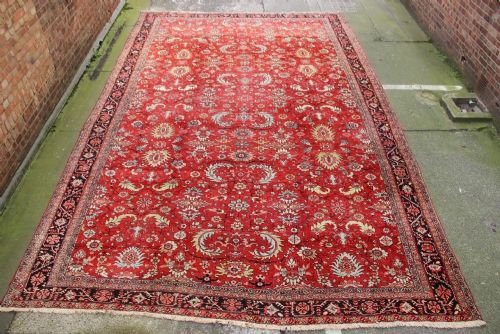
When you search for a persian knotted carpet, you encounter floor coverings woven across various provinces, cities, and tribal regions of Persia and surrounding areas. The selections on this page span from the late nineteenth century through to the early twentieth century, encompassing grand city carpets and smaller tribal formats alike.
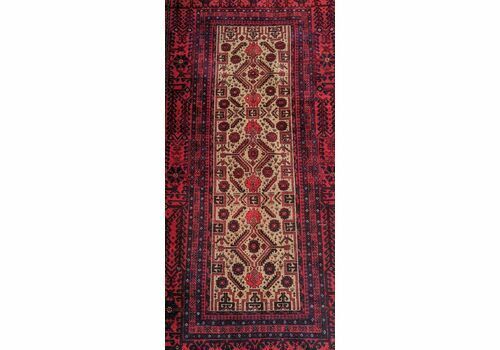
You are most likely to meet Heriz carpets, Kashan rugs, and Khamseh tribal pieces in these listings. These range from substantial room-sized carpets down to hallway runners and area rugs, reflecting diverse regional designs and practical domestic uses.
Materials and Technique
These carpets are constructed using natural materials such as wool, cotton, and silk, often incorporating hand-spun wool for the pile. Natural dyes provide the underlying palette, creating rich colour variation across the surface of each rug.
Weavers tie individual knots onto warp and weft foundations of cotton or wool, a labour-intensive method that secures the pile and allows for detailed pictorial and geometric motifs. Silk highlights occasionally appear in specific city carpets to accentuate certain design elements.
Persian Knotted Carpet Retail Price Guide 2026
Typical asking prices for persian knotted carpet among the pieces listed under this phrase on Sellingantiques today, from the lower quarter to the upper quarter. They describe what is for sale here now, not the wider market.
Listings feature carpets spanning the late nineteenth century through to the 1930s, utilising wool, cotton, silk, and natural dyes.
Factors of Quality
Knot density and structural integrity largely determine the standard of a woven carpet. Finer city workshops achieve higher knot counts, permitting sharper curves and more elaborate medallion layouts.
The choice of materials also shapes the grade of the piece, with hand-spun wool and natural dyes yielding deeper patination than later chemical alternatives. Condition matters significantly, though natural wear often sits comfortably alongside genuine age.
The Persian Knotted Carpet Glossary
- Knotted pile
- A technique where individual strands of yarn are tied around warp threads to form a dense upright surface. This method creates the plush texture associated with traditional carpets.
- Warp
- The stationary lengthwise threads stretched on the loom that carry the structural tension of the weaving. The weft threads are passed across these to hold the knots in place.
- Natural dye
- Colourants derived from plants, insects, and minerals rather than synthetic chemical laboratories. These dyes tend to age with a harmonious softening of tone.
- Medallion
- A central ornamental design motif placed in the middle of the carpet field. It serves as the primary focal point for many traditional Persian compositions.
- Runner
- A long, narrow carpet format designed specifically for corridors, hallways, and staircases. They accommodate linear spaces while displaying repeating patterns.
Persian Knotted Carpet: Frequently Asked Questions
How do I clean a antique carpet?
Professional specialist cleaning is essential for maintaining antique pile textiles without damaging the natural dyes or brittle wool foundations. Regular gentle vacuuming without a rotating brush helps remove surface grit.
Avoid household chemical treatments or soaking, as excess moisture can weaken older cotton warps and cause dye bleed.
Where were these carpets made?
Production centres include specific cities like Kashan, Isfahan, and Tabriz, alongside rural and tribal districts associated with Heriz, Khamseh, and Bakhtiar weavers. Each area developed distinct palettes and geometric or floral repertoires.
Local materials and regional weaving techniques heavily influenced the final aesthetic of each piece.
Can I use these rugs in high traffic areas?
Many wool carpets tolerate moderate foot traffic well thanks to the resilience of dense pile and sturdy cotton foundations. Placing a suitable underlay underneath helps cushion the weave and prevents slipping.
Delicate formats featuring silk highlights or lighter structures suit lower-traffic spaces or wall hanging.
How do I identify different regional styles?
Stylistic clues include the geometry of the central medallions, the presence of specific border motifs, and the characteristic colour combinations used in the field. Heriz designs often favour bold rectilinear forms, while Kashan pieces lean towards curvilinear floral arrangements.
Examining the knotting style on the reverse side also provides insight into tribal versus city origins.