
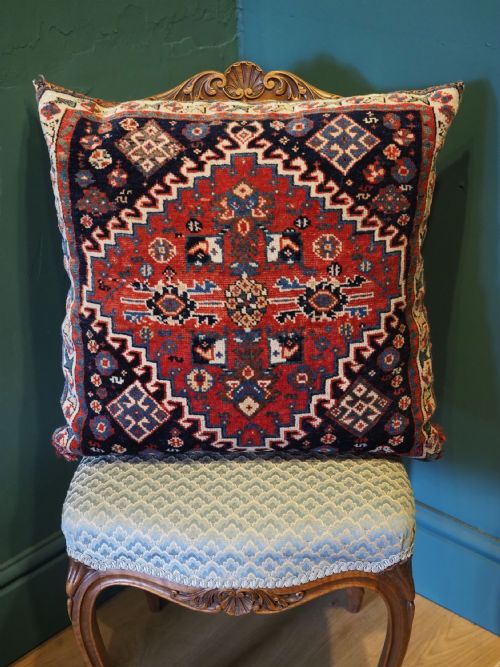




Persian Khorjin Pillow
These Persian khorjin pillow pieces are authentic tribal textiles repurposed from traditional nomadic saddlebags, offering genuine historic character for your interior.
Persian Khorjin Pillow
A persian khorjin pillow transforms authentic nomadic saddlebags and bag faces into functional cushions for contemporary living spaces. These textiles originate from various tribal groups across Persia, preserving centuries-old weaving traditions within domestic furnishings.
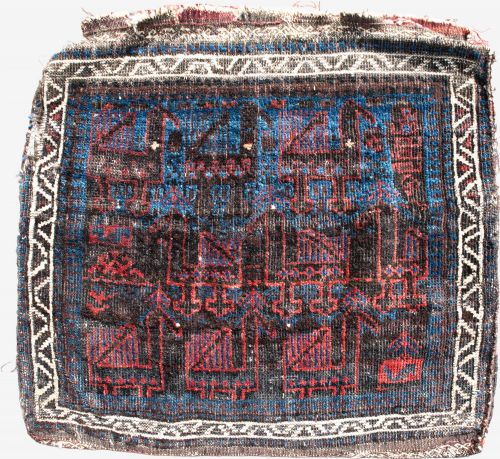
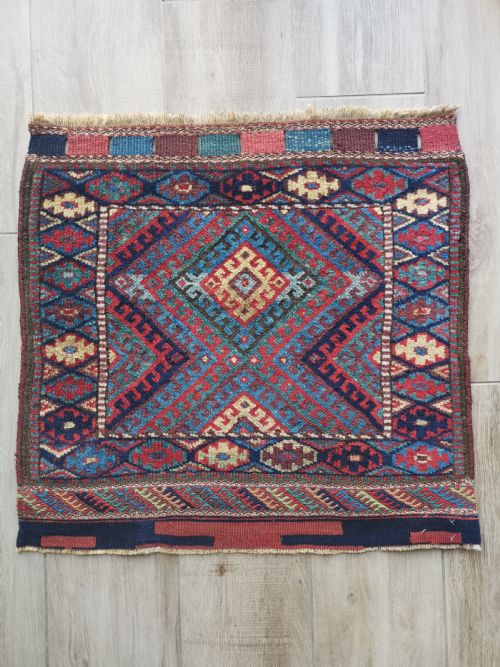
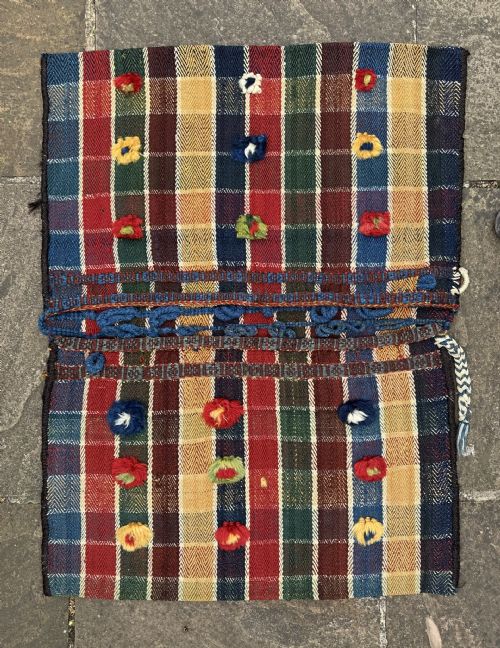
The pieces available on this page primarily showcase traditional formats such as bag faces, saddlebag pairs, and constructed cushions. Dating spans from the late nineteenth century through to the early twentieth century, reflecting the rich heritage of tribal craftsmanship.
How they were made
Nomadic weavers utilised hand-spun wool alongside cotton foundations to construct these durable textiles on portable horizontal looms. This combination of materials provided the structural strength required for daily utility during tribal migration.
Makers applied natural dyes to colour the wool, producing deep and stable hues that develop a distinct patina over time. The weaving techniques incorporate flat-weave kilim structures and pile surfaces to create intricate geometric patterns.
Current listings feature textiles from the nineteenth and early twentieth centuries, spanning periods from 1880 to 1920.
What varies in quality
The finesse of the wool and the precision of the tribal motifs largely determine the visual distinction between individual examples. Higher quality pieces display tighter knotting or finer weave structures alongside well-preserved natural dye palettes.
Integrity of the original tribal textile surface dictates the overall character of each cushion. Pieces retaining complete bag faces or balanced symmetry demonstrate superior artisanal execution from their respective tribal origins.
The Persian Khorjin Pillow Glossary
- Khorjin
- A traditional Persian double-sided saddlebag utilised by nomadic tribes for transport and storage. These bags are frequently adapted into cushions and pillows today.
- Bag face
- The decorated front panel of a tribal saddlebag or storage sack. This section displays the primary visual motifs and weaving skill of the maker.
- Kilim
- A flat-woven textile produced without a pile. Shahsavan examples often utilise this technique to create geometric designs.
- Natural dyes
- Organic colourants derived from plants, insects, and minerals. These materials yield the varied palette seen in nineteenth-century Persian tribal weaving.
Persian Khorjin Pillow: Frequently Asked Questions
What is a persian khorjin pillow?
A persian khorjin pillow is a decorative cushion created from antique nomadic saddlebags or bag faces. These textiles originate from various tribal groups in Persia.
Weavers constructed them using hand-spun wool and natural dyes on traditional looms. Today, they bring historic tribal artistry into domestic interiors.
How were these bags used originally?
Nomadic tribes utilised khorjin saddlebags to transport belongings across difficult terrain during seasonal migrations. They hung across pack animals to hold household goods and provisions.
Over time, these durable storage pieces were separated into individual bag faces and later adapted into soft furnishings.
How do I care for my pillow?
Maintain your antique textile by keeping it away from direct sunlight to protect the natural dyes. Gentle vacuuming through a mesh screen helps remove dust without damaging the wool fibres.
Professional specialist cleaning is recommended for any deeper maintenance. Avoid washing these historical pieces in standard household machines.
How can I identify tribal origins?
Distinguishing tribal origins involves examining the specific geometric motifs, colour combinations, and weaving structures. Different groups such as Qashqa'i, Baluch, and Kurdish makers employed distinct design vocabularies.
Reference materials and expert dealer descriptions help attribute pieces to specific regions within Persia like Fars or Azerbaijan.