
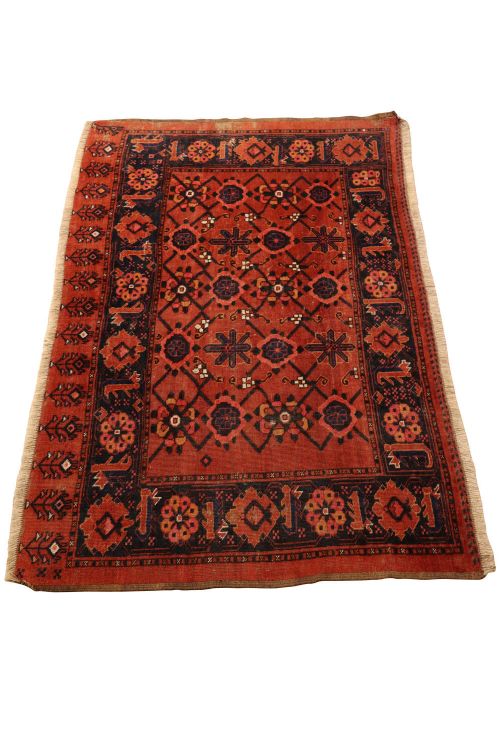


Persian Hamadan Carpet
A persian hamadan carpet brings the enduring artistry of West Persian village weaving directly into your home.
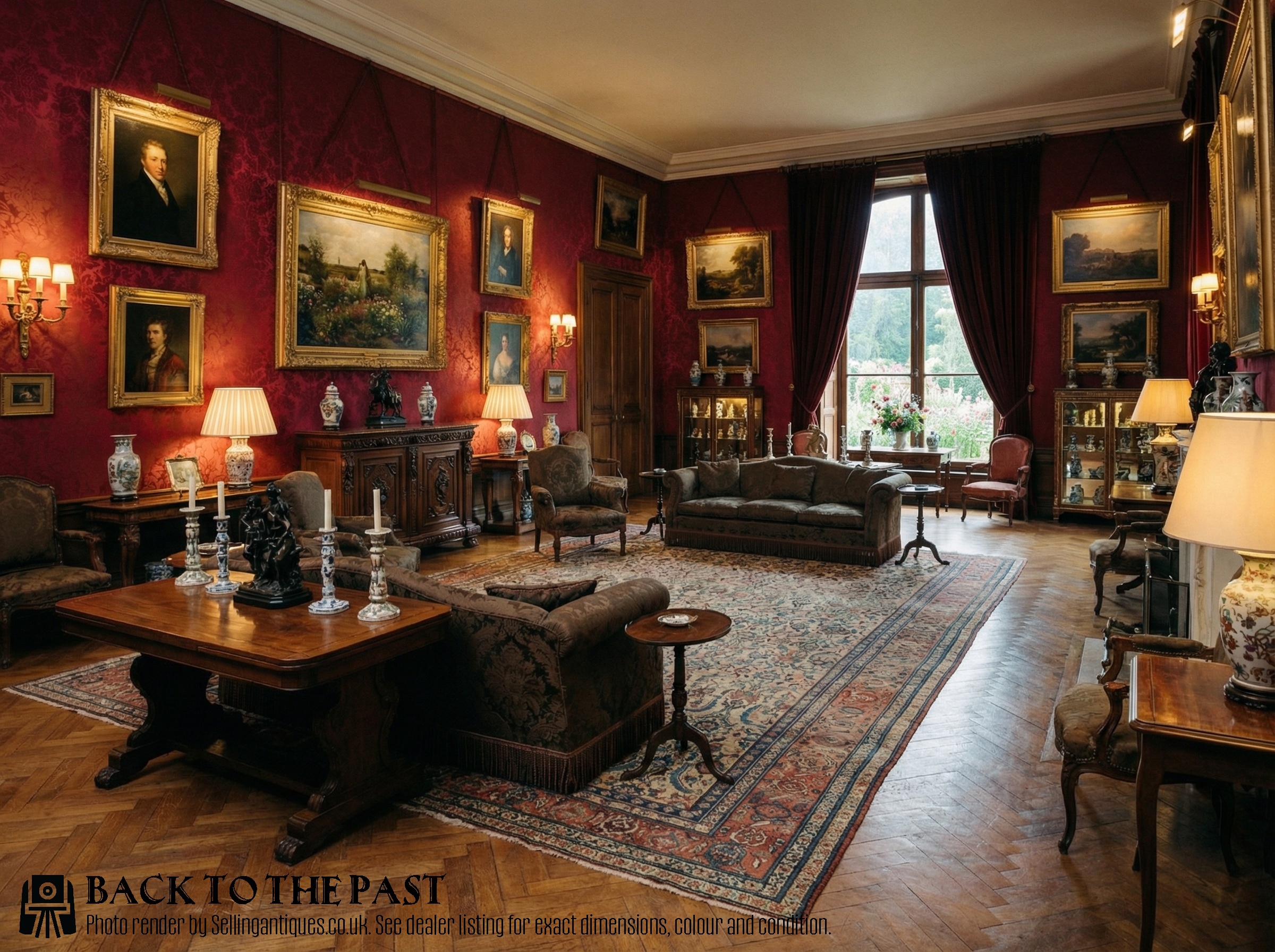
Persian Hamadan Carpet
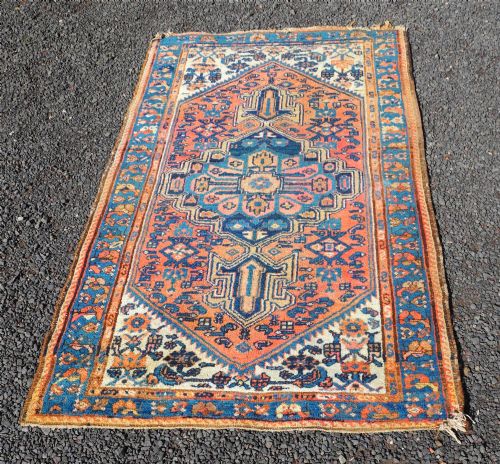
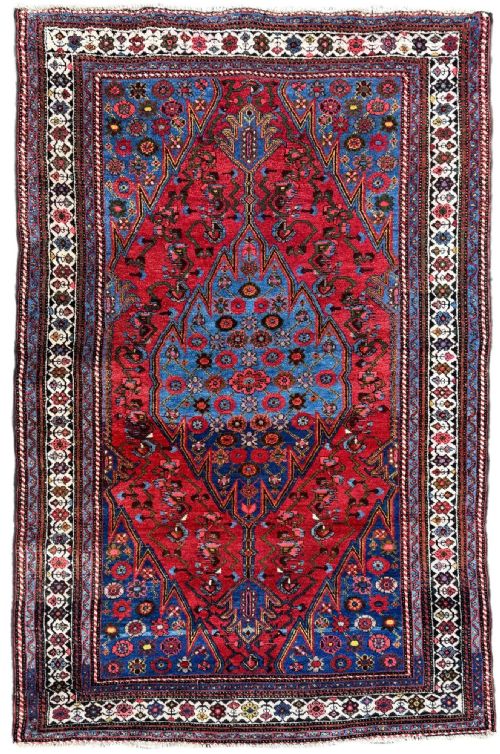
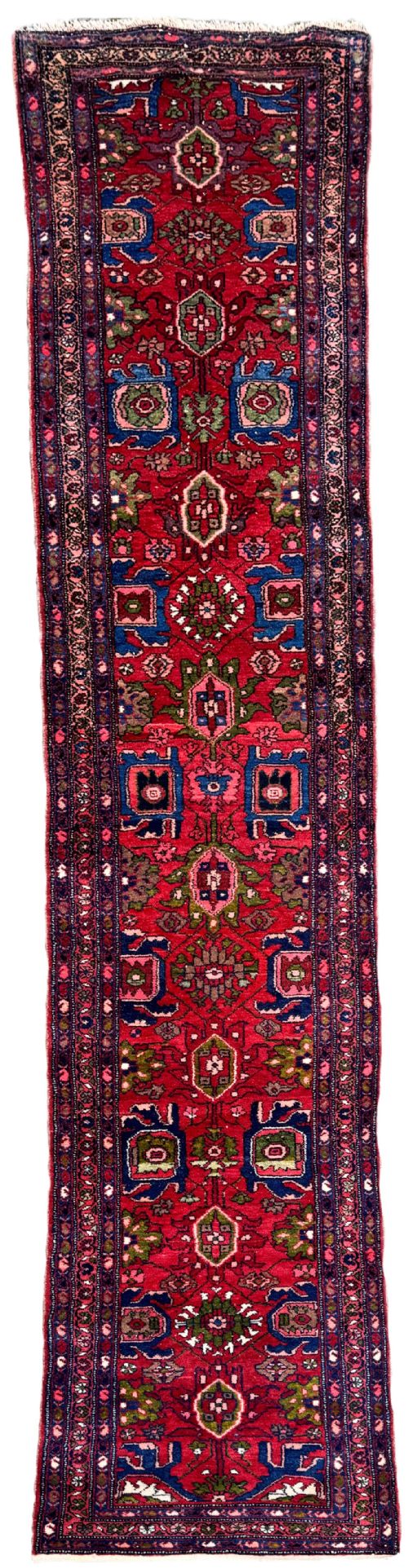
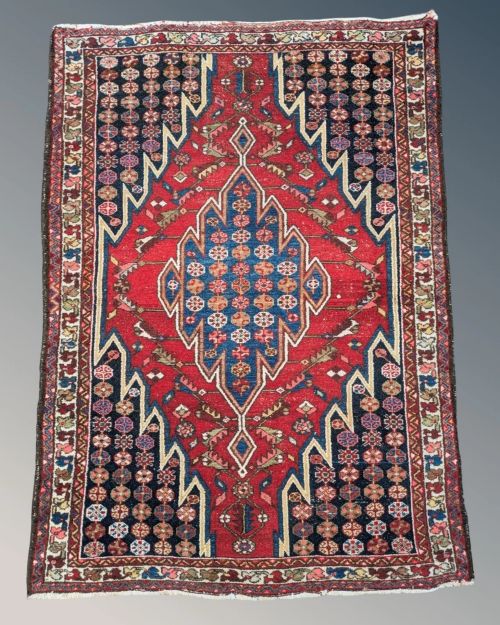
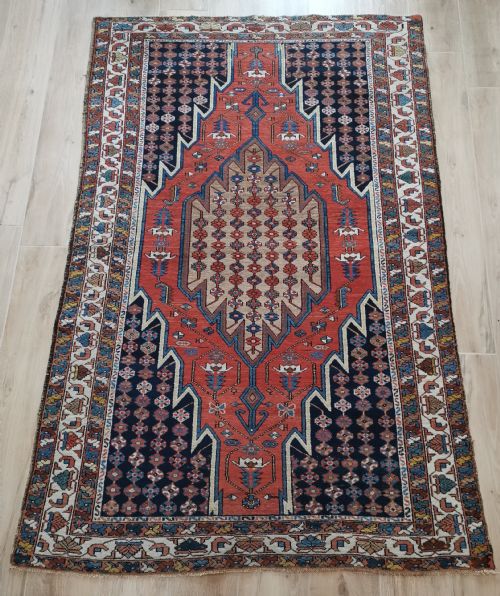
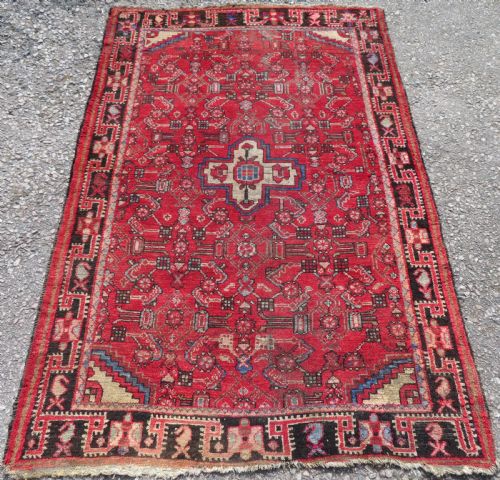
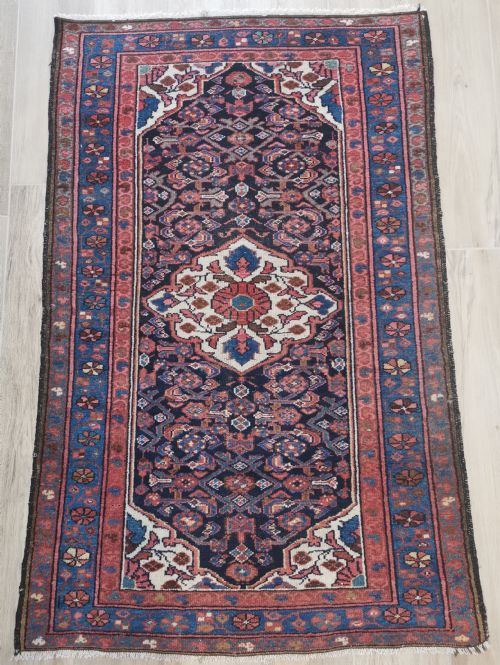
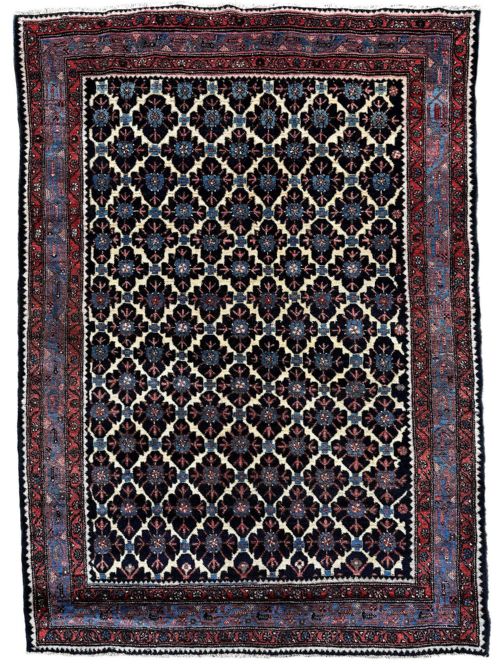
When searching for a persian hamadan carpet, buyers encounter hand-knotted village and tribal floor coverings originating from the expansive Hamadan region in West Persia. These pieces span from the late nineteenth century through the mid-twentieth century, encompassing both compact area rugs and elongated hallway runners. The selection frequently includes related regional weaving styles such as Mazlaghan, Malayer, and Kurdish pieces.
Village weavers produced these items for daily utility as well as trade, resulting in robust constructions designed to withstand heavy foot traffic. The most common formats on this page are rectangular rugs measuring around two metres in length alongside narrow runners exceeding four metres. Traditional geometric motifs, medallions, and all-over floral lattice patterns dominate the surface designs.
Materials and construction
The foundation of a traditional persian hamadan carpet relies on sturdy cotton warps and wefts that provide structural stability to the textile. Wool forms the thick, durable pile, sourced locally from sheep grazing in the mountainous West Persian terrain. Natural and early synthetic dyes colour the wool, yielding deep tones of madder red, indigo blue, and earthy neutrals.
Hand-knotting techniques secure the pile firmly to the cotton grid, executed by skilled village weavers working on upright vertical looms. Individual knots are beaten down tightly with heavy combs, creating a dense structure that protects the foundation yarns from wear over decades of use.
Village weavers occasionally incorporated tiny stray animal motifs or floating geometric amulets directly into the field borders.
Quality variations
Quality in these West Persian textiles depends significantly on the tightness of the knotting and the density of the wool pile. Finer examples display greater precision in geometric or floral detailing and maintain a supple, uniform handle across the entire surface.
The condition of the wool pile and the integrity of the original selvedges and ends dictate the overall desirability of the piece. Examples that retain their original length and lateral dimensions without excessive thinning or heavy restoration represent the higher tier of surviving specimens.
The Persian Hamadan Carpet Glossary
- Kelleh
- A large rectangular carpet format, typically longer than it is wide, suited for spacious interior rooms.
- Runner
- An elongated narrow rug format designed specifically for hallways, corridors, and passageways.
- Warp
- The vertical foundation threads stretched tightly on the loom that carry the weight and fringe of the rug.
- Weft
- The horizontal threads passed back and forth between the warp threads to lock the knots into place.
- Selvedge
- The finished bound edges on the sides of a rug that prevent the structure from unravelling.
Persian Hamadan Carpet: Frequently Asked Questions
How do I clean an antique rug?
Professional gentle dusting and specialised hand washing are necessary to protect fragile wool fibres and historic dyes from chemical damage.
Regular light vacuuming without a rotating beather bar helps remove surface grit that settles into the foundation over time.
Can I place these rugs in hallways?
Many surviving examples take the form of narrow runners specifically proportioned for corridors, landings, and entrance halls.
Using a quality underlay helps keep the runner stable on hard flooring and reduces friction against the original foundation.
What is a Kurdish weaving?
Tribal weavers from Kurdish communities within the broader Hamadan region produced distinctive carpets featuring bold geometric palettes.
These pieces often display sturdier wool structures and idiosyncratic motifs that set them apart from standard village output.
How do I identify a Mazlaghan?
Mazlaghan rugs originate from a specific village within the Hamadan sphere, known for distinct central medallion layouts.
They share foundational materials with regional counterparts but present unique colour balances and characteristically crisp drawing.