

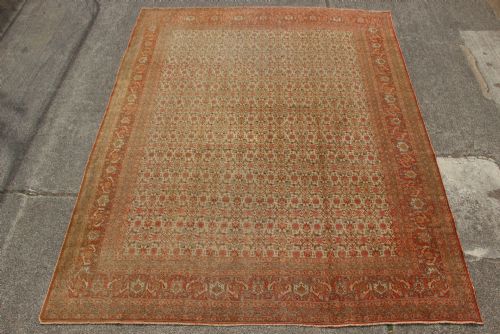
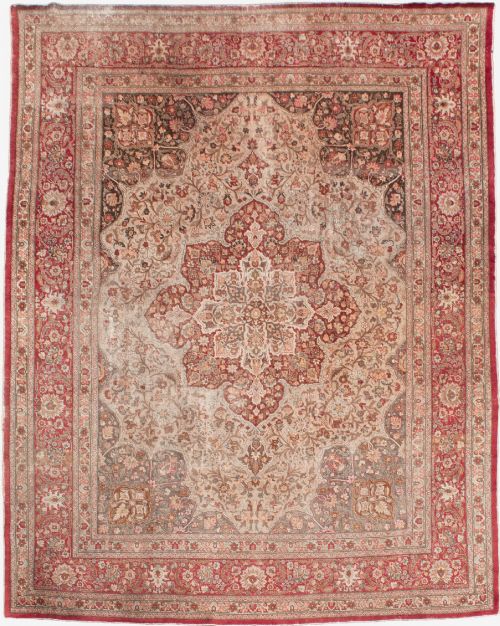
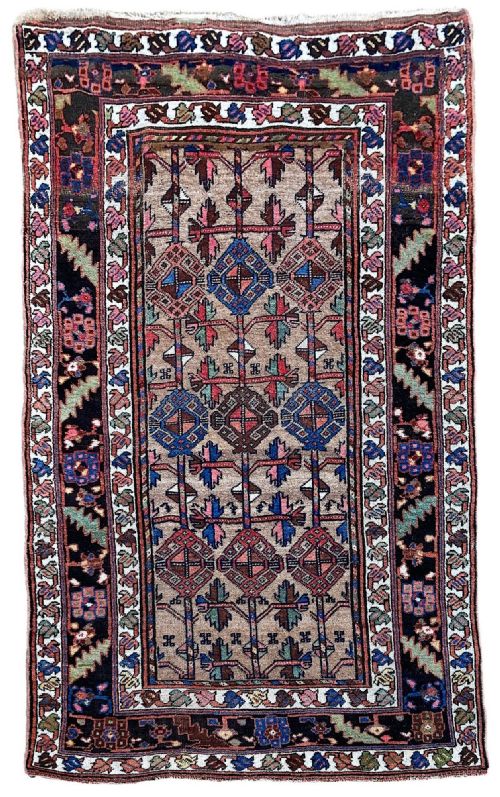
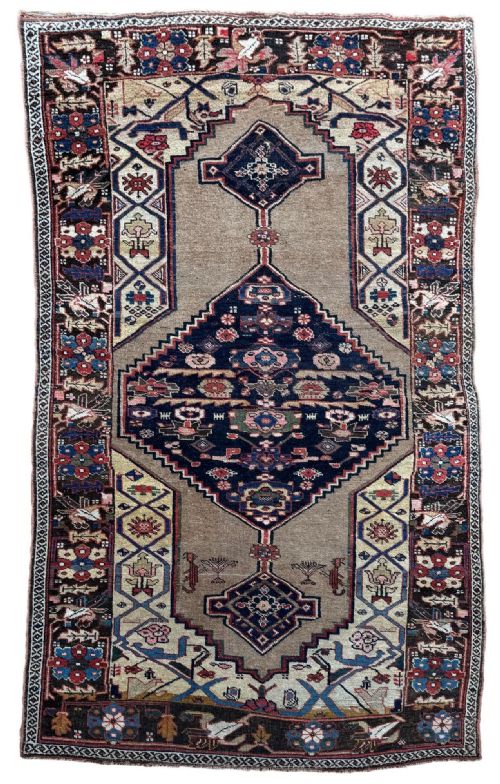


Beige Persian Area Rug
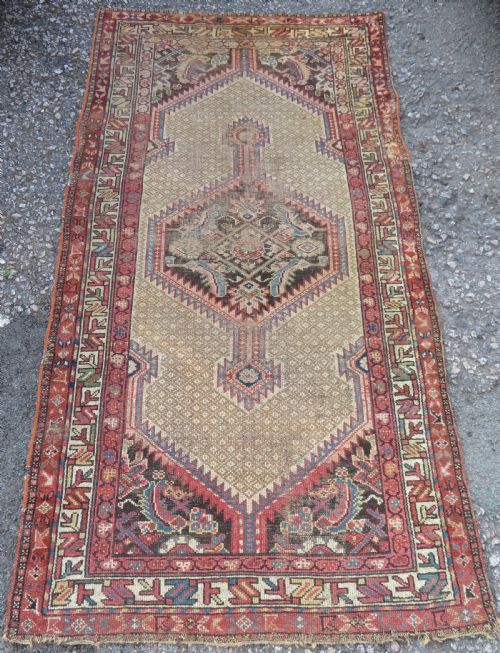
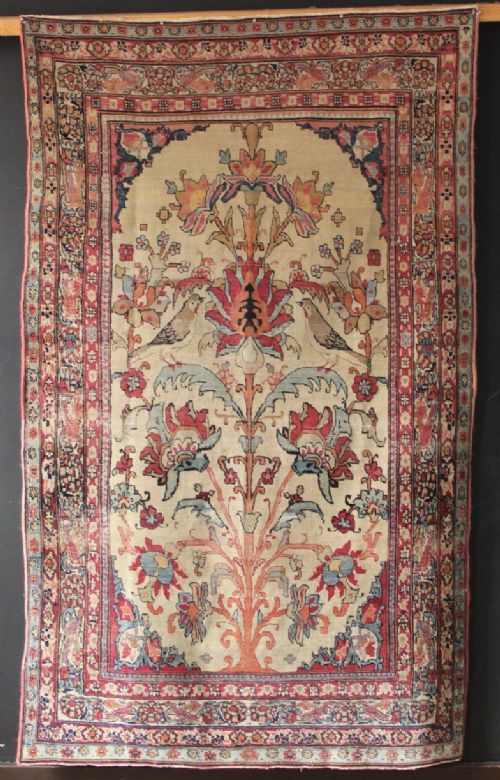
A beige persian area rug brings subtle warmth and intricate tribal motifs into a room, offering durability alongside centuries of weaving tradition.
Beige Persian Area Rug
When searching for a beige persian area rug, you encounter floor coverings originating from various Persian regions, woven across the nineteenth and twentieth centuries. These pieces encompass both large country house carpets and smaller village or tribal formats, showcasing distinct regional artistry.
What varies in quality
Quality separates along the fineness of the knot count, the precision of the woven design, and the integrity of the foundational materials. Tighter knotting allows for sharper pattern definition and greater resilience against wear.
The selection of materials also dictates standard, with hand-spun wool and silk examples representing distinct tiers of production. Furthermore, the preservation of the original borders and pile height influences the standing of each piece.
Beige Persian Area Rug Retail Price Guide 2026
Typical asking prices for beige persian area rug among the pieces listed under this phrase on Sellingantiques today, from the lower quarter to the upper quarter. They describe what is for sale here now, not the wider market.
Listings feature pieces spanning the nineteenth and twentieth centuries, utilising wool, cotton, silk, and camel hair.
Benlian
The Beige Persian Area Rug Glossary
- Warp
- The stationary vertical strings stretched on the loom that form the structural skeleton of the rug. Fringe ends typically originate from these exposed threads.
- Weft
- The horizontal strands passed through the warp threads after each row of knots to lock them securely in place. They contribute to the rigidity and firmness of the rug body.
- Pile
- The vertical or slanted yarn surface of the rug formed by the cut ends of knots. This layer determines the plushness and visual depth of the design.
- Medallion
- A symmetrical central ornamental design motif found in the middle of the field. Many Persian carpets place this focal element as the anchor for surrounding floral or geometric patterns.
- Khorasan
- A historical region in north-east Persia known for producing distinctive carpets. Weavers here utilised local wool to create durable rugs with traditional tribal and village motifs.
Beige Persian Area Rug: Frequently Asked Questions
How do I clean a fragile antique rug?
Professional specialist cleaning is essential for older woven textiles to prevent dye bleeding and fibre degradation. Regular gentle surface vacuuming without a beater bar removes loose dirt safely between washes.
Avoid household chemical treatments or soaking, as traditional natural dyes react poorly to harsh detergents. Consult a conservator for heavily soiled or damaged antique carpets.
Where should I place a delicate wool carpet?
Position these floor coverings in low-traffic sitting rooms or studies to minimise physical friction on the pile. Keeping them away from direct, harsh sunlight prevents the fading of natural plant and insect dyes.
Using a quality underlay prevents slipping and cushions the weave against hard flooring surfaces. This simple step extends the functional lifespan of vintage textiles significantly.
How do I identify a tribal rug?
Tribal rugs typically display geometric motifs, stylised animals, and asymmetrical tree of life patterns woven by nomadic or village communities. These pieces often incorporate rustic materials like camel hair alongside hand-spun wool.
Structure tends to be heavier and less uniform than workshop productions from major cities like Tabriz or Isfahan. The charm lies in these individual artisanal variations and local dyeing quirks.
What does a camel ground indicate?
A camel ground indicates the use of undyed camel hair or camel wool for the main background field of the rug. This natural fibre imparts a distinctive warm, neutral tone that wears gracefully over time.
Such examples frequently appear in nineteenth-century Baluch and Sarab tribal productions. The resulting texture offers a softer alternative to standard dyed sheep's wool.