

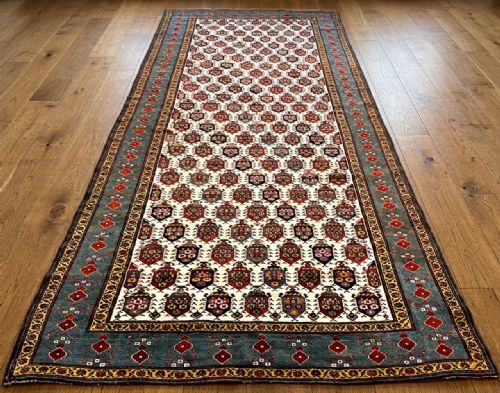
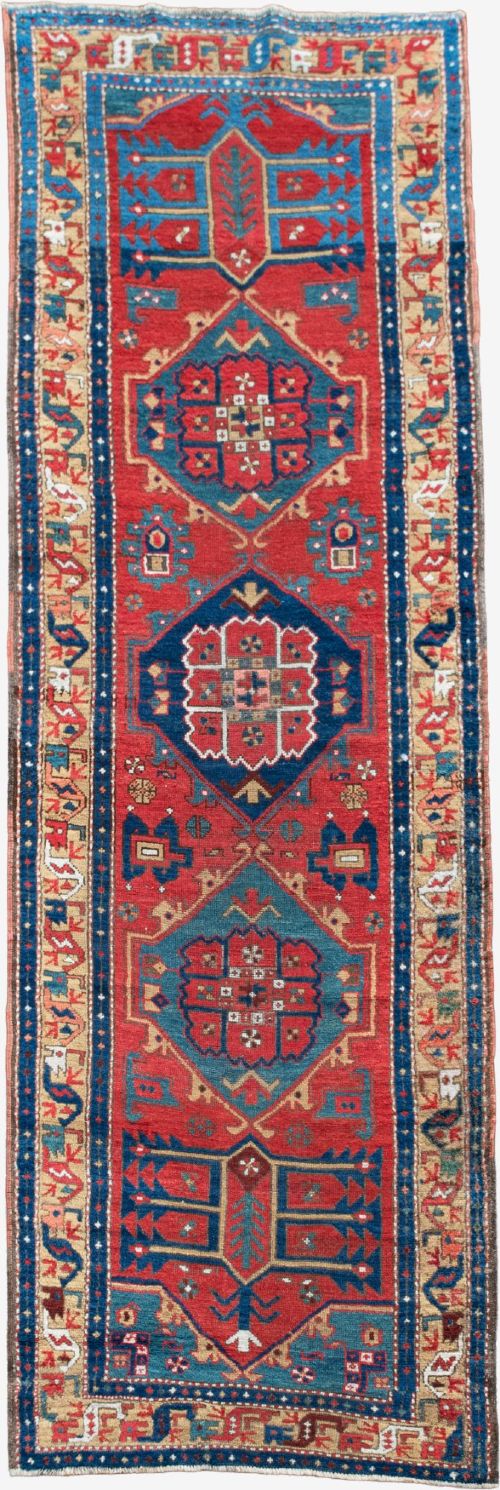
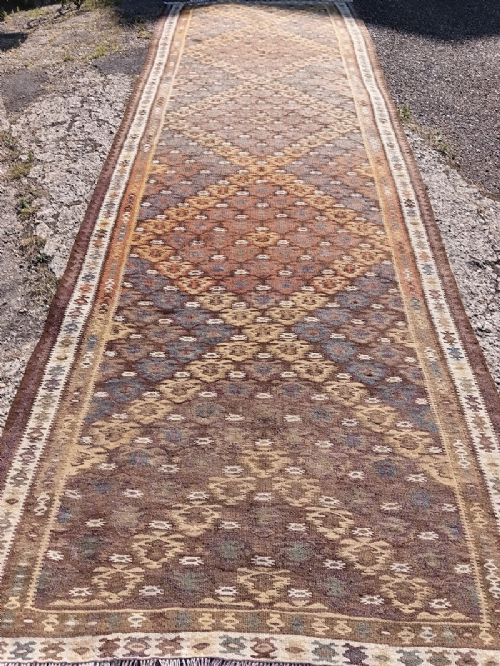
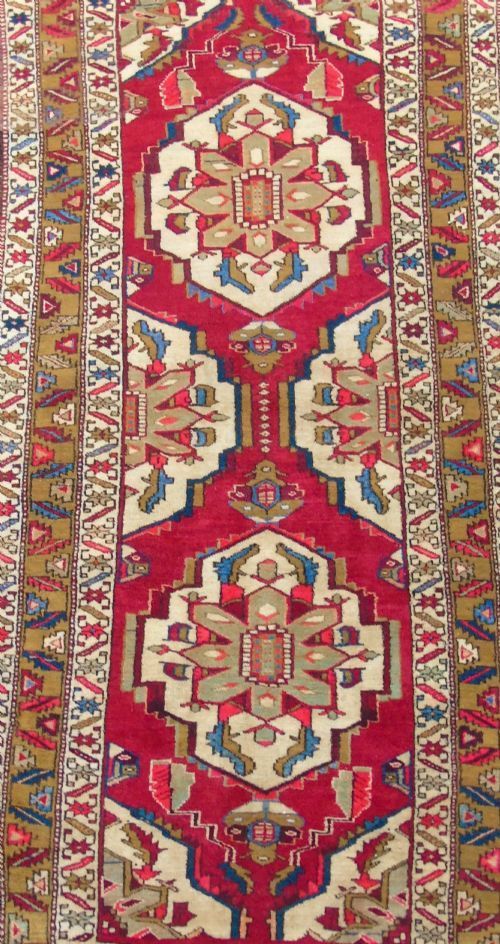
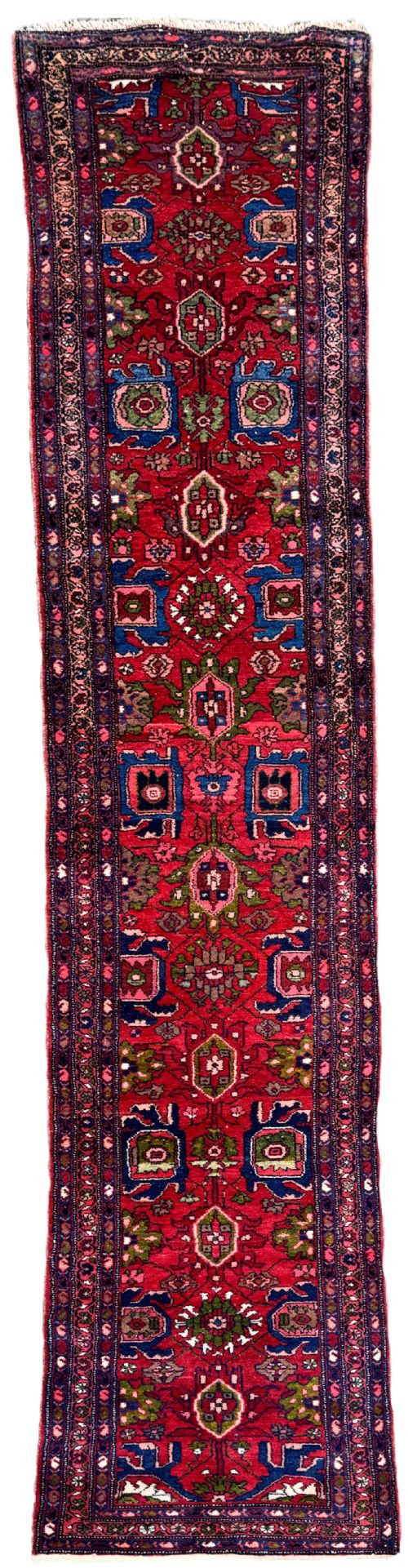
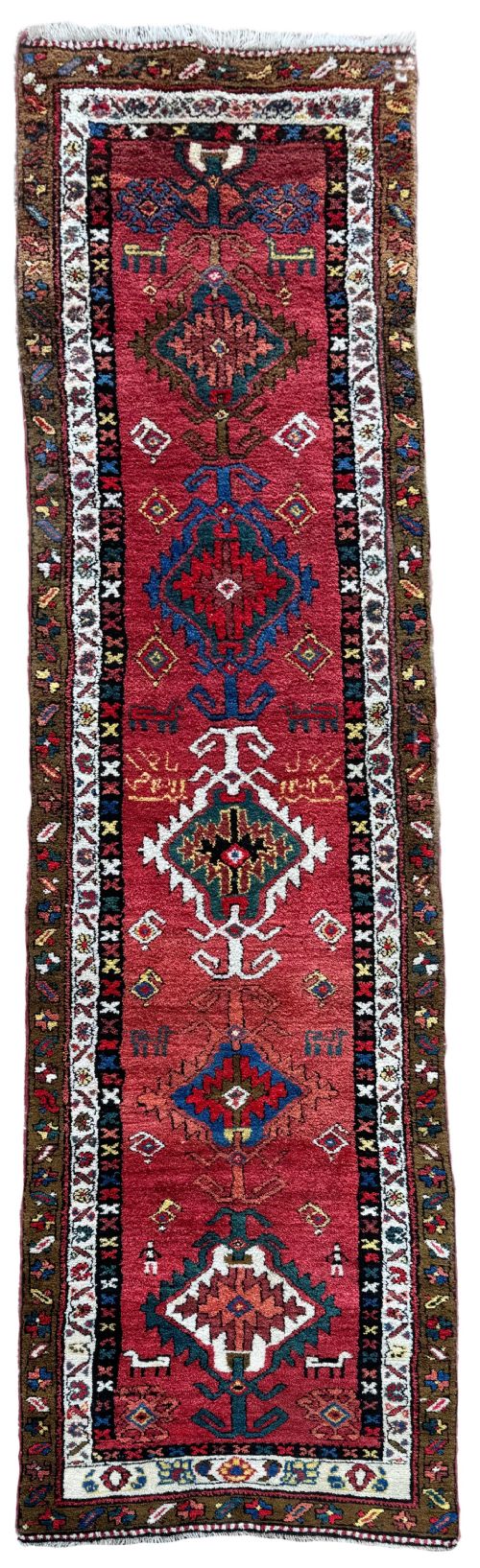
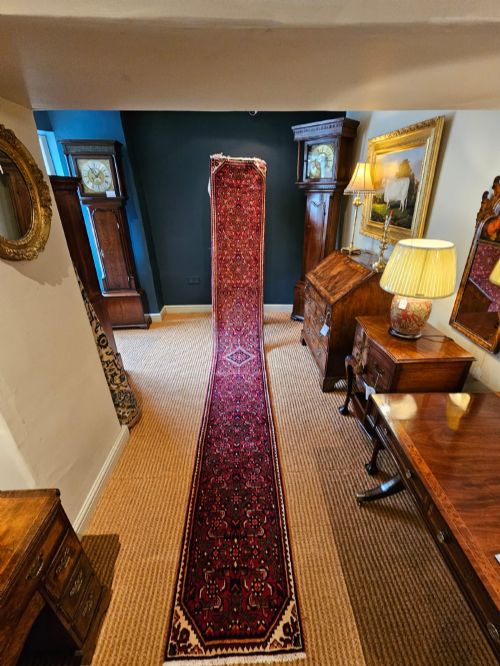
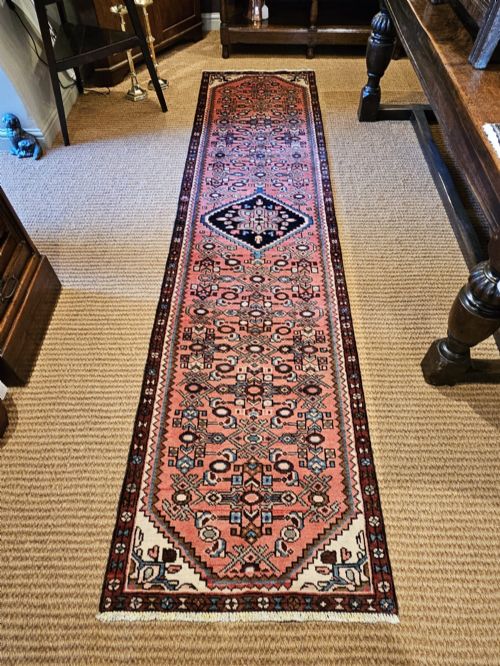
Persian Hallway Carpet
A persian hallway carpet brings narrow spaces to life with rich tribal patterns and deep historical character woven straight into wool.

Persian Hallway Carpet
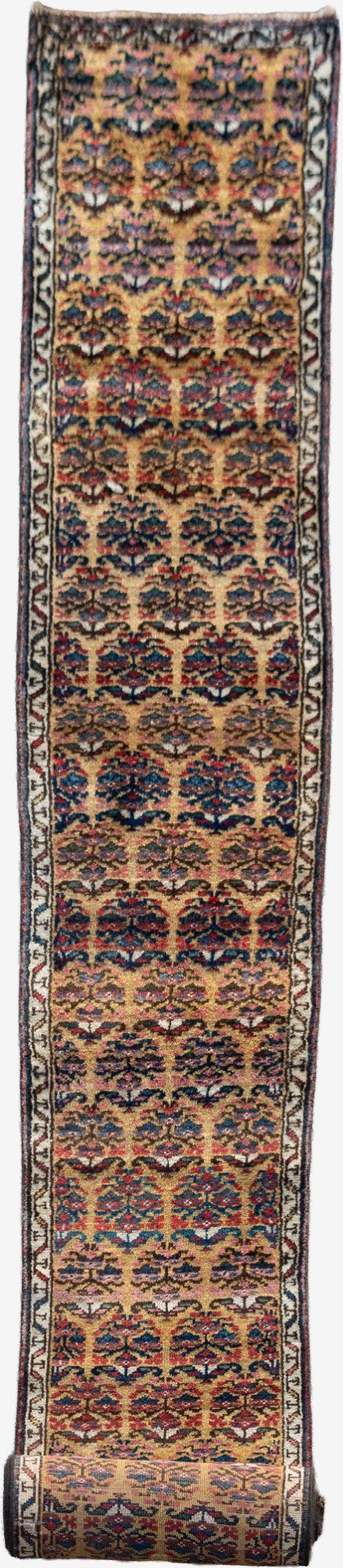
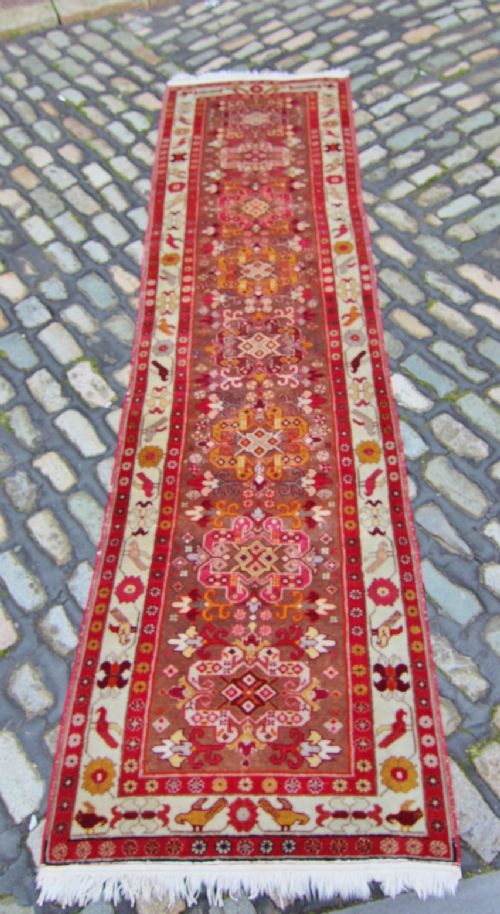
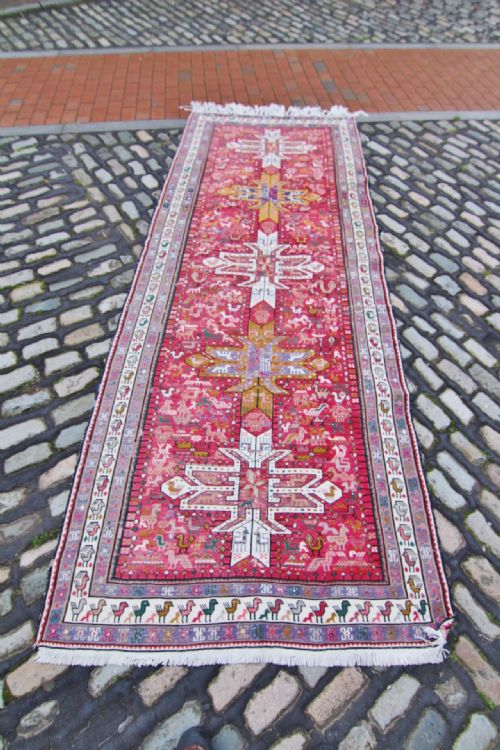
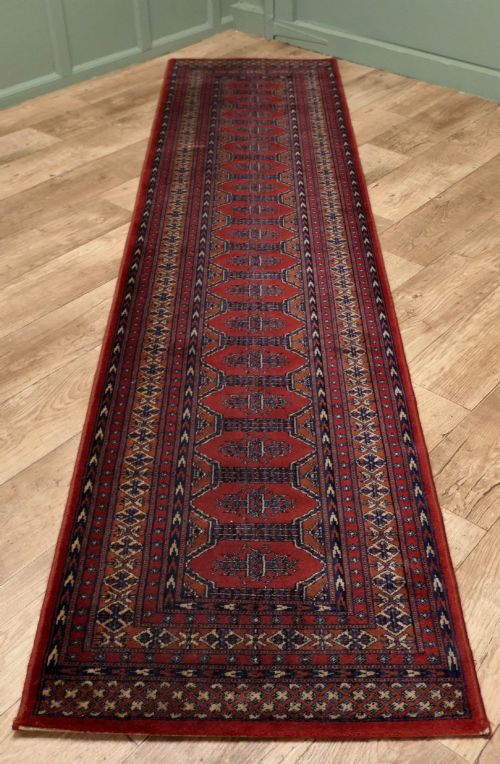
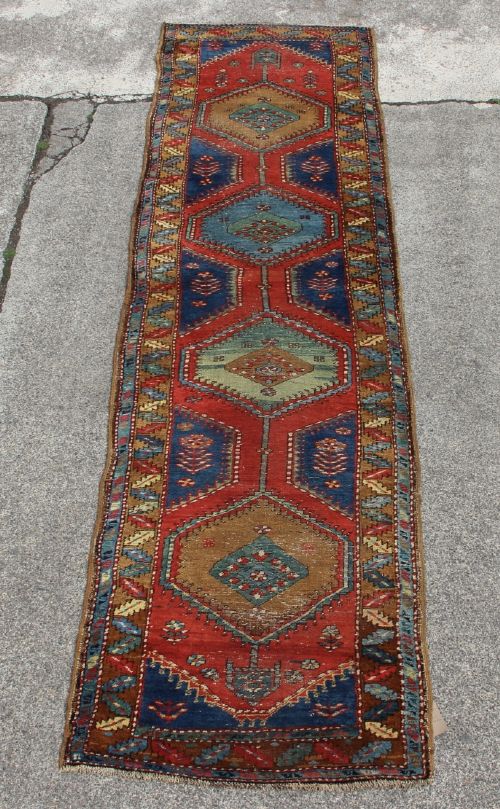
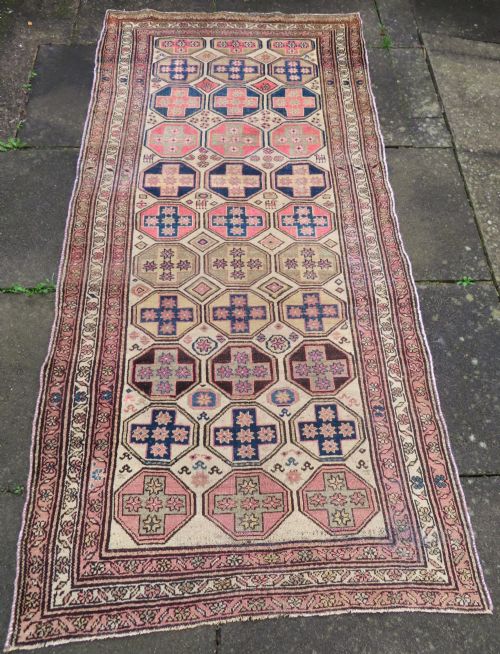
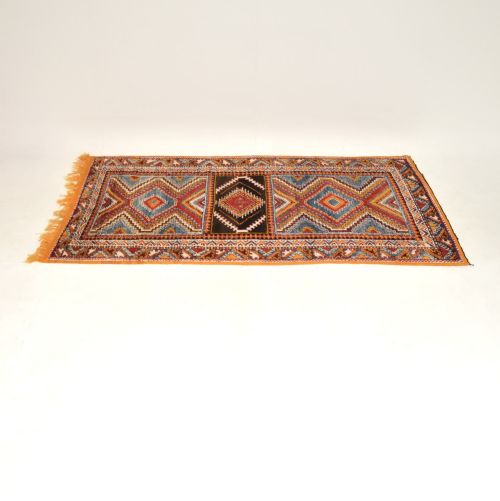
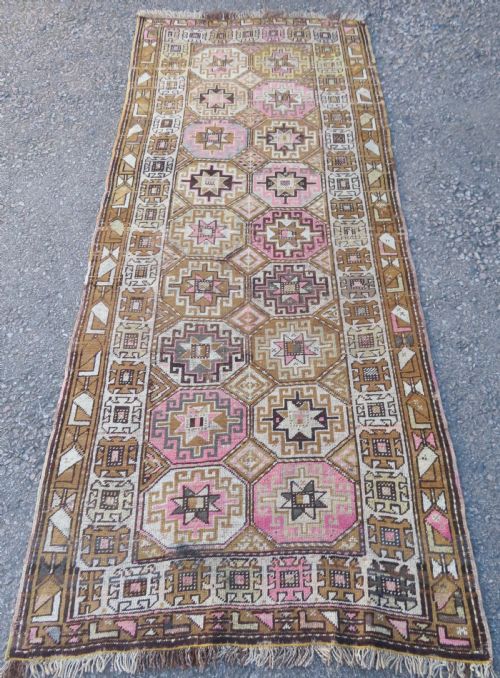
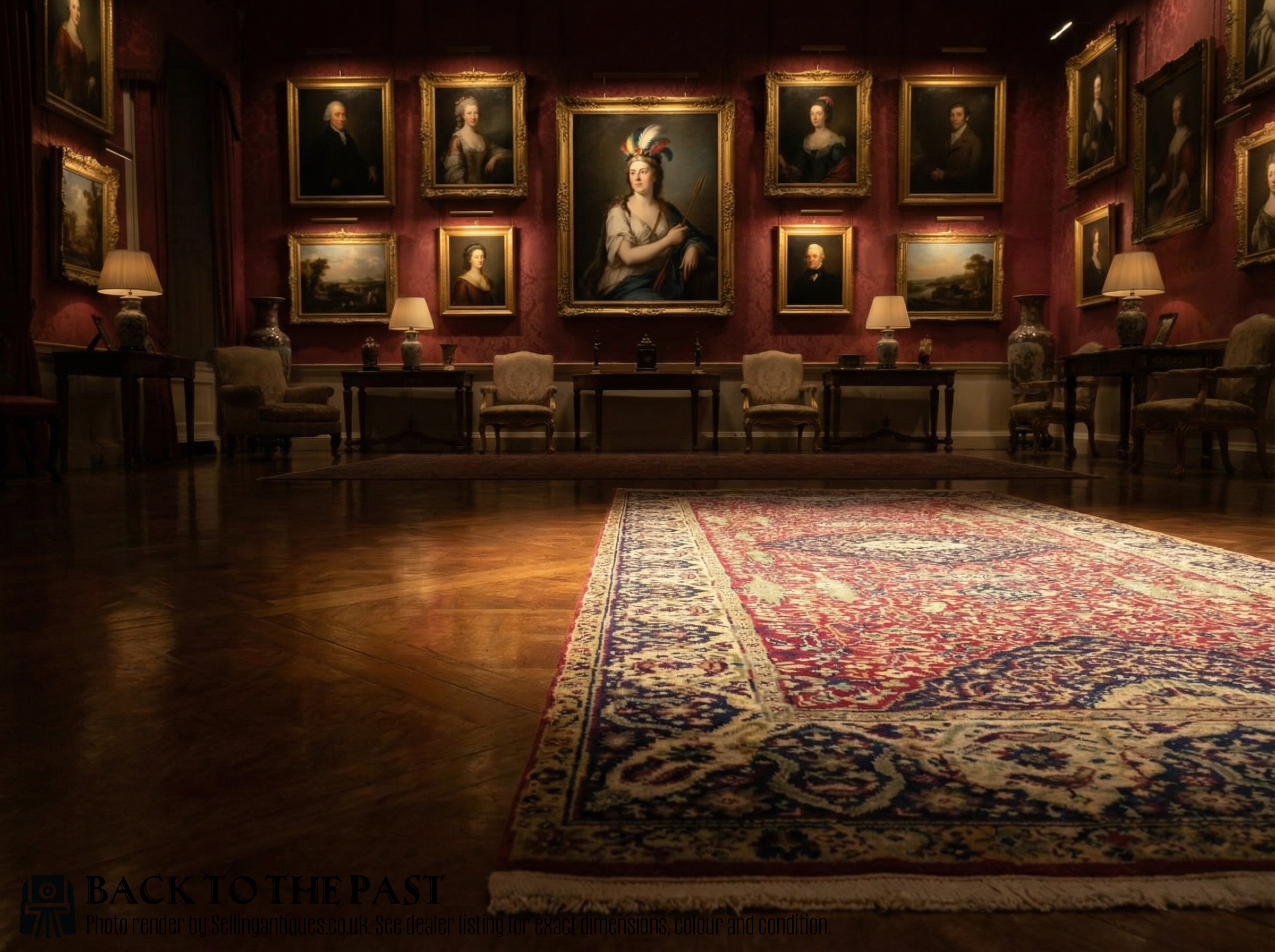
A persian hallway carpet is a long, narrow textile designed specifically to fit narrow corridors, halls, and landings. These pieces range from compact runner rugs to expansive runners stretching over thirty feet in length.
The selections available span multiple decades and centuries, with origins tracing back through traditional Persian and Kurdish tribal weaving regions. Buyers encounter diverse regional styles such as Heriz, Hamadan, and Kurdish long runners.
These floor coverings fulfil both practical and aesthetic roles in a home, protecting high-traffic flooring while establishing an immediate sense of warmth. Their linear formats accommodate long architectural spaces without overwhelming narrow layouts.
How they were made
Materials consist primarily of natural wool and cotton, utilised respectively for the dense surface pile and the sturdy underlying foundation structure. The pairing of a soft wool fleece over strong cotton warps provides both tactile comfort and structural endurance.
Weavers employ traditional handweaving techniques to knot intricate geometric and floral motifs directly onto vertical looms. Regional workshops and nomadic weavers rely on organic dyes derived from plants and minerals to achieve lasting, saturated tones.
Persian Hallway Carpet Retail Price Guide 2026
Typical asking prices for persian hallway carpet among the pieces listed under this phrase on Sellingantiques today, from the lower quarter to the upper quarter. They describe what is for sale here now, not the wider market.
The listings span periods from the nineteenth century through the 1930s, constructed predominantly from wool and cotton.
What varies in quality
Quality rests upon the tightness of the knotting and the density of the wool pile, which dictate how well the textile withstands continuous foot traffic. Finer knot counts allow for sharper geometric clarity and more intricate delineation of traditional motifs.
The integrity of the structural foundation, including surviving selvedges and even wear across the cotton warps, determines the long-term durability of the piece. Uniformity in width along extended lengths also reflects greater initial skill in the weaver.
The Persian Hallway Carpet Glossary
- Runner
- A long, narrow carpet format specifically proportioned for corridors, hallways, and staircases. This linear shape directs movement through a home.
- Pile
- The upright yarn loops or cut ends that form the soft surface of the textile. Higher density in the pile enhances resilience against wear.
- Warp
- The stationary vertical threads stretched onto a loom that form the foundational skeleton of the carpet. Cotton is frequently utilised for this structural support.
- Selvedge
- The reinforced side edges of a carpet finished to prevent the horizontal weft threads from unravelling. Original surviving edges indicate careful preservation.
- Nomadic
- Weaving produced by tribal groups moving seasonally rather than within permanent town workshops. These pieces often feature bold, memory-driven geometric designs.
Persian Hallway Carpet: Frequently Asked Questions
How do I choose the right length?
Measure your hallway carefully while leaving exposed borders of wood or stone visible on all sides for a balanced aesthetic.
Account for doors that need clearance to swing open freely over the thickness of the pile.
Where should I place a runner?
These pieces suit narrow corridors, grand entrance halls, and extended landings where linear floor space requires softening.
They also function effectively in long kitchens or beside bedroom furniture to add warmth underfoot.
How do I care for wool carpets?
Vacuum gently using suction attachments without rotating brush rolls to protect the delicate wool fibres from excessive friction.
Rotate the textile periodically to ensure even exposure to foot traffic and sunlight over the years.
How do regional styles differ?
Heriz and Kurdish designs often showcase robust geometric medallions and angular lattice patterns woven with sturdy materials.
Other regional variations lean towards denser floral layouts or minimalist tribal fields depending on the specific weaving community.