


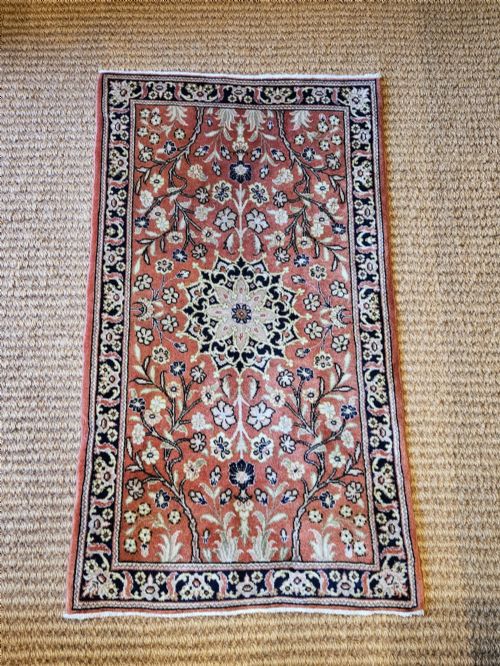
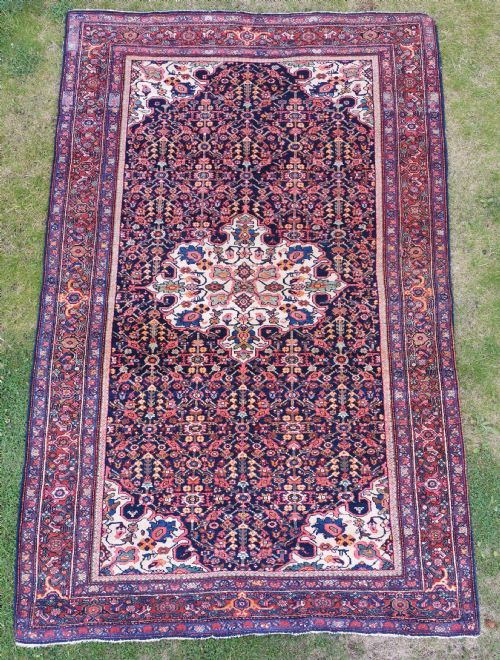
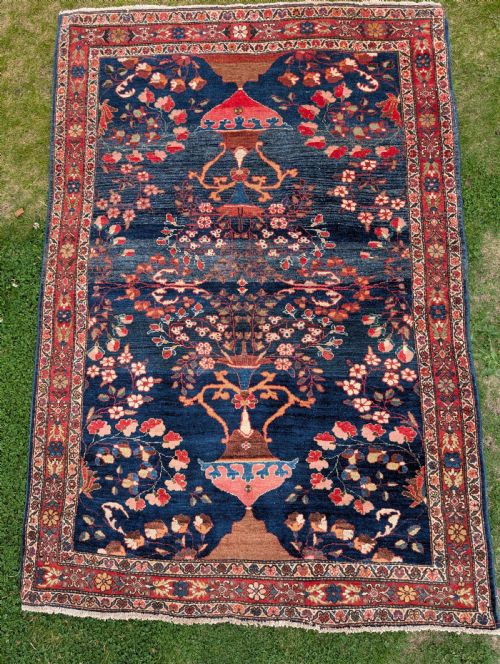
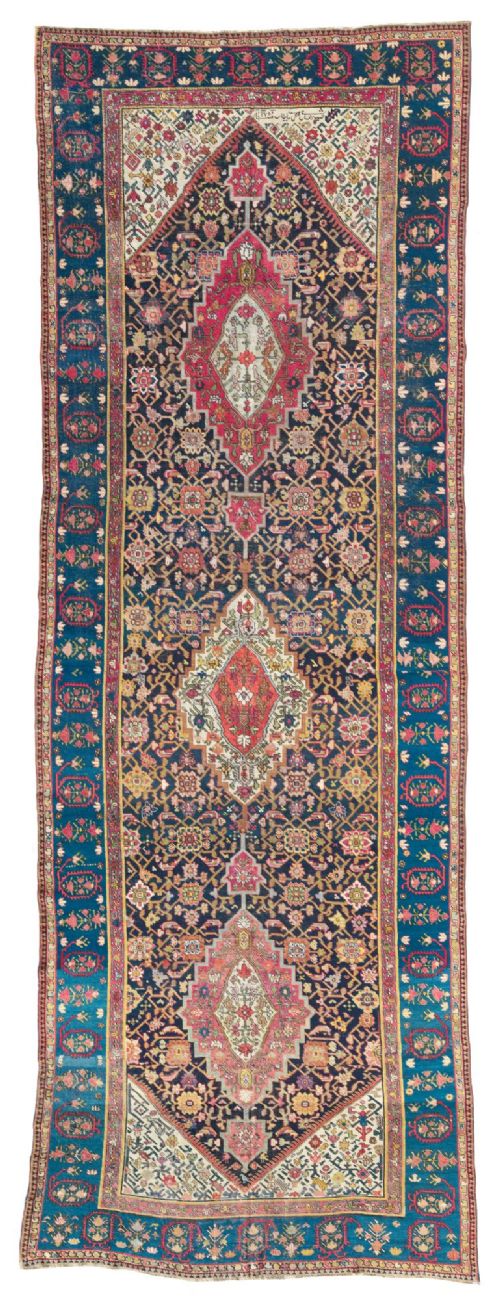
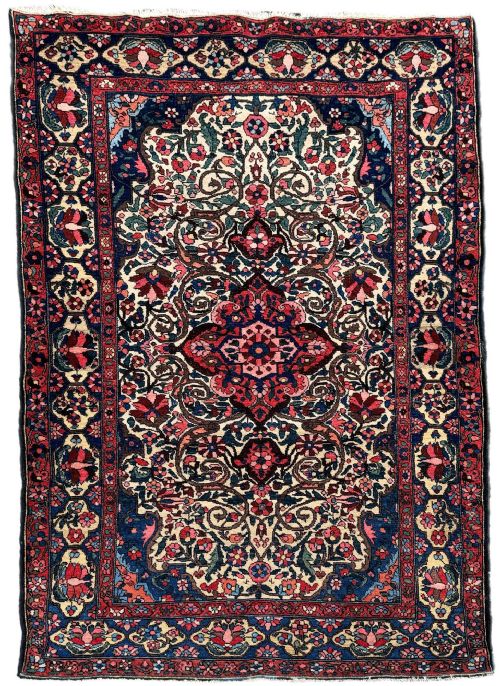
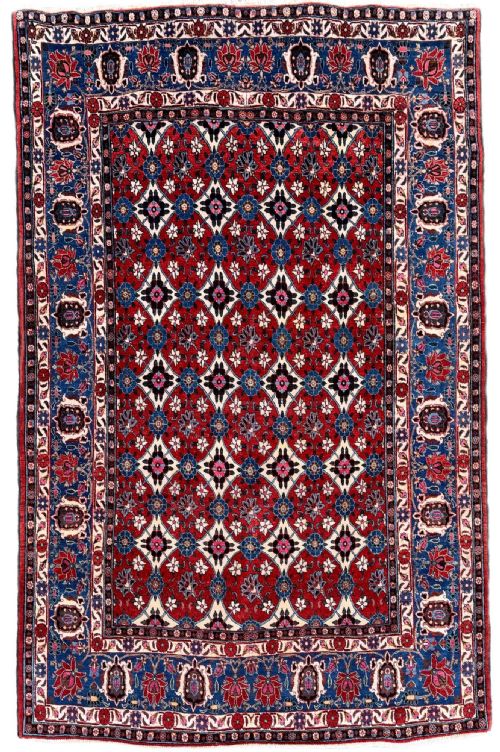
Persian Floral Rug
A persian floral rug brings centuries of woven artistry and intricate botanical design directly onto your floor.
Persian Floral Rug
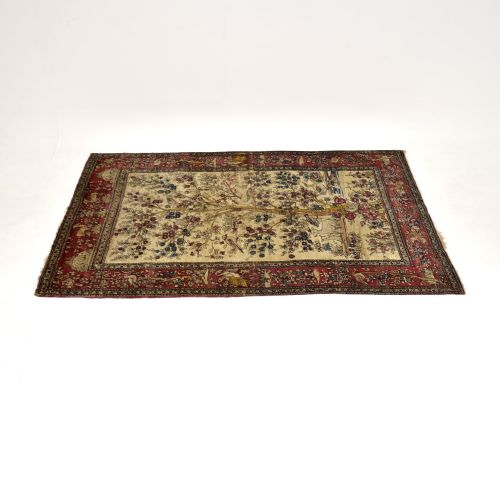
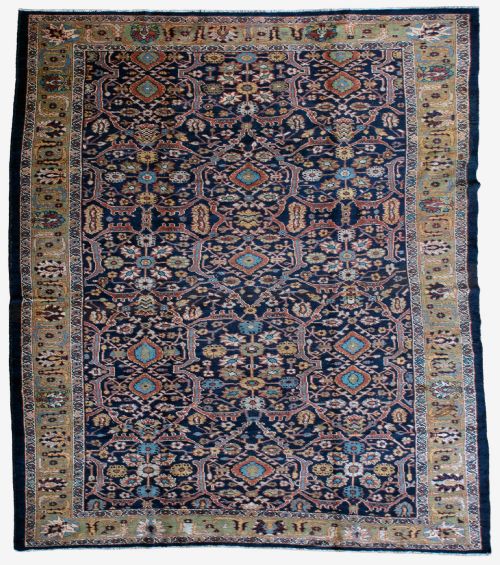
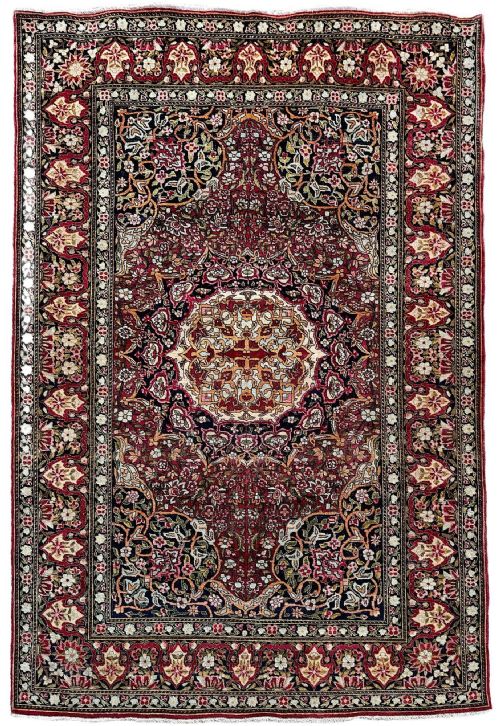
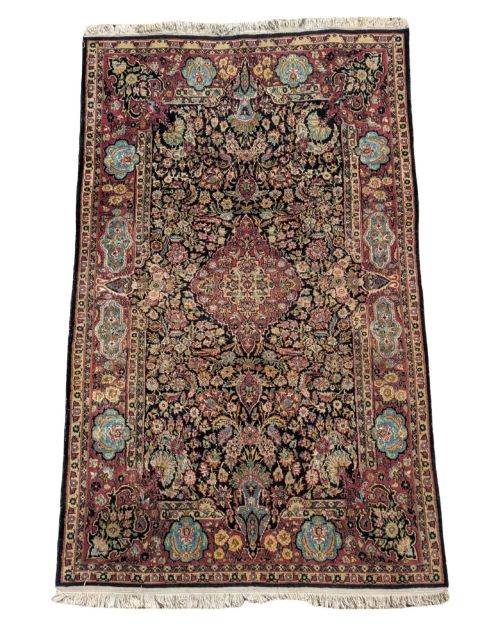
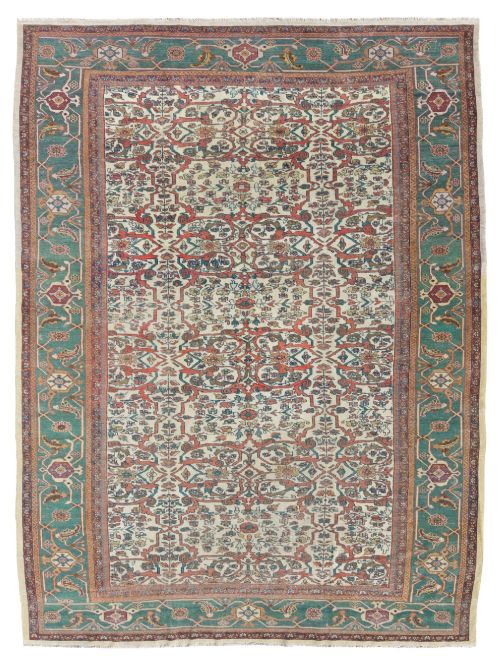
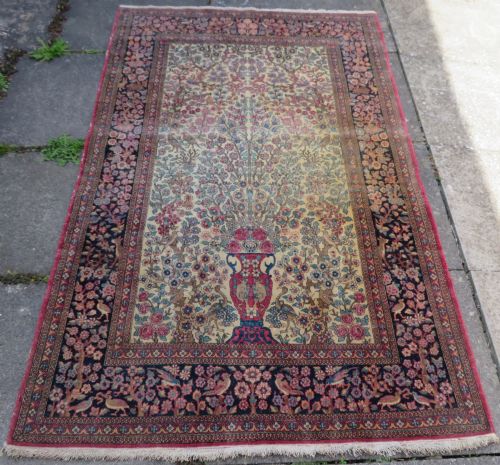
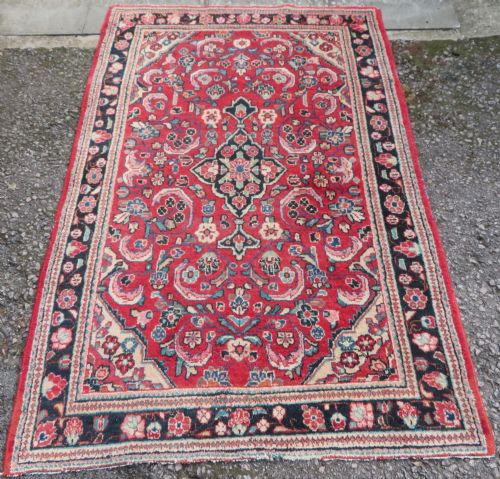
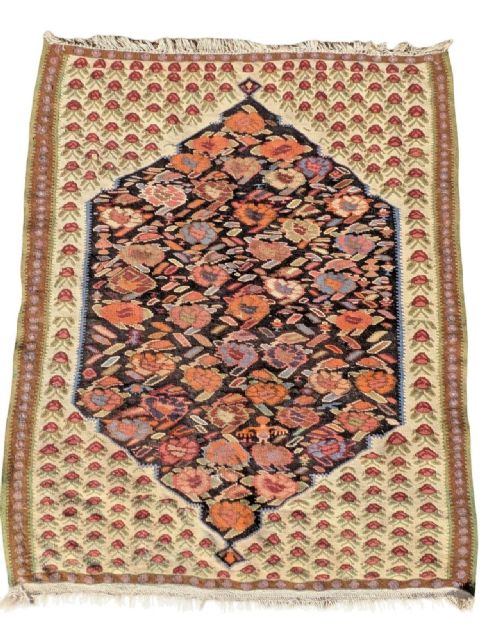
When you search for a persian floral rug, you encounter hand-knotted floor coverings hailing from various distinct weaving traditions across Persia. The selection spans distinct periods including the late nineteenth and early twentieth centuries, capturing traditional styles from towns and villages alike.
You will find formats ranging from small scatter rugs to room-sized carpets. The recurring motif across these pieces is the botanical design, incorporating elaborate floral sprays, central medallions, and garden patterns.
Origin names such as Isfahan, Kashan, Kirman, and Sultanabad appear frequently among the listings. Each regional centre imparts specific character to the pile, distinguishing a village weave from a sophisticated city workshop production.
Materials and construction methods
These carpets are constructed using a foundation of durable cotton warps and wefts that support a dense wool pile. The wool provides warmth and resilience, while the cotton allows for precise structural tension during the knotting process.
Weavers tied individual knots by hand across the foundational grid, resulting in varying densities depending on the regional tradition and the workshop. Natural dyes impart the rich colour palettes seen in both the older nineteenth-century examples and the early twentieth-century pieces.
Persian Floral Rug Retail Price Guide 2026
Typical asking prices for persian floral rug among the pieces listed under this phrase on Sellingantiques today, from the lower quarter to the upper quarter. They describe what is for sale here now, not the wider market.
A stray knot or slight asymmetry in a village rug reveals the human hand behind the loom.
Assessing quality and craftsmanship
The distinction between standard examples and the finest pieces rests upon knot density and the precision of the botanical drawing. A finer weave permits crisper execution of intricate floral curves and detailed cloud bands.
The depth and harmony of the palette also define the upper tier of the range. Superior natural dyes mature gracefully over decades, maintaining tonal richness across ivory, burgundy, and green grounds.
Sultanabad·Isfahan·Kirman·Abadeh·Kashan·Lilihan·Bijar·Sarouk·Bakhtiari·Hamadan
The Persian Floral Rug Glossary
- Pile
- The upright yarn loops that form the soft surface of the rug. It absorbs wear and displays the woven design.
- Warp
- The stationary longitudinal threads stretched on the loom. The knots are tied around these foundational elements.
- Weft
- The horizontal threads passed across the warps after each row of knots. This binds the structure together firmly.
- Medallion
- A symmetrical ornamental motif centred in the field of the rug. It often anchors the surrounding floral layout.
- Prayer rug
- A small carpet featuring a mihrab or niche design, historically used for individual devotion. These often incorporate garden layouts.
Persian Floral Rug: Frequently Asked Questions
How do I clean an antique rug?
Professional dusting and gentle surface cleaning preserve the wool pile and natural dyes. Avoid harsh chemical treatments that damage the fibres.
Regular light vacuuming without a rotating power head prevents dirt accumulation within the weave.
Are these pieces suitable for high-traffic areas?
Traditional wool and cotton construction offers remarkable durability for daily use. Placing a quality underlay beneath the piece prevents slipping and reduces friction against the floorboards.
Heavily trodden hallways benefit from sturdier village weaves, while finer city carpets suit quieter drawing rooms.
How do I identify regional styles?
Regional attribution relies on examining the specific floral motifs, border arrangements, and colour combinations unique to centres like Kashan or Isfahan. Structural details such as knot count and foundation materials also offer clues.
Comparing the drawing style of the central medallion helps distinguish city workshop pieces from village productions.
Why do natural dyes matter?
Natural dyes derived from plants and minerals create nuanced colours that mellow softly over generations. They possess a rich luminosity that synthetic alternatives rarely replicate.
As the wool wears, these traditional dyes develop a harmonious patina appreciated by collectors.