


Persian Flatweave Carpet
A persian flatweave carpet brings tactile tribal history and rich vegetable hues directly to your floor.
Persian Flatweave Carpet
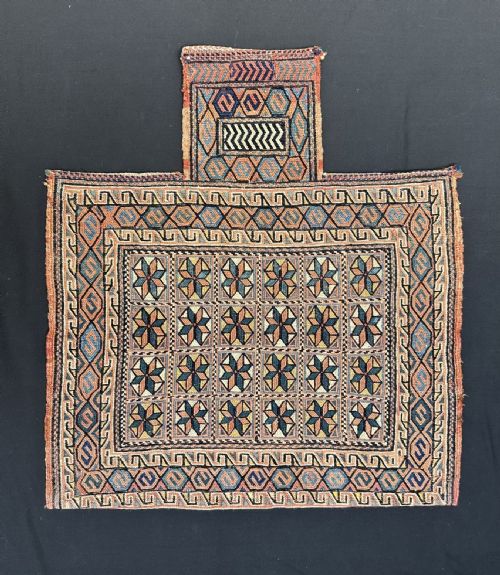
When you search for a persian flatweave carpet, you are looking at utilitarian textiles produced by nomadic and village tribes across the region. These non-pile woven items include utilitarian floor coverings, dining spreads, storage bags, and long runners from various tribal groups.
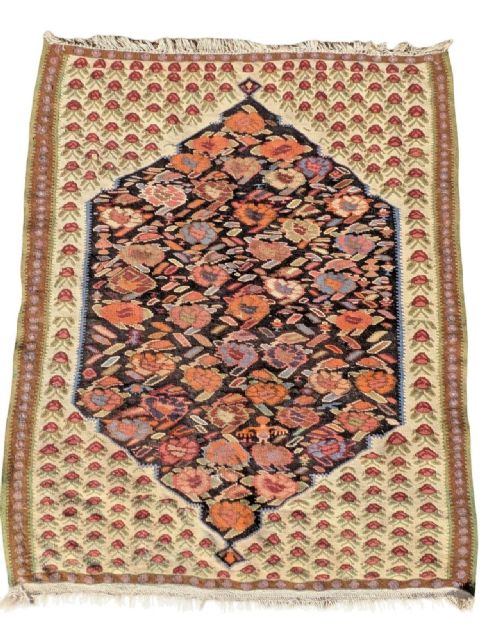
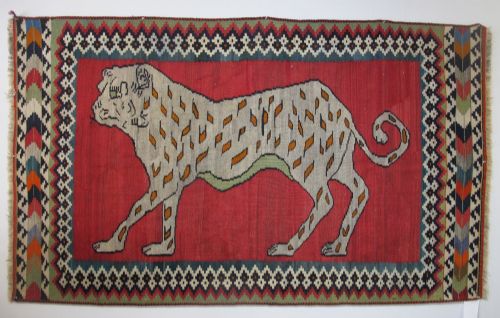
You are most likely to meet Qashqai, Shahsavan, and Senneh Bijar examples dating from the late nineteenth century into the early decades of the twentieth century. These pieces showcase distinct regional patterns ranging from bold geometric compartments to intricate diamond medallions.
Tribal makers created these flatweaves for daily domestic utility, storage, and warmth rather than mere decoration. Their durable construction makes them adaptable as statement area rugs or characterful hallway runners in modern interiors.
How they were made
Weavers constructed these textiles using hand-spun wool, cotton, and occasionally goat hair or camel hair for foundations and surface designs. Skilled artisans employed slit-tapestry weaving methods alongside supplementary weft-wrapping techniques such as Soumak to build sturdy, pileless structures.
Makers achieved their characteristic palette utilising natural and vegetable dyes that mellow gracefully over decades of light and wear. The interlocked weft threads create crisp geometric boundaries without the need for vertical pile knots.
Current listings feature pieces spanning the late nineteenth century through to the 1930s, utilising wool, cotton, and camel hair.
What varies in quality
Quality rests in the tightness of the weave, the fineness of the spin, and the complexity of the tribal design work. Denser foundational structures and precise weft-face tension separate superior examples from simpler utilitarian pieces.
The vibrancy and depth of the natural dyes significantly influence the standing of a textile. Expert dye preparation yields harmonious secondary tones that retain their character as the wool ages.
The Persian Flatweave Carpet Glossary
- Kilim
- A flatwoven textile produced without a pile by tightly interweaving warp and weft strands. This foundational technique creates a reversible fabric with flat surfaces.
- Soumak
- A brocading technique where supplementary weft threads wrap around the warp yarns to create a textured, durable face. This method often appears on bags and heavier covers.
- Sofreh
- A ceremonial or practical dining spread woven by tribal groups for sharing meals on the ground. These textiles frequently feature spacious central fields.
- Warp
- The stationary lengthwise threads stretched tightly on a loom before weaving begins. Wefts are passed alternately over and under these structural elements.
- Weft
- The horizontal threads passed through the vertical warps to build the pattern and fabric. In flatweaves, these packed threads completely conceal the warp.
Persian Flatweave Carpet: Frequently Asked Questions
What is a flatweave carpet?
A flatweave carpet is a textile woven without pile, meaning the surface is created by interlocking warp and weft threads rather than knotting tufts of wool. These pieces offer a flat, durable finish that sits easily on floors.
Nomadic groups favoured this construction method because it produced lightweight, versatile coverings that were simple to pack, transport, and lay inside tents or dwellings.
How do I care for my rug?
Maintain your flatweave by regular gentle vacuuming without a rotating brush roll to prevent catching the woven weft threads. Professional cleaning suited to antique textiles keeps the wool fibres nourished.
Protect the piece from prolonged direct sunlight to preserve the natural and vegetable dyes. Using a quality underlay prevents slipping and reduces friction between the rug and the floorboards.
Where were these rugs made?
These textiles originated among tribal confederations and village communities across Persia and adjacent borderlands. Specific groups such as the Qashqai, Shahsavan, Afshar, and Kurds produced distinct regional styles.
Local environmental conditions, available flora for dyeing, and tribal heritage directly influenced the palette and geometric vocabulary of each weaving group.
How do I date a flatweave?
Dating relies on examining the characteristics of the wool, the palette of the natural dyes, and the structural weaving technique. Earlier pieces often display a finer hand-spun consistency and specific tribal motifs.
Comparing structural traits and design layouts against documented examples helps place pieces within late nineteenth or early twentieth-century timeframes.