
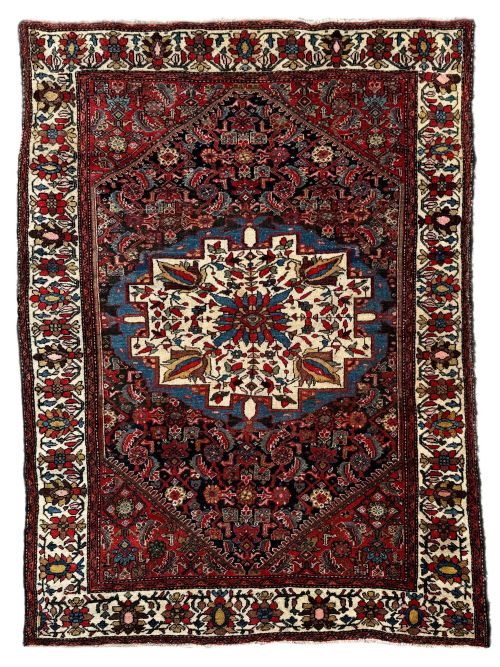


Persian Central Medallion Carpet
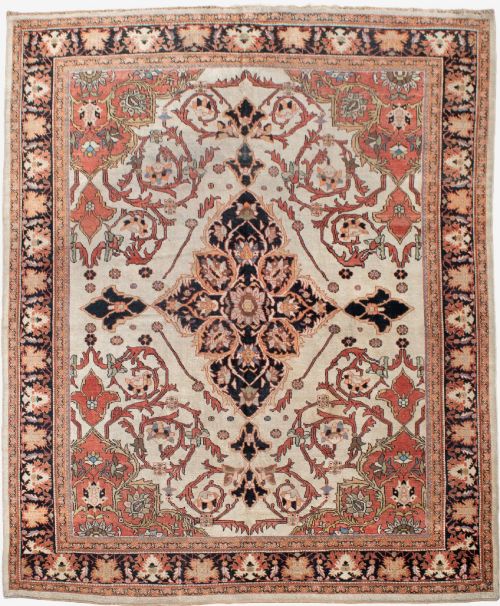
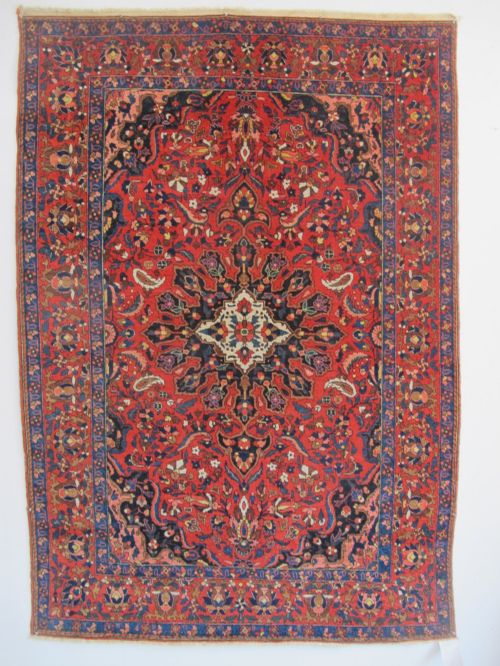
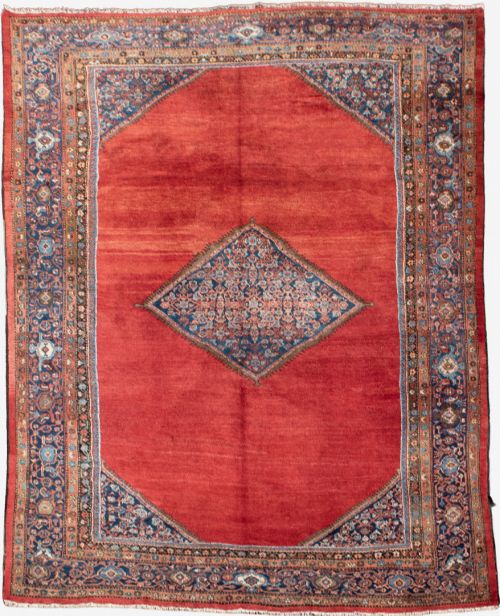
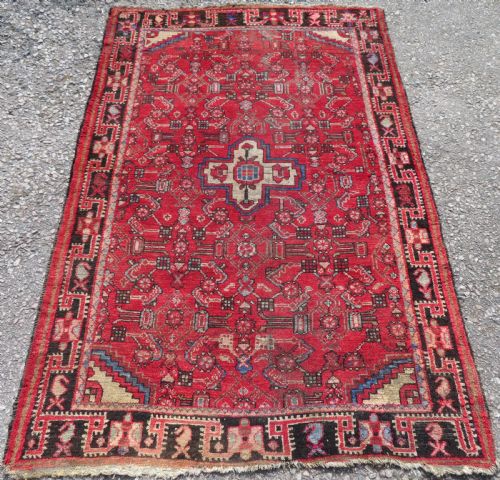
A persian central medallion carpet centres the room with geometric balance, drawing the eye to its focal motif.
Persian Central Medallion Carpet
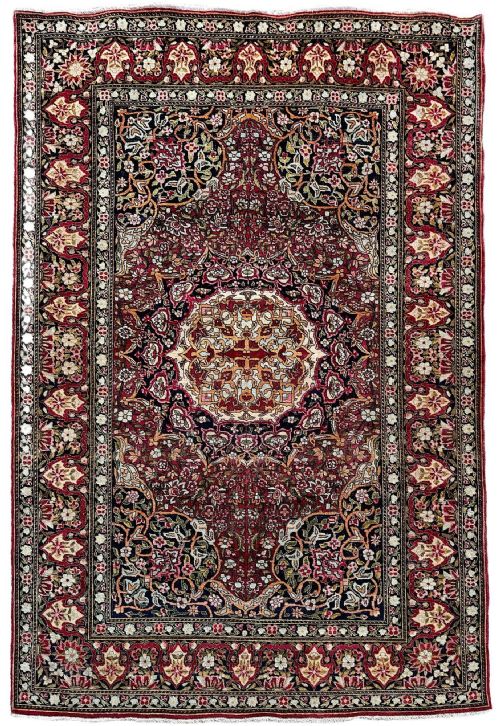
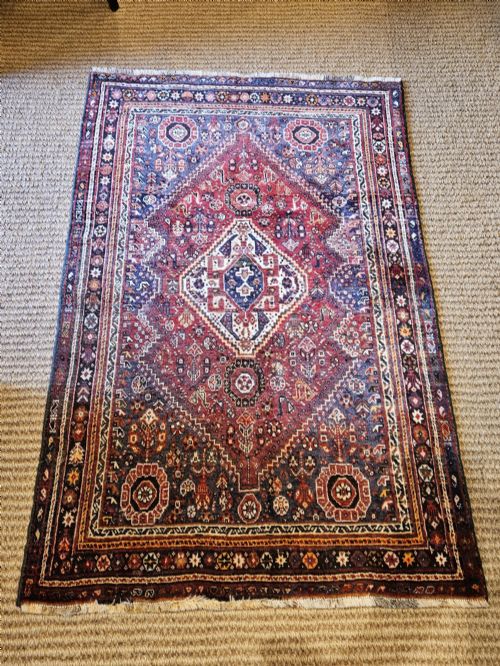
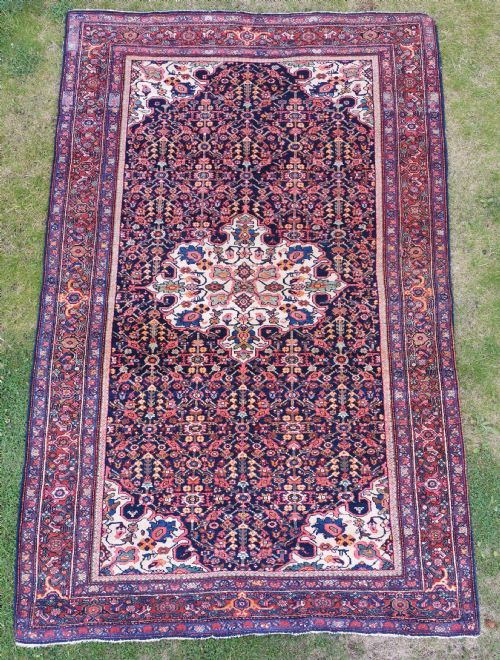
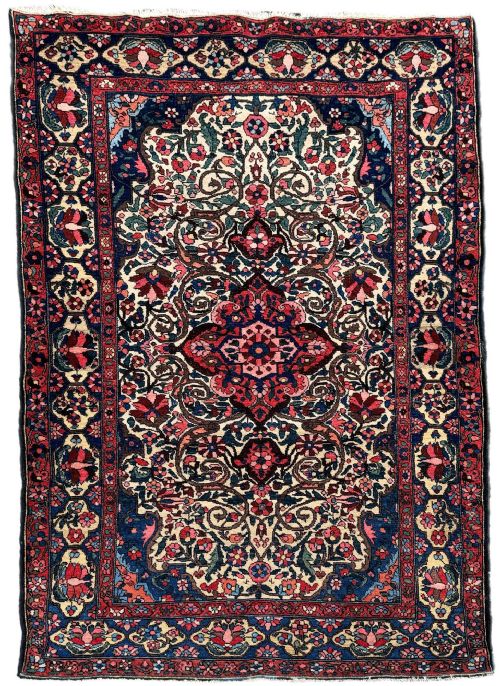
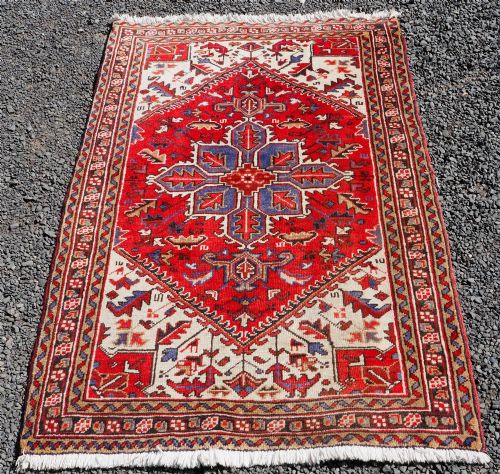
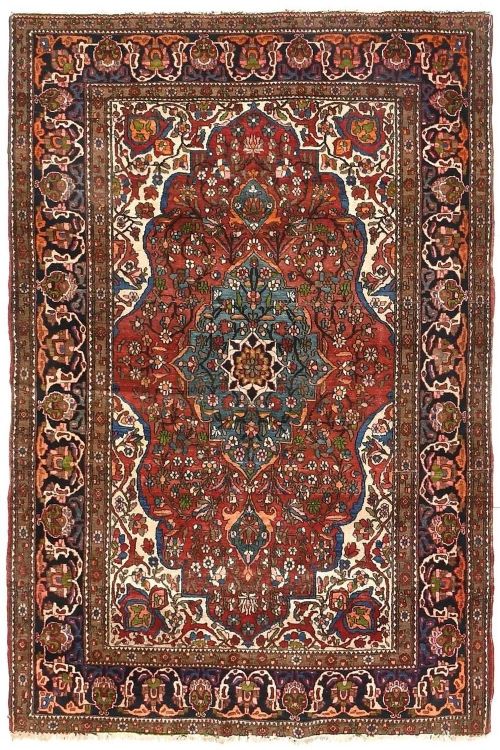
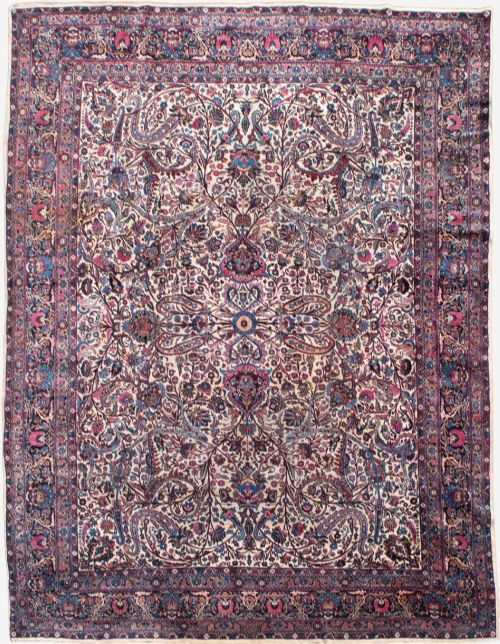
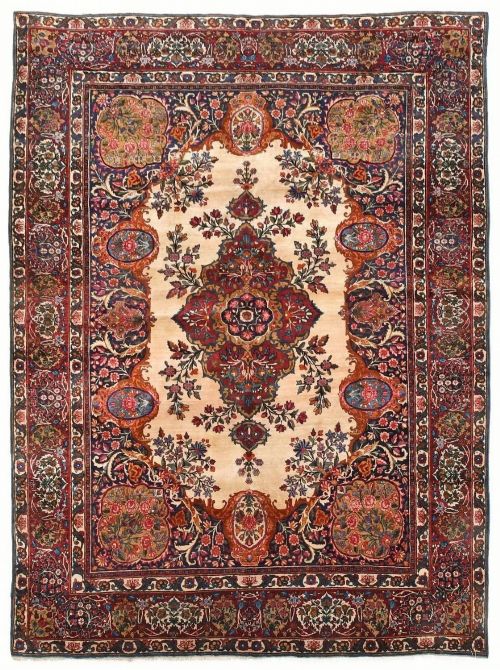
When you search for a persian central medallion carpet, you encounter woven floor coverings defined by a prominent focal design placed directly in the middle of the field. These pieces emerge from historical production centres across the region, taking forms from small scatter rugs up to room size carpets and runners. The examples you meet span the nineteenth century and the early decades of the twentieth century, reflecting diverse regional styles such as Tabriz, Kirman, Kashan, and Bakhtiar.
Regional weaving traditions dictate the specific character of the central motif, whether it manifests as a sharp geometric polygon or a curving floral rosette. You frequently encounter traditional Persian layouts where corner spandrels echo the ornamentation of the main medallion. The selection ranges from compact area rugs suitable for intimate spaces to expansive room size carpets designed for formal interiors.
Materials and Construction
Weavers utilised durable wool for the pile, prized for its ability to take rich dyes and withstand decades of foot traffic. Foundation structures typically rely on cotton warp and weft threads, providing stable tension and crisp definition to the intricate patterns.
Certain fine productions incorporate silk elements to highlight specific design contours and impart a subtle lustre to the surface. Artisans knotted these materials by hand onto vertical looms, building dense structures that maintain their structural integrity over generations.
Assessing Quality and Execution
Knot density forms a primary differentiator, dictating how sharply the curves and straight lines of the central medallion resolve against the background field. Higher knot counts permit greater detail in the surrounding floral motifs and geometric borders.
The depth and harmony of the palette determine visual success, governed by the quality of the dye stuffs utilised by the weaver. Balanced proportions between the central ornament and the surrounding field separate standard village productions from master workshop outputs.
Isfahan·Kashan·Kirman·Tabriz·Bidjar
The Persian Central Medallion Carpet Glossary
- Medallion
- The central ornamental motif placed in the middle of the carpet field. It serves as the primary visual anchor for the entire composition.
- Spandrels
- The triangular corner ornaments situated in the four corners of the field. They frequently repeat the design motifs found within the central medallion.
- Pile
- The vertical tufts of wool, cotton, or silk that form the soft upper surface of the carpet. This layer absorbs wear and displays the woven colours.
- Warp
- The vertical foundation threads stretched tightly on the loom before knotting begins. The fringe at either end of the rug consists of these extended threads.
- Weft
- The horizontal threads passed back and forth between rows of knots to secure the pile in place. They cross under and over the warp threads to firm the structure.
Persian Central Medallion Carpet: Frequently Asked Questions
How do I place a carpet in a modern room?
Position the piece so that the central medallion anchors the primary seating group, allowing furniture legs to rest partially on the border.
Ensure adequate clearance around the edges to let the surrounding field patterns remain visible against the bare floor.
What materials make up these carpets?
The pile consists predominantly of wool, while foundation threads utilise cotton for structural stability.
Selected fine examples incorporate silk to accentuate specific details within the central design.
How are regional styles told apart?
Examine the geometry of the central motif and the drawing style of the surrounding floral motifs to identify the weaving origin.
Regional palettes and specific border arrangements provide further clues to whether a piece hails from an urban workshop or a village tradition.
How were these carpets used historically?
Households laid them across main living spaces to provide warmth underfoot and decorative splendour during gatherings.
Larger formats served as floor coverings for reception rooms in substantial homes and civic buildings.