


Persian Afshar Carpet
A persian afshar carpet brings distinct tribal character to a room, offering rich geometric patterns and dense wool pile.
Persian Afshar Carpet
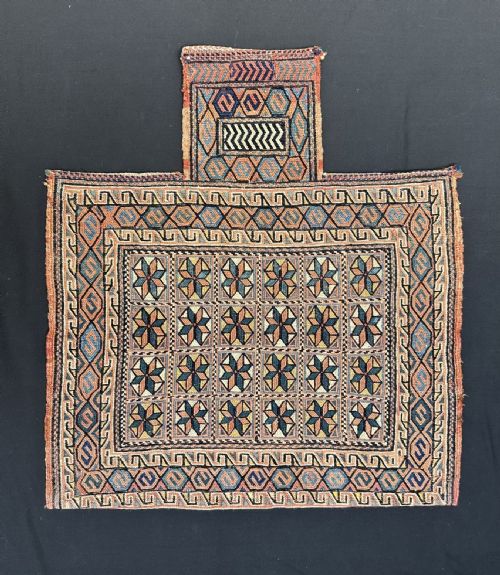
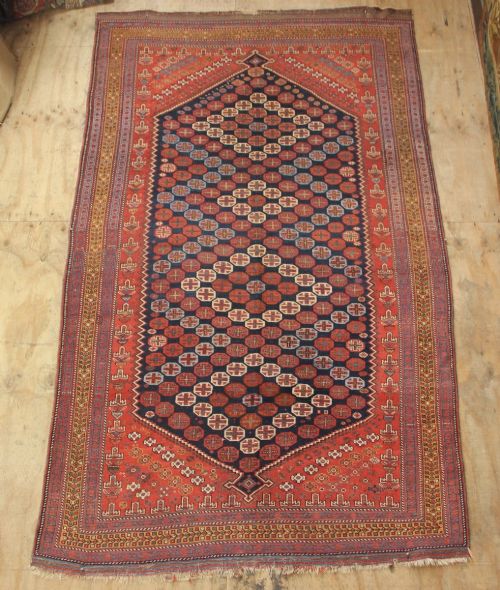
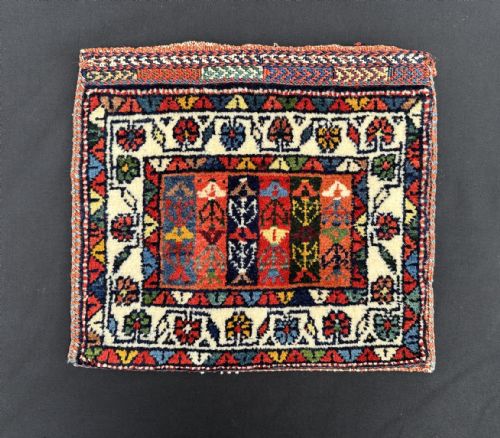
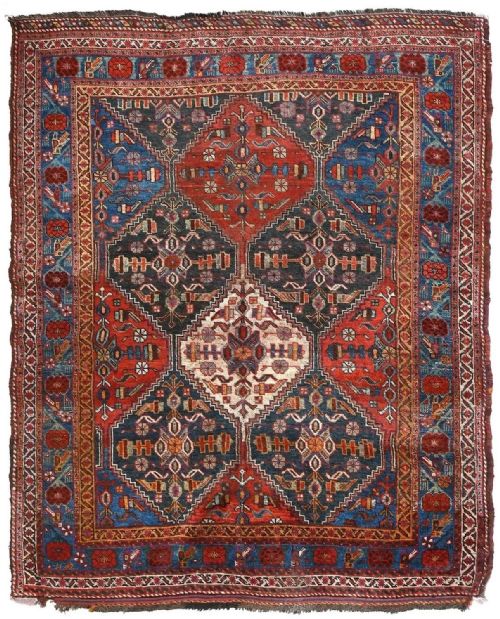
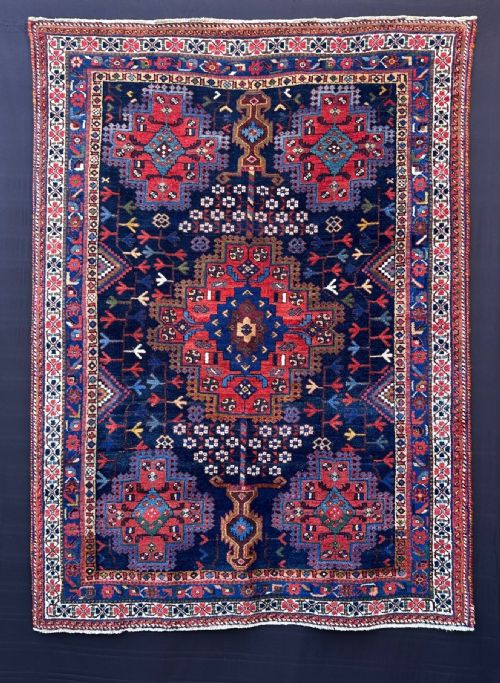
A persian afshar carpet belongs to the wider family of rugs and carpets created by southern nomadic and village weavers. These pieces range from compact scatter formats to larger room-sized carpets.
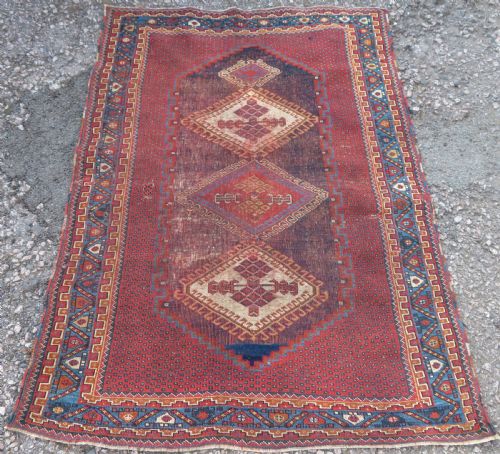
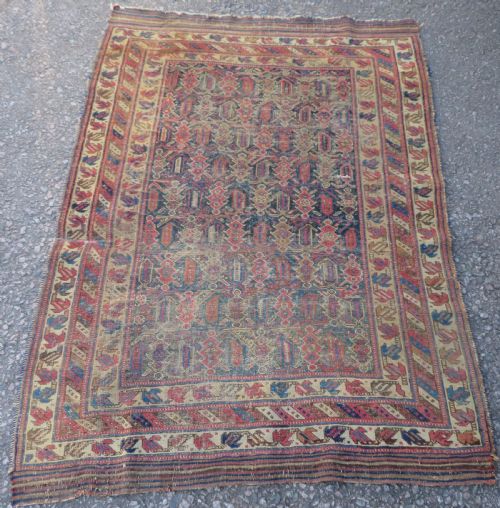
The selections span from the late nineteenth century into the mid-twentieth century, including examples from around 1870, 1890, 1900, and 1940. Tribal designs dominate the available forms.
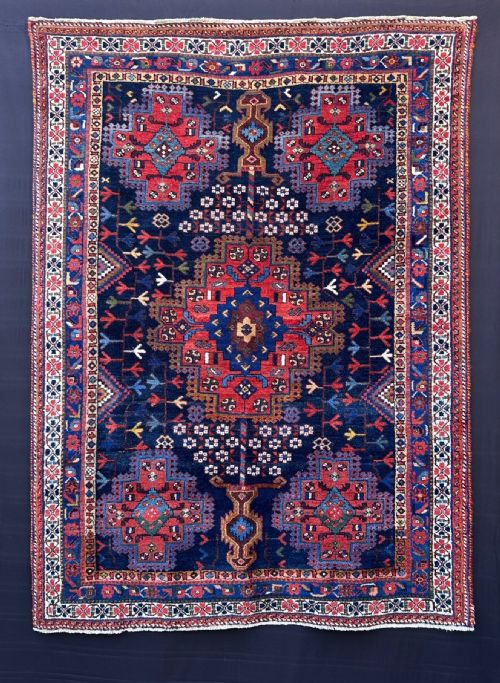
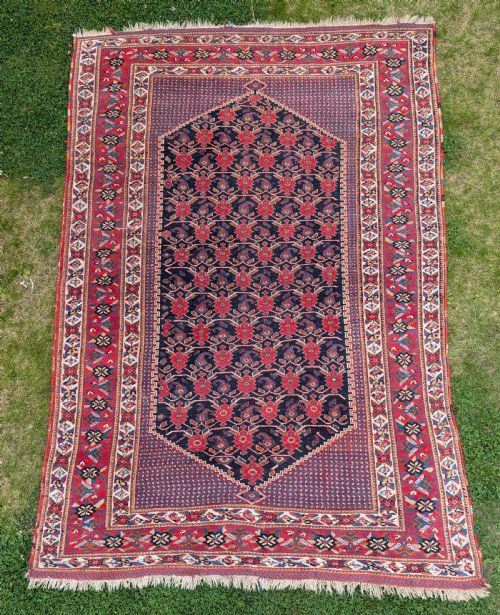
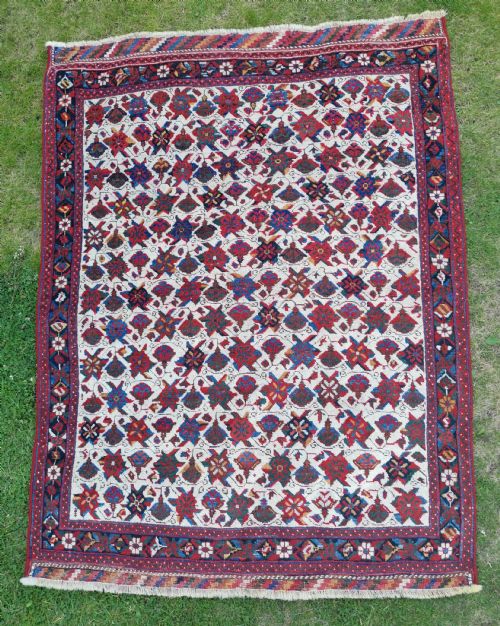
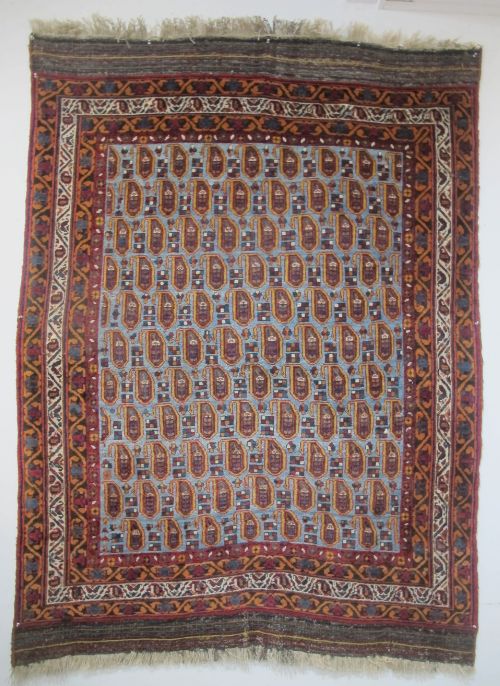
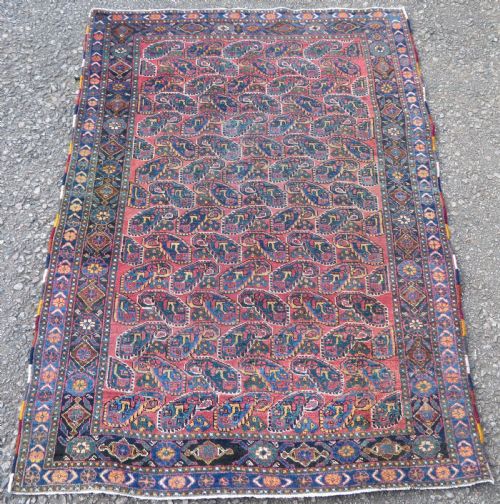
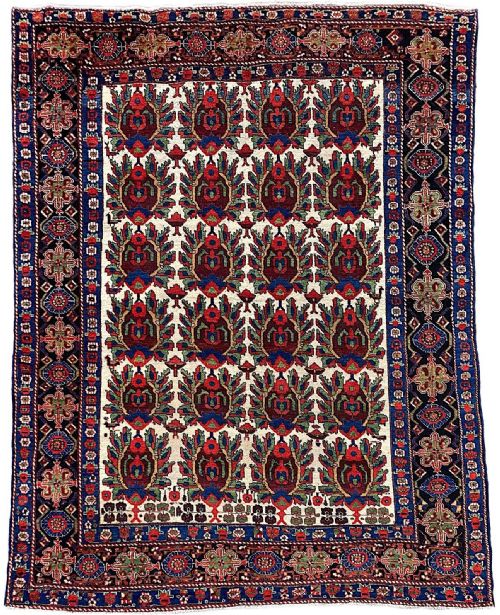
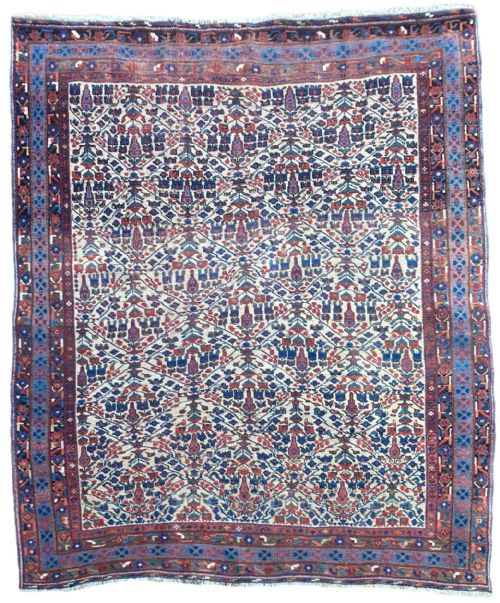
Buyers frequently encounter pieces featuring traditional motifs such as repeat Heratti patterns or dragon and phoenix designs set against ivory grounds.
Materials and construction
Every listed persian afshar carpet employs traditional textile materials, combining durable wool pile with sturdy cotton foundations. These natural fibres allow the dense weave to withstand generations of domestic use.
Handweaving techniques govern the creation of each rug, producing characteristic structures that identify them as authentic tribal works from the region.
Persian Afshar Carpet Retail Price Guide 2026
Typical asking prices for persian afshar carpet among the pieces listed under this phrase on Sellingantiques today, from the lower quarter to the upper quarter. They describe what is for sale here now, not the wider market.
Some nineteenth-century weavers hid mythical dragon and phoenix companions right inside the household floor covering.
Understanding quality
The upper tier of these carpets is defined by the crispness of tribal motifs like the Heratti or dragon and phoenix designs, alongside well-balanced colour palettes on ivory or dark grounds. Weavers achieved greater visual impact when executing complex geometric repeats with precision.
Weave density and the handling of the wool pile set individual pieces apart. Finer examples maintain an even, resilient surface that preserves the intricate layout of the nineteenth and early twentieth-century designs.
The Persian Afshar Carpet Glossary
- Heratti design
- A recurring decorative pattern featuring a central floral motif enclosed within a lozenge and flanked by lancet leaves. It appears frequently in traditional Persian weaving.
- Tribal
- A descriptive term for rugs produced by nomadic or semi-nomadic groups rather than urban workshops. These pieces often display geometric layouts and symbolic motifs.
- Pile
- The upright yarn loops that form the functional surface of the carpet. In these pieces, wool provides the soft yet durable wear layer.
- Foundation
- The structural framework of warp and weft threads that supports the pile knots. Cotton serves this foundational role in the recorded examples.
Persian Afshar Carpet: Frequently Asked Questions
How old are these rugs?
The available pieces span from the second half of the nineteenth century through to the mid-twentieth century, with dates recorded around 1870, 1890, 1900, and 1940.
Earlier examples often exhibit traditional handweaving characteristics typical of nineteenth-century village production.
What materials were used?
These carpets are constructed using natural materials, specifically wool for the surface pile and cotton for the underlying foundation.
This combination ensures both structural stability and a durable soft texture for daily floor use.
What designs appear on them?
Common decorative schemes include repeat Heratti patterns and specific figural arrangements such as dragon and phoenix motifs on ivory grounds.
These tribal designs reflect the traditional visual vocabulary of the weavers who produced them.
Are they rugs or carpets?
The inventory includes both smaller scatter formats and larger room-sized floor coverings, often categorised interchangeably as rugs or carpets.
Dimensions range from compact pieces measuring around one metre to room formats exceeding two metres in length.