



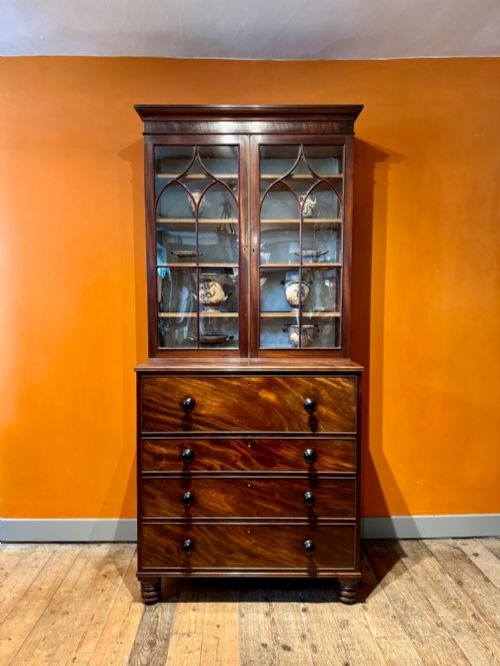

Period Writing Chest
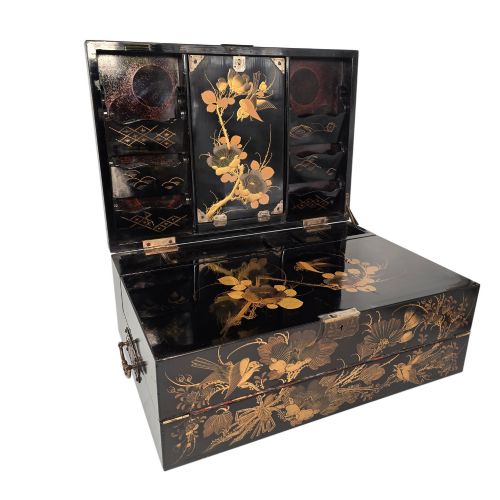
A period writing chest offers fitted drawers and fall fronts for correspondence, combining storage with a dedicated writing surface.
Period Writing Chest
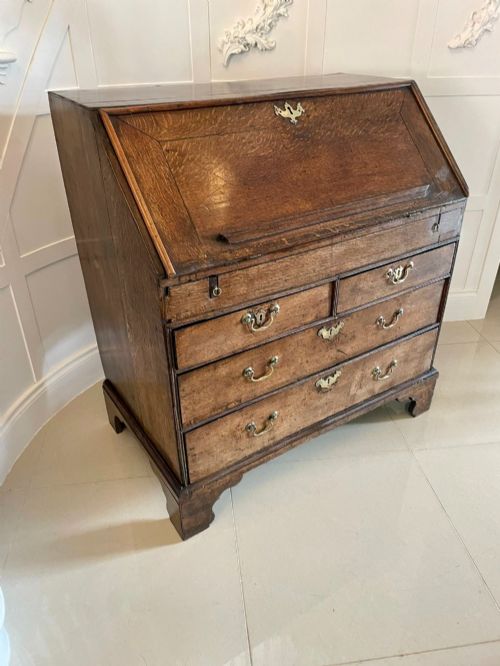
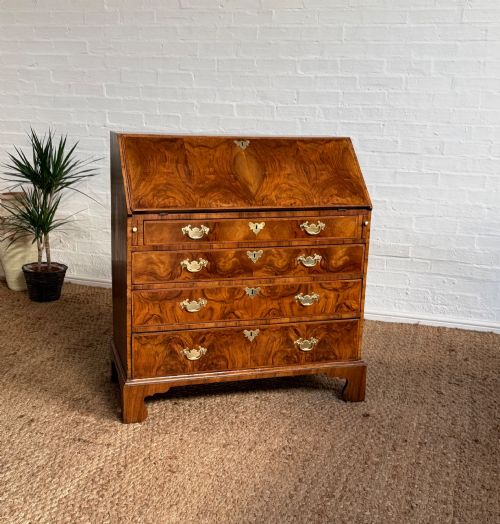
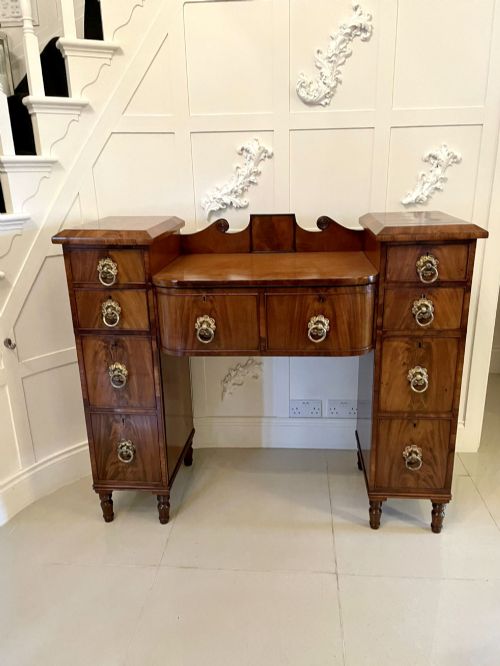
A period writing chest encompasses functional forms designed for correspondence and document storage, ranging from compact desk boxes to large secretaire chests and bureaux.
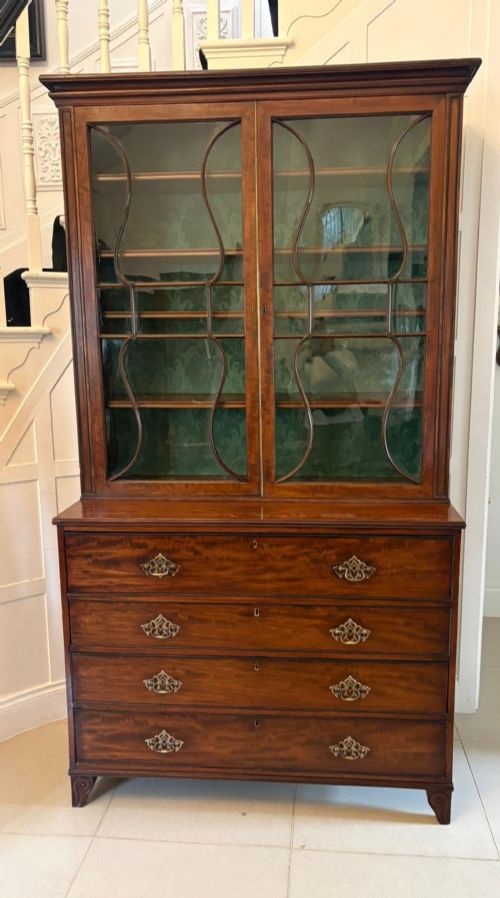
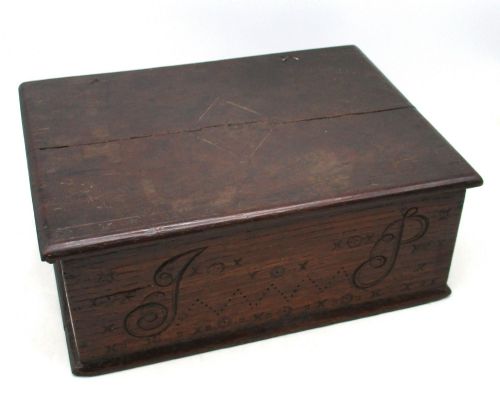
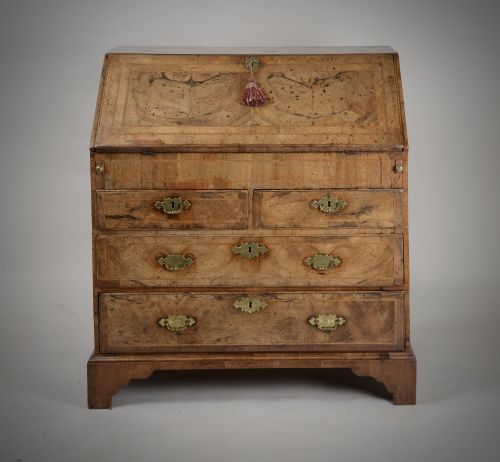
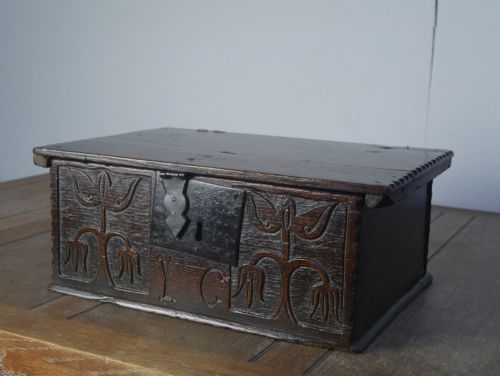
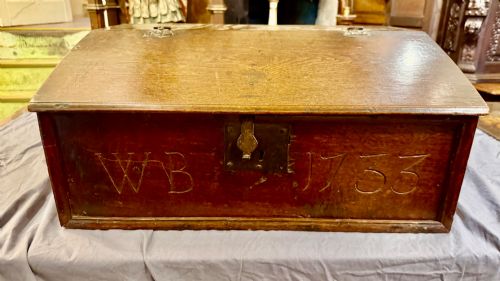
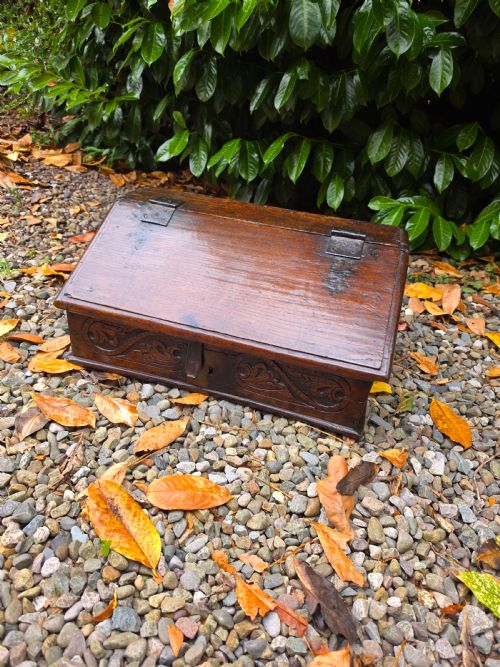
Buyers most frequently encounter oak and mahogany examples spanning the seventeenth, eighteenth, and nineteenth centuries, including slant-front bureaux, secretaire bookcases, and tabletop bible boxes.
Construction and materials
Cabinet makers utilised dense hardwoods such as oak, mahogany, walnut, and satinwood, often applying burr veneers or decorative inlay work involving holly and bog oak.
Secondary structural elements incorporated brass hinges, iron mounts, and fitted internal compartments alongside leather writing surfaces, glass doors, and hand-cut dovetail joints.
Period Writing Chest Retail Price Guide 2026
Typical asking prices for period writing chest among the pieces listed under this phrase on Sellingantiques today, from the lower quarter to the upper quarter. They describe what is for sale here now, not the wider market.
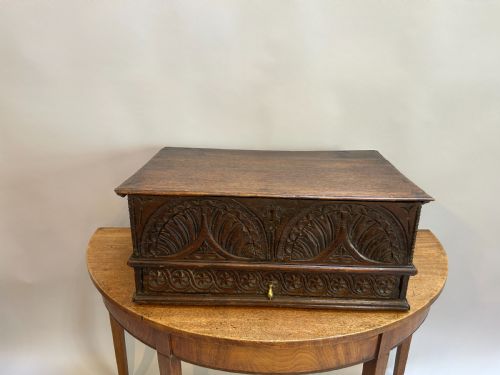
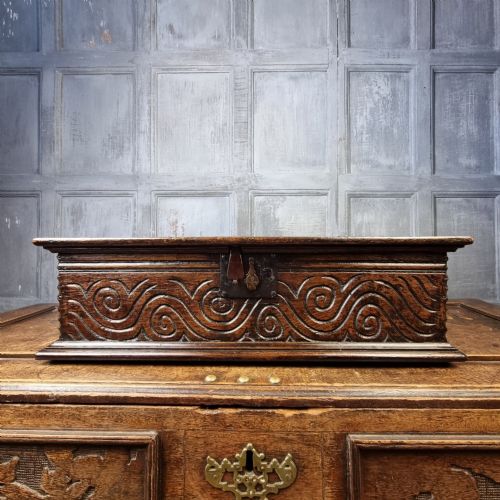
Document boxes frequently showcase regional carving traditions alongside decorative stringing in holly and bog oak.
Evaluating craftsmanship and condition
Quality separates pieces through the selection of timber figures, such as highly figured walnut or burr veneers, and the precision of internal pigeonholes, small drawers, and secret compartments.
The sophistication of carving, the integrity of original brass hardware, and the harmony of proportions distinguish master workshops from standard regional production.
Giles Grendey
The Period Writing Chest Glossary
- Secretaire
- A cabinet or chest of drawers containing a fitted pull-down writing drawer or fall front. This mechanism conceals small pigeonholes and document compartments.
- Escritoire
- A tall writing cabinet, often associated with the late seventeenth and early eighteenth centuries, featuring a drop-front writing flap above drawers.
- Bible box
- A small wooden tabletop box, frequently carved, historically used for storing family Bibles and important manuscripts.
- Bureaux
- Slant-front desks that open to reveal an interior arrangement of compartments, small drawers, and central wells.
Period Writing Chest: Frequently Asked Questions
What is a secretaire chest?
A secretaire chest is a case piece of furniture that looks like a standard set of drawers from the outside. The top drawer pulls out and folds down to reveal a fitted writing surface and small compartments.
These pieces gained popularity when people required a dedicated space for letter writing without dedicating an entire room to a bulky desk. They combine bedroom or parlour storage with fold-away working space.
How do I date an oak bible box?
Dating an oak bible box relies on examining the construction methods, hinges, and decorative carving styles. Seventeenth-century examples often display hand-split boards, pegged joints, and geometric strapwork.
Later copies or nineteenth-century reproductions generally show more uniform machine-sawn timber and modern ironmongery. Examining the underside and interior boards reveals tool marks left by early cabinet makers.
Where were escritoires placed?
Escritoires were traditionally kept in private chambers, parlours, or libraries where household accounts and personal correspondence were managed. Their impressive walnut veneers and fitted drop fronts made them status objects for wealthy homes.
Living with an escritoire today allows it to function as a focal point in a study or living room. The interior compartments remain practical for modern stationery and small items.