


Period Wooden Stool
A period wooden stool grounds a room with centuries of craft, offering solid joinery and honest domestic utility.
Period Wooden Stool
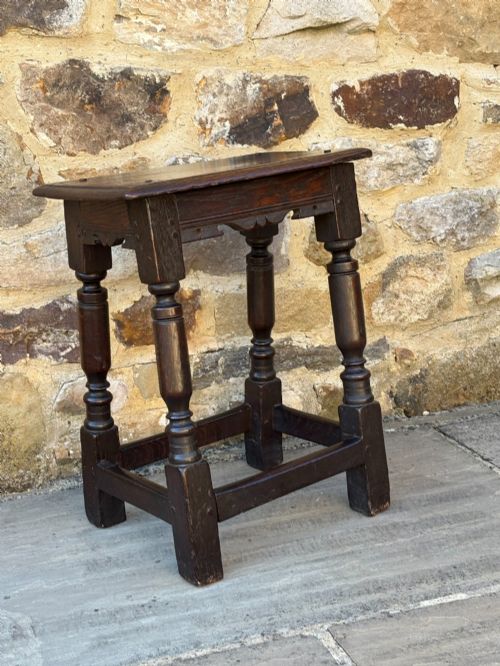
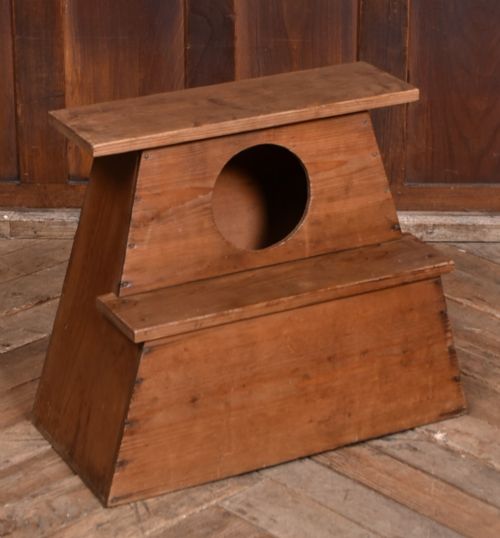
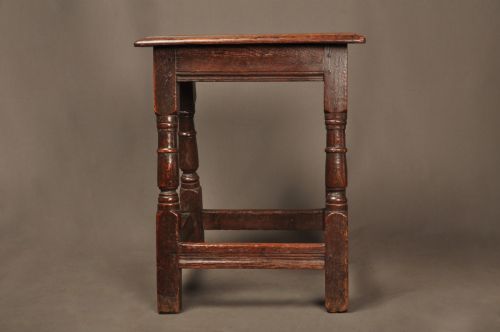
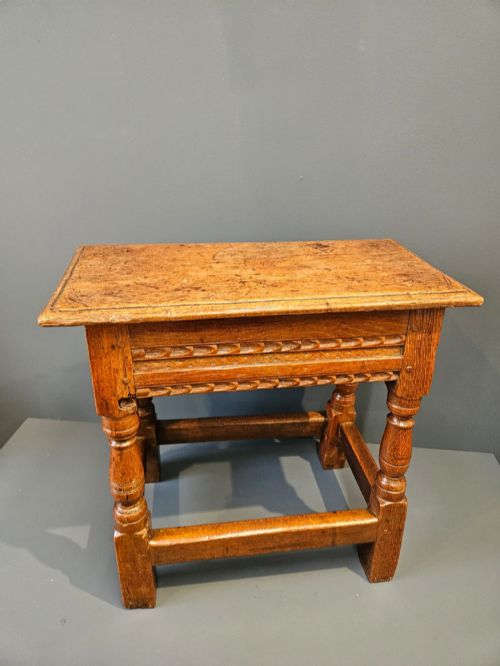
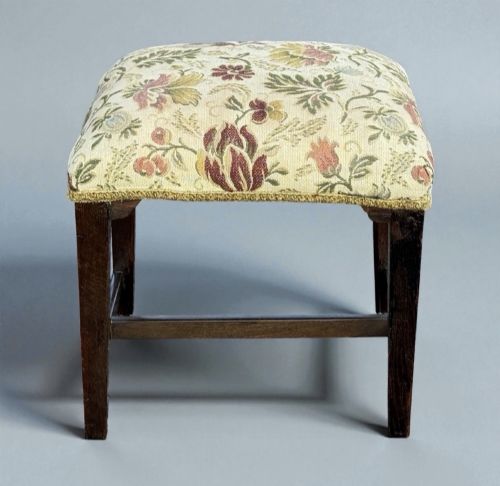
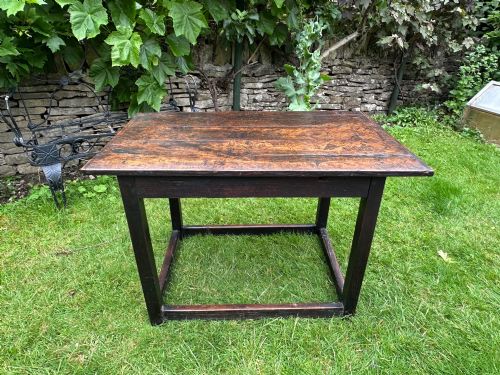
The selections on this page concentrate heavily on seventeenth-century joined examples and eighteenth-century Georgian forms. Alongside traditional oak and walnut, the inventory spans diverse regional variations such as Irish carved elm and French stylistic expressions.
Materials and construction methods
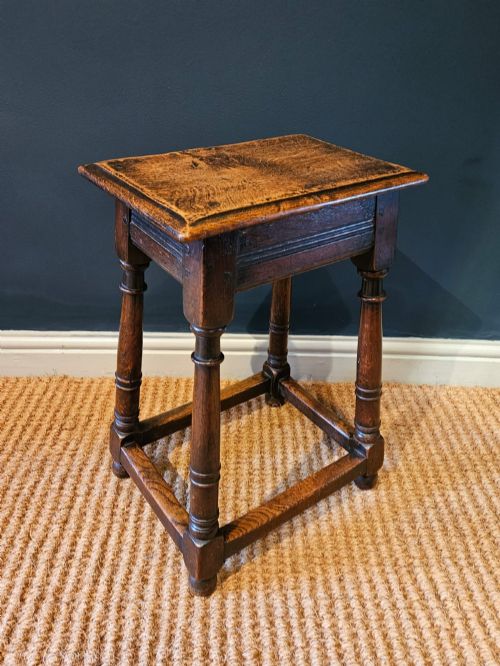
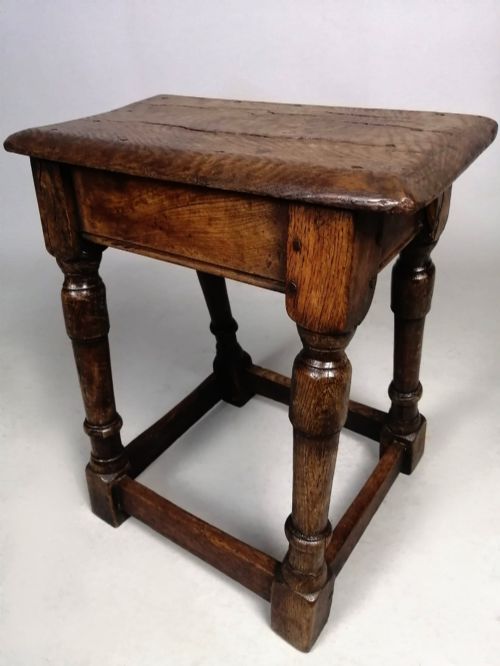
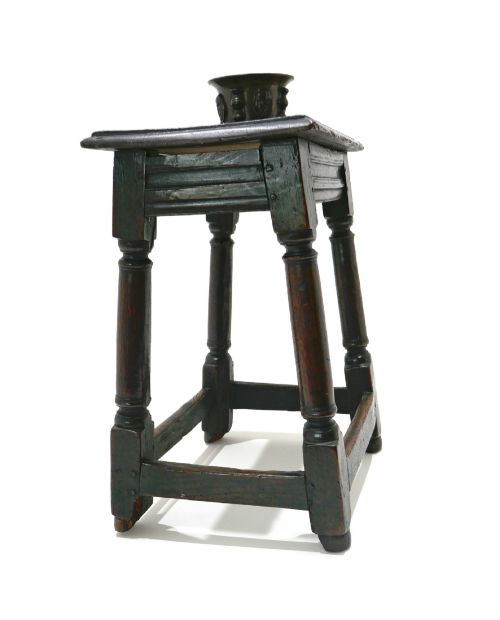
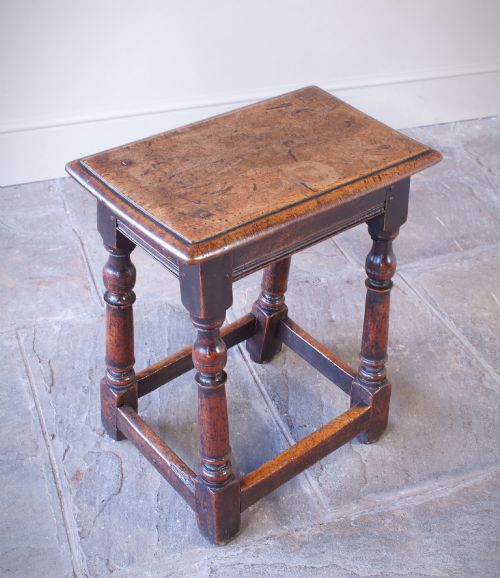
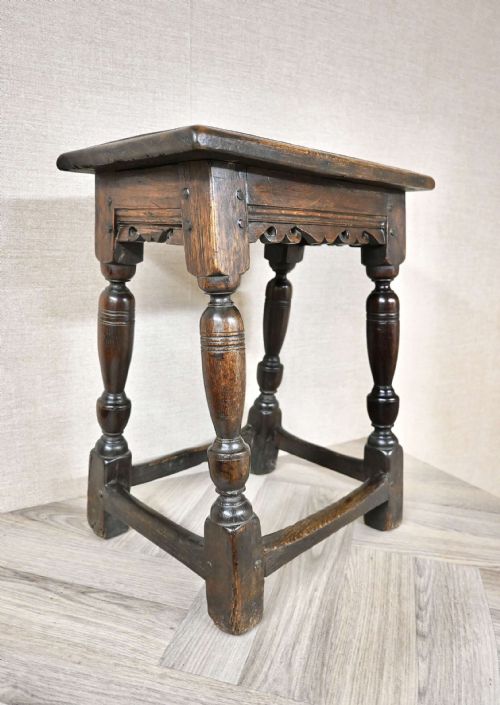
Carpenters relied on durable timber like oak, walnut, and hardwood, shaping structural elements with traditional joinery techniques. Pegged joints and sturdy framing allowed these heavy seats to withstand decades of daily weight.
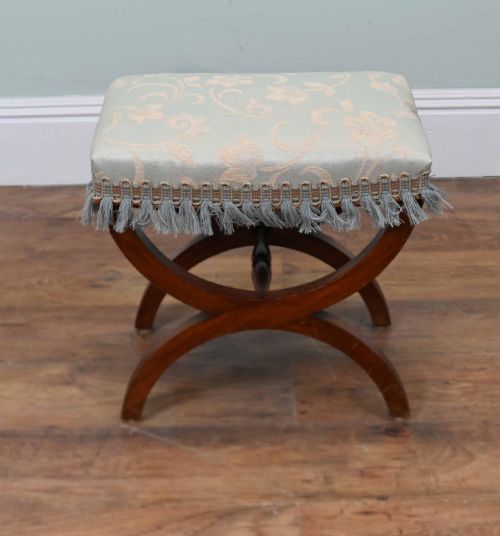
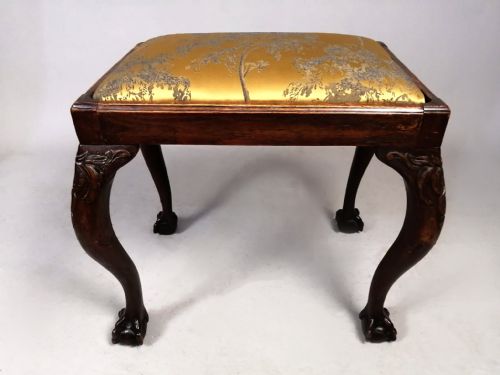
Upholstered variants incorporate period textiles, fabric, and tapestry supported by secondary woods and brass detailing. Surface finishes developed natural patinas through centuries of handling and beeswax application.
Period Wooden Stool Retail Price Guide 2026
Typical asking prices for period wooden stool among the pieces listed under this phrase on Sellingantiques today, from the lower quarter to the upper quarter. They describe what is for sale here now, not the wider market.
Several seventeenth-century stools have survived centuries of seating by stubborn squires and restless children.
Distinctions in construction and preservation
Quality rests in the originality of the timber and the tightness of the joinery. Pieces retaining their original pegged construction and uncompromised surface patinas hold greater integrity than heavily restored examples.
Carved enrichment varies from crisp, deep sixteenth- and seventeenth-century motifs to simpler provincial execution. The preservation of original feet and structural timber without excessive replacement defines the superior tier.
The Period Wooden Stool Glossary
- Joint stool
- A sturdy wooden seat constructed with mortise and tenon joints pegged together, common in the seventeenth century. These were standard household seating before upholstered chairs became widespread.
- Close stool
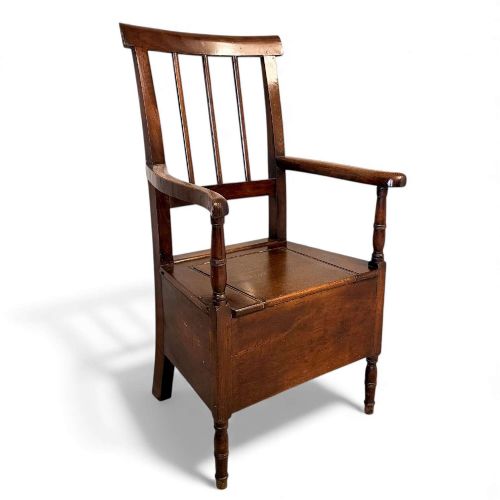
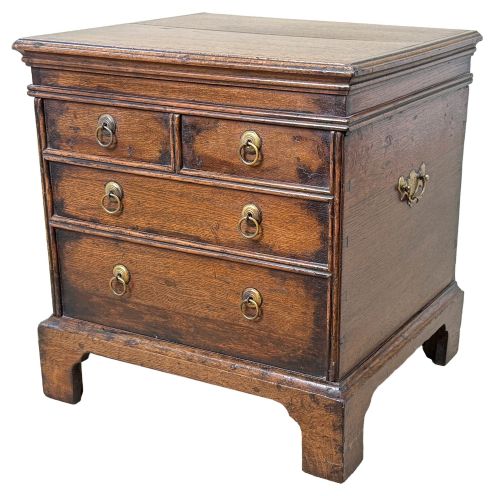
- A cabinetmaker's box enclosing a chamber pot, designed to resemble a small chest or stool. They provided discrete sanitation in bedchambers before indoor plumbing.
- Joined oak
- Timber framing held together by wooden pegs rather than metal nails or modern glue. This method ensures maximum rigidity in early seating.
- Footstool
- A low wooden platform, often upholstered in tapestry or fabric, used to support the feet while seated. Wealthy households favoured versions matching larger armchairs.
- Commonwealth
- An English historical period spanning the mid-seventeenth century associated with austere, solid furniture construction. Pieces from this era display minimal ornamentation and robust framing.
Period Wooden Stool: Frequently Asked Questions
What is a joint stool?
A joint stool is an early wooden seat built with pegged mortise and tenon joints. Carpenters made them strong enough to stand on as well as sit upon.
They served multiple household purposes in early homes, functioning as side tables or platform steps when needed.
How do I date an oak stool?
Dating relies on examining tool marks, timber shrinkage, and the style of the joinery. Seventeenth-century examples display hand-split oak and wooden pegs.
Later revivals or nineteenth-century copies often utilise machine-sawn timber and different assembly methods inside the frame.
Where were close stools used?
Close stools were kept in bedchambers as private furniture pieces for personal sanitation. Cabinetmakers housed the internal ceramic or metal container inside a wooden chest or box stool.
Their exteriors matched fashionable domestic furniture so they blended seamlessly into period rooms.
How do I care for antique wood?
Maintain antique timber by keeping it away from direct heat sources and sudden humidity changes. Apply natural beeswax sparingly to nourish the dry grain.
Avoid modern liquid polishes containing silicones, which damage the historic patina built up over centuries.