

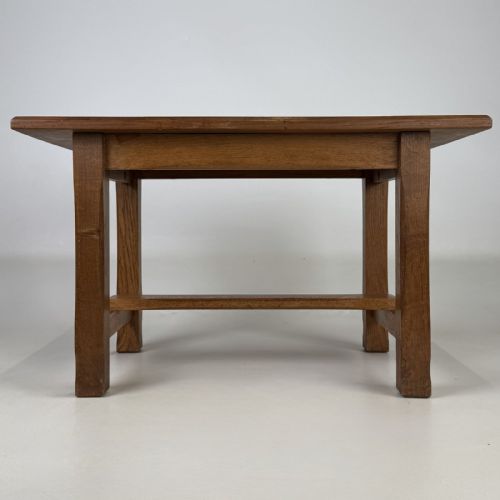
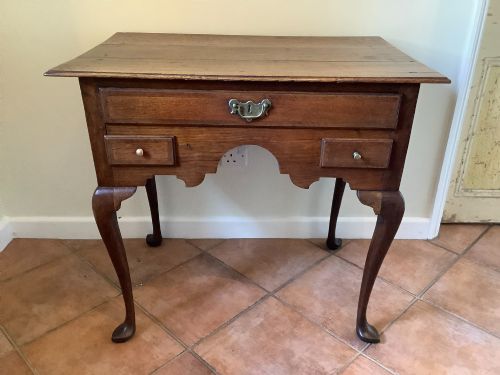
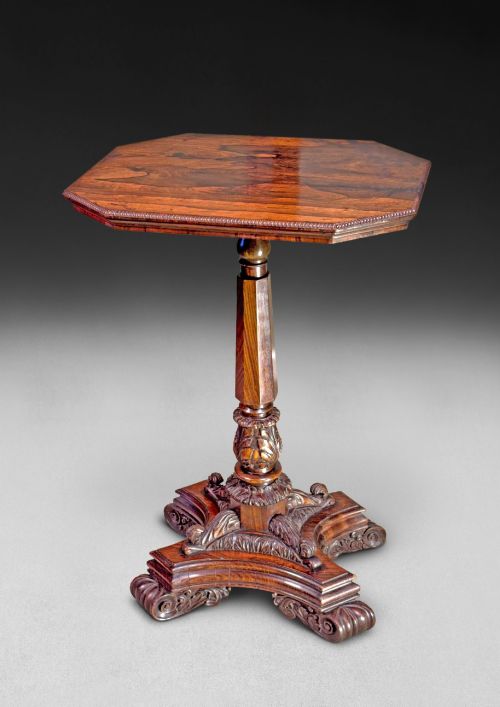
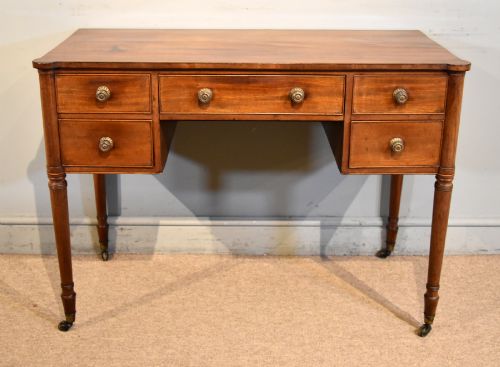
Period Wood Table
A period wood table brings centuries of craftsmanship into a room, offering both sturdy utility and distinctive historical character.
Period Wood Table
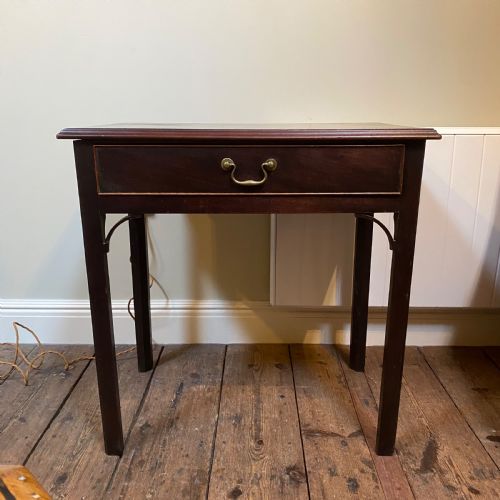
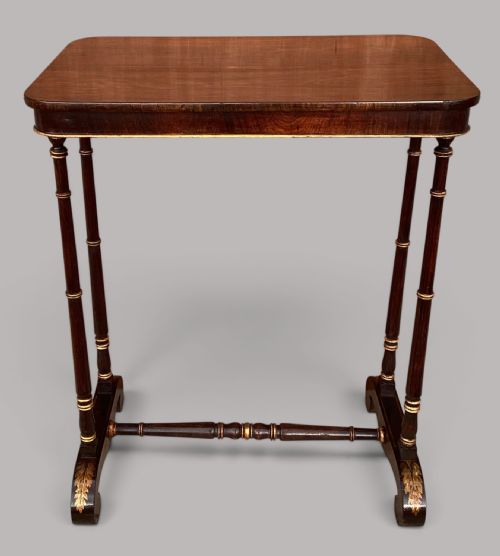
A period wood table encompasses various functional items designed across centuries, ranging from compact side tables to large dining surfaces. When exploring this selection, buyers frequently encounter pieces originating from the Georgian, Regency, and seventeenth centuries.
The diverse forms available span dining tables, side tables, console tables, writing desks, and occasional pieces. Each style reflects the domestic requirements and aesthetic preferences of its specific era.
Materials utilised in these tables include traditional British timbers alongside imported hardwoods, shaping both the appearance and the structural identity of each item.
How they were made
Cabinet makers relied heavily on solid timber foundations and carefully cut veneers, selecting woods such as mahogany, oak, walnut, and rosewood for their distinct grain patterns. Joinery techniques varied by period, utilising dovetails, mortise and tenon joints, and turned supports to ensure stability.
Surface ornamentation often incorporated brass inlays, carved details, and specialised polishing methods to enhance the natural figure of the wood. Craftspeople adapted their methods to the specific properties of each timber, whether working with heavy English oak or dense tropical hardwoods.
Period Wood Table Retail Price Guide 2026
Typical asking prices for period wood table among the pieces listed under this phrase on Sellingantiques today, from the lower quarter to the upper quarter. They describe what is for sale here now, not the wider market.
Early nineteenth-century reading stands and music holders demonstrate that ancestors also struggled to keep their books propped at the correct angle.
What varies in quality
The degree of refinement in timber selection significantly separates examples, particularly when makers utilised highly figured mahogany, burr walnut, or exotic hardwoods with intense grain movement. Superior construction is evident in the precision of the joinery and the retention of original structural components.
Design sophistication also dictates the standing of a piece, with finer examples featuring balanced proportions, crisp carving, or integrated brass and satinwood inlay work rather than plain utilitarian surfaces.
Gillow
The Period Wood Table Glossary
- Lowboy
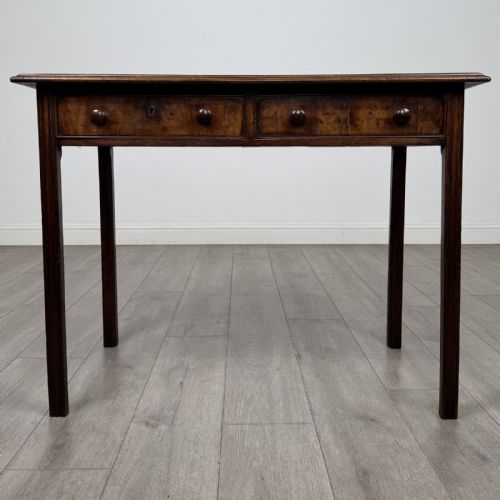
- A small side table or dressing table featuring drawers, commonly raised on tall legs. These pieces date predominantly from the eighteenth century.
- Console table
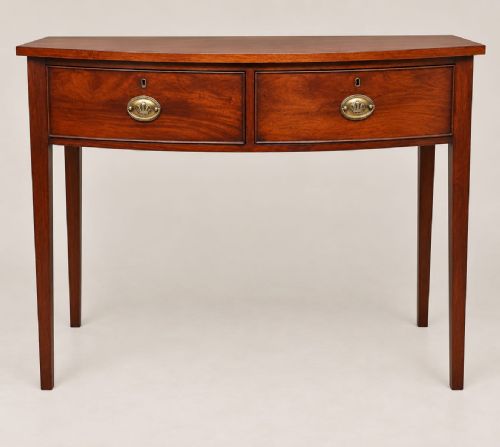
- A table designed to stand against a wall, frequently supported by brackets or ornate legs.
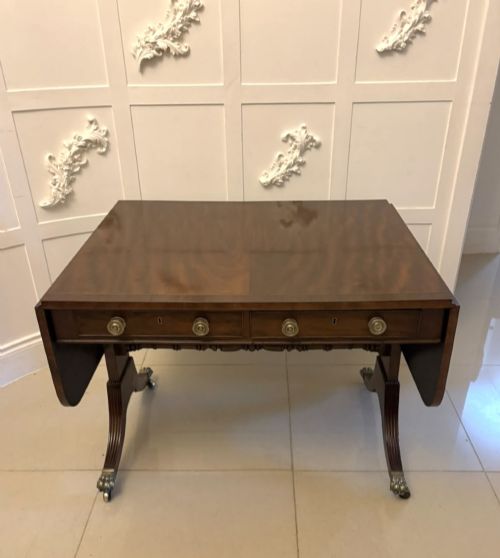
- Pembroke table
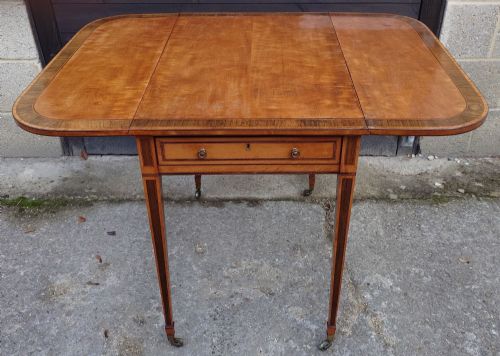
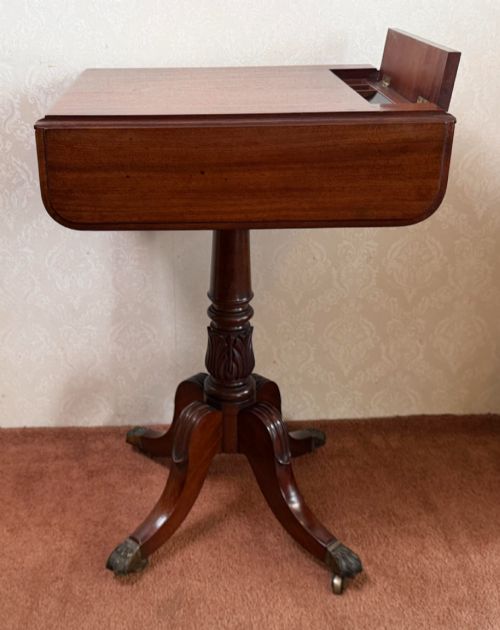
- A drop-leaf table with hinged flaps on either side, allowing the surface area to expand when needed.
- Satinwood inlay
- A decorative technique inserting contrasting light-figured timber into a darker wood surface to form patterns.
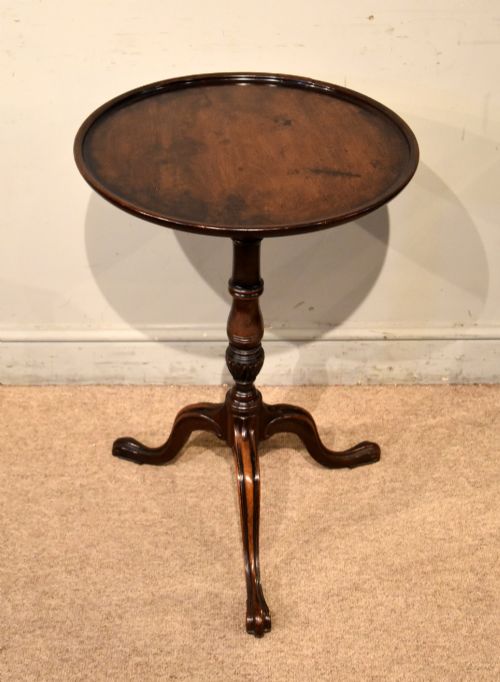
- Tripod table
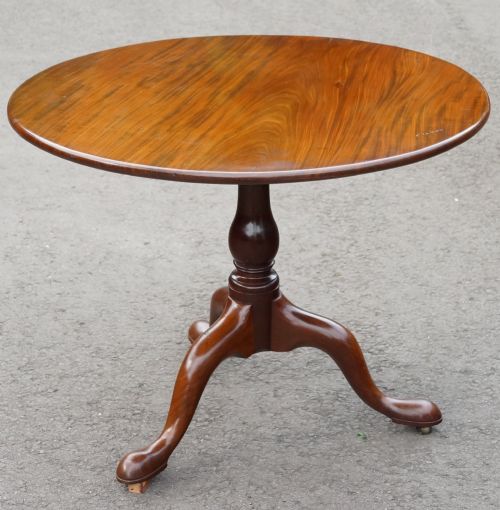
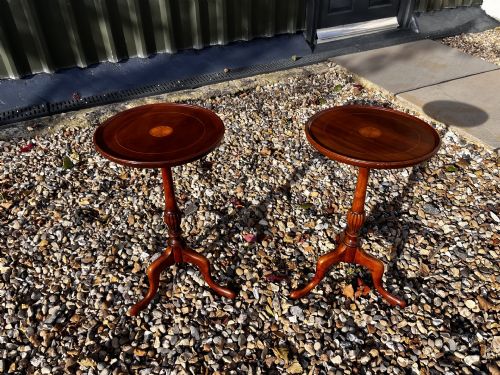
- A small round table supported by a central pillar resting on three spreading feet.
Period Wood Table: Frequently Asked Questions
What is a period wood table?
A period wood table is a historical item of furniture constructed from timber during recognised stylistic eras such as the Georgian, Regency, or seventeenth century. These pieces include dining tables, side tables, and desks that served practical domestic functions.
Over time, such tables have transitioned from everyday household items into collectible antiques valued for their traditional joinery and choice of materials.
How do I date a wood table?
Dating a wood table involves examining the primary and secondary timbers used in its construction, alongside the specific style of the legs, edge moulding, and hardware. Cabinet-making techniques and tool marks visible on unexposed parts also offer clues to the era of manufacture.
Stylistic markers such as Regency brass inlay or William and Mary turning help narrow down the period of origin when compared against historical examples.
What woods were used in antique tables?
Cabinet makers utilised a wide variety of domestic and imported timbers depending on availability and the intended function of the table. Oak was prevalent in earlier centuries, while mahogany, walnut, and rosewood became prominent during the Georgian and Regency periods.
Exotic woods like gonçalo ades and padauk occasionally appear in high-status furniture, alongside decorative veneers such as birdseye maple and burr elm.
How do I care for a period table?
Caring for an antique wood table requires maintaining stable indoor humidity levels and keeping the surface away from direct heat sources and strong sunlight. Regular dusting with a soft, dry cloth helps protect the polished finish without damaging the patina.
Avoiding harsh chemical polishes ensures the historical surface and wax finishes remain preserved over years of everyday use.