
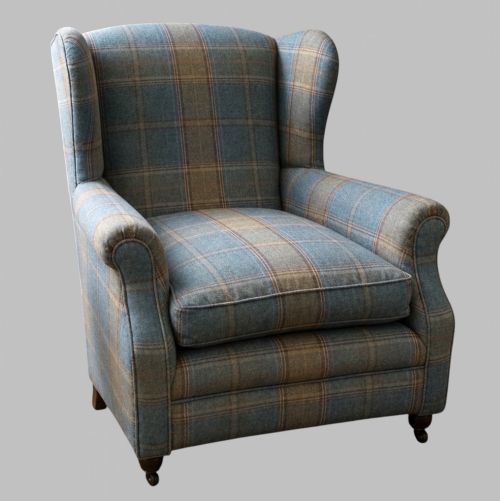
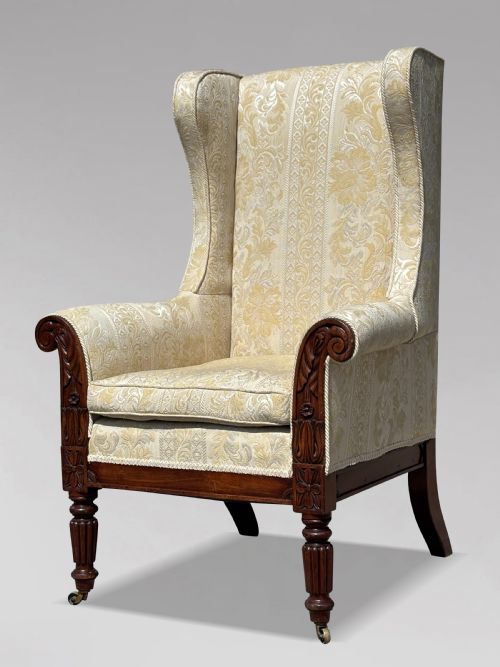


Period Wingback Armchair
A period wingback armchair offers deep comfort and historic character, drawing you in with its protective high sides and classic silhouette.
Period Wingback Armchair
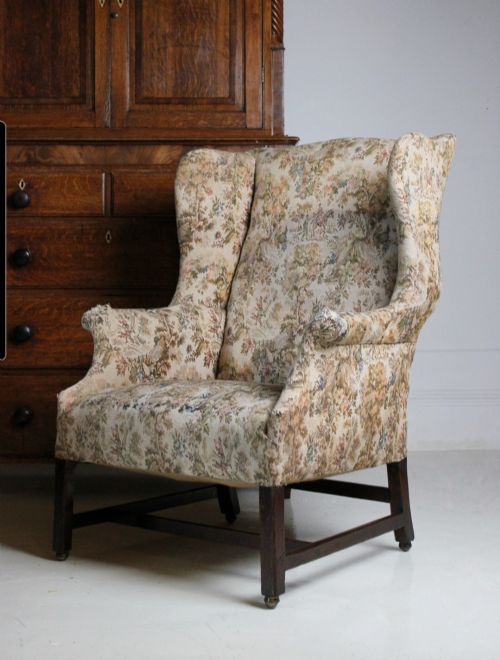
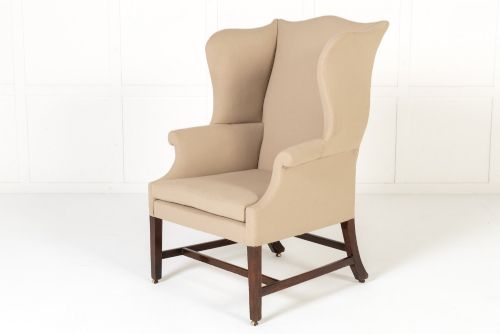
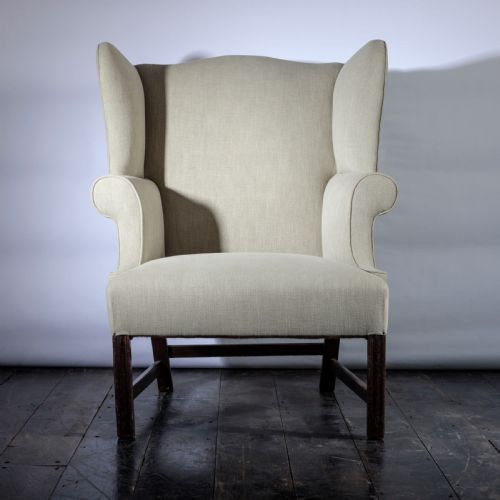
A period wingback armchair is a substantial seating form designed to shield the sitter from drafts, featuring distinctive side wings attached to the armrests. When you search for a period wingback armchair, you encounter seating originating from diverse eras spanning the eighteenth century through to the early twentieth century.
The selections on this page showcase forms from the Georgian, Regency, William IV, and Edwardian periods, alongside later twentieth-century revivals. Mahogany and walnut feature prominently as the primary woods for the framing and legs, supporting various styles from English Country House to Queen Anne revival.
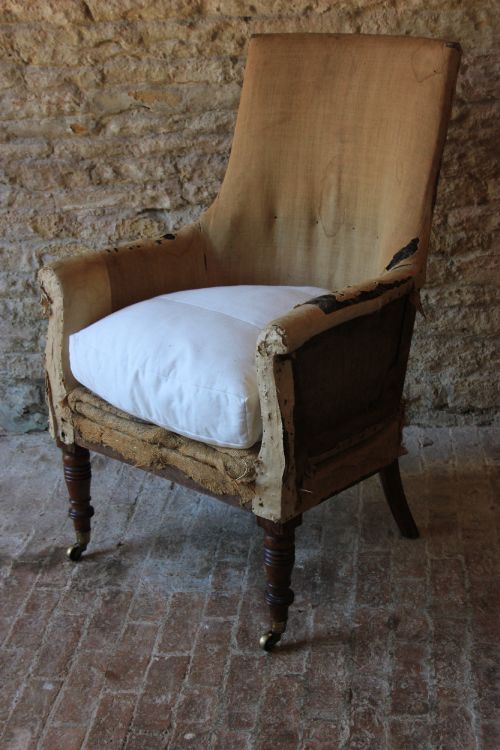
Makers and upholsterers historically adapted these chairs for drawing rooms, libraries, and firesides. You will find examples upholstered in traditional materials such as calico, hessian, linen, and red damask, as well as configurations supplied ready for complete re-upholstery.
How they were made
Cabinetmakers constructed the underlying frames of these armchairs using dense hardwoods like mahogany and walnut, shaping the legs and structural supports by hand. Brass elements occasionally appeared in castors or decorative details, complementing the dark timber tones.
Upholstery techniques involved layered natural stuffings secured beneath durable foundations of hessian and calico. Outer coverings ranged from heavy woven damask fabric to supple brown leather, often finished with deep buttoning or careful tacking.
Listings span multiple eras from the eighteenth century to the 1930s, uniting mahogany, walnut, and brass elements with fabrics like damask, calico, and leather.
What varies in quality
The refinement of the woodwork largely dictates the quality of a piece, distinguishing robustly carved mahogany frames from simpler structural builds. Proportions and the sweep of the wings reveal the maker's eye for balance and comfort.
The integrity of the internal construction and the choice of outer textile - ranging from modest cotton to fine silk damask or quality leather - further separate standard examples from finer works.
The Period Wingback Armchair Glossary
- Wingback
- An armchair featuring protective side panels attached to the arms designed to deflect draughts. This signature silhouette remains the defining characteristic of the form.
- Bergère
- An enclosed armchair with stuffed or upholstered sides, often featuring exposed wooden framing. The style emerged in France and influenced later British seating designs.
- Damask
- A reversible figured fabric woven on a jacquard loom, typically featuring floral or botanical motifs. It provides a rich, textured surface suitable for formal upholstery.
- Hessian
- A coarse woven fabric made from jute fibres, traditionally utilised as a foundational scrim beneath upper upholstery layers. It holds traditional stuffing securely within the frame.
- Mahogany
- A durable tropical hardwood prized for its reddish-brown colour and fine grain. Cabinetmakers favoured it throughout the eighteenth and nineteenth centuries for high-status furniture.
Period Wingback Armchair: Frequently Asked Questions
What is a wingback armchair?
A wingback armchair is a traditional seat defined by its high back and characteristic side wings designed to retain heat and block draughts.
These chairs evolved to provide comfort near fireplaces in historic homes, developing into diverse stylistic interpretations across multiple centuries.
How do I date a wingback armchair?
Dating relies on examining the timber species, leg architecture, and construction methods used in the frame. Georgian and eighteenth-century examples display different leg turning and stretcher arrangements compared to Edwardian or later revival pieces.
Upholstery materials often reflect later interventions, so inspection of the exposed wood and under-webting offers clearer chronological clues.
What fabrics were used historically?
Historic upholstery utilised durable textiles suited to heavy domestic use, including woven damask, linen, and leather. Internal stuffing was supported by sturdy hessian and calico foundations.
Many surviving frames have undergone re-upholstering over time to preserve their fabric integrity while maintaining traditional aesthetic standards.
Where should I place a wingback chair?
These chairs suit living rooms, studies, and libraries where their substantial scale anchors the room layout. Their protective wings create a private seating enclave ideal for reading or fireside relaxation.
Pairing them with low tables or positioning them perpendicular to a hearth highlights their historic utility.