
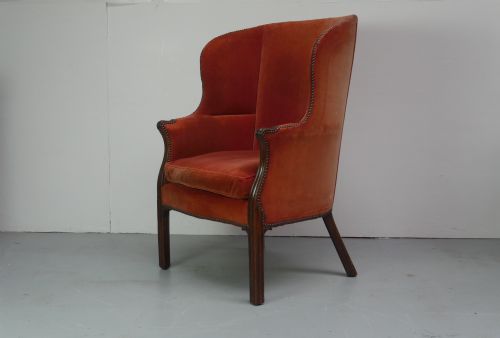


18th Century Wing Armchair
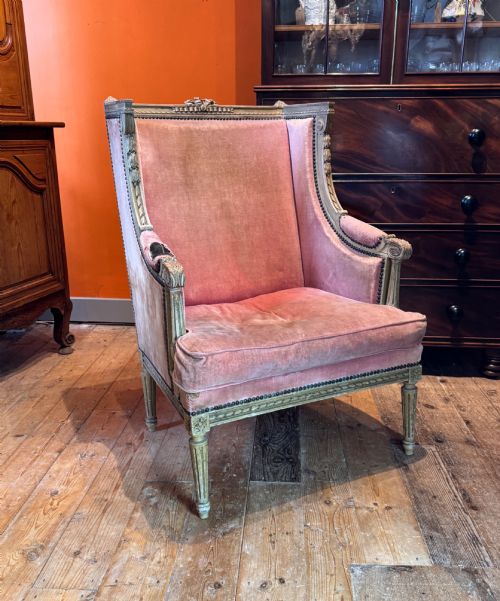
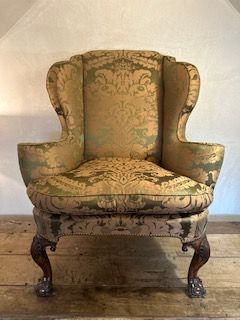
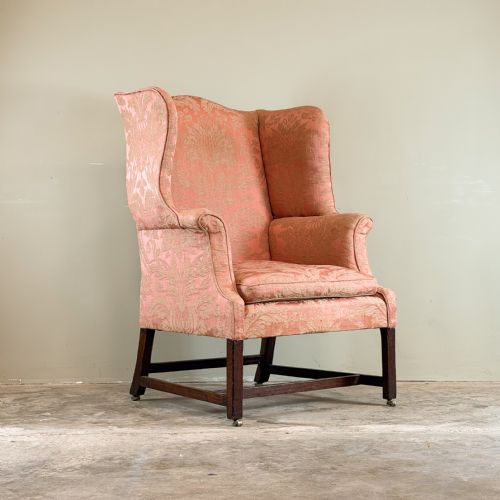
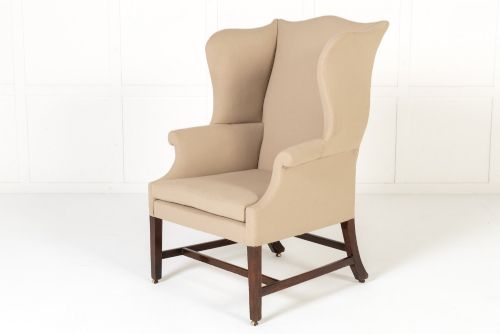
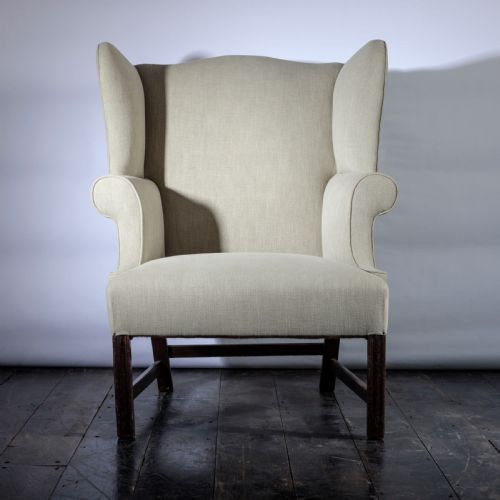
These large upholstered seats, known as an 18th century wing armchair, were designed to shield the sitter from draughts beside a hearth.
18th Century Wing Armchair
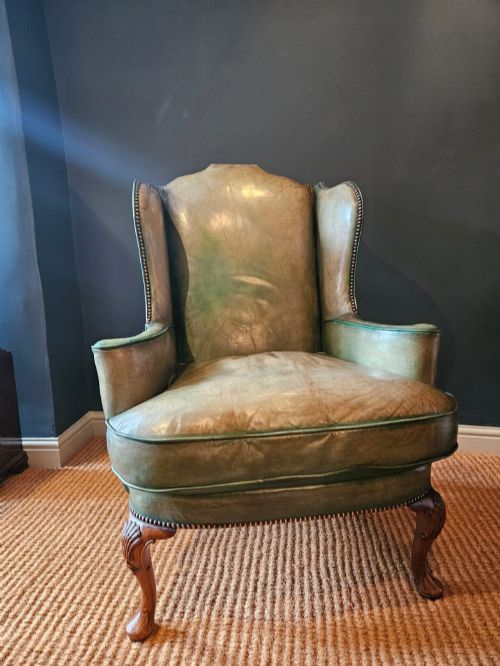
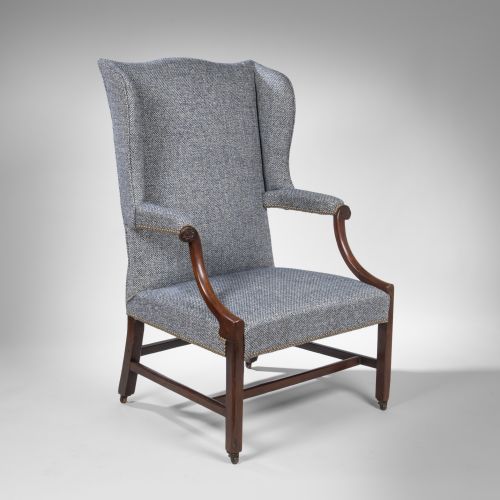
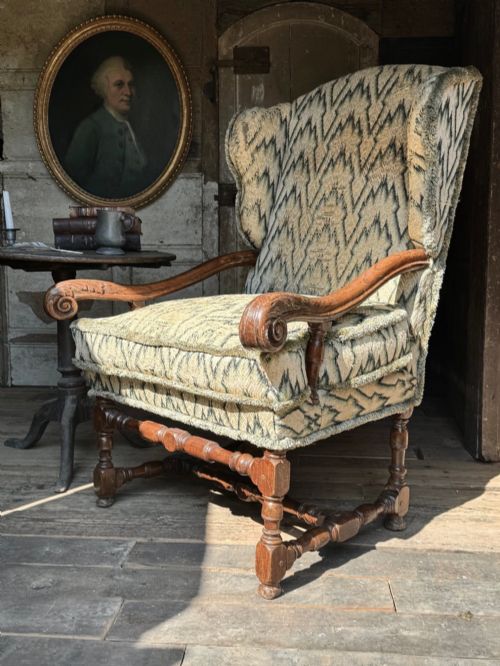
An 18th century wing armchair is a substantial fireside seat featuring protective side panels attached to the arms. The form appears most frequently in Georgian mahogany and walnut iterations, often displaying characteristic cabriole legs.
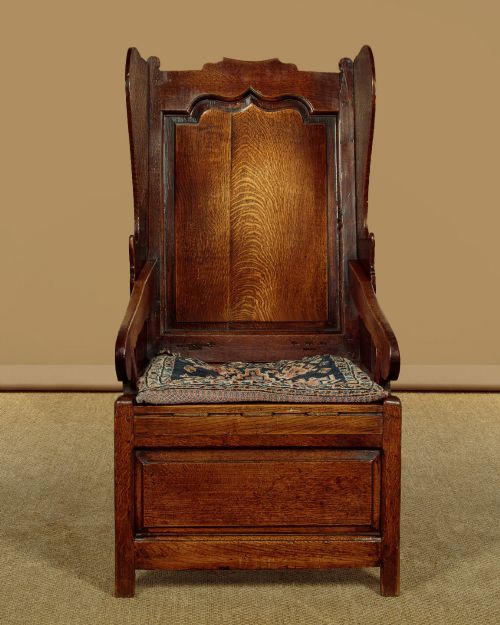
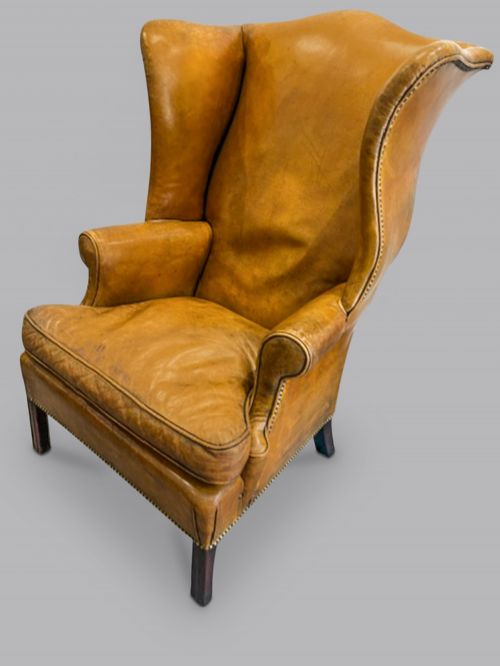
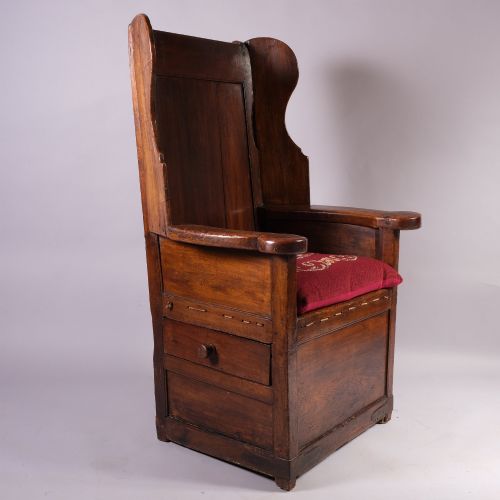
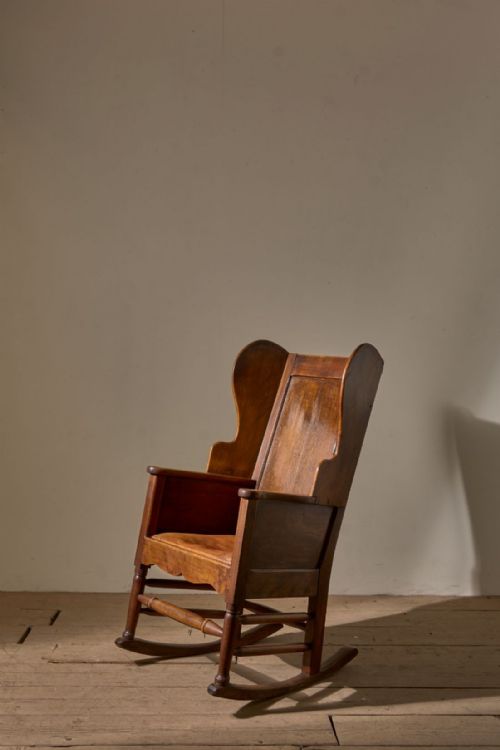
Regional variants also emerge within these listings, including oak lambing chairs and provincial French models in original paint. These simpler country forms sit alongside formal library chairs upholstered in leather or damask.
Materials and construction
Cabinetmakers constructed the foundational frames of these chairs using native hardwoods such as mahogany, oak, walnut and elm. Joinery relied on traditional pegged or glued mortise and tenon joints to bear the weight of the heavy timber framework.
Upholstery layers were built directly onto the wooden structure using webbing, stuffing and stitched horsehair before being secured with linen, leather, velvet or damask covers. Carved details on the show wood, such as cabriole legs, reflect the stylistic preferences of the Georgian and Louis XVI periods.
Some lambing chairs include built-in timber compartments beneath the seat, originally intended for keeping warming stones or newborn livestock close to the fire.
Assessing the examples
The degree of refinement in the timber carving and the integrity of the structural frame determine the standing of an individual piece. Better examples show crisp hand-carving on the cabriole legs and retain their original proportions without excessive timber replacement.
The survival of early surface finishes, whether patinated mahogany, polished walnut, or original paint, distinguishes untouched pieces from those heavily reworked over generations of use.
The 18th Century Wing Armchair Glossary
- Cabriole leg
- A furniture leg that curves outward at the knee and tapers inward to an ankle, typical of Georgian seating. This form draws inspiration from animal limbs.
- Wingback
- An upholstered chair design featuring projecting side panels or wings flanking the backrest. These panels originally served to trap heat around the sitter's head.
- Lambing chair
- A vernacular wooden seat featuring high backs and solid side panels, historically utilised by shepherds during cold lambing seasons. These pieces often include enclosed storage compartments beneath the seat.
- Damask
- A reversible figured fabric traditionally woven in silk, wool, or linen, frequently used for formal upholstery. The pattern appears through contrasting matte and lustrous weaves.
- Barrel back
- A seating form where the upholstered back curves continuously into the arms to form a semicircular enclosure. This enclosed shape offers enhanced protection from cold drafts.
18th Century Wing Armchair: Frequently Asked Questions
What were wing armchairs originally used for?
These seats were positioned close to fireplaces in large rooms to protect occupants from cold drafts. The prominent side panels trapped heat from the hearth around the upper body.
Over time, they became standard reading and resting chairs in libraries and parlours across English and French country houses.
How do I identify a Georgian frame?
Georgian frames typically utilise dense timbers such as mahogany or walnut, shaped with characteristic cabriole legs or straight Marlborough legs. The construction relies on heavy internal bracing and traditional joinery.
Stylistic markers align with the reigns of George II and George III, showing carved details like shell motifs or plain structural lines.
Are lambing chairs different from standard armchairs?
Lambing chairs are vernacular country seats constructed primarily from solid oak rather than fine cabinet timbers. They feature high protective wings and enclosed lower sections designed for maximum warmth.
These pieces originate from rural contexts rather than formal urban drawing rooms.
How should I care for leather upholstery?
Leather upholstery requires regular dusting and occasional treatment with appropriate conservation balms to prevent the hide from drying out. Keeping the material away from direct heat sources preserves the natural patina.
Gentle maintenance ensures the historical surface remains stable over decades of daily use.