

Period Wine Stands
Period wine stands serve bottles and glasses beside a dining chair, uniting utility with the cabinetmaker's finest timbers.
Period Wine Stands
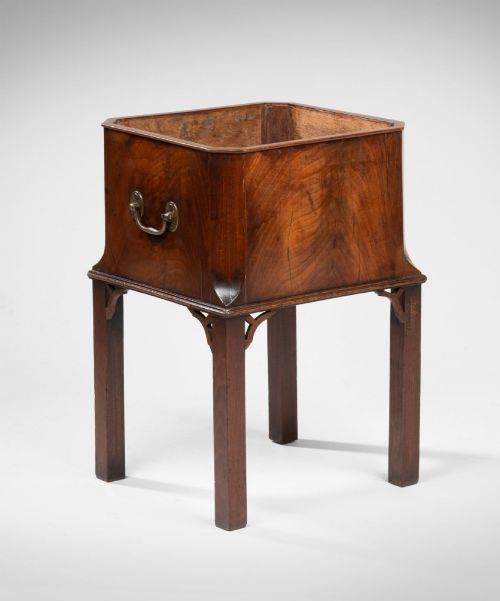
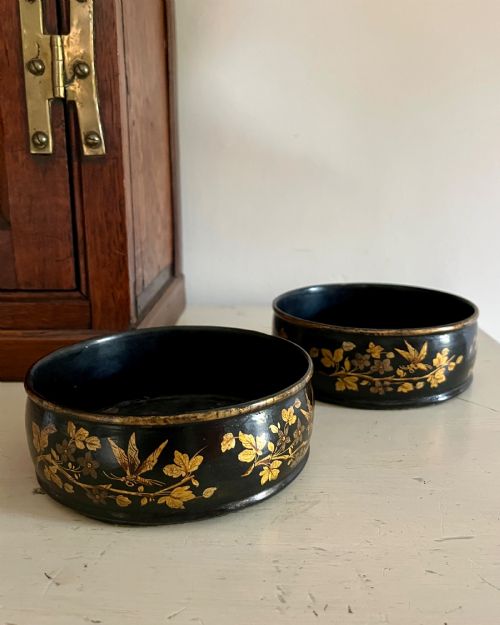
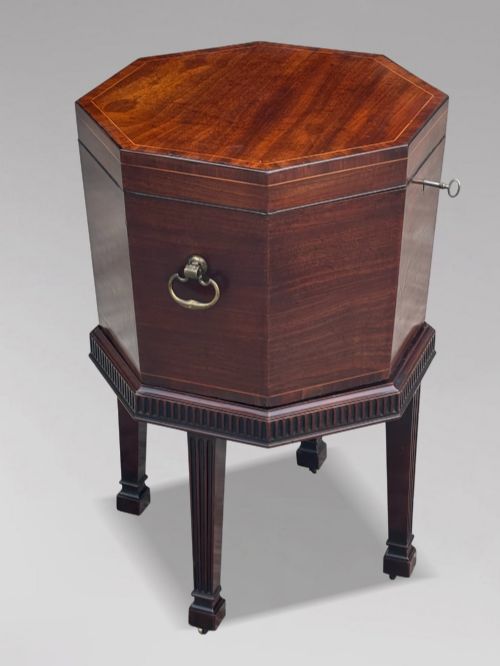
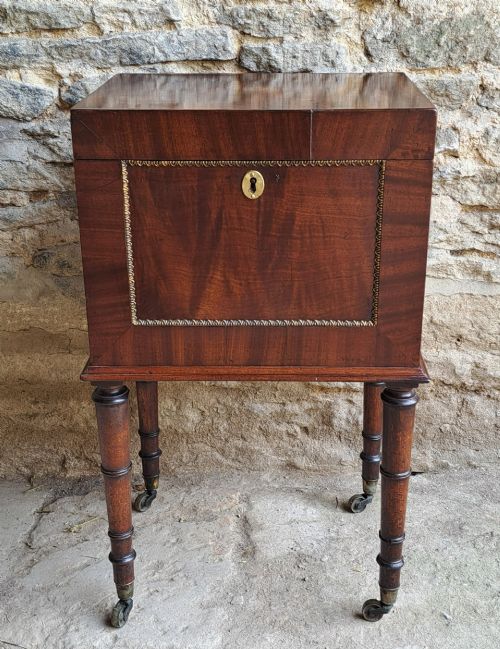
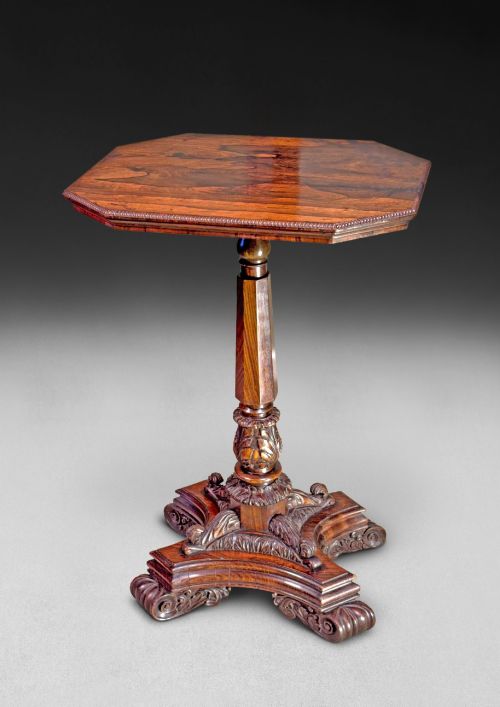
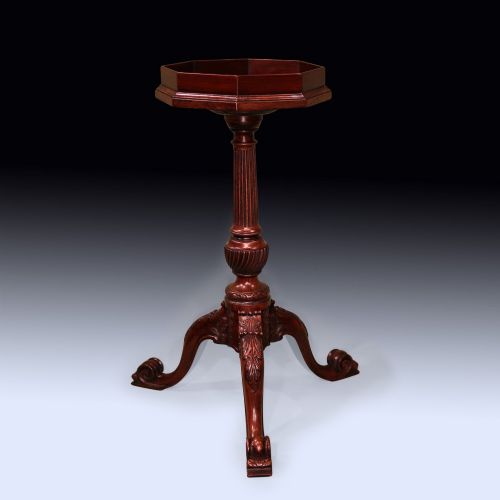
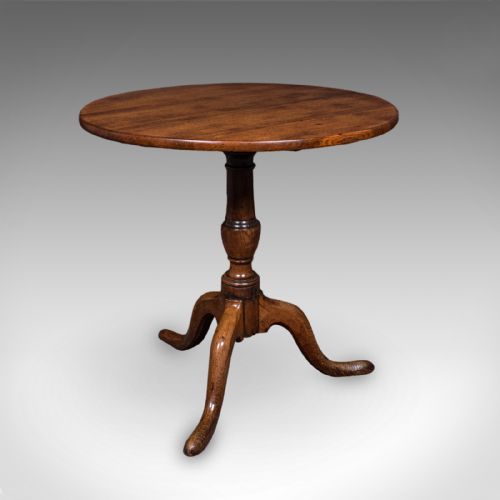
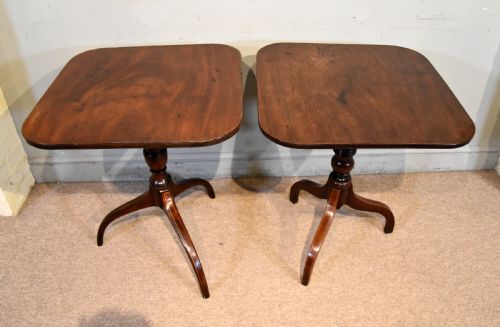
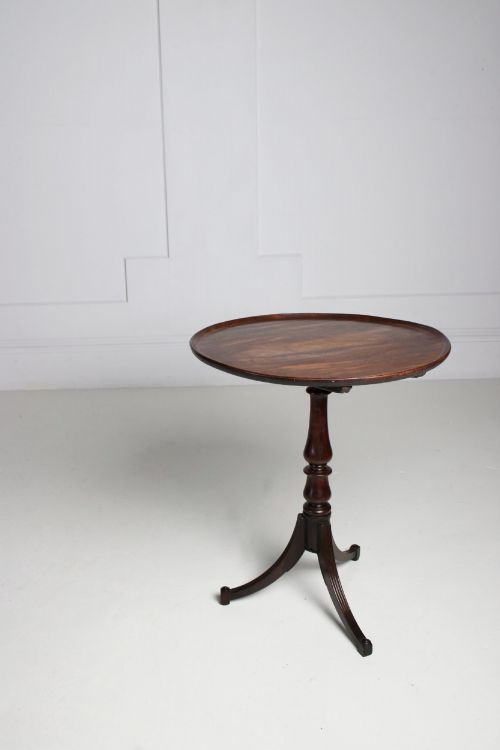
Period wine stands encompass small tables, tripod pieces, kettle stands, cellarettes, and coasters designed to hold wine and drinking vessels. The selection draws heavily from the eighteenth century and the Regency era, alongside Victorian and Edwardian examples.
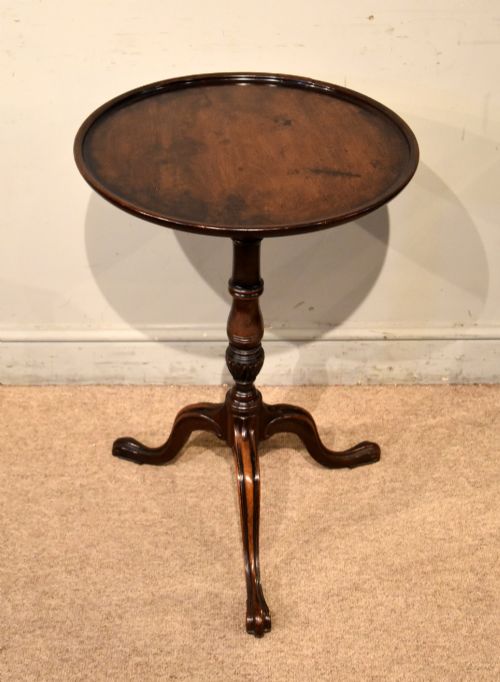
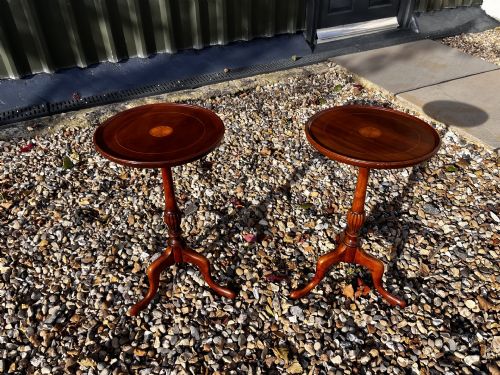
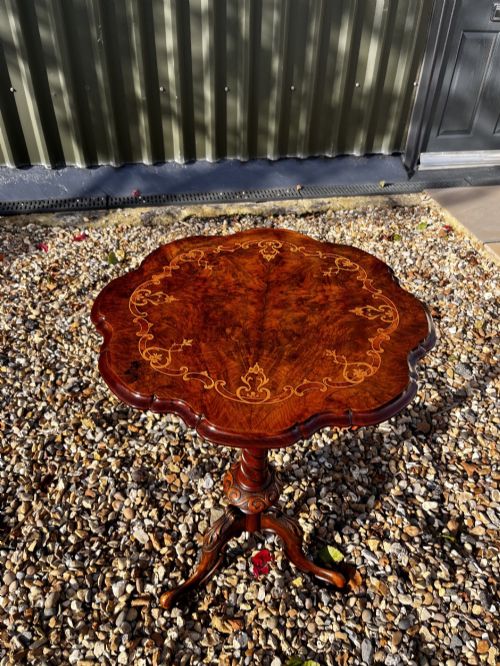
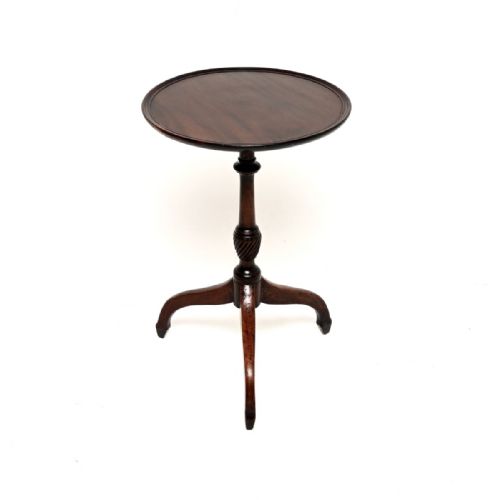
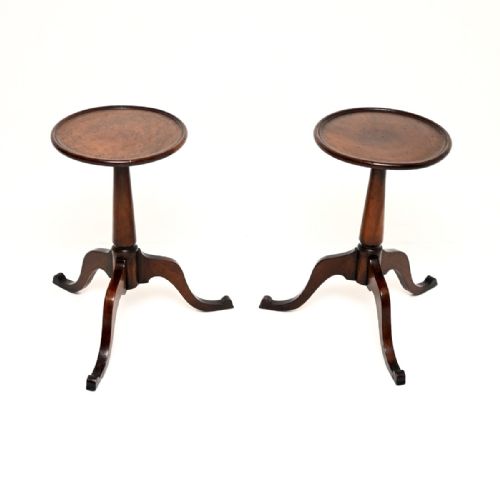
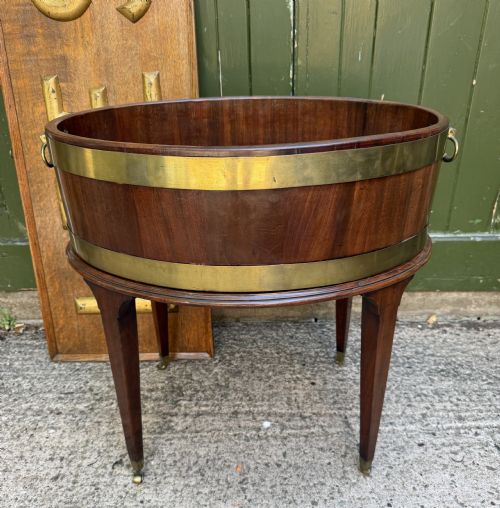
Tripod tables and small occasional tables dominate the offerings, frequently featuring tilt-top mechanisms or slender columns. Alongside these sit larger cellarettes, jardinières, and coasters made for floor placement or tabletop use.
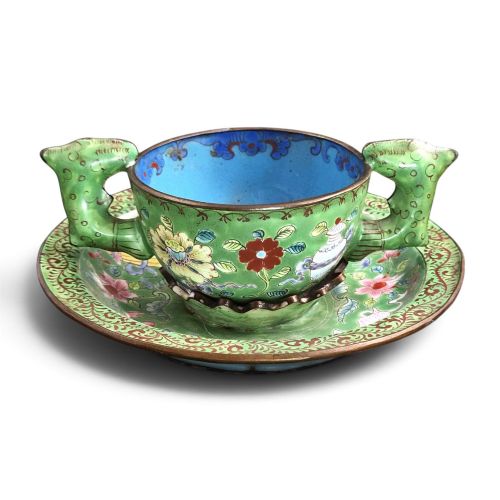
Origins span English workshops, including pieces attributed to Gillows, as well as distinct international examples such as a Chinese Canton enamel wine cup and stand.
How they were made
Cabinetmakers relied primarily on mahogany, oak, and rosewood, often selecting figured timbers for visible surfaces. Inlay, box tree, and ormolu mounts supplied decorative contrast on finer items.
Tripod bases demanded precise joinery to unite slender central columns with three supportive legs, while tilt-top variations required working brass catches and hinges. Brass banding reinforced heavy cellarettes and wine coolers against liquid exposure.
Period Wine Stands Retail Price Guide 2026
Typical asking prices for period wine stands among the pieces listed under this phrase on Sellingantiques today, from the lower quarter to the upper quarter. They describe what is for sale here now, not the wider market.
Makers occasionally added hollow chilong handles to enamel wine cups, ensuring tea and wine service came with mythological supervision.
What varies in quality
Quality rests upon the selection of timber and the crispness of carved detail, such as pie-crust edges or tripod legs. Finer versions exhibit careful figure matching in mahogany or rosewood and precise brass inlay.
Structural integrity in the column-to-leg joint and the smoothness of any tilt-top mechanism separate standard vernacular examples from workshop pieces attributed to makers like Gillows.
Gillow
The Period Wine Stands Glossary
- Tripod table
- A small freestanding table supported by a single central pillar resting on three legs. These items allowed easy movement around a dining room.
- Cellarette
- A lockable cabinet or box designed to hold bottles of wine, usually lined or brass-bound. They sat on the floor beneath a sideboard.
- Kettle stand
- A diminutive table raised on slender legs, built to support a heated water vessel for tea preparation. They often mirror the proportions of wine tables.
- Snap top
- A tabletop mounted on a hinge that locks flat for use or tips vertically for storage. This mechanism saved valuable floor space in period rooms.
Period Wine Stands: Frequently Asked Questions
What is a wine table?
A wine table is a compact piece designed to hold a single bottle and glass near a seat. They often feature small circular tops supported by tripod bases.
Many examples include tilt-top actions so the table could be stored flat against a wall when not in use.
How were cellarettes used?
Cellarettes held multiple wine bottles securely near the dining table during extended meals. Their heavy brass binding and internal divisions protected the glass.
They sat directly on the floor or on low stands, often positioned just out of sight beneath a sideboard.
How do I date a tripod table?
Dating relies on leg profiles, timber choices, and construction methods used by the cabinetmaker. Eighteenth-century versions commonly utilise solid mahogany with birdcage actions.
Victorian and Edwardian interpretations introduce heavier proportions, differing turning styles, and alternative woods like burr walnut.
Where should I place a wine stand?
These small tables fit easily beside armchairs, sofas, or empty corners in a reception room. Their compact footprints require minimal floor space.
Use them to display small lamps, decorative objects, or drinking vessels rather than heavy items.