


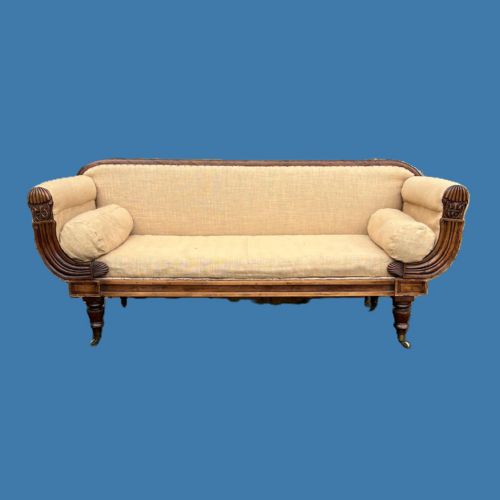

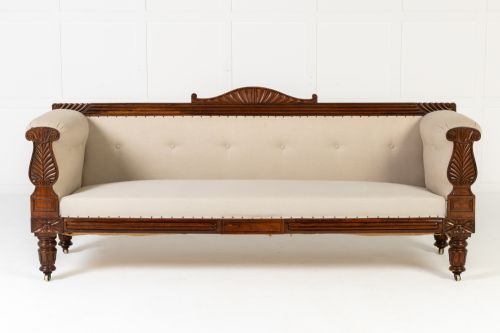

Period Upholstered Settee
A period upholstered settee brings structural timber and rich textile together to anchor a traditional room with character.
Period Upholstered Settee
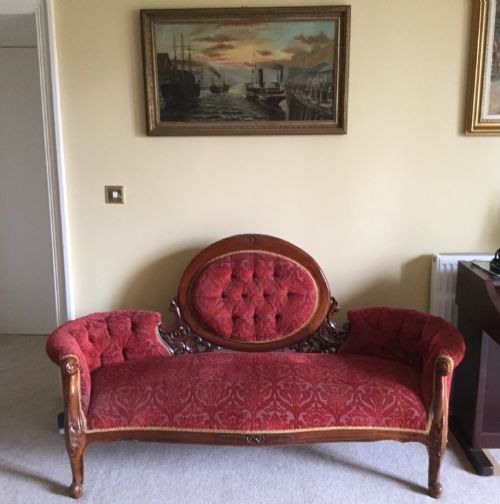
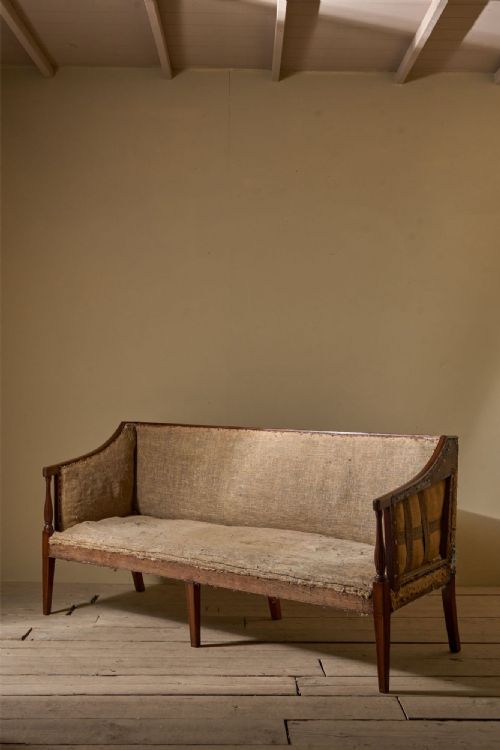
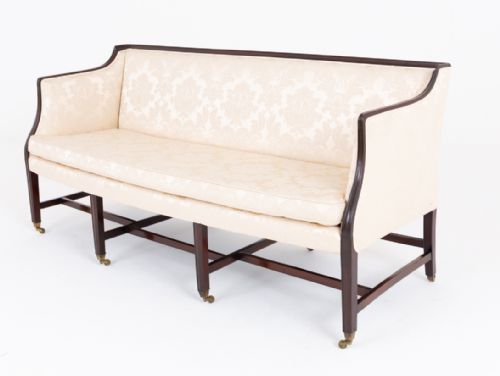
A period upholstered settee combines exposed timber frames with padded seating designed for multiple occupants. The pieces span centuries from the seventeenth through to the early twentieth century.
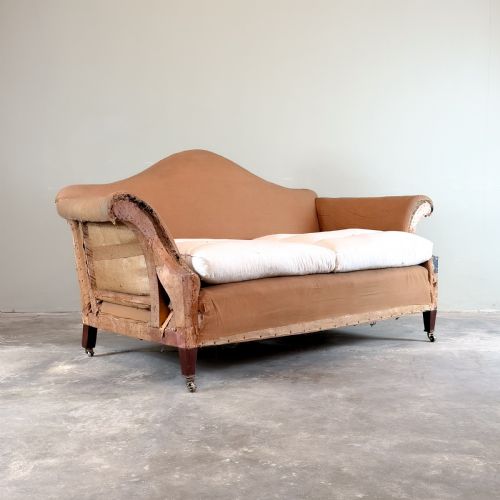
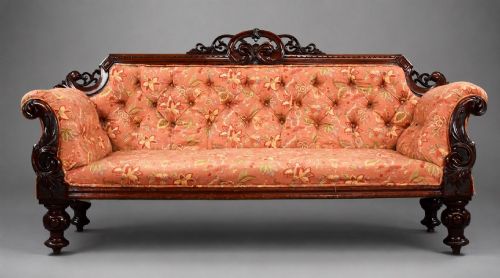
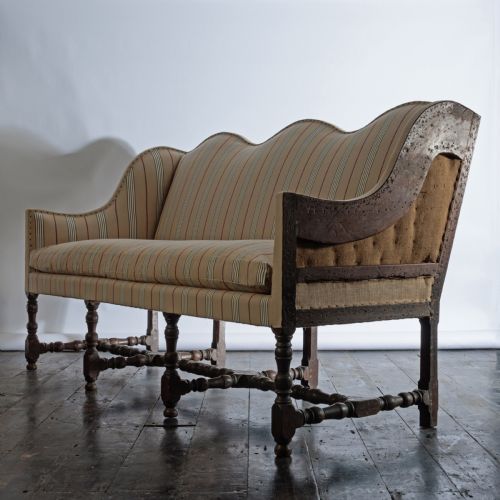
The selections on this page showcase forms ranging from camel back and serpentine profiles to scroll ends and drop arm designs. Origin markers cover English, French, and Swedish workshops.
Makers adapted classical proportions to suit changing domestic habits, resulting in substantial salon suites, smaller love seats, and long country house sofas.
Assessing quality and finish
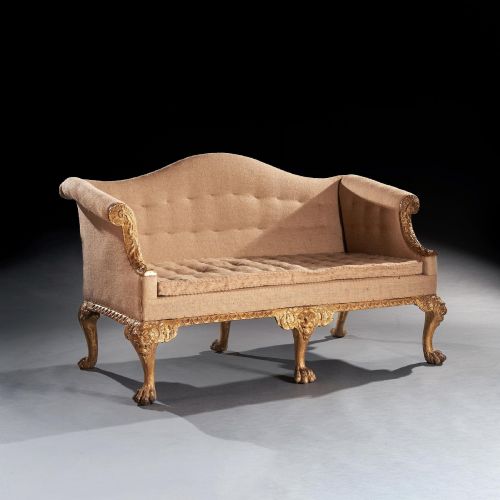
Quality rests upon the integrity of the timber frame and the retention of original carving detail on elements such as lion mask hairy paw feet. Frames that remain tight at the joints without major timber replacement sit at the higher end.
The standard of textile application matters greatly, particularly where deep pile brocade, silk damask, or gold upholstery follows complex serpentine or camel back contours. Retaining period character in the woodwork distinguishes superior examples from heavily restored pieces.
Lion mask hairy paw feet peer out from beneath eighteenth-century frames, giving regal support to the heaviest seats.
Howard and Sons·Giles Grendey
The Period Upholstered Settee Glossary
- Camel back
- A serpentine wooden frame top rail that rises in gentle arches resembling a camel's back. This contour provides both visual elegance and robust support.
- Knole sofa
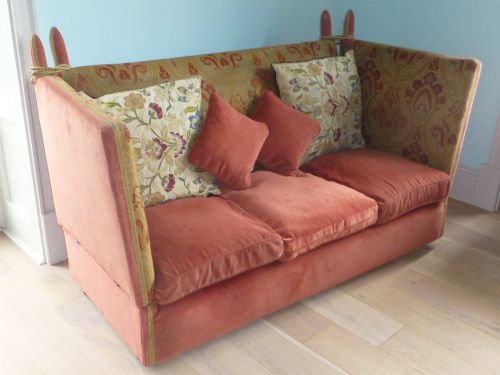
- A traditional seating form featuring high, adjustable or hinged drop arms traditionally secured with cords and tassels. It offers an enclosed seating arrangement.
- Giltwood
- Timber coated with a thin layer of gold leaf applied over a prepared gesso surface. It appears frequently on formal French and English salon seating.
- Scroll end
- A wooden arm or terminal shaped into a tight outward or inward curve resembling a scroll. This profile defines many Regency designs.
Period Upholstered Settee: Frequently Asked Questions
How do I identify a Regency settee?
Regency settees typically display classical restraint with rosewood or mahogany timbers, scroll ends, and occasionally brass inlay or lyre-shaped supports. Their lines draw inspiration from Greek and Roman antiquities.
These pieces emerged during the early nineteenth century and fit well in rooms requiring refined symmetry.
Where should I place a large period settee?
A large serpentine or camel back settee requires a substantial room where it can float away from walls or anchor a central fireplace grouping. Consider clearance for the extended length and scroll arms.
Positioning them out of direct sunlight preserves the fragile historic textiles and polished timber finishes.
Are these settees comfortable for daily use?
Period upholstered settees often feature sprung bases and deep padding designed for formal lounging rather than modern slouching. Their firm support reflects the seating posture of past centuries.
Reupholstered examples maintain historical profiles while offering renewed internal webbing and cushioning for modern comfort.