


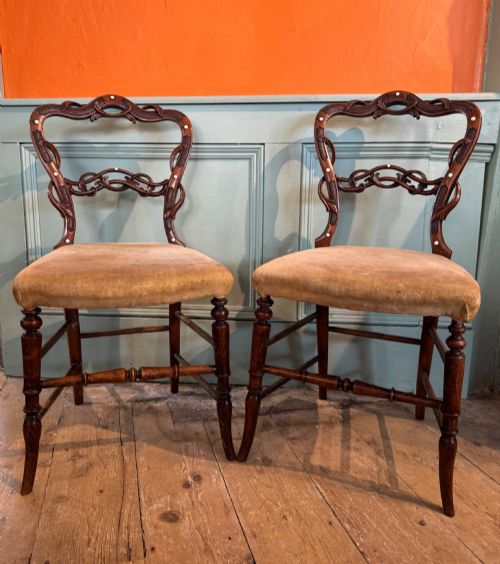
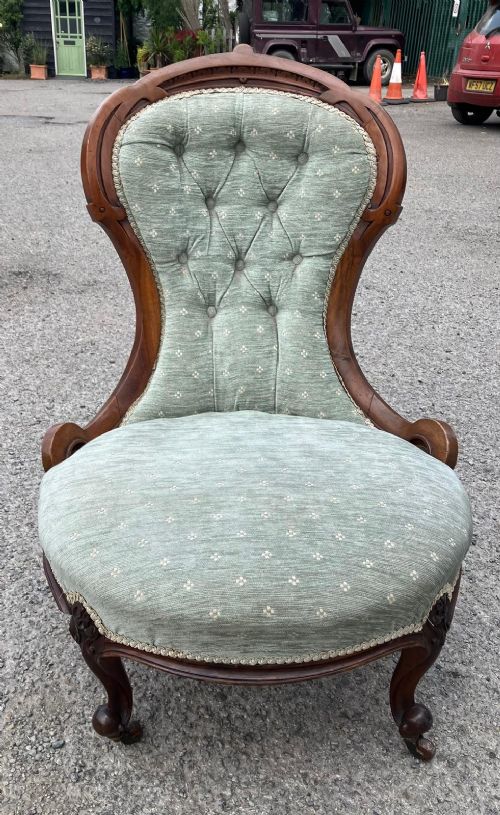
Period Upholstered Accent Chair
A period upholstered accent chair brings traditional seating into a modern room, offering distinct historical character through varied woods and textiles.
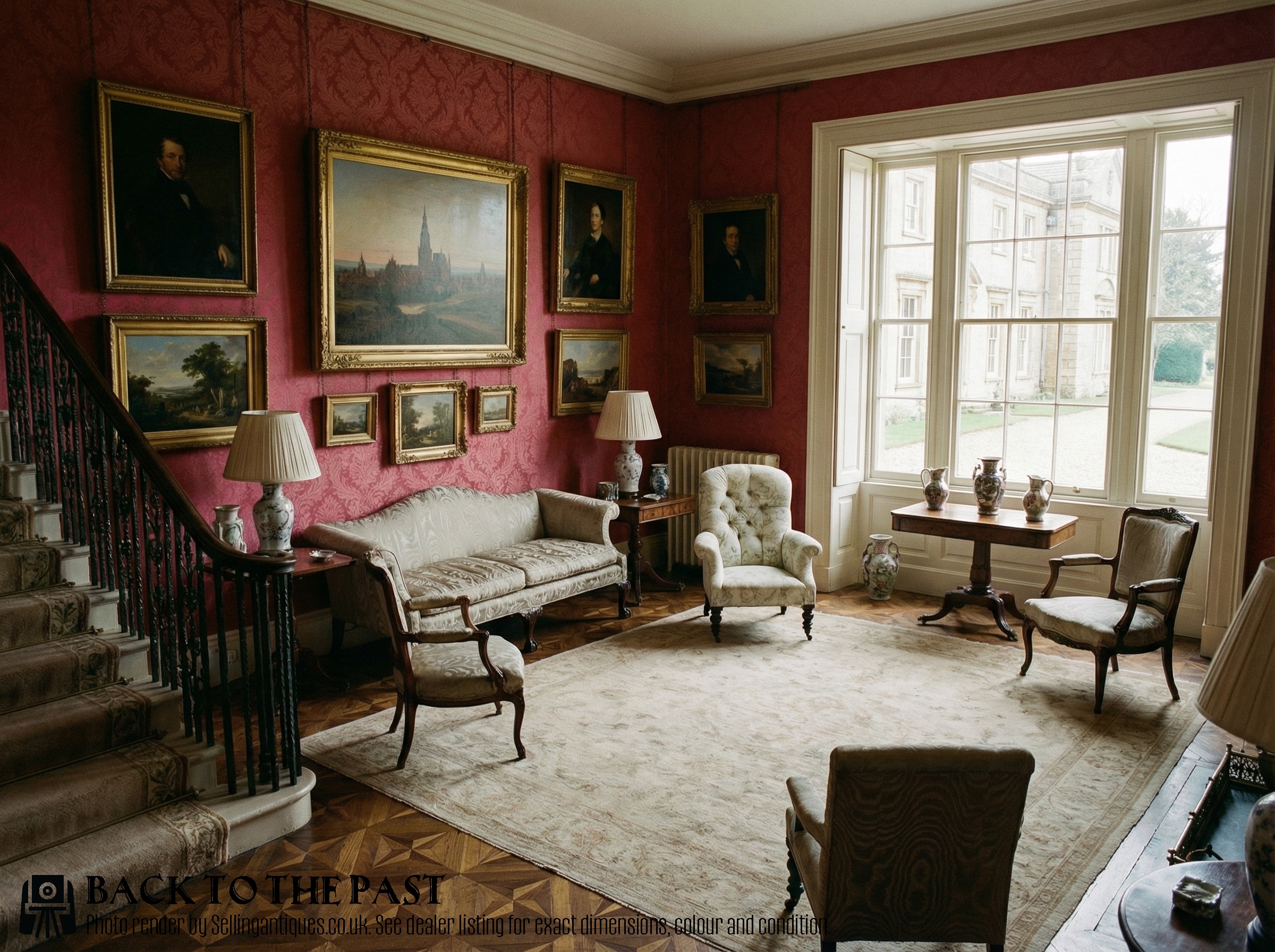
Period Upholstered Accent Chair
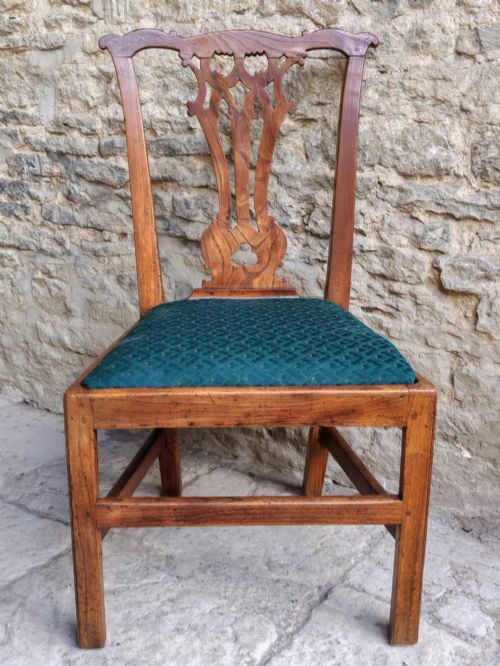
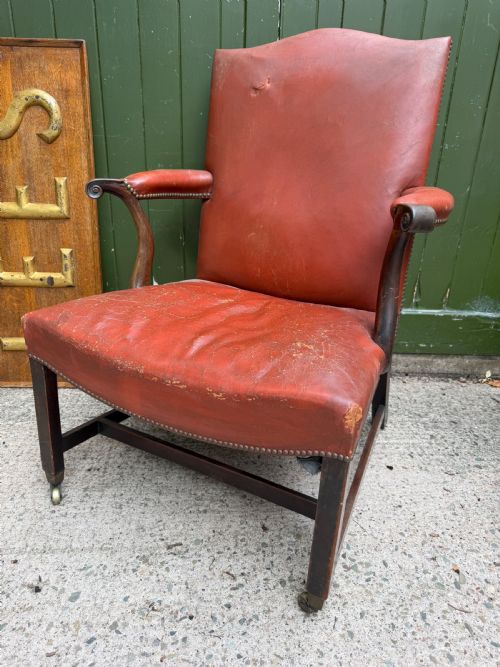
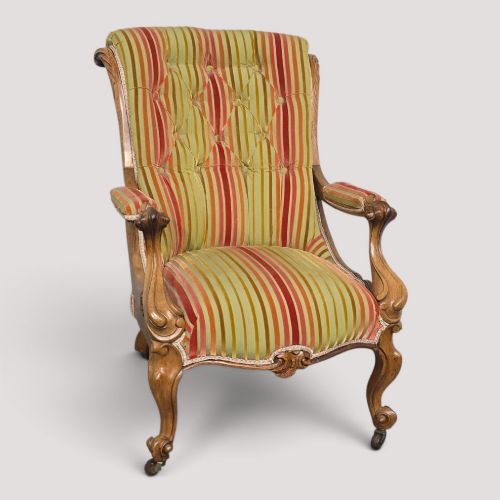
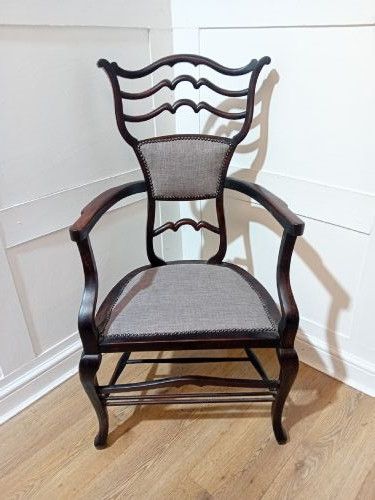
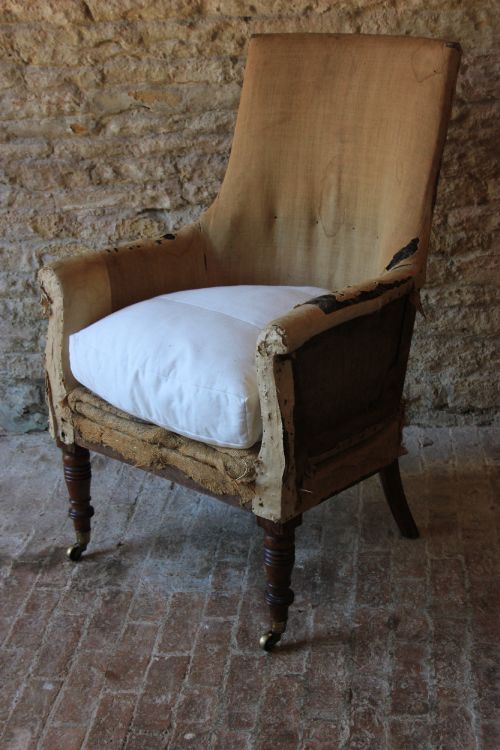
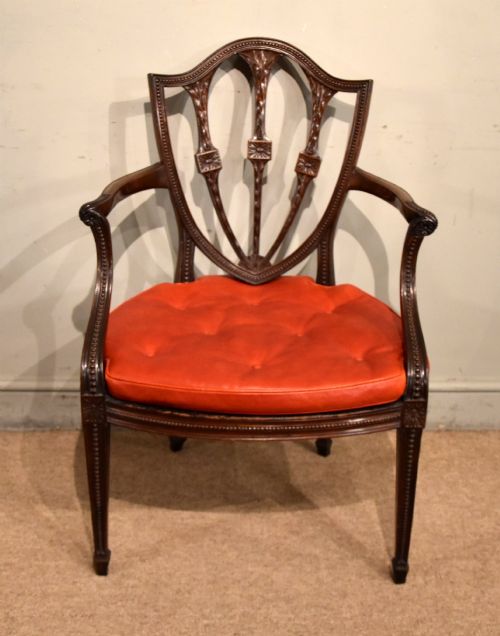
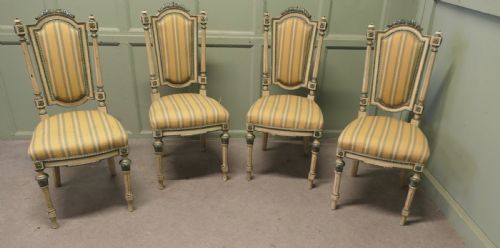
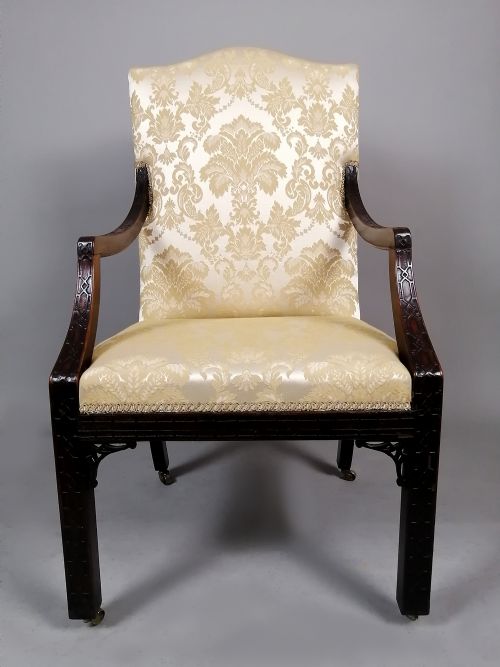
A period upholstered accent chair bridges centuries of furniture design, spanning from seventeenth-century walnut frames to Edwardian and nineteen-thirties interpretations. Buyers seeking this phrase encounter varied forms including library armchairs, bergères, salon chairs, and nursing chairs designed for specific domestic spaces.
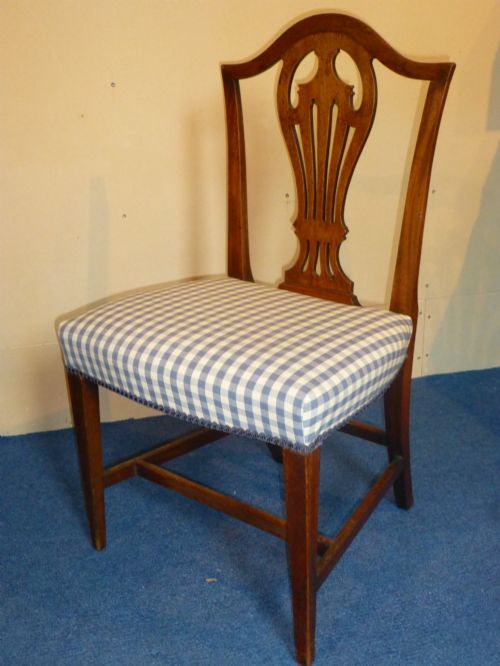
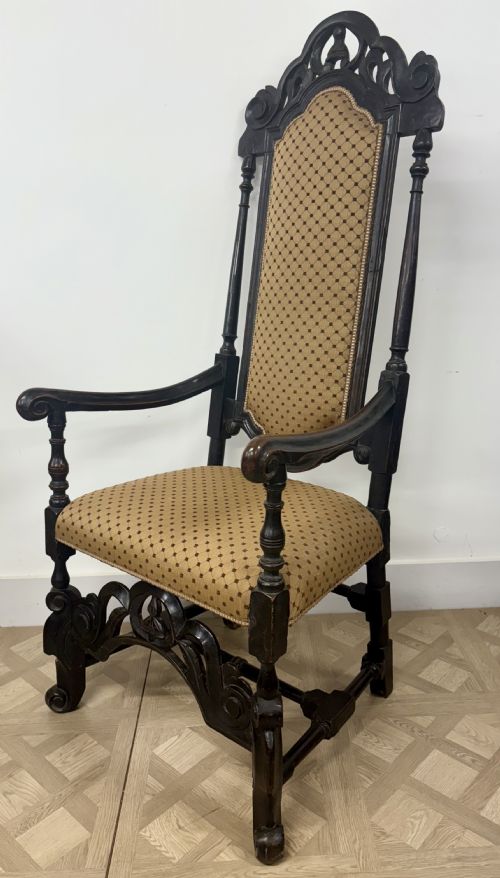
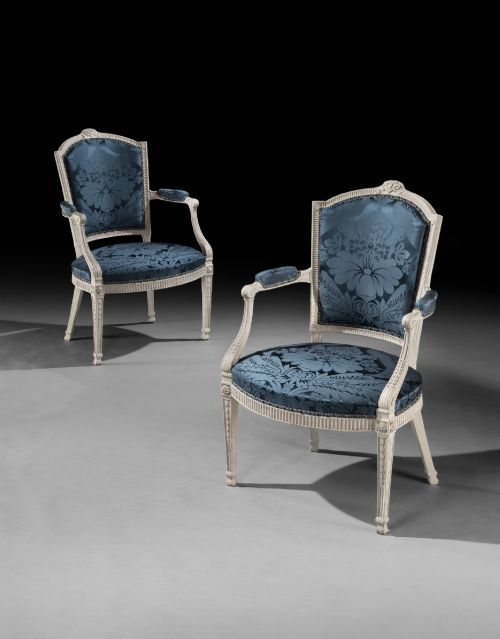
The selections on this page draw from eighteenth-century Georgian and Regency periods alongside nineteenth-century Victorian and French designs. These pieces function as decorative seating while retaining the structural forms of their respective eras, utilising woods like mahogany, walnut, fruitwood, and giltwood.
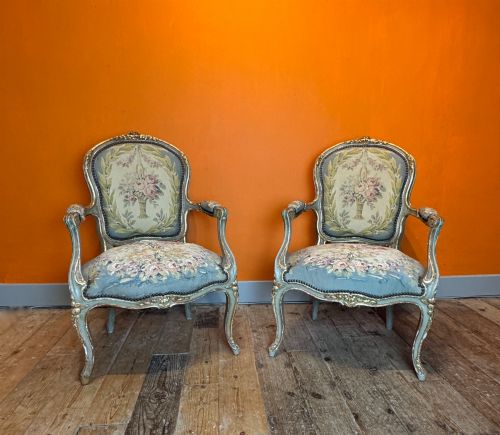
Makers and regional styles range from English Chippendale and Gainsborough armchairs to French Louis XVI and Charles X seating. Each style reflects the interior fashions of its decade, offering distinct arm shapes, carved details, and proportions.
Distinctions in quality and execution
The refinement of the carved woodwork sets superior examples apart, showing crisp hand-carving on scroll backs, cabriole legs, or gilt details rather than soft or flat profiling. Timber selection also dictates grade, with dense, well-figured mahogany, walnut, or rosewood marking higher-tier pieces.
Integrity of the frame and the retention of original or period-appropriate upholstery materials contribute to a piece's standing. Uniformity in pairs or sets, along with well-preserved finishes on the exposed wood, elevates the standard of the seating.
Materials documented across the inventory include mahogany, walnut, fruitwood, giltwood, brass, leather, velvet, and tapestry.
Charles Tozer·Blaise Maucuy
The Period Upholstered Accent Chair Glossary
- Gainsborough
- A wide, upholstered armchair with open padded arms, originating in eighteenth-century England. This form is typically set on square or cabriole legs.
- Fauteuil
- An open-armed French armchair with an exposed wooden frame, often carved and gilded. The arms feature upholstered pads for elbow support.
- Carver
- A dining or side chair featuring arms, traditionally placed at the head of a table or used as a desk chair. These pieces match standard dining chair heights but provide armrests.
- Parcel gilt
- A finishing technique where portions of a wooden or gesso frame are highlighted with gold leaf. This method emphasises carved details against a painted or dark wood ground.
Period Upholstered Accent Chair: Frequently Asked Questions
How do I choose the right period chair?
Consider the scale of the room and the existing furniture styles before selecting a specific form like a library armchair or a salon chair. Different eras offer distinct proportions, from the low seats of Victorian nursing chairs to the upright posture of Georgian side chairs.
Match the wood tone and upholstery fabric to your interior scheme. Pieces upholstered in leather or velvet offer a different texture compared to those covered in tapestry or patterned textile.
Were these chairs used for dining?
Many forms serve different functions, with dining chairs and side chairs designed specifically for placement around tables. Other variants such as library armchairs and bedroom chairs were intended for reading or private quarters.
Armless side chairs and smaller salon chairs provided flexible seating that could be moved around a drawing room as needed.
How do I identify the period of an armchair?
Look to the overall silhouette, leg shape, and carving styles to determine the era of manufacture. Eighteenth-century pieces often feature cabriole legs or straight Marlborough legs, while Regency and Victorian designs introduce ebonised finishes, scroll-carved backs, and rosewood timbers.
Consulting the specific details of the frame construction and upholstery style helps narrow down the decades between the seventeenth and twentieth centuries.
Can these chairs be used daily?
Period seating is robustly constructed from hardwoods like mahogany, walnut, and oak, making them suitable for regular use in contemporary homes. Ensuring the internal webbing and upholstery support is sound will protect the frame during daily sitting.
Placing them out of direct sunlight preserves both the wooden finish and sensitive fabrics such as velvet, silk, or needlepoint.