

Period Style Wooden Chair
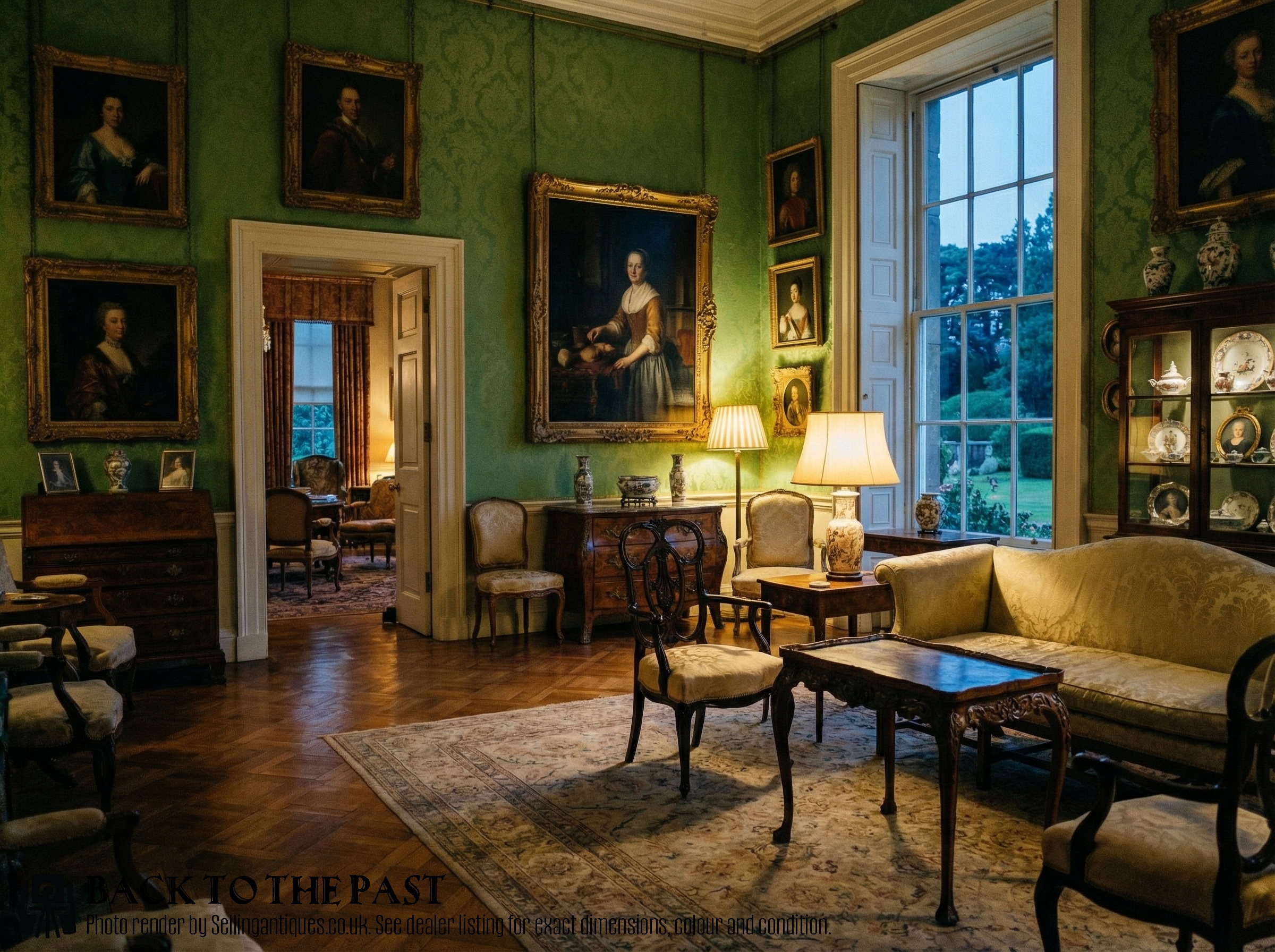
These period style wooden chair examples span centuries of cabinet-making, offering lasting craftsmanship and classic seating forms for traditional interiors.
Period Style Wooden Chair
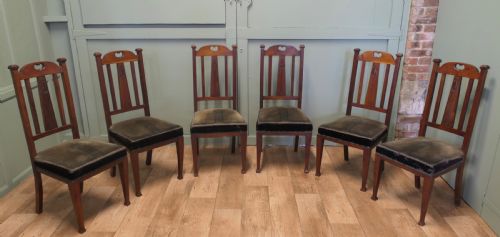
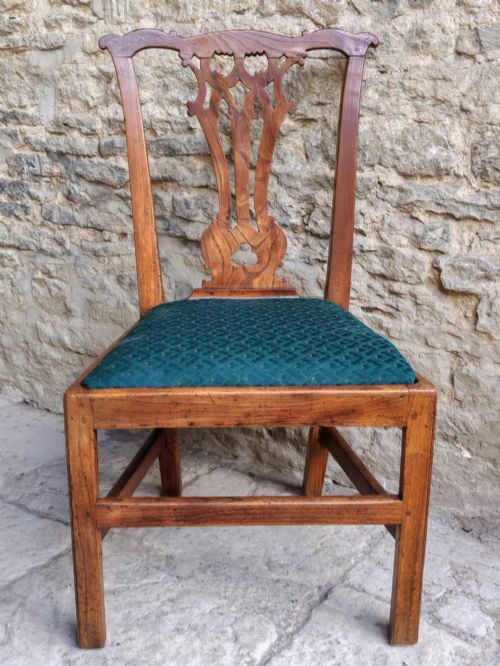
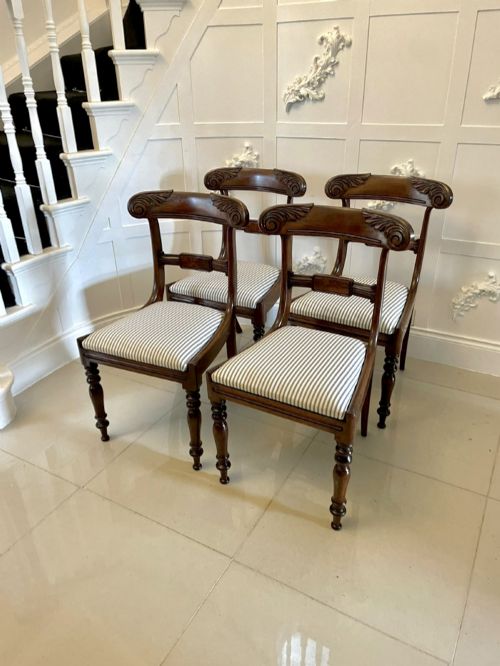
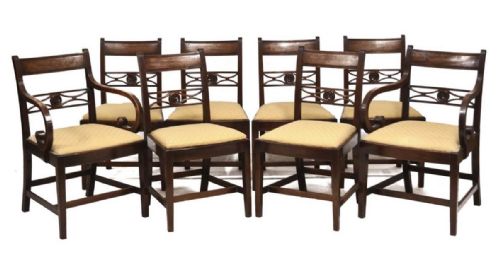
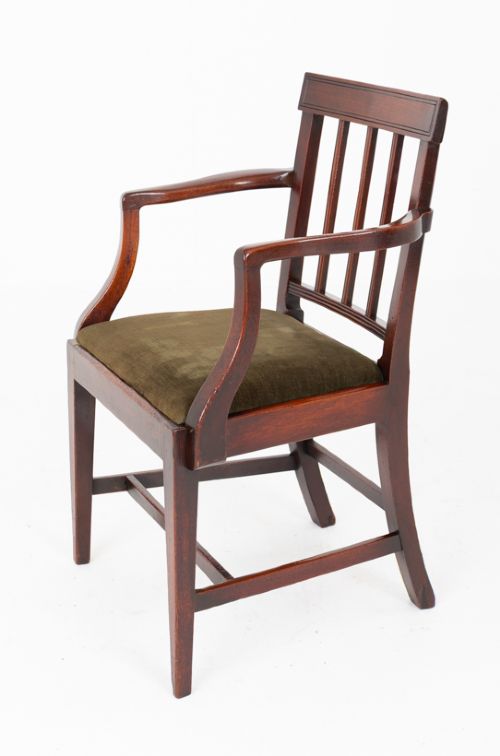
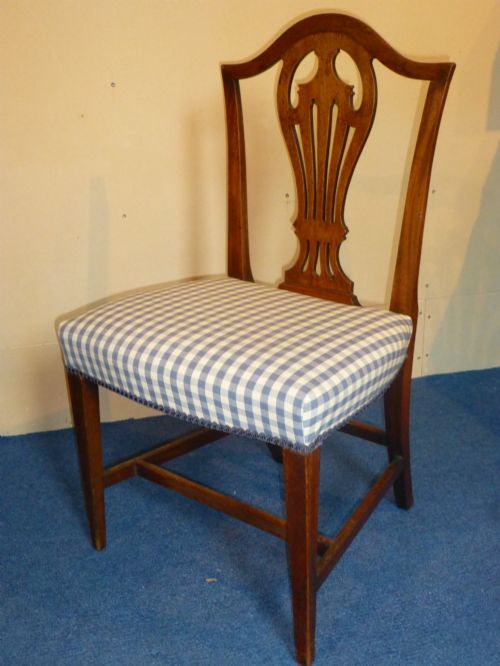
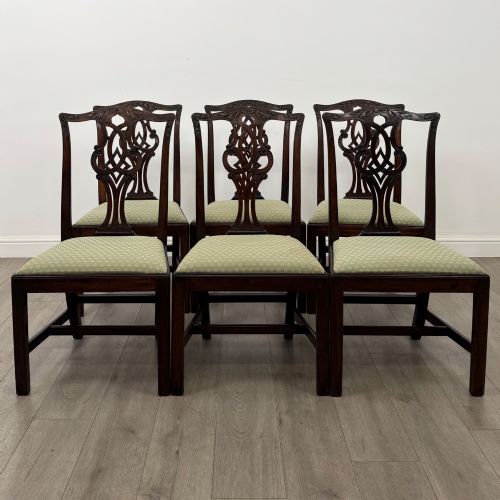
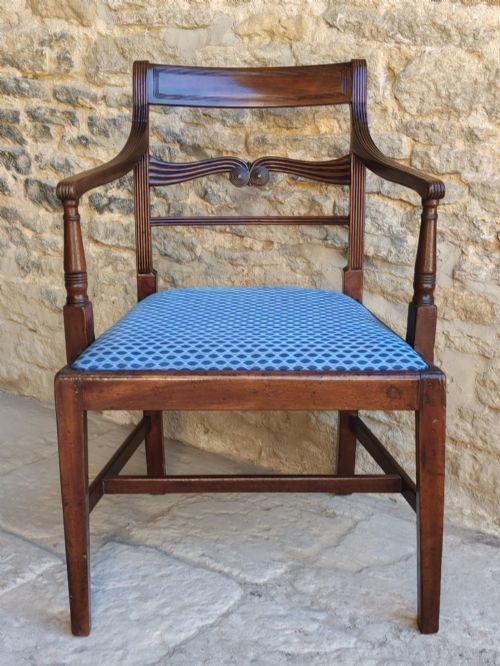
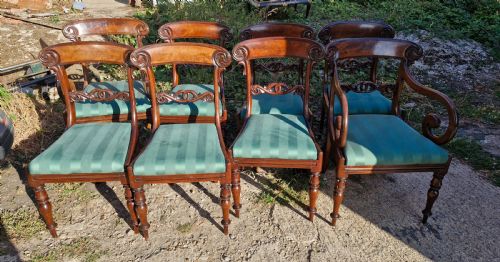
A period style wooden chair covers multiple seating forms including dining chairs, armchairs, side chairs, carver chairs and general chairs. Buyers searching for a period style wooden chair encounter designs originating from the seventeenth, eighteenth, and nineteenth centuries alongside later revival pieces.
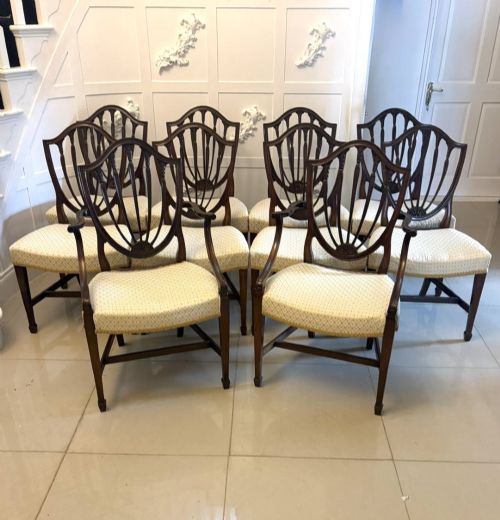
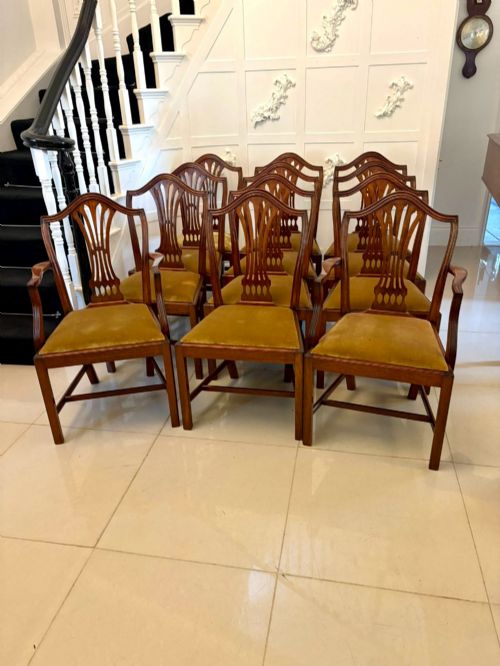
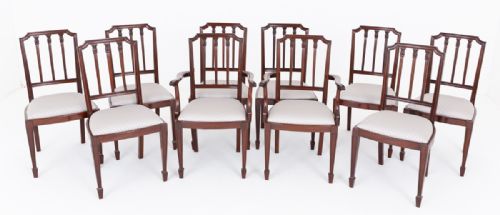
The inventory on this page contains single chairs, pairs, and large sets suited for dining tables or reception rooms. Origins span English, French, and Scottish workshops adhering to Georgian, Regency, Victorian, and Edwardian design traditions.
What varies in quality
The refinement of hand-carved details on splats, shield backs, and arm terminals distinguishes superior examples from simpler production. Finer seating displays crisp lines and balanced proportions true to historical design canons.
The integrity of the timber frame, consistency across larger matched sets, and retention of original or period-appropriate upholstery materials define the upper tier of the market.
Listings feature mahogany, oak, elm, walnut, and maple timbers across Georgian, Regency, and Victorian periods.
Maple and Co·Jacob Desmalter
The Period Style Wooden Chair Glossary
- Carver chair
- An armchair designed typically for the head of a dining table, sharing stylistic traits with the matching single chairs.
- Shield back
- A chair back shaped like a heraldic shield, popularized by designers such as Hepplewhite and Sheraton during the eighteenth century.
- Bar back
- A horizontal curved wooden slat across the upper back of a chair, common in nineteenth-century designs.
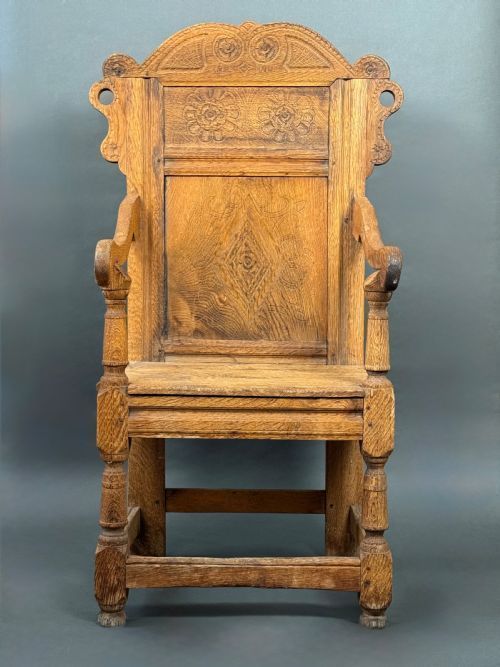
- Wainscot
- An early form of heavy wooden armchair constructed primarily from solid oak with panelled backrests.
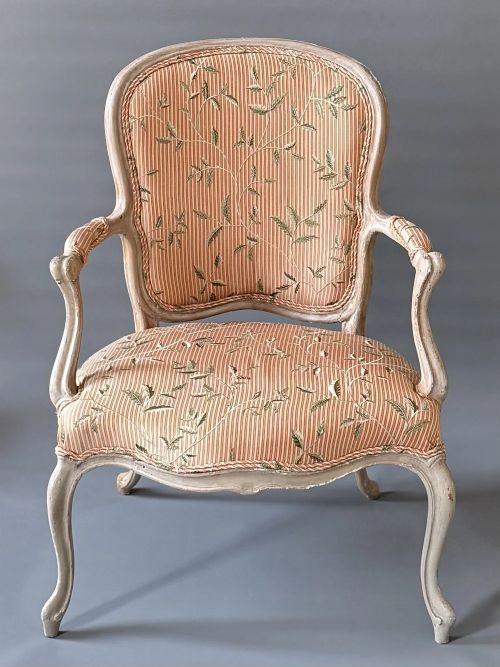
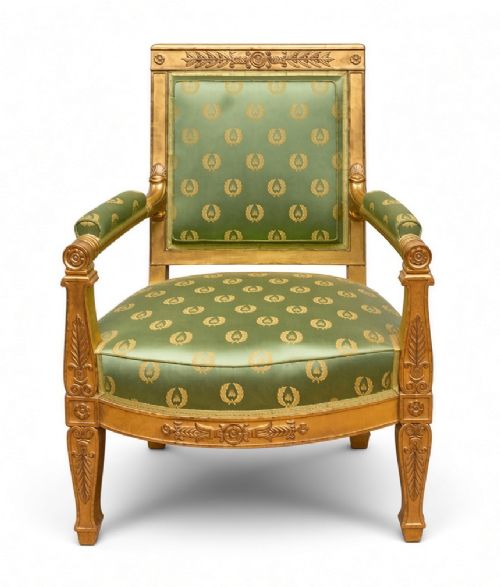
- Fauteuil
- An open-framed wooden armchair with upholstered armrests, originating in French furniture design.
Period Style Wooden Chair: Frequently Asked Questions
How do I date an antique wooden chair?
Dating relies on examining the timber species, joinery methods, tool marks left by cabinet-makers, and stylistic markers characteristic of specific reigns or centuries.
Comparing the structural anatomy of the frame against documented examples from periods such as the Georgian or Victorian eras confirms the likely decade of manufacture.
Were dining chairs sold in sets originally?
Large dining sets often survive from the eighteenth and nineteenth centuries, though matching sets of eight or twelve are considerably scarcer than smaller groupings or singles.
Many historic dining suites were commissioned specifically for large country houses and town residences, frequently combining single side chairs with matching carvers.
How should I care for antique wood?
Historic timbers require stable indoor humidity levels and protection from direct sunlight to prevent the wood from drying out, warping, or splitting over time.
Applying microcrystalline wax periodically helps nourish the polished surface while maintaining the natural patina developed over centuries of use.
What is a carver chair used for?
Carver chairs served traditionally as primary armchairs positioned at the ends of dining tables or placed in hallways and bedrooms as decorative seating.
The inclusion of armrests provided additional comfort and distinction for the host or senior members of a household during formal dining.