


Period Style Settee
A period style settee brings traditional seating into a room, offering generous proportions and historic character for modern living.
Period Style Settee
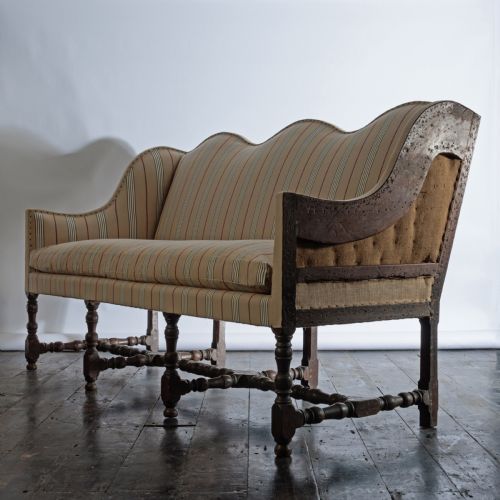
A period style settee provides extended seating that draws on historic designs ranging from eighteenth century Georgian proportions to nineteenth century French revival forms. Buyers searching for a period style settee will encounter diverse expressions including camel back frames, scroll ends, and multi-seat sofas.
The pieces listed span multiple eras, with nineteenth century interpretations and twentieth century revivals appearing frequently alongside earlier examples. These seats function as focal points in reception rooms, combining decorative presence with practical utility.
Craftsmanship and distinction
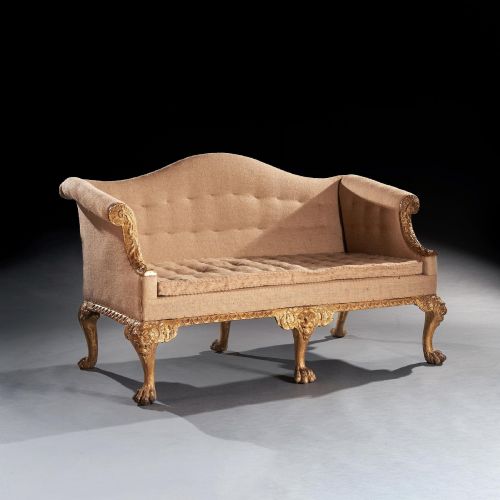
The distinction between ordinary and exceptional examples rests in the crispness of timber carving, such as lion mask details or scrollwork, and the architectural proportion of the frame. Superior pieces demonstrate a harmonious balance between the wooden structure and its upholstered elements.
The integrity of the original timber and the subtlety of applied gilding or paint finish elevate certain items above standard reproductions. Authenticity of period style shines through meticulous attention to historical joinery and stylistic consistency.
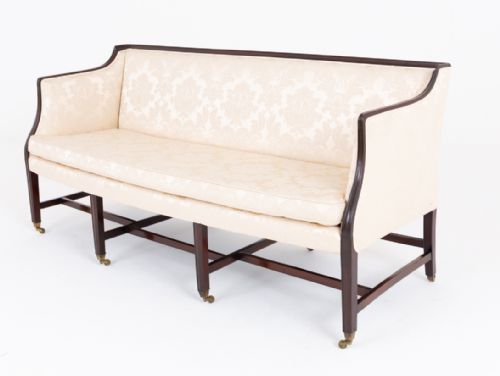
Listings feature mahogany, walnut, and giltwood frames upholstered in damask and various fabrics across eighteenth, nineteenth, and twentieth century periods.
Giles Grendey
The Period Style Settee Glossary
- Settee
- An upholstered seat for more than one person, typically featuring a back and arms. It provides formal or domestic seating with historic stylistic lineage.
- Canapé
- A French term for an upholstered sofa or settee, often featuring exposed carved woodwork and cabriole legs. These pieces reflect continental design trends.
- Damask
- A reversible figured fabric traditionally woven from silk, wool, or linen, frequently utilised for upholstery. Its patterned surface catches the light.
- Giltwood
- Timber that has been coated with a thin layer of gold leaf or gilt powder. This finish adds reflective brilliance to ornamental frames.
- Camel back
- A sofa or settee back featuring a distinctive convex curve resembling a camel's hump. This profile became prominent in eighteenth century furniture design.
Period Style Settee: Frequently Asked Questions
Where should I place a settee?
A period style settee suits living rooms, large hallways, or bedrooms where its decorative frame can be viewed from multiple angles. Positioning it away from direct sunlight protects delicate upholstery fabrics from fading.
These seats also anchor conversational groupings when paired with armchairs and a central table, adding traditional elegance to the interior layout.
How do I clean upholstered furniture?
Maintenance depends entirely on the specific fabric covering the settee, as delicate materials like damask require specialist care. Regular gentle vacuuming with a soft brush attachment removes surface dust without damaging the weave.
Professional upholstery cleaning is recommended for deeper stains to preserve the integrity of both the fabric and the internal padding.
What defines a French style sofa?
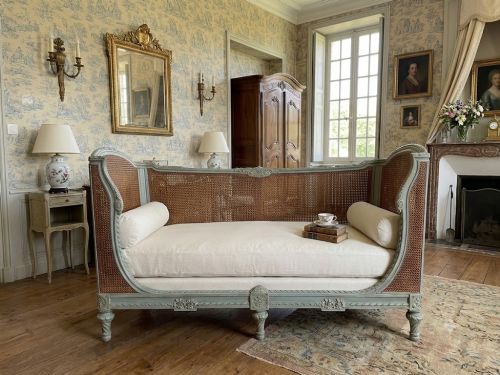
French style sofas often feature exposed carved walnut or giltwood frames, cabriole legs, and sweeping lines influenced by Rococo or Louis periods. Painted finishes and cane panelling also distinguish these continental seating forms from heavier English designs.
Their decorative vocabulary prioritises ornamentation and lightness of form, making them suitable for formal reception spaces.
How do I identify a revival piece?
Revival furniture borrows stylistic vocabulary from earlier centuries, such as Georgian or Elizabethan motifs, while being manufactured in a later era. Examining the timber maturity, construction techniques, and tool marks helps determine the true age of the frame.
Labels, stamps, or specific upholstery tack patterns can offer additional clues regarding whether a piece is an original period example or a later revival.