




Period Style Mirror
A period style mirror brings architectural depth and reflected light into a room through centuries of traditional craftsmanship.
Period Style Mirror
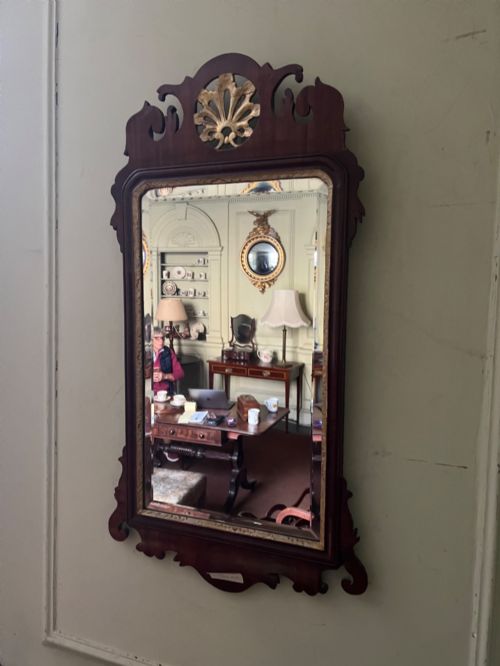
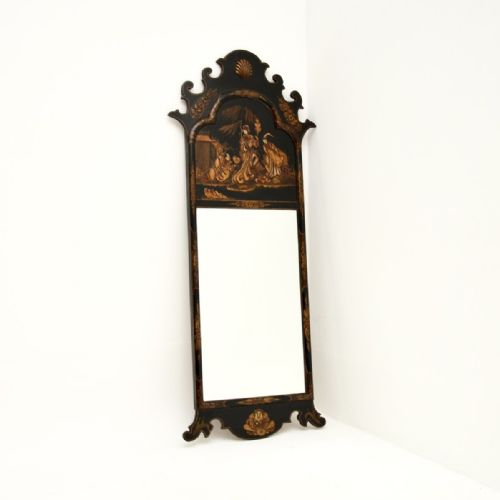
A period style mirror encompasses decorative wall glasses, overmantels, and cheval frames drawing on eighteenth-century and nineteenth-century design vocabulary. These pieces translate Georgian, Regency, and French Empire aesthetics into substantial focal points for domestic interiors.
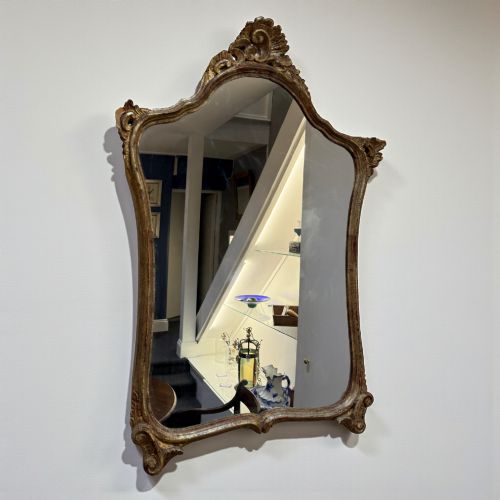
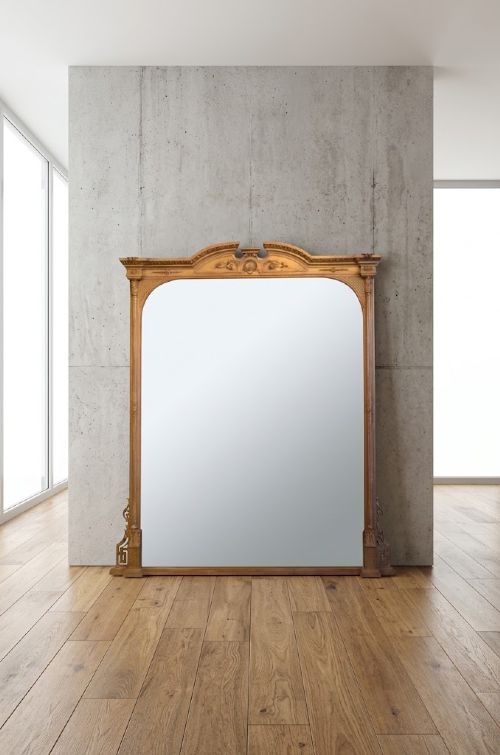
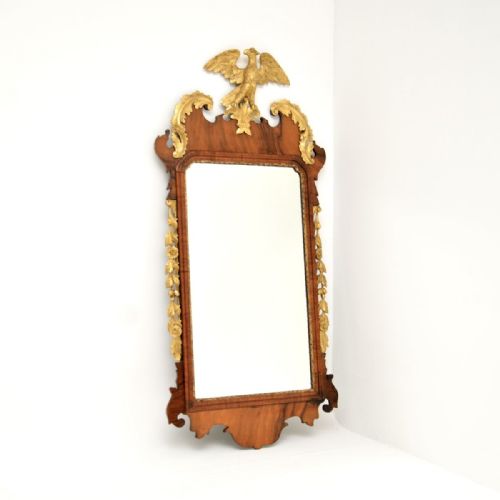
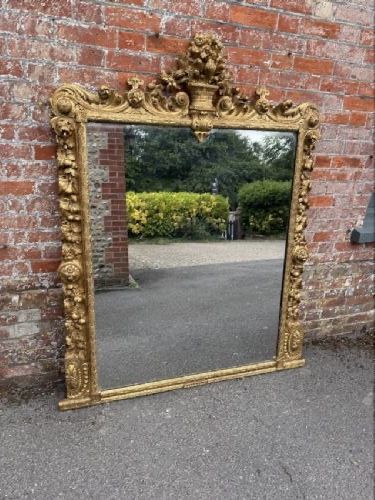
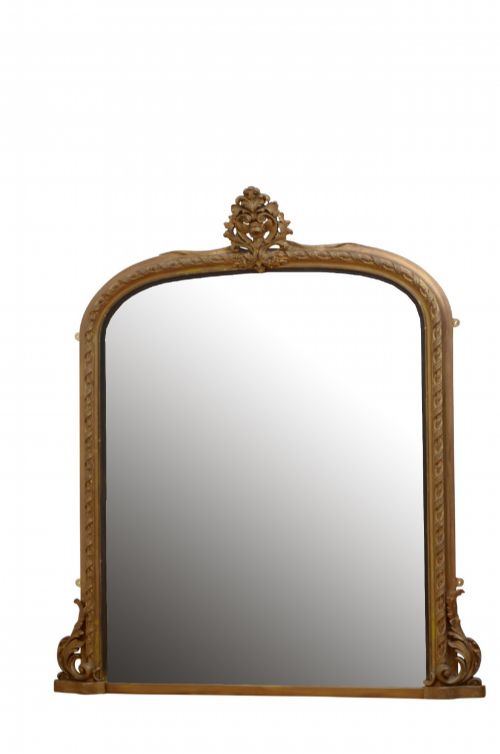
The most common examples on this page are nineteenth-century interpretations of earlier neoclassical, rococo, and George II styles. Buyers will frequently encounter large giltwood overmantels and arched wall mirrors designed to command a chimney breast.
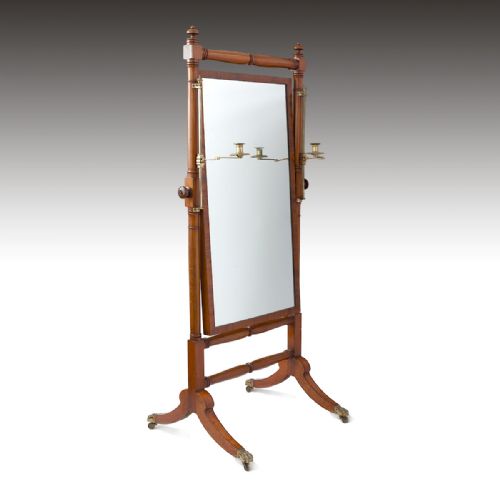
Alongside wall-hanging formats, the selection includes free-standing cheval mirrors in mahogany and rosewood designed for dressing rooms. Smaller toilet mirrors and occasional sideboards also appear, reflecting broader historical furniture categories.
Materials and technique
Carved wood provides the structural foundation for many examples, utilising timbers such as mahogany, walnut, and plain wood alongside giltwood constructions. Artisans shaped these frames by hand before applying decorative surface treatments.
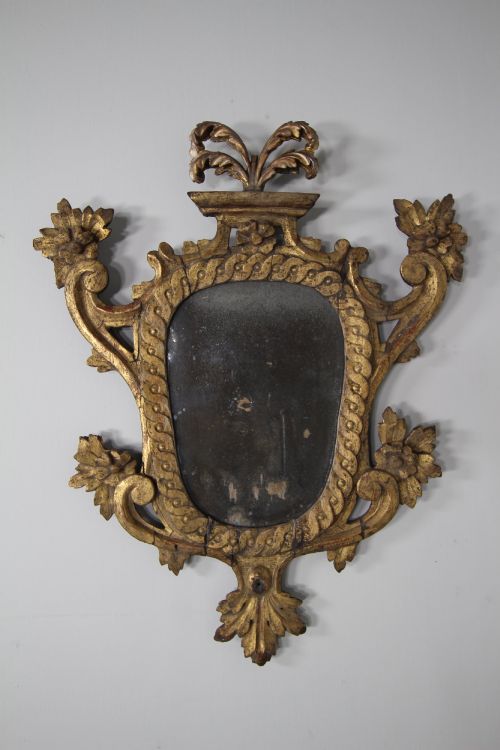
Gilding and gesso techniques define the gilded pieces, layering gold leaf over a prepared plaster base on carved wooden mouldings. Other surfaces feature lacquer work, ebonised details, or parcel-gilt highlights against polished wood veneers.
Period Style Mirror Retail Price Guide 2026
Typical asking prices for period style mirror among the pieces listed under this phrase on Sellingantiques today, from the lower quarter to the upper quarter. They describe what is for sale here now, not the wider market.
Listings span multiple centuries from the seventeenth to the twentieth, featuring mahogany, giltwood, and gesso materials.
Variations in quality
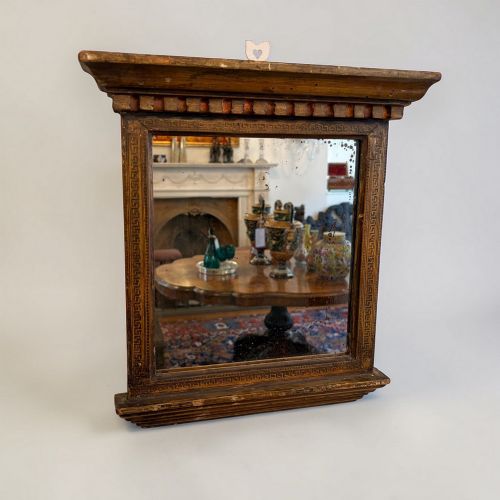
Quality rests in the crispness of the carved ornament and the depth of the gilding applied to the wood or gesso. Superior pieces display sharply defined acanthus leaves, scrolls, and moulded details rather than soft or muddy casting impressions.
The integrity of the mirror glass itself distinguishes finer examples, particularly where original plates survive with authentic foxing and silvering wear. Heavier timber construction and retaining original pine backs also indicate superior workshop standards.
Gillow·William Kent·John Belchier
The Period Style Mirror Glossary
- Giltwood
- Wood that has been coated with gold leaf over a prepared gesso ground. This finish characterises formal Georgian and Regency wall mirrors.
- Gesso
- A plaster-like mixture applied to wood frames to create a smooth surface for carving and gilding. It allows intricate relief ornament.
- Overmantel mirror
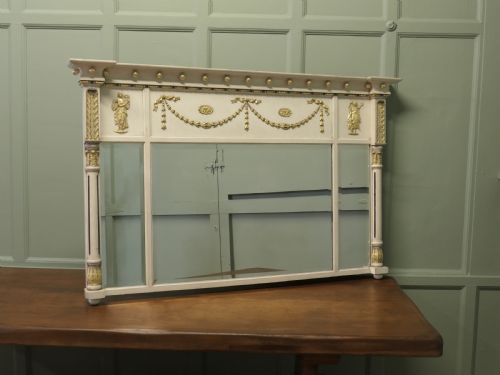
- A wide mirror specifically designed to hang above a fireplace mantelpiece. These often feature triple plates or arched frames.
- Cheval mirror
- A full-length free-standing mirror suspended in a frame with pivoting side supports. They emerged for dressing use in the eighteenth century.
- Pier glass
- A tall mirror designed to hang on the wall space between windows. They frequently sit above small console tables or pier tables.
Period Style Mirror: Frequently Asked Questions
How do I hang a heavy overmantel mirror?
Heavy overmantel mirrors require secure fixings into structural wall studs or masonry rather than standard plasterboard hooks. Professional mirror installers use substantial steel brackets matched to the weight of the timber and glass.
Ensuring the frame rests partly on the mantel shelf itself can also help distribute the load safely across the wall structure.
How do I clean antique mirror glass?
Clean antique mirror glass gently using a soft microfibre cloth and a minimal amount of mild, alcohol-free glass cleaner. Avoid spraying liquid directly onto the glass, as moisture can seep behind the plate and damage the original silvering.
Apply the cleaner to the cloth first to prevent liquid pooling around the edges of the antique frame.
How can I tell a nineteenth-century revival piece from an eighteenth-century original?
Nineteenth-century revival mirrors often employ machine-sawn timber and standardised joinery techniques alongside period design motifs. Close inspection of the backboards, fixings, and tool marks on the carved wood usually reveals the true period of manufacture.
Original eighteenth-century mirrors display hand-chiselled surfaces and timber shrinkage consistent with prolonged age.
Where should I place a convex mirror in a room?
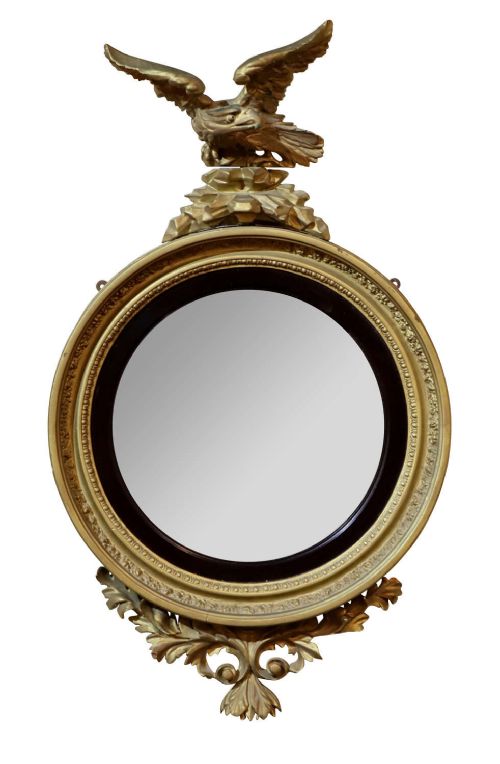
Convex mirrors concentrate ambient light and project a wide-angle reflection of the entire interior space. Placing them opposite a window or light source maximises their ability to brighten darker corners of a room.
Their spherical glass creates a distinct fish-eye perspective that works well as a focal point in hallways and living spaces.